In the high-stakes environment of modern manufacturing, a spill is never a scheduled event. Whether it occurs during the routine transfer of lubricants, as a result of aging infrastructure, or through a human error during loading, the first sixty seconds of a spill often determine the difference between a minor operational hiccup and a catastrophic environmental, safety, and compliance disaster.
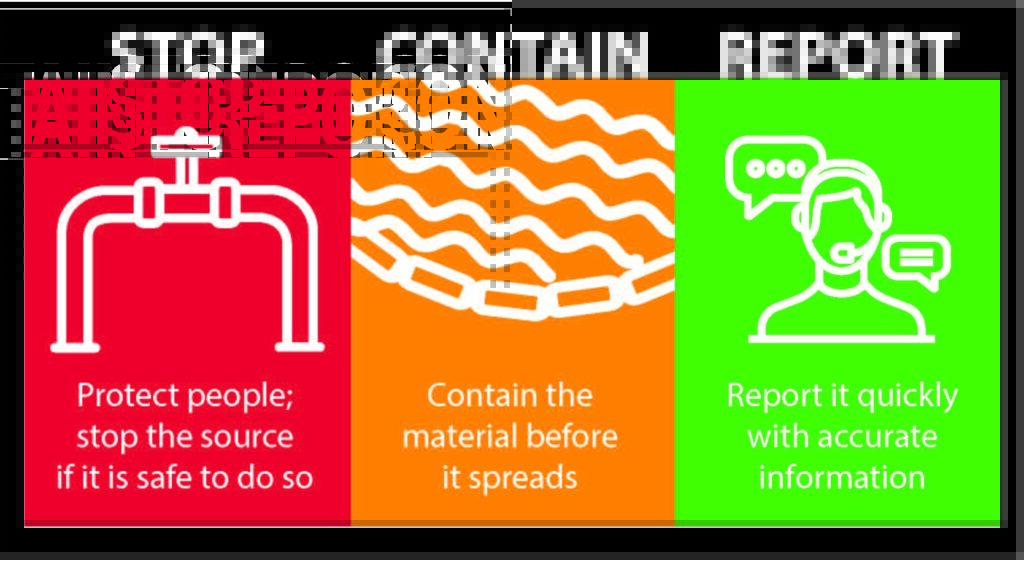
As facilities continue to handle complex arrays of oils, coolants, solvents, and specialty chemicals, the burden of containment has shifted toward a more proactive, employee-centric model. CITGO Petroleum Corporation has championed a “Stop-Contain-Report” framework, a simple yet rigorous methodology designed to guide personnel through the confusion of an emergency. By shifting the focus from reactive panic to systematic response, facilities can mitigate risks that threaten workers, local ecosystems, and regulatory standing.
The Anatomy of an Industrial Spill
Spills are frequently the result of "slow-motion" failures rather than dramatic accidents. Worn piping, deteriorating hoses, faulty gaskets, and neglected maintenance routines are the silent precursors to significant releases. When preventative maintenance is underfunded or when inspection protocols are treated as administrative box-checking rather than critical safety gatekeeping, small warning signs are often ignored until they culminate in a breach.
The primary challenge in these situations is the "fog of war." When a leak begins, employees often face a paralyzing array of questions: Who is in charge? Where is the nearest spill kit? Is the material toxic? Do I need specialized personal protective equipment (PPE)? If the answers are not internalized through rigorous training, the response becomes improvised. Improvisation leads to delayed containment, unnecessary worker exposure, skyrocketing cleanup costs, and—most dangerously—gaps in the critical documentation required by environmental agencies.
The Stop-Contain-Report Framework: A Chronology of Response
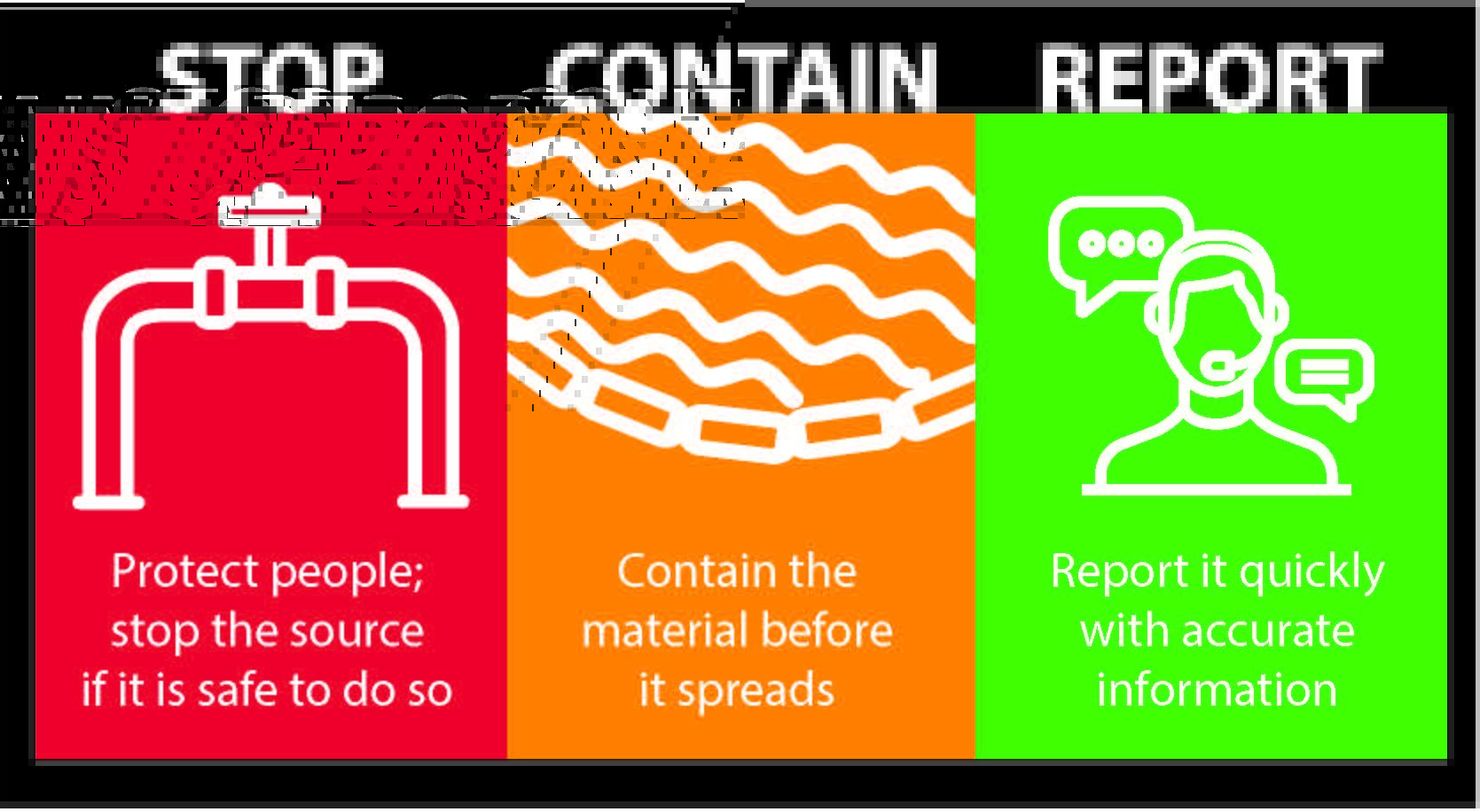
The Stop-Contain-Report framework is not intended to supersede formal regulatory plans or Safety Data Sheets (SDS). Instead, it serves as a "field-ready" translation of those complex documents. When a spill occurs, this three-step sequence provides the clarity needed to act under pressure.
1. The Priority of People (Stop)
Before any attempt is made to preserve property or protect the environment, the first priority is the safety of the workforce. The responder on the scene must immediately assess for life-safety hazards: fire, explosion risks, corrosive exposure, electrical hazards, or the potential for a spill to migrate into confined spaces or occupied areas. If the situation presents an immediate threat to life, the protocol is absolute: move away, warn others, and activate the facility’s formal emergency response chain. Only when the scene is deemed safe does the "Stop" phase begin—preventing further release by closing valves, shutting down pumps, or uprighting containers.
2. Containment: The Race Against Migration
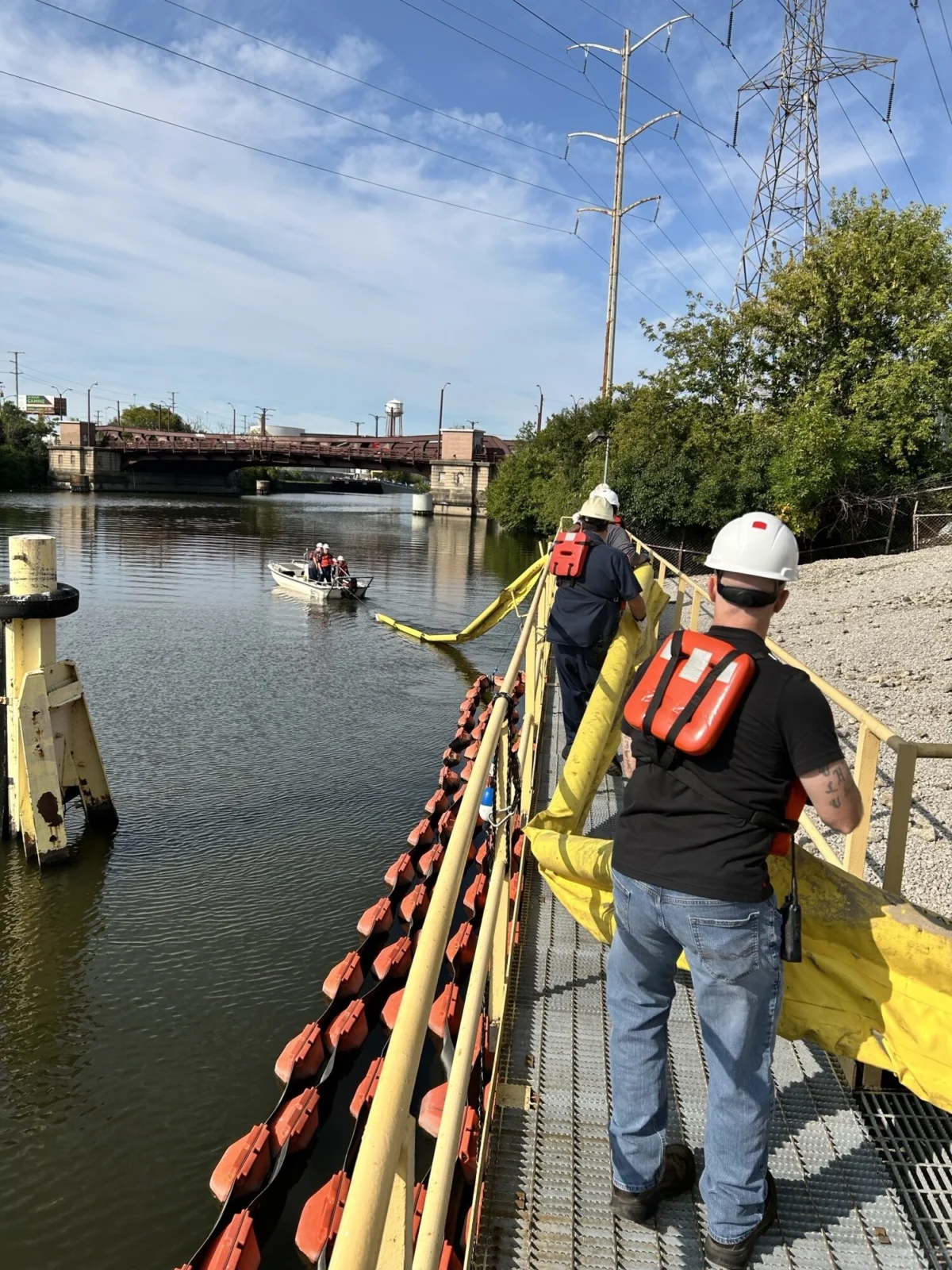
Once the source is stabilized, the clock begins to tick on containment. The objective is to prevent the material from reaching "high-consequence" pathways—drains, soil, waterways, or busy traffic lanes. A spill that remains on an impervious surface is an operational nuisance; a spill that enters a stormwater drain or an unprotected floor joint becomes a complex, multi-jurisdictional environmental liability.
Secondary containment, such as oil-water separators and collection pits, serves as the ultimate insurance policy. However, for facilities lacking such infrastructure, identifying and "mapping" potential flow paths—and pre-positioning spill kits at those vulnerable junctions—is essential for a rapid, effective response.
3. Reporting: The Accuracy Mandate
The final stage, "Reporting," is the bridge between field action and regulatory compliance. Internal reporting must be instantaneous, following the established chain of command (supervisors, EHS teams, and facility management). External reporting, however, is governed by the nature of the material, the quantity, and the pathway. In the United States, the EPA’s National Response Center (NRC) serves as the federal nexus for reporting hazardous discharges. Failure to report promptly or accurately can lead to severe fines and the triggering of the National Contingency Plan, which may result in costly, externally managed cleanup operations.
Supporting Data: The Cost of Inaction
Industry data suggests that the cost of cleanup is inversely proportional to the speed of containment. When a spill is contained at the source using pre-staged, compatible absorbents, costs are largely limited to labor and waste disposal. Conversely, when a spill migrates into soil or a municipal waterway, costs often expand exponentially to include third-party environmental remediation, legal fees, regulatory penalties, and significant business interruption.
The most dangerous assumption in industrial safety is that "size equals severity." A 500-gallon spill of non-hazardous water in a contained bunded area is a manageable event; a 16-ounce spill of a highly toxic or reactive chemical near an open drain is a Tier 1 emergency. Decisions must be based on a holistic assessment of hazard, exposure potential, and the facility’s specific capability to handle the substance.
Official Perspectives and Regulatory Compliance
Regulatory bodies, including the EPA, emphasize that preparedness is a legal and ethical mandate. Under rules governing Spill Prevention, Control, and Countermeasure (SPCC) plans, facilities are required to demonstrate that they are not just capable of reacting to a spill, but are structurally designed to prevent them.
The transition from a "reactive" culture to a "preparedness" culture requires treating spill response as a daily operational task rather than an emergency-only procedure. This means:
- Integrating SDS training: Making SDS documents accessible and ensuring employees know how to extract actionable data regarding chemical compatibility and PPE requirements.
- Documenting the "Before": Emphasizing the importance of photographic evidence and scene recording before the cleanup process erases the evidence needed for root-cause analysis.
- Maintenance of Spill Kits: Ensuring kits are not just present, but stocked with the correct absorbents for the specific fluids stored in that area. A universal absorbent kit is often ineffective against specialized fuels or heavy oils.
Implications for Future Operations
As industrial facilities become more automated, the human role in spill management is evolving. While automated sensors and shut-off valves are increasingly common, they do not remove the need for a human "first responder" who understands the physical layout of the plant and the nuances of the chemicals being handled.
The future of industrial safety lies in the "institutionalization of the immediate." Facilities that prioritize regular, high-fidelity drills—where teams practice not only the technical aspects of containment but also the communication protocols for reporting—show a marked decrease in incident severity.
Conclusion: The Culture of Readiness
Ultimately, the "Stop-Contain-Report" framework is a testament to the fact that industrial safety is not a product of luck; it is a product of design. By identifying potential leak points, investing in secondary containment, and training employees to value the first minute of an incident as the most important, companies can protect their most valuable assets: their people and their reputation.
As noted in industry safety guidelines, preparedness is an ongoing cycle. Regular reviews of recent leaks, valve errors, and "near-misses" provide the intelligence needed to fortify the plant against future threats. A company that waits for an emergency to define its response plan is a company already in the midst of a crisis. By contrast, a company that anticipates the spill is a company that effectively manages it—every single time.
Disclaimer: This report is provided for informational purposes only. Spill response practices must be evaluated and adapted by each facility based on specific site hazards, local, state, and federal regulations, and the unique operational requirements of the site. Facility managers are encouraged to consult with EHS professionals to ensure their response plans meet all applicable legal standards.