The U.S. Department of Energy (DOE) has taken a significant step toward bolstering the nation’s renewable energy infrastructure by announcing the second cohort of recipients for its Hydropower Testing Network (HyTN) vouchers. This initiative, spearheaded by the DOE’s Water Power Technologies Office (WPTO)—formerly referred to as the Hydropower and Hydrokinetic Office (H2O)—is designed to bridge the gap between conceptual innovation and commercial viability.
By facilitating partnerships between private-sector technology developers and elite national testing facilities, the DOE aims to modernize the U.S. hydropower fleet, ensuring that this foundational clean energy source remains a reliable pillar of the national grid.
Main Facts: Strengthening the Backbone of Renewables
The latest round of the HyTN program has selected 14 distinct hydropower projects to enter negotiations for in-kind technical support. These vouchers grant developers access to more than 65 specialized testing and modeling capabilities—ranging from sophisticated hydraulic flow modeling and biological impact analysis to complex techno-economic assessments.
Hydropower currently accounts for approximately 6% of the total utility-scale electricity generation in the United States. While often overshadowed by the rapid expansion of solar and wind, hydropower remains the nation’s largest source of renewable baseload power. It provides essential grid stability, energy storage through pumped-storage, and the flexibility needed to integrate more intermittent renewable sources into the grid.
“By pairing industry innovators with leading U.S. test facilities and technical expertise, HyTN accelerates the development of next-generation technologies that keep hydropower reliable and abundant,” stated Nichole Fitzgerald, Director of the WPTO. The program acts as a de-risking mechanism, allowing developers to validate their technologies in controlled environments, which is a critical prerequisite for attracting private investment and scaling production.
Chronology: The Evolution of the Hydropower Testing Network
The HyTN program is not an isolated effort but part of a multi-phased, long-term strategy to revitalize domestic hydro-engineering.
Phase 1: Infrastructure Foundations (June 2024)
The network was officially inaugurated in mid-2024 with a call for testing facilities to join the roster. The goal was to aggregate the best physical and analytical testing sites across the country—including universities, national laboratories, and private testing centers—into a unified, accessible network.
Phase 2: The First Cohort (Early 2025)
In early 2025, the WPTO announced the inaugural selection of 12 hydropower technology developers. This pilot group served as the proof-of-concept for the voucher system, demonstrating how effectively the DOE could streamline access to specialized equipment for smaller firms that might otherwise lack the capital to test their designs at scale.
Phase 3: Scaling and Expansion (Current Round)
With the selection of the second cohort of 14 projects, the DOE has shifted toward a more mature operational phase. By formalizing the process of matching specific developer needs with the unique capabilities of the 21 participating testing facilities, the program has become a high-efficiency engine for technical iteration.
Supporting Data: Why Hydropower Modernization Matters
The urgency behind the HyTN initiative is driven by the aging nature of the existing U.S. hydropower fleet. A significant portion of the country’s hydroelectric infrastructure was constructed in the mid-20th century. While these dams are engineering marvels, they are increasingly in need of upgrades to handle modern environmental standards, improved turbine efficiency, and the demands of a digitized grid.
Grid Reliability and Energy Prices
DOE data suggests that modernizing existing plants is the most cost-effective way to increase clean energy output. Improvements in turbine blade design, cavitation prevention, and generator cooling—areas where companies like Kingsbury specialize—can significantly increase the efficiency of a dam without requiring new civil engineering projects that involve significant environmental disruption.

By lowering the barrier to entry for these technological improvements, the DOE expects to drive down the long-term cost of electricity. Efficient turbines convert more water into power, reducing waste and ensuring that hydropower remains competitive against cheaper, subsidized natural gas or falling costs in solar-plus-storage.
The Role of Specialized Facilities
The HyTN network provides access to:
- Hydraulic Testing: Simulating water flow patterns to optimize turbine geometry.
- Biological Testing: Ensuring that new turbine designs are "fish-friendly" to minimize environmental impact, a key requirement for modern regulatory compliance.
- Techno-Economic Modeling: Helping startups determine if their technology is commercially viable at scale.
Official Responses and Industry Impact
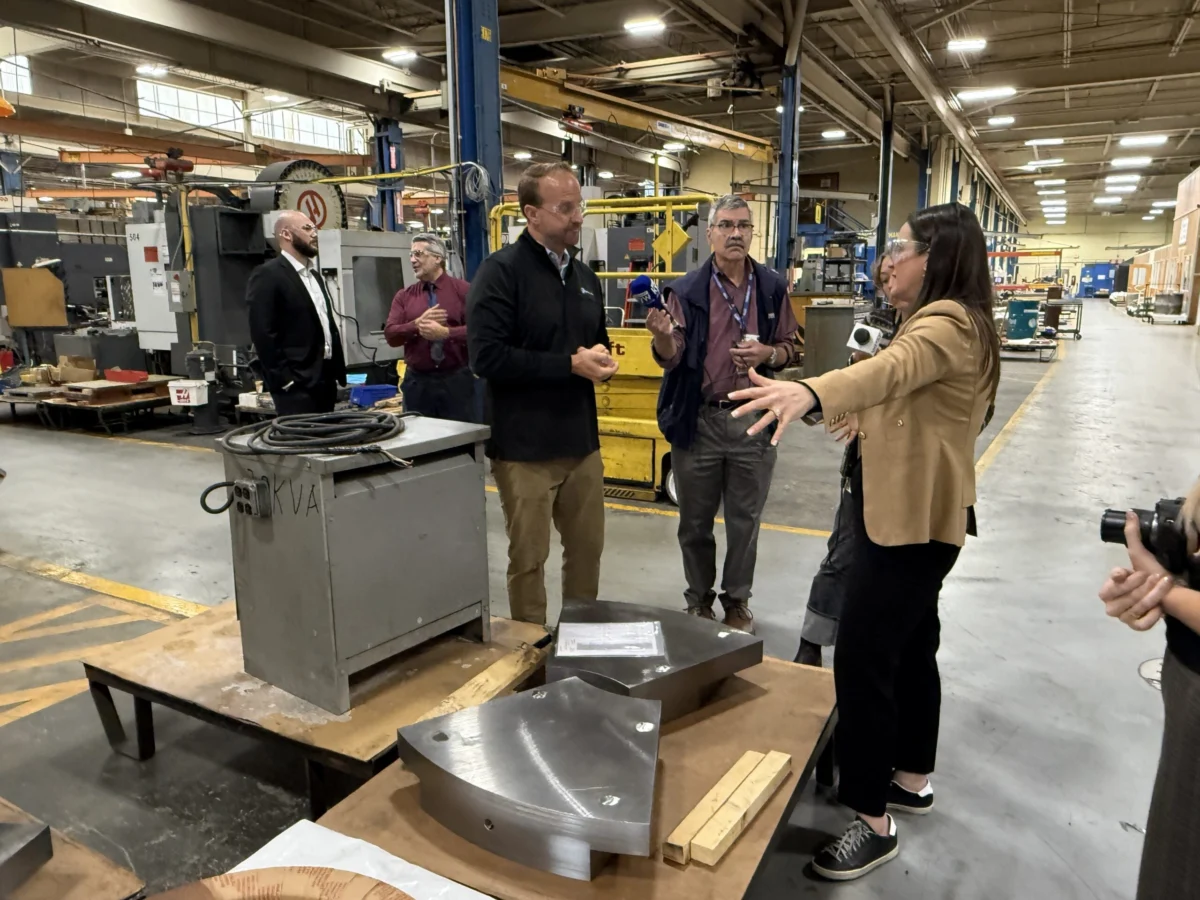
The recent visit of Assistant Secretary of Energy Audrey Robertson to the Kingsbury facility in Pennsylvania underscored the synergy between public policy and private manufacturing. Kingsbury, a firm with over a century of experience in bearing technology for hydro-turbines, exemplifies the type of technical depth the DOE is aiming to support.
"We were honored to welcome Assistant Secretary Robertson and the Department of Energy team to Kingsbury," said Mike Brawley, President and CEO of Kingsbury. "For more than a century, Kingsbury technology has supported hydropower generation across North America. We are proud to continue collaborating with Oak Ridge National Laboratory and the Department of Energy on research that can help improve the reliability and longevity of critical hydropower equipment."
This collaboration is managed via the ENERGYWERX platform, which acts as a partnership intermediary. This model allows the government to work with the agility of the private sector, bypassing some of the traditional bureaucratic hurdles that have historically slowed down federal research and development programs.
Implications for the Future of the Grid
The implications of the HyTN initiative extend beyond simple hardware upgrades. By fostering a domestic ecosystem of innovation, the DOE is working to secure the U.S. supply chain for hydropower components.
Achieving Climate Goals
The Biden-Harris administration has set ambitious goals for a carbon-pollution-free power sector. While intermittent renewables are essential, they require the "firm" power that only long-duration energy storage and baseload hydro can provide. The HyTN program is essential for ensuring that the existing fleet can support the grid of the future, which will be characterized by much higher penetration of solar and wind energy.
A Model for Future Programs
The success of the HyTN model—a network-based approach to testing—is being viewed as a potential template for other renewable energy sectors, such as geothermal and marine energy. By identifying the specific technical bottlenecks that prevent commercialization and providing targeted, in-kind support, the government can stimulate innovation without needing to pick "winners and losers" through direct grants alone.
Challenges Ahead
Despite the success of the first two rounds, the path forward is not without challenges. The hydropower industry continues to face regulatory hurdles, particularly regarding the relicensing of existing dams. There is also the challenge of integrating new, advanced sensing and monitoring technologies into 50-year-old power plants.
However, as the DOE continues to facilitate these connections, the technological readiness of the U.S. hydropower sector is visibly improving. With 26 total projects now having received or currently receiving support, the HyTN has established itself as an essential component of the American energy transition.
As we look toward the remainder of the decade, the continued commitment of the DOE to these partnerships will be the deciding factor in whether the U.S. can successfully modernize its oldest clean energy resource to meet the challenges of the 21st century. Through the lens of the HyTN, the future of hydropower looks not like a legacy of the past, but a high-tech, indispensable tool for a sustainable future.