



SALT LAKE CITY — The global energy transition is facing a paradoxical bottleneck. While the mandate to modernize the power grid has never been more urgent, the very hardware required to ensure grid reliability—the heavy-duty gas turbine—has become a scarce commodity. As of early 2027, lead times for major power generation equipment have stretched well into 2029, forcing a radical departure from the traditional construction models that have governed the power industry for decades.
This shift, which sits at the heart of the discourse at the POWERGEN 2027 conference in Salt Lake City, represents a fundamental change in how thermal power plants are conceived, financed, and built. The era of the "wrapped" Engineering, Procurement, and Construction (EPC) contract is yielding to a more fragmented, high-stakes model that places unprecedented pressure on project owners to act as orchestrators of complexity.
The Death of the Wrapped EPC Model
For generations, the "wrapped" EPC structure was the gold standard for project finance and risk mitigation. Under this model, an owner would develop a project to a high degree of maturity, select a single prime contractor, and bundle the procurement of major equipment—gas turbines, steam turbines, heat recovery steam generators (HRSGs), and transformers—into one integrated, turnkey contract.
This structure offered a clean, streamlined path for lenders. The EPC contractor held the "wrap," guaranteeing the project’s schedule, technical performance, heat rate, and commercial operation date (COD). If the plant failed to perform, there was one throat to choke. If the project fell behind schedule, one entity held the liability.
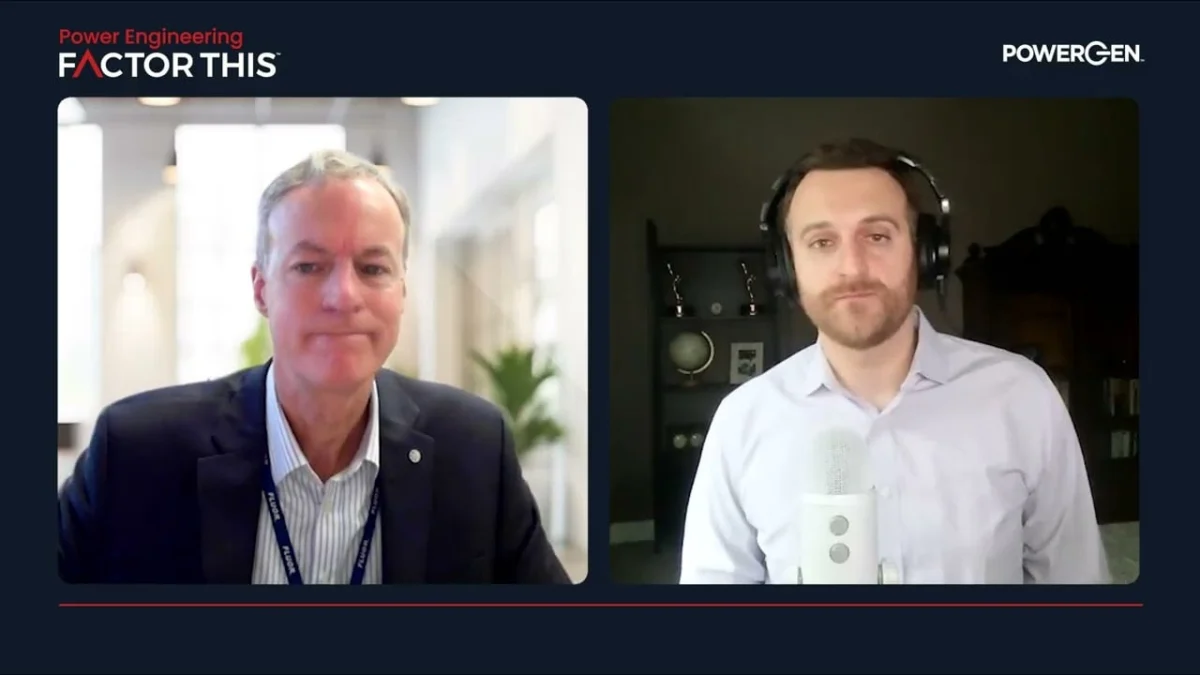
"That luxury has effectively evaporated," says James Brown, vice president of power operations at Fluor, who is presenting a featured session at POWERGEN 2027 titled Decoupling the Powertrain: Evolving Execution Models in a Constrained Generation Market.
With turbine manufacturing slots sold out for years, the logic of the market has flipped. Owners can no longer wait for a project to be fully defined before securing the long-lead equipment. They are now forced to make massive capital commitments—often millions of dollars in deposits—years before they have finalized the permitting, the balance-of-plant (BOP) design, or the site-specific configuration.
Chronology of a Market Shift
The current crisis did not emerge overnight. It is the culmination of several overlapping factors that have converged over the past three years:
- 2024: The Surge in Demand: As intermittent renewables (wind and solar) hit record penetration levels, grid operators identified a critical need for "firming" capacity. Demand for high-efficiency natural gas assets spiked globally.
- 2025: Supply Chain Compression: OEM (Original Equipment Manufacturer) capacity, which had been downsized during the mid-2020s, struggled to scale up. Raw material shortages and skilled labor constraints in manufacturing facilities led to a ballooning of lead times.
- 2026: The "First-Mover" Paradigm: By the start of 2026, it became clear that the turbine was the critical path for any thermal project. Developers began buying equipment in "blind" configurations, prioritizing the hardware over the project’s specific design, essentially treating turbines as a speculative asset.
- 2027: The New Reality: As the POWERGEN conference convenes, the industry is normalizing the "split-contract" approach. The focus has shifted from "integrated delivery" to "integrated management," where the owner carries the integration risk formerly held by the EPC.
The Multi-Prime Reality: Fragmentation of Responsibility
The shift to a split-contract, multi-prime model is not merely a logistical change; it is a fundamental reconfiguration of legal and financial risk. In this new landscape, owners are contracting directly with OEMs for the turbine train and separately for the engineering and construction services.
The Fragmentation of Guarantees
Under this model, guarantees have not disappeared—they have simply been atomized. Each vendor—the turbine OEM, the HRSG manufacturer, the civil contractor—provides a guarantee for its specific scope. However, there is no longer a single, comprehensive guarantee for the integrated plant’s output, heat rate, or reliability.
"You have a collection of guarantees, but they don’t necessarily talk to each other," Brown explains. "If the plant fails to meet its heat rate targets, the turbine manufacturer may point to the HRSG, and the HRSG manufacturer may point to the engineering firm. The owner is left in the middle of a contractual labyrinth."
The Burden on the Owner
This new model shifts the burden of integration squarely onto the owner. Lenders, recognizing the scarcity of equipment, have been forced to accept this increased risk profile. They are now underwriting projects based on the owner’s capability to manage these disparate contracts rather than the security of a single EPC wrap. This requires owners to have significantly more sophisticated internal engineering and project management teams than they did five years ago.
Supporting Data: Managing the Constraints
Project data from the last 18 months underscores the severity of this trend. Recent projects utilizing the multi-prime model have seen an average of 15% to 20% higher project management overhead costs, as owners bolster their technical teams to oversee the integration of equipment.
Furthermore, the "cost of time" has become the primary metric of success. Because the turbine is the pacing item, owners are prioritizing "slot availability" over "optimal configuration." This leads to:
- Technical Debt: Accepting equipment specifications that may not perfectly match the site’s duty cycle to ensure delivery.
- Permitting Lag: Starting construction planning before environmental and grid-interconnection studies are finalized to align with turbine arrival.
- Capital Intensity: Increased early-stage cash burn as owners secure slots without the benefit of fully matured project financing.
Implications for the Future of Power Generation
As the industry grapples with these constraints, the implications for the future of power project development are profound.
The Rise of the "Intelligent Owner"
The winners in this market will not be the developers who simply secure the most equipment. The winners will be the owners who demonstrate a "disciplined execution strategy." This means having a clear technical basis for every procurement decision and a robust, proactive integration strategy that anticipates interface gaps before they become construction delays.
A Potential Shift in OEM Relations
The scarcity has also altered the dynamic between OEMs and utilities. We are seeing a move toward long-term service agreements (LTSAs) that are negotiated alongside the procurement contract. These agreements are becoming more complex, incorporating performance incentives that attempt to bridge the gap left by the loss of the EPC wrap.
The Need for Standardization
Industry groups are beginning to call for a higher level of standardization in power plant design. If owners are forced to buy turbines "off the shelf" due to scarcity, it makes little sense to design bespoke balance-of-plant solutions. Modularization and "cookie-cutter" plant designs are expected to gain traction as a way to mitigate the integration risks of the multi-prime model.
Conclusion: Navigating the Constrained Market
As James Brown will emphasize during his session on Wednesday, January 20, the goal is not to return to the way things were—because that path is no longer available. The goal is to master the current environment.
"Owners need to ask the hard questions," says Brown. "Who is the integrator? If the plant doesn’t hit its performance targets, what are the contractual levers available to me? And most importantly, do I have the internal expertise to manage the interdependencies of these contracts?"
The constraints on gas turbine production are likely to persist for several years. For the power generation sector, the challenge is clear: transition from being a passive recipient of turnkey services to an active, expert orchestrator of a complex, fragmented supply chain. Those who fail to adapt to this new reality risk more than just schedule delays—they risk the viability of the assets that will define the grid of the 2030s.
For those interested in a deeper dive into these project execution models, "Decoupling the Powertrain: Evolving Execution Models in a Constrained Generation Market" takes place at 1:30 p.m. on Wednesday, Jan. 20, at POWERGEN 2027. The session will feature detailed case studies of projects that have successfully navigated the transition to the multi-prime model.