





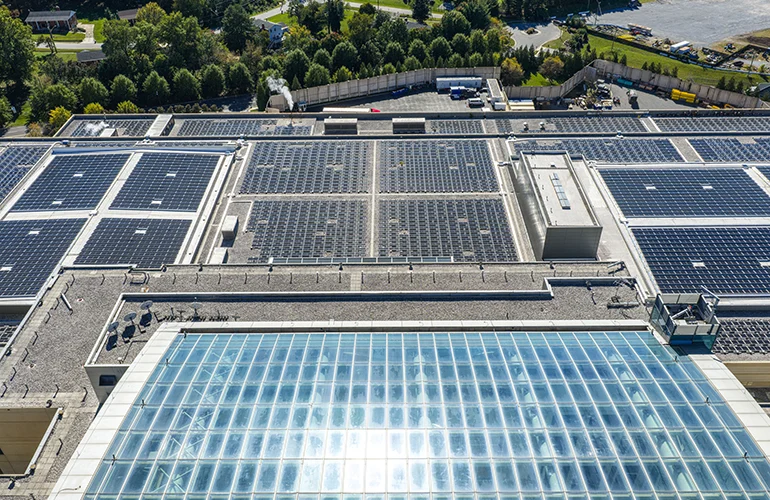
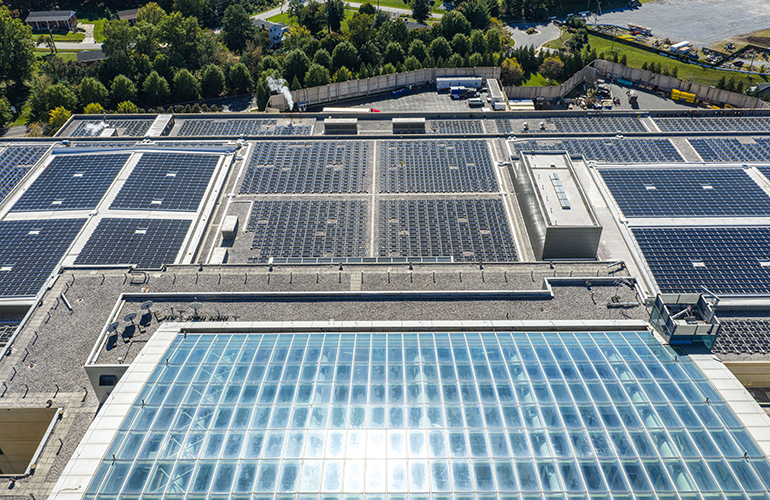
NATIONAL HARBOR, Md. — In a landmark move for the hospitality and convention sectors in the Mid-Atlantic, the Gaylord National Resort & Convention Center has officially brought online a sprawling 3.5-acre rooftop solar installation. Featuring nearly 4,700 high-efficiency panels, the project represents a major leap forward in corporate environmental stewardship, energy resilience, and operational cost-efficiency for one of the region’s largest hospitality hubs.
The installation is designed to generate up to 20% of the massive resort’s total electrical load during peak production periods. Furthermore, it is projected to offset as much as 50% of the electricity the facility typically purchases from the local utility grid. Coming online in June 2026, the solar array immediately began contributing clean electricity, already matching the annual power consumption of approximately 48 average U.S. households in its initial operational phase.
Developed in strategic partnership with clean energy developer REV Energy Ventures, the project underscores a growing trend among massive commercial and hospitality complexes to leverage unused rooftop acreage for decentralized, renewable energy generation.
Main Facts: The Gaylord National Solar Installation
The newly activated solar array is an engineering marvel designed to blend heavy-duty commercial energy production with the architectural demands of a premier convention and resort destination.
- Physical Scale: The installation covers approximately 3.5 acres of contiguous rooftop space atop the resort’s vast convention center complex in National Harbor, Maryland.
- Component Breakdown: The system comprises 4,696 high-efficiency solar photovoltaic panels.
- Energy Yield & Offset: During peak production hours, the array can supply up to 20% of the resort’s overall electrical demand. On an annual basis, it is expected to offset up to 50% of the grid-purchased electricity required to run the facility.
- Development Partners: The project was engineered, developed, and brought to life through a collaboration between Gaylord National Resort, its parent operator Ryman Hospitality Properties, Marriott International, and renewable energy developer REV Energy Ventures.
- Pre-Existing Infrastructure: The solar array does not stand alone; it integrates directly into the resort’s pre-existing, highly efficient cogeneration (Cogen) system, which has been operational since 2018.
Chronology: From Concept to Clean Energy Generation
The realization of the Gaylord National solar project is the culmination of years of strategic planning, engineering assessments, and corporate commitment to sustainability.
2018: Laying the Efficiency Foundation
Long before the first solar panel was hoisted onto the roof, Gaylord National established a robust internal energy strategy. In 2018, the resort commissioned an on-site cogeneration (Cogen) system. This system was designed to generate on-site electricity while simultaneously capturing and repurposing thermal waste energy for heating. This single investment laid the groundwork for the resort’s energy independence, ultimately allowing the facility to meet more than 75% of its total baseline energy needs through captured and recycled energy.
Pre-2026: Designing the Solar Array
Recognizing the vast, unobstructed expanse of its convention center rooftops, resort leadership began exploring solar integration. Partnering with REV Energy Ventures, engineers conducted rigorous structural load analyses, sun-path studies, and electrical grid interconnectivity assessments. The goal was to design a system large enough to make a measurable dent in utility consumption without disrupting the continuous, 24/7 operations of a bustling convention and hotel destination.
June 2026: Commercial Operation Date (COD)
The multi-thousand-panel array officially achieved commercial operation in June 2026. Upon activation, the system immediately began synchronizing with the resort’s internal electrical grid and the local utility network. Within its first weeks of operation, the system cleared its initial performance milestones, proving its capacity to generate the equivalent of a full year’s power for nearly 50 American homes.
Supporting Data and Operational Integration
The scale of the Gaylord National resort presents unique energy management challenges. Spanning millions of square feet with thousands of guest rooms, massive exhibition halls, expansive ballrooms, and commercial kitchens, the property functions essentially as a small city.
The integration of the 3.5-acre solar array is supported by a multi-layered matrix of data-driven building technologies:
- The Cogen Synergy: The resort’s 2018 Cogen system generates electricity while recycling waste heat. The addition of the solar array creates a dual-pronged on-site generation model. While the Cogen system handles baseline electrical and thermal loads (covering over 75% of energy needs), the solar panels dynamically ramp up power production during peak daylight hours to offset high-tariff utility electricity.
- Continuous Building Monitoring: Derek Brauner, director of engineering at Gaylord National, oversees a team that utilizes continuous automated building management systems (BMS). These systems monitor HVAC loads, lighting schedules, and energy draws in real time, ensuring that solar-generated electricity is utilized instantaneously where it is most needed.
- Broader Sustainability Metrics: The resort’s environmental data extends far beyond electricity. As part of its holistic conservation framework, Gaylord National manages aggressive waste-diversion programs:
- Cardboard Recycling: Up to 170,000 pounds of cardboard are recycled monthly.
- Water and Waste Reduction: The resort has eliminated single-use toiletry bottles, implemented paperless billing systems, and transitioned to single-stream recycling throughout the property.
- Biodiversity and Local Sourcing: On-site initiatives include rooftop beehives to support local pollinator populations and a dedicated herb garden that supplies the resort’s culinary teams with hyper-local produce.
Official Responses and Executive Perspectives
Industry leaders have heralded the National Harbor project as a blueprint for how large-scale hospitality and convention venues can successfully adopt renewable energy without sacrificing guest experience or operational reliability.
Mark Fioravanti, president and CEO of Ryman Hospitality Properties, emphasized the financial and strategic alignment of the project:
"This project is an important example of how we are partnering with Marriott International to invest in initiatives that support our shared conservation goals and create long-term value for our shareholders. With this project complete, we’re reducing demand on the local power grid while improving operational efficiency and strengthening the resort’s climate resiliency for years to come."
Jeff Bedard, founder and CEO of REV Energy Ventures, pointed to the complex logistics of executing a solar installation of this magnitude on an active hospitality property:
"Gaylord National’s solar project demonstrates how large hospitality properties can integrate renewable energy while maintaining seamless operations. The project’s scale highlights the role on-site renewable energy can play in supporting both operational efficiency and sustainability goals."
Detailing the day-to-day engineering triumphs of the project, Derek Brauner, director of engineering at Gaylord National Resort and Convention Center, noted how the solar arrays complement the facility’s legacy infrastructure:
"The addition of solar power strengthens the foundation we have established through our Cogen system and other efficiency investments. By generating electricity on site, capturing thermal energy that would otherwise be wasted and continuously monitoring our building systems, we are able to operate more efficiently. The solar array is another important component of a broader resort-wide strategy focused on energy efficiency, resource conservation and long-term sustainability."
Implications: Setting a New Standard for the Hospitality Sector
The successful activation of the Gaylord National solar project carries significant implications for the broader commercial real estate, convention, and hospitality industries.
1. Grid Relief and Regional Resiliency
As data centers, electric vehicles, and urban populations expand across the Mid-Atlantic, local electric utilities face mounting strain on transmission lines during peak summer cooling months. By supplying up to 20% of its own electrical load during peak periods, Gaylord National directly reduces its draw from the local power grid, mitigating brownout risks and easing infrastructure burdens in Prince George’s County and the greater Washington, D.C., metropolitan area.
2. Hedging Against Utility Price Volatility
Commercial electricity rates fluctuate wildly based on fossil fuel pricing, seasonal demand spikes, and transmission costs. By generating a significant portion of its daily power via a fixed-asset rooftop solar array, the resort hedges against long-term utility inflation, securing predictable energy overhead costs that protect profit margins in a cyclical hospitality market.
3. Blueprint for Convention Centers Nationwide
Convention centers and mega-resorts are traditionally notorious energy consumers due to massive HVAC requirements, round-the-clock lighting, and massive square footage. The Gaylord National project provides a tangible, scalable proof-of-concept. By demonstrating that acres of flat convention center roofs can be safely retrofitted with thousands of solar panels without interrupting high-capacity events, the project sets a precedent that other major convention hubs across the United States are expected to follow.
Ultimately, the 3.5-acre solar array at National Harbor proves that large-scale commercial sustainability and bottom-line corporate profitability are not mutually exclusive—paving the way for a cleaner, more resilient future in American hospitality.