In the complex tapestry of modern infrastructure, electrical power is the vital lifeblood that sustains our civilization. Yet, this energy—while indispensable—carries inherent risks. Hidden within the walls of our homes, the distribution panels of commercial skyscrapers, and the massive substations of our utility grids lies a silent, sophisticated network of guardians: circuit protection devices. Often overlooked until a failure occurs, these components are the fundamental bedrock of electrical safety, reliability, and systemic resilience.
As our reliance on digital systems, electrification, and renewable energy grows, the role of circuit protection has evolved from simple "fail-safe" mechanisms to intelligent, integrated systems capable of predicting and isolating faults with surgical precision.
The Physics of Failure: Why Protection Is Non-Negotiable
To understand the necessity of circuit protection, one must first respect the basic laws of electricity. Consider the hydraulic analogy: electrical current is the flow rate, voltage is the pressure, and resistance is the pipe’s diameter. In a healthy system, these forces remain in a delicate, calibrated balance. When this balance is disrupted, the system becomes vulnerable to faults that can escalate from minor inconveniences to catastrophic failures in milliseconds.
The Anatomy of an Electrical Fault
Electrical faults generally manifest in four dangerous forms:
- Overloads: This occurs when a circuit is asked to supply more current than its design capacity, typically due to excessive load. The resulting sustained heat degrades wire insulation, turning a routine operation into a long-term fire hazard.
- Short Circuits: This is the most violent electrical failure. When a low-resistance path forms between two conductors, resistance drops toward zero. The current surges to explosive levels, creating intense arcing, molten metal, and total equipment destruction.
- Ground Faults: When current escapes its intended path and travels through an unintended route—often a metal enclosure or a person—the risk of fatal electric shock becomes imminent.
- Overvoltage: Often caused by external factors like lightning strikes or grid-level switching, these high-pressure surges can instantly vaporize sensitive microelectronics, leading to massive financial loss and unplanned downtime.
Without robust, automated mitigation strategies, these conditions inevitably lead to equipment destruction, fire, and the loss of human life.
Chronology of Protection: From Fuses to Intelligent Grids
The evolution of circuit protection mirrors the evolution of the electrical grid itself.
- The Early Era (Late 19th Century): Protection began with the humble fuse. Early engineers recognized that if they could create a "weak link" in the circuit—a strip of metal designed to melt at a specific temperature—they could save the rest of the wiring from destruction.
- The Electromechanical Revolution (Mid-20th Century): As power systems became more complex, the need for "reusable" protection led to the development of the molded-case circuit breaker (MCCB). These devices utilized thermal and magnetic trip units, allowing for manual resetting after a fault, which reduced maintenance costs and operational downtime.
- The Digital Transition (Late 20th Century to Present): The introduction of microprocessors into protective relays transformed the industry. We moved from "blind" mechanical tripping to "intelligent" sensing, where relays could analyze waveforms, detect arc signatures, and communicate data back to centralized control centers.
- The Smart Grid Frontier (Future-Forward): We are currently witnessing the rise of "self-healing" networks. Through the integration of IoT sensors and AI-driven analytics, modern systems can now reroute power around a fault in cycles, effectively preventing widespread blackouts before they cascade.
The Core Protectors: Fuses vs. Circuit Breakers
The industry relies on two primary categories of Overcurrent Protection Devices (OCPDs). While they share a common goal, their applications are distinct.
The Sacrificial Reliability of Fuses
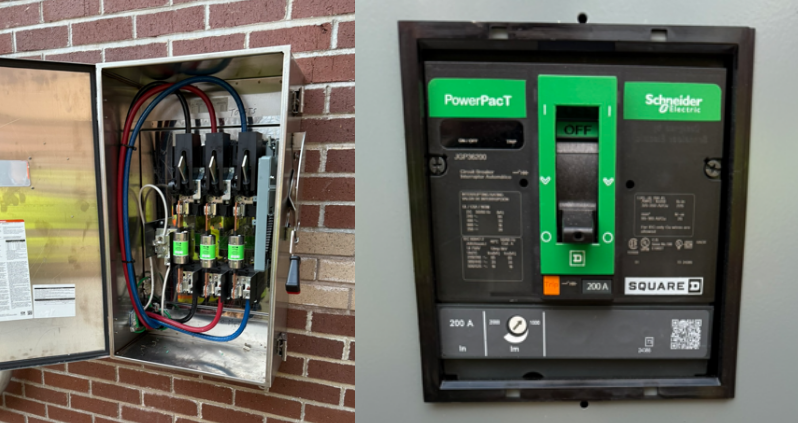
Fuses remain the "gold standard" for speed and simplicity. Because they contain no moving parts, their reliability is exceptionally high. They operate on the principle of I²R (Joule) heating; once the element melts, the circuit is physically severed. In high-current applications, such as main utility distribution, current-limiting fuses are often preferred because they can clear a short circuit before the peak current is even reached, effectively "chopping" the energy release.
The Versatility of Circuit Breakers
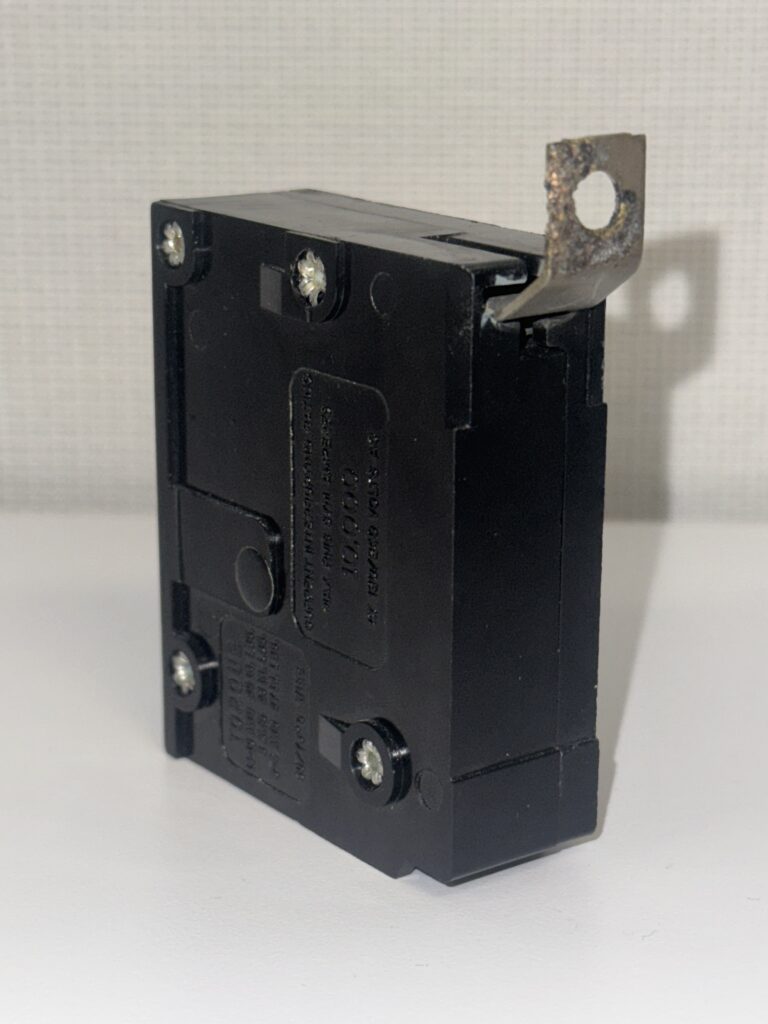
Circuit breakers are the workhorses of modern industry. By employing a combination of thermal elements (for overload protection) and magnetic coils (for instantaneous short-circuit protection), they provide a reusable solution. Modern breakers offer granular control, allowing facility managers to adjust time-current curves, thereby ensuring "selective coordination"—a design philosophy where only the breaker closest to the fault trips, keeping the rest of the facility powered.
Advanced Layered Defense: GFCIs, AFCIs, and SPDs
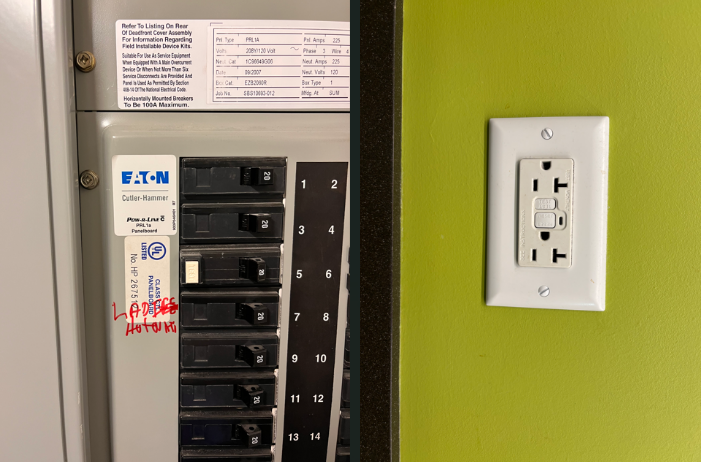
Modern electrical safety is defined by "layered" defense. In commercial and residential environments, this involves a combination of specialized interrupters:
- Ground Fault Circuit Interrupters (GFCIs): These devices monitor the balance between "hot" and "neutral" current. A discrepancy of as little as 4 to 6 milliamperes—the threshold for human harm—triggers a trip in a fraction of a second.
- Arc Fault Circuit Interrupters (AFCIs): These are the fire-preventers. By utilizing digital signal processing to identify the unique "noise" of an electrical arc (often caused by loose connections or frayed insulation), they can stop a fire before a flame is ever ignited.
- Surge Protection Devices (SPDs): These act as the first line of defense against high-voltage spikes, diverting excess energy safely to the ground bus.
Medium-Voltage Systems: The Backbone of Industry
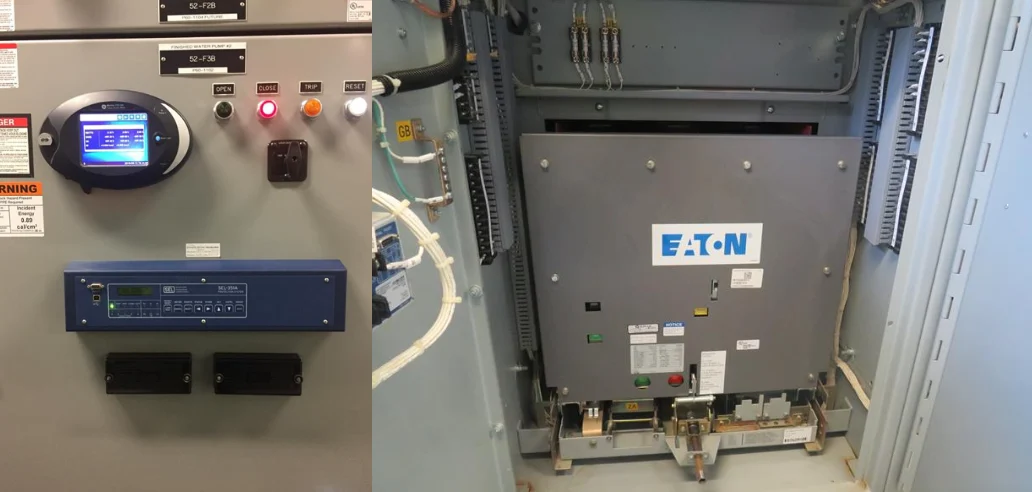
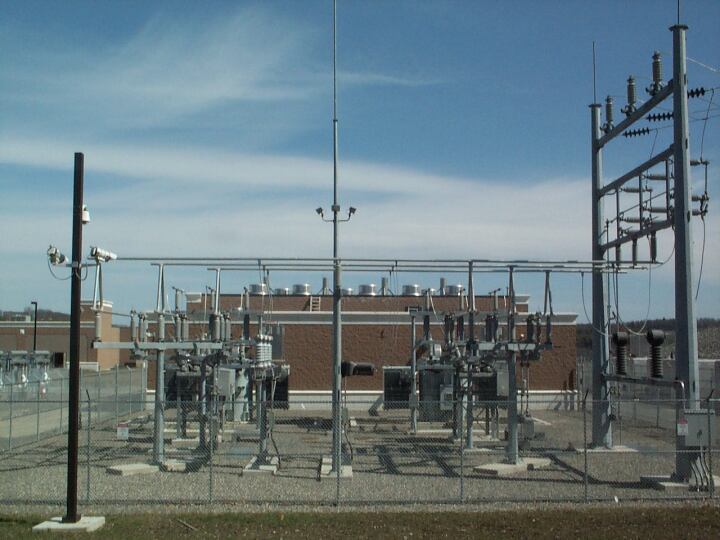
Medium-voltage (MV) systems, ranging from 1 kV to 35 kV, represent the intermediary stage of power distribution. At this scale, protection is not just about safety; it is about grid stability.
A fault in an MV switchgear assembly can lead to a massive arc flash, potentially causing catastrophic damage to infrastructure. Consequently, modern MV protection centers on the Digital Protective Relay. These devices are the "brains" of the substation. They perform real-time monitoring of voltage and current vectors, enabling advanced features like differential protection and directional sensing.
According to industry data from leading power management firms, the transition to digital, communicating relays has reduced unplanned industrial downtime by approximately 22% over the last decade, primarily by allowing for better "predictive" maintenance—identifying deteriorating connections before they actually fail.
Official Perspectives and Industry Implications
The consensus among electrical safety experts is clear: the integration of smart, connected protection devices is the next vital step for grid resiliency.
"The shift toward digitalization in circuit protection is not merely an incremental upgrade; it is a fundamental change in how we manage energy," states one lead engineer at a prominent utility firm. "By utilizing data from our relays, we are moving from a reactive model of ‘waiting for the breaker to trip’ to a proactive model of ‘fixing the circuit before the fault occurs.’"
The implications for this are profound:
- Sustainability: By reducing the incidence of equipment failure, we reduce the carbon footprint associated with manufacturing and replacing high-voltage transformers and switchgear.
- Operational Efficiency: For data centers and industrial manufacturing, the "cost of downtime" is measured in millions of dollars per hour. Intelligent protection ensures that faults are localized, keeping the facility operational.
- Human Safety: With the widespread adoption of arc-fault and ground-fault technologies, the rate of electrical-related injuries continues to see a downward trend, validating the investment in advanced protection technologies.
Conclusion: The Foundation of Our Power-Dependent Future
Circuit protection is the unseen infrastructure of the modern age. It is the silent, vigilant guardian that allows us to plug in, switch on, and innovate without the constant fear of catastrophic failure. As we continue to integrate renewable energy, electric vehicle charging stations, and AI-driven automation into our power grid, the sophistication of these devices must keep pace.
The future of energy is not just about generating more power; it is about managing it with unprecedented intelligence. From the residential breaker box to the utility-scale substation, the robustness of our electrical future is inextricably linked to the technology that keeps it safe. Investing in, understanding, and maintaining these critical systems is not just a regulatory requirement—it is an investment in the reliability and safety of the modern world.