Introduction: The Paradigm Shift in Indoor Air Quality
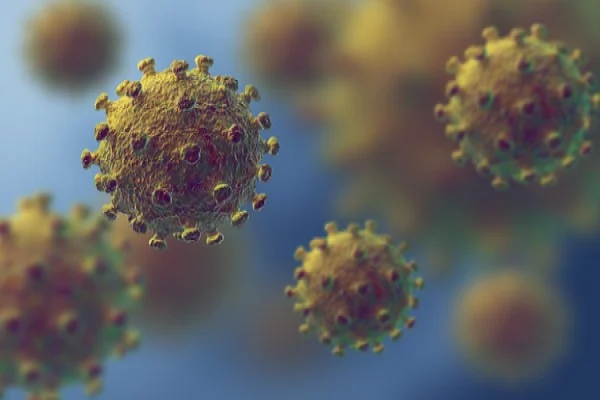
As the global community continues to navigate the complex challenges posed by infectious respiratory diseases—chief among them COVID-19—the scientific and public health consensus has undergone a profound evolution. Early in the pandemic, significant emphasis was placed on surface sanitation and hand hygiene. However, robust accumulation of epidemiological data and aerosol science has cemented an undeniable truth: the primary driver of transmission is airborne.
This realization has thrust Heating, Ventilation, and Air Conditioning (HVAC) professionals, building automation specialists, and facility managers from the background operations of property management into the absolute front lines of public health defense. The mechanical systems responsible for circulating, filtering, and conditioning the air inside our commercial offices, educational institutions, healthcare facilities, and retail spaces are no longer viewed merely through the lens of thermal comfort and energy efficiency. Today, they are recognized as vital public health infrastructure.
Building automation solutions and strategic mechanical interventions are now paramount in reducing viral loads in indoor environments. For facility owners and operators striving to keep their doors open safely, understanding and deploying the right technological interventions can mean the difference between a thriving, secure space and an outbreak epicenter.
Main Facts: The Intersection of HVAC Engineering and Epidemiology
The fundamental physics of indoor air movement dictate that respiratory aerosols—tiny, virus-laden droplets expelled through breathing, talking, coughing, and sneezing—can remain suspended in the air for hours, traveling well beyond the traditional six-foot social distancing threshold in poorly ventilated spaces.
When addressing the airborne nature of pathogens like SARS-CoV-2, HVAC systems serve a dual role: they can either act as vectors that distribute contaminated air throughout a building, or they can be optimized to serve as powerful filtration and dilution mechanisms.
Key mechanical strategies deployed by industry experts include:
- Enhanced Filtration: Upgrading air filters to MERV-13 or higher ratings, capable of capturing microscopic particulate matter and viral aerosols.
- Increased Outdoor Air Exchange: Diluting indoor contaminants by maximizing the introduction of fresh air from the outdoors.
- Targeted Air Disinfection: Integrating upper-room Ultraviolet Germicidal Irradiation (UVGI) and bipolar ionization technologies to neutralize pathogens directly within the airstream or on coil surfaces.
- Demand-Controlled Ventilation (DCV) Adjustments: Overriding energy-saving settings that reduce airflow when buildings are occupied, ensuring constant, high-volume air turnover.
Chronology: How Building Automation Adapted to a Global Crisis
The integration of HVAC strategies into pandemic response protocols did not happen overnight. It represents a rapid, high-stakes evolution in facility management practices that unfolded across distinct phases:
Phase 1: Emergency Response and Lockdown (Early to Mid-2020)
At the onset of the COVID-19 pandemic, buildings worldwide experienced sudden, unprecedented vacancies. Facility managers scrambled to shut down or dial back building automation systems (BAS) to save energy. However, as essential facilities—hospitals, grocery stores, and critical infrastructure—remained operational, immediate guidance was desperately needed. Early reports from health agencies highlighted the danger of stagnant indoor air, prompting initial advisories to simply flush buildings with fresh air before and after occupancy hours.
Phase 2: Consensus and Standardization (Late 2020 to 2021)
As scientific bodies such as the Centers for Disease Control and Prevention (CDC) and the American Society of Heating, Refrigerating and Air-Conditioning Engineers (ASHRAE) formally recognized aerosol transmission, a wave of structured technical guidance was published. ASHRAE established the Epidemic Task Force, providing actionable engineering frameworks. Building automation companies began fielding heavy inquiries regarding how to reprogram automated dampers, upgrade filtration banks without over-taxing fan motors, and implement continuous air-monitoring sensors.
Phase 3: Long-Term Integration and Smart Infrastructure (2022 to Present)
Moving past emergency measures, the industry entered a phase of permanent modernization. Ventilation and indoor air quality (IAQ) transitioned from temporary fixes to core components of asset valuation. Modern building automation systems now feature real-time IAQ dashboards tracking carbon dioxide ($CO_2$) levels as a proxy for ventilation effectiveness, particulate matter (PM2.5), humidity, and volatile organic compounds (VOCs). Facilities have shifted toward a proactive, data-driven posture, ensuring that commercial real estate remains resilient against future epidemiological threats.
Supporting Data: The Metrics of Air Quality and Risk Reduction
To appreciate the necessity of modern HVAC interventions, one must examine the empirical data driving engineering standards.

- The Role of Air Changes per Hour (ACH): Research demonstrates that increasing outdoor air delivery to achieve 4 to 6 air changes per hour drastically reduces the cumulative dose of airborne pathogens a person inhales. In older buildings, baseline ACH numbers often hovered around 1 to 2, leaving occupants vulnerable.
- Filter Efficiency Ratings: Standard MERV-8 filters capture less than 20% of particles in the 0.3 to 1.0-micron range (the size category encompassing most respiratory aerosols). Conversely, MERV-13 filters achieve a minimum efficiency of 50% for those particle sizes, while HEPA (High-Efficiency Particulate Air) filters exceed 99.97%.
- Carbon Dioxide as a Ventilation Proxy: Studies consistently link elevated $CO_2$ levels indoors (above 800 to 1,000 parts per million) with inadequate outdoor air exchange and a correspondingly higher risk of aerosol accumulation. Modern BAS integrations utilize continuous $CO_2$ monitoring to dynamically modulate fresh air intake, ensuring safe thresholds are maintained regardless of occupant density.
Official Responses: Guidance from Health and Engineering Authorities
The formulation of safe building operation protocols relies heavily on the cross-collaboration of public health agencies and engineering societies.
The Centers for Disease Control and Prevention (CDC)
Throughout the pandemic, the CDC has consistently emphasized that improving ventilation is a key component of a multi-layered strategy to reduce the risk of spreading COVID-19 and other infectious diseases. The agency’s guidance stresses that building owners should consult with experienced HVAC professionals to evaluate their existing mechanical systems, verify proper operation, and implement improvements tailored to their specific architectural footprints.
ASHRAE Epidemic Task Force
ASHRAE has served as the premier technical authority during the crisis, issuing core recommendations that have become the gold standard for commercial real estate. Their directives focus on three primary pillars:
- Dilution Ventilation: Increasing outdoor air delivery beyond minimum code requirements where feasible.
- Air Cleaning: Utilizing certified filtration and air-cleaning technologies where increased outdoor air is restricted by climate or system capacity.
- System Operation: Running HVAC systems for longer hours (e.g., 24/7 or extended pre- and post-occupancy purge cycles) to maintain clean air standards continuously.
Implications: The Future of Commercial Real Estate and Facility Management
The profound focus on indoor air quality triggered by COVID-19 carries lasting implications for the building automation and HVAC industries.
1. The Shift in Tenant Expectations
In the post-pandemic commercial real estate market, indoor air quality is no longer invisible. Prospective corporate tenants, retail patrons, and employees actively inquire about building health certifications, filtration standards, and real-time IAQ transparency. Properties that fail to invest in upgraded HVAC and BAS infrastructure risk higher vacancy rates and diminished asset value.
2. Energy Efficiency Versus Public Health
A perennial challenge for building engineers is balancing the energetic cost of conditioning large volumes of outdoor air with the public health imperative of high ventilation rates. Modern building automation technology bridges this gap. By utilizing smart sensors, energy recovery ventilators (ERVs), and demand-controlled ventilation, facilities can achieve high safety standards without triggering prohibitive utility expenses.
3. Holistic Building Health
Ultimately, the lessons learned from managing COVID-19 extend far beyond a single virus. Optimized HVAC systems and advanced building automation provide concurrent benefits: reduced transmission of seasonal influenza and common colds, lower absenteeism, enhanced cognitive function and productivity among occupants due to lower $CO_2$ levels, and better management of indoor allergens and pollutants.
Conclusion and Call to Action
The airborne nature of modern respiratory threats places a heavy responsibility on building owners, facility managers, and HVAC engineering professionals. While the challenges are complex, the technological solutions available today offer an unprecedented ability to make indoor environments incrementally and substantially safer.
Building automation systems (BAS) have proven to be indispensable assets in this mission, allowing for the precise execution of CDC and ASHRAE recommendations, from dynamic ventilation adjustments to real-time air quality tracking.
For property operators seeking to navigate these technical waters, expert partnership is vital. If you or your facility management team require assistance in evaluating your current infrastructure, upgrading filtration, or implementing automated optimization changes specific to your building system, we encourage you to reach out to our team of specialists.
Stay safe, breathe easier, and let us help you engineer a healthier indoor future.