






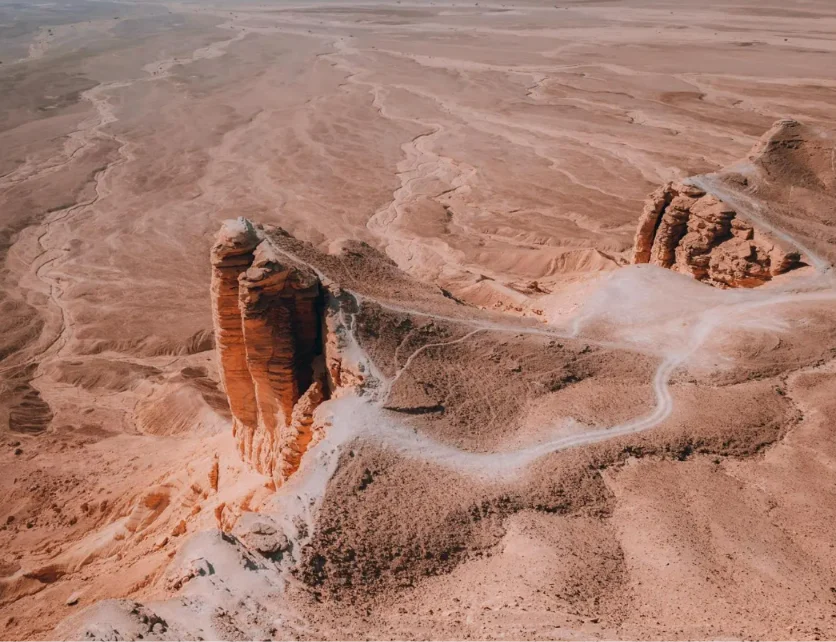
TABUK, SAUDI ARABIA — Nestled in the dramatic landscapes of northwestern Saudi Arabia, the ancient town of Al-Bada’ stands as a silent witness to millennia of human civilization. Long celebrated by historians, archaeologists, and travelers for its breathtaking natural topography and profound historical footprint, Al-Bada’ is currently undergoing a remarkable renaissance. As part of the sweeping transformations spearheaded by Saudi Vision 2030, this historic region is transitioning from a hidden gem of antiquity into a cornerstone of sustainable cultural tourism and economic development.
Positioned strategically within the Tabuk province, Al-Bada’ represents a harmonious convergence of past and future. While preserving the priceless artifacts of bygone eras, the region is embracing modern infrastructure, welcoming global travelers, and establishing itself as a vital node in the Kingdom’s diversified economy.
1. Main Facts: The Crossroads of Civilizations
Al-Bada’ is not merely a geographic location; it is a living museum. Situated approximately 800 kilometers northwest of Riyadh—the nation’s political and financial capital—Al-Bada’ shares deep historical ties with neighboring historical landmarks such as Midian and Maqra.
Key Geographic and Cultural Attributes:
- Strategic Location: Bordered by rugged mountain ranges, fertile valleys, and historic trade routes that once connected the Arabian Peninsula to the Levant and Egypt.
- Archaeological Significance: Home to ancient rock-cut tombs, petroglyphs, and monumental architecture that rival other major heritage sites in the region.
- Economic Integration: Alignment with the broader development goals of the Tabuk region, including the ambitious giga-projects like NEOM, which surround the area with cutting-edge innovation and sustainable development initiatives.
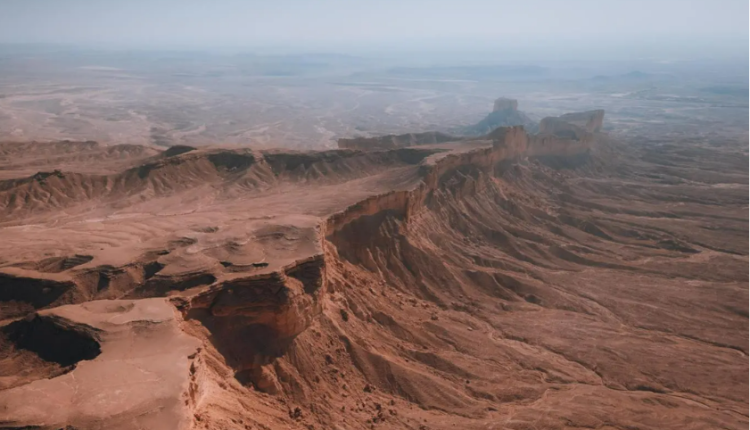
The town’s unique identity is defined by its dramatic sandstone mountains, carved by centuries of wind and water, standing in stark contrast to the deep green oasis valleys that have sustained human life for millennia.

2. Chronology: A Tapestry Spanning Millennia
The history of Al-Bada’ stretches far back into antiquity, serving as a pivotal station along ancient caravan routes.
- Pre-Islamic Era: Al-Bada’ was a flourishing hub for Nabatean and Lihyanite civilizations. Its strategic position along the incense and spice routes made it a vital stop for merchants traveling between the southern Arabian Peninsula and the Mediterranean markets.
- The Nabatean Influence: Archaeological evidence, particularly rock-cut facades reminiscent of those found in Petra, Jordan, highlights the strong architectural and cultural footprint of the Nabateans in the area.
- Islamic Period and Beyond: Throughout the Islamic era, Al-Bada’ maintained its importance as a resting point for pilgrims journeying from the Levant and Egypt toward the holy cities of Mecca and Medina. The historic Hijaz Railway further cemented the region’s connectivity in the late 19th and early 20th centuries.
- The Modern Era (2018–Present): With the launch of Saudi Vision 2030, Al-Bada’ entered a new chapter. The Saudi government recognized the immense potential of the region’s heritage, initiating comprehensive archaeological surveys, infrastructure upgrades, and tourism integration programs.
3. Supporting Data: Infrastructure, Tourism, and Investment
The revitalization of Al-Bada’ is supported by robust quantitative and qualitative metrics that highlight the Kingdom’s commitment to heritage preservation and economic diversification.
- Investment Scale: Billions of riyals have been channeled into the broader Tabuk province to upgrade roads, airports, and digital connectivity, directly benefiting Al-Bada’ and its surrounding tourist attractions.
- Visitor Statistics: Tourism figures in the Tabuk region have experienced exponential growth, with a year-on-year increase in international and domestic travelers visiting historical sites, including Al-Bada’.
- Employment and Local Enterprise: The tourism boom has created hundreds of direct and indirect jobs for local residents, fostering micro-enterprises in hospitality, tour guiding, and traditional handicrafts.
- Sustainability Metrics: Development projects in Al-Bada’ strictly adhere to environmental guidelines, ensuring that the fragile desert ecosystem and archaeological treasures are protected from over-tourism.
4. Official Responses and Stakeholder Perspectives
Government officials, cultural preservationists, and local leaders have expressed profound optimism regarding the future of Al-Bada’.
Voices of Leadership
Local authorities and representatives from the Heritage Commission have emphasized that Al-Bada’ is a vital pillar in the national strategy to diversify the economy away from oil dependency.
"The historical treasures of Al-Bada’ are a national treasure that belongs to humanity," noted a senior official from the Ministry of Tourism. "Our mission is to present these wonders to the world while ensuring their absolute preservation for future generations."
Community leaders in Tabuk have similarly praised the inclusive nature of the development projects. Local residents have been actively involved in shaping the tourism narrative, ensuring that authentic Bedouin traditions, culinary heritage, and local crafts are showcased alongside monumental archaeological wonders.
5. Implications: A Symbol of Saudi Resilience and Cultural Pride
The elevation of Al-Bada’ on the global tourism map carries profound socioeconomic and cultural implications.
Cultural Preservation Meets Economic Growth
For decades, many of Saudi Arabia’s historical treasures remained under-researched and inaccessible to international travelers. By opening Al-Bada’ to the world, the Kingdom is demonstrating a dual commitment: preserving global heritage while building a modern, knowledge-based economy.
Boosting National Identity
The revival of sites like Al-Bada’ fosters a deep sense of national pride among Saudi youth. It connects modern citizens directly to the rich tapestry of civilizations that have crossed the Arabian Peninsula. Furthermore, it positions Saudi Arabia as a premier destination for cultural and archaeological tourism, attracting historians, geologists, and adventure travelers from across the globe.
Sustainable Tourism as a Model
Al-Bada’ serves as a blueprint for sustainable development in fragile environments. By integrating eco-friendly tourism practices, renewable energy solutions, and community-led conservation efforts, the project sets a high standard for future heritage developments across the Middle East.
Conclusion
As the sun sets over the sandstone cliffs of Al-Bada’, casting golden hues across ancient tombs and modern infrastructure alike, the town stands as a powerful metaphor for Saudi Arabia’s broader transformation. It honors the echoes of the past while striding confidently into a prosperous, sustainable future. Al-Bada’ is no longer a hidden secret of the desert; it is a beacon of cultural heritage, welcoming the world to witness the timeless story of human resilience and ingenuity in the heart of Tabuk.