NORTH RIDGEVILLE, Ohio — As summer temperatures continue to climb to punishing highs across Northeast Ohio, a functioning air conditioning system is no longer just a luxury—it is a critical component of household safety and commercial productivity. When an AC unit fails unexpectedly, the immediate fallout involves more than just physical discomfort; it can pose genuine health risks, trigger respiratory flare-ups from poor indoor air quality, and result in escalating utility bills or expensive emergency replacements if minor issues are ignored.
For residents and business owners in North Ridgeville and the surrounding communities, understanding the mechanics of routine HVAC upkeep, recognizing the warning signs of system failure, and knowing when to call professional technicians can mean the difference between a safe, cool summer and a costly breakdown.
The Anatomy of an AC Breakdown: Main Facts and Risks
When an air conditioner refuses to turn on or begins blowing warm air, the disruption can instantly halt daily routines. Industry experts emphasize that HVAC systems operate under immense pressure during peak summer months. Continuous operation accelerates mechanical wear and tear, turning small, unaddressed issues—such as a slightly restricted airflow or a failing capacitor—into total system failures.
Beyond the obvious discomfort, sustained high indoor temperatures carry tangible health risks. Vulnerable populations, including young children, the elderly, and individuals with chronic medical or respiratory conditions, are particularly susceptible to heat-related illnesses such as heat exhaustion and heatstroke when indoor cooling fails.
Furthermore, neglecting early warning signs frequently exacerbates the damage. Much like driving a car with a neglected oil filter, running an air conditioner with clogged filters or strained components forces the entire system to work harder, accelerating internal degradation and driving up electricity consumption.
Chronology of an HVAC Failure: From Minor Glitch to Major Breakdown
Understanding how air conditioning problems typically unfold can help homeowners catch issues before they require expensive emergency interventions.
- Phase 1: Subtle Inefficiencies (Weeks 1–2): The system begins to cycle more frequently than usual. Rooms may feel unevenly cooled, and energy bills start to edge upward. At this stage, filters are often dirty, or minor airflow restrictions have begun.
- Phase 2: Performance Degradation (Weeks 3–4): Air coming from the vents is cool rather than cold. Ice may begin to form on the evaporator coils due to restricted airflow or low refrigerant levels. The thermostat struggles to reach the set temperature, causing the compressor to run continuously.
- Phase 3: Component Strain (Month 2): Overworked electrical components, such as contactors and capacitors, begin to overheat. The blower motor strains against resistance. At this point, strange noises—such as grinding, squealing, or clicking—may become apparent.
- Phase 4: Total System Failure: Overheated parts fail completely, or safety switches trip to prevent a motor burnout. The unit abruptly stops turning on altogether, leaving the home or office entirely vulnerable to outdoor heat waves.
Supporting Data: Why Routine Maintenance Matters
To put the importance of preventative care into perspective, HVAC data consistently demonstrates the direct correlation between regular maintenance and long-term equipment performance:
- Lifespan Expectation: A well-maintained air conditioning system typically lasts between 10 to 15 years. Systems that miss annual tune-ups often fail prematurely, sometimes breaking down past repair in as little as 6 to 8 years.
- Energy Efficiency Impact: According to the U.S. Department of Energy, replacing a dirty air filter can reduce your air conditioner’s energy consumption by 5% to 15%.
- Cost Containment: Emergency after-hours repairs and premature full-system replacements cost significantly more than scheduled annual diagnostic visits and minor tune-ups. Catching a refrigerant leak or replacing a worn capacitor early prevents catastrophic compressor burnout.
Professional Insights: The Value of Certified AC Technicians
While DIY troubleshooting—such as checking circuit breakers and replacing basic air filters—has its place, complex HVAC issues require specialized training and tools. Professional AC technicians play a vital role in restoring and preserving indoor comfort systems.

When certified technicians service a residential or commercial property, they conduct comprehensive diagnostics that go far beyond surface-level fixes. These professionals evaluate:
- Refrigerant Levels: Ensuring there are no leaks and that the charge matches manufacturer specifications to guarantee optimal heat absorption.
- Electrical Integrity: Testing voltage, inspecting wiring, and measuring the performance of capacitors and contactors to prevent electrical fires or sudden motor failures.
- Coil Cleanliness: Inspecting and cleaning evaporator and condenser coils to maintain efficient heat transfer.
- Airflow Dynamics: Measuring blower motor performance and duct integrity to ensure air is being distributed evenly and efficiently throughout the building.
Broader Implications: Health, Efficiency, and Environmental Impact
The repercussions of maintaining—or failing to maintain—an air conditioning system extend far beyond immediate financial costs.
1. Indoor Air Quality and Respiratory Health
A modern air conditioner functions simultaneously as a cooling apparatus and an air filtration system. When filters, ducts, and coils are kept clean, the system traps dust, pollen, pet dander, and other airborne allergens. Conversely, a neglected, damp, or mold-prone AC unit can circulate pollutants throughout a home or office, exacerbating asthma, allergies, and other respiratory ailments.
2. Environmental Responsibility
Energy efficiency is directly tied to environmental conservation. An inefficient, struggling air conditioner draws excessive electricity from the power grid, increasing fossil fuel consumption and contributing to higher carbon emissions. By keeping systems optimized through professional repairs and tune-ups, property owners minimize their carbon footprint while enjoying lower utility bills.
3. Commercial Productivity and Workplace Comfort
In commercial settings, a broken or inefficient air conditioning system can severely disrupt business operations. Uncomfortable indoor temperatures lead to decreased employee focus, fatigue, and lower overall productivity. For retail businesses, sweltering indoor conditions can quickly drive customers away. Timely commercial AC maintenance protects the bottom line by ensuring an inviting, comfortable environment for staff and clients alike.
Actionable AC Maintenance Tips for Homeowners
To bridge the gap between professional service appointments, homeowners in North Ridgeville can adopt several proactive habits to keep their cooling systems running smoothly:
- Inspect and Replace Air Filters Monthly: Check your air filters every 30 days during peak cooling season. Swap them out immediately if they appear grey, dusty, or clogged to maintain unobstructed airflow.
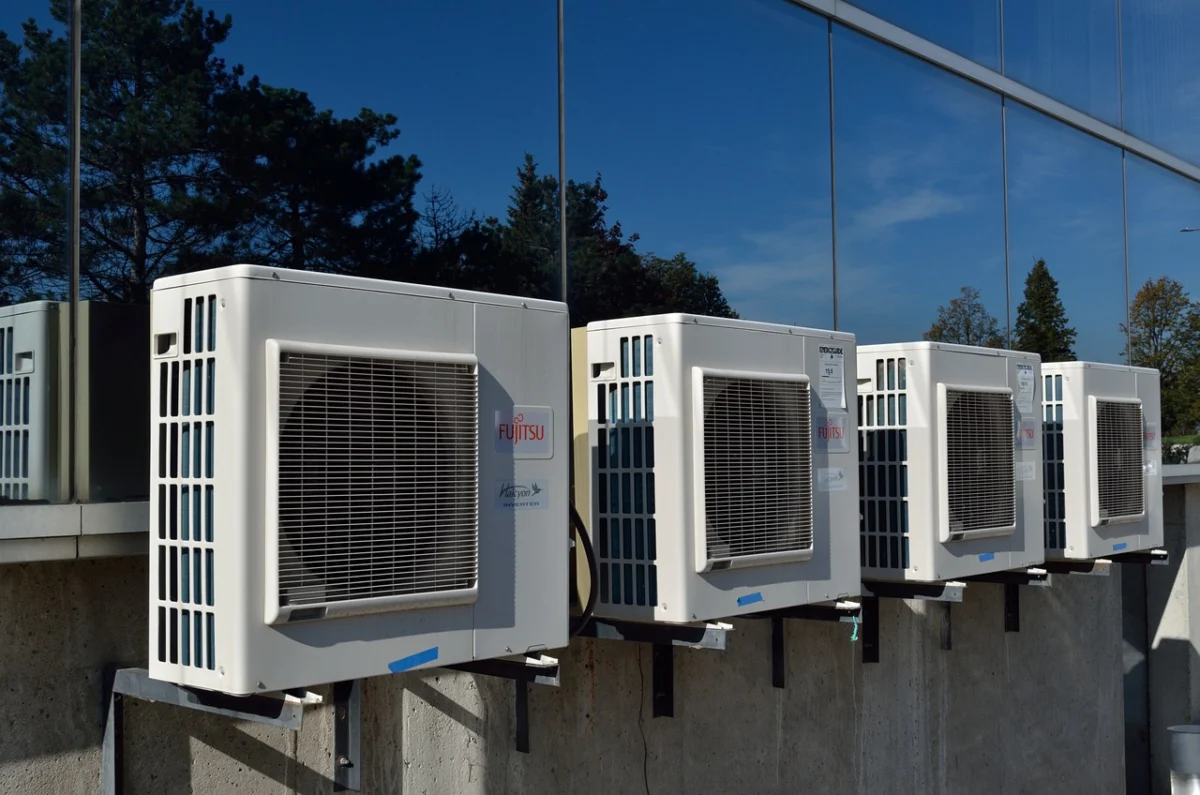
- Clear Outdoor Condenser Debris: Maintain a clear perimeter of at least two feet around your outdoor compressor unit. Remove fallen leaves, overgrown grass, twigs, and accumulated dirt that could restrict airflow.
- Monitor Thermostat Settings: Avoid dramatic temperature swings. Utilize programmable or smart thermostats to maintain steady, energy-efficient temperatures when you are home and away.
- Keep Vents Unobstructed: Ensure that rugs, furniture, curtains, or storage boxes are not blocking supply and return air vents inside your living spaces.
- Schedule Annual Tune-Ups: Arrange for a professional HVAC inspection in the spring, before summer heat waves set in, to catch minor issues before they escalate.
Securing Expert AC Repair Service in North Ridgeville
When the heat becomes unbearable and your cooling system lets you down, waiting to address the issue is never a viable option. Whether you are dealing with weak airflow, lukewarm output, strange mechanical noises, or a complete failure to power on, prompt intervention is essential.
Local homeowners and business owners dealing with air conditioning troubles can rely on experienced, professional technicians to diagnose and resolve cooling issues quickly. By investing in timely repairs, comprehensive maintenance, and expert guidance, you can restore comfort, protect your equipment, and ensure your indoor environment remains a cool sanctuary all summer long.