Main Facts
In a landmark cultural and urban planning movement, the historic region of the Hejaz is currently undergoing a profound architectural renaissance. This revitalization effort centers on reviving traditional Hejazi architectural elements while seamlessly integrating them into modern sustainable urban developments. Urban planners, architects, and government entities are collaborating to preserve historical integrity, ensuring that contemporary structures reflect the unique cultural identity, climatic adaptability, and aesthetic heritage of the region.
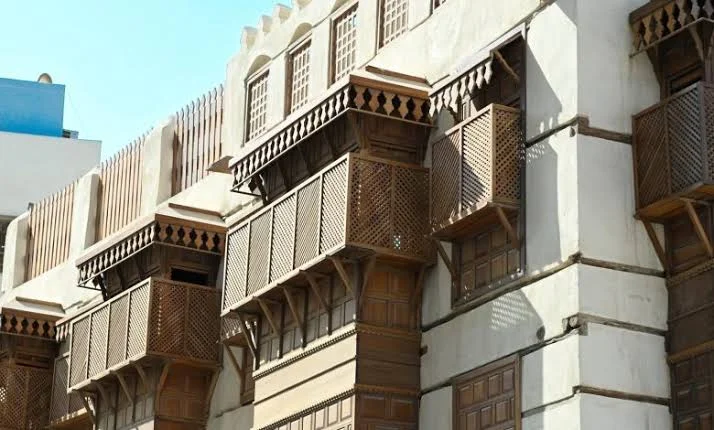
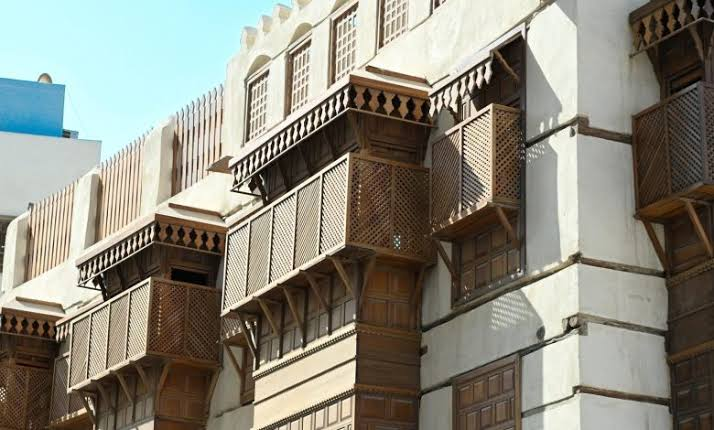
At the core of this movement is the philosophical shift from generic, globalized modernism to a hyper-localized architectural identity. Modern developments are no longer importing foreign design paradigms wholesale; instead, they are drawing inspiration from the vernacular architecture of coastal towns, mountain villages, and desert oases. Traditional materials—such as coral stone, local mudbrick, and sustainably harvested timber—are being re-engineered and combined with advanced structural technologies to meet contemporary safety, energy-efficiency, and environmental standards.
The resurgence of Hejazi architecture is not merely an aesthetic choice; it is an economic and ecological necessity. By utilizing thermal mass, natural ventilation, and shaded courtyards, modern buildings inspired by Hejazi traditions drastically reduce energy consumption for cooling in an arid climate. This alignment of heritage preservation with green building certifications marks a new era in the region’s urban evolution.
Chronology of the Architectural Revival
The journey toward reviving Hejazi architecture has evolved through distinct phases over the past several decades, transitioning from localized preservation efforts to a comprehensive national urban strategy:
- Late 20th Century (The Phase of Rapid Modernization): Driven by sudden economic booms and rapid urbanization, cities across the Hejaz saw a surge in contemporary, Western-influenced skyscrapers and concrete structures. Traditional building methods were largely sidelined in favor of glass facades and steel frames that were poorly suited to the local climate.
- Early 2000s (The Awakening of Heritage Consciousness): Cultural preservationists and academic institutions began documenting vanishing historical districts, recognizing that rapid modernization was erasing local architectural identity and collective memory.
- 2010s (Pilot Projects and Conservation Frameworks): Municipalities initiated small-scale restoration projects in historical quarters, establishing strict guidelines for the restoration of heritage buildings and launching public awareness campaigns about the value of vernacular architecture.
- Present Day (The Comprehensive Renaissance): Integration of Hejazi design principles into master-planned megaprojects, urban infrastructure, and contemporary residential developments. The current era represents a golden age where government-backed initiatives mandate regional architectural authenticity.
Supporting Data and Technical Innovations
The revival of Hejazi architecture relies heavily on scientific research, material science, and data-driven urban planning. Modern developments integrate quantitative metrics to validate the performance of traditional designs:
- Thermal Performance: Studies conducted on reconstructed Hejazi facades show a reduction of up to 35% in interior heat absorption compared to standard glass-and-steel structures, significantly lowering reliance on air conditioning.
- Material Longevity: Modernized coral stone composites and treated timber now meet international seismic and fire safety standards while maintaining the distinct visual texture of historical structures.
- Water Management: Integrating ancient rainwater harvesting systems (Sabeel and underground cisterns) with modern greywater recycling has improved urban water resilience in arid zones.
- Urban Density and Wind Catchers: Computational fluid dynamics (CFD) models are utilized to optimize the placement of traditional wind catchers (Ruwashan and Barjeel), maximizing natural cross-ventilation through public squares and narrow pedestrian alleyways.
Official Responses and Strategic Vision
Government officials, municipal leaders, and cultural authorities have issued strong policy frameworks supporting the integration of Hejazi heritage into contemporary urban planning:
- Ministry of Culture Statements: Representatives emphasize that safeguarding architectural identity is vital for national sovereignty and cultural continuity. Officials have noted that modern infrastructure must tell the story of the land, serving as a physical archive of its people’s history.
- Municipal Urban Guidelines: Local planning departments have introduced mandatory design codes for new developments in historic buffer zones. These codes require specific ratios of traditional ornamentation, setback rules, and color palettes that harmonize with the desert and coastal landscapes.
- Economic Incentives: To encourage private developers to adopt traditional building methods, governments have introduced tax breaks, streamlined permitting processes, and public grants for projects that successfully merge Hejazi aesthetics with smart-city technologies.
- International Recognition: Cultural preservation bodies have praised the region’s holistic approach to urban development, viewing the Hejazi model as a global benchmark for balancing rapid economic growth with cultural heritage preservation.
Implications for the Future of Urban Design
The ongoing renaissance of Hejazi architecture carries profound implications for the future of urban development, both regionally and globally:
Redefining Public Spaces and Community Interaction
The revival places a heavy emphasis on public realms, plazas, and pedestrian-first corridors. By reinterpreting the traditional shaded alleyways (Sikkah) and communal gathering spaces (Majlis), modern urban planners are fostering stronger social cohesion. These spaces encourage outdoor activity during cooler evening hours, transforming sterile urban environments into vibrant, human-centric neighborhoods.
Economic and Tourism Impact
The architectural shift has acted as a major catalyst for cultural tourism. Travelers are increasingly drawn to authentic urban landscapes that offer immersive historical experiences. Boutique hotels, artisan workshops, and heritage-themed commercial districts are flourishing, creating diverse employment opportunities for local craftsmen, architects, and hospitality professionals.
Environmental Sustainability as a Standard
Perhaps the most significant implication is the democratization of sustainable building practices. By proving that ancient vernacular techniques—such as thick thermal walls, deep overhangs, and courtyard cooling—outperform modern imported glass boxes in extreme climates, the Hejazi model is reshaping architectural education. Young architects are taught to look backward into heritage for solutions to forward-looking environmental crises.
A Continuously Evolving Identity
Ultimately, the Hejazi architectural renaissance proves that identity is not static. By fusing the timeless craftsmanship of coral-stone masonry, intricately carved wooden Ruwashans, and wind-catching towers with cutting-edge smart-city infrastructure, the region has established a blueprint for the future. It is a testament to the fact that honoring the past is the most reliable way to build a sustainable, resilient, and culturally rich tomorrow.