Industry Insights — As global manufacturers race to modernize their facilities through digital transformation (DX) initiatives, the spotlight has traditionally fallen on high-level software, cloud analytics, and enterprise resource planning systems. However, a quiet revolution is happening at the very heart of manufacturing: the physical layer of motion control.
According to Joaquin Ocampo, a veteran product manager with more than 25 years of experience at Bosch Rexroth specializing in advanced drive technology, traditional centralized control cabinets are increasingly giving way to a decentralized, cabinet-free future. By mounting robust, highly integrated drives directly onto or adjacent to machine motors, industrial facilities are unlocking unprecedented levels of spatial efficiency, modular flexibility, and energy conservation.
Main Facts: What is Cabinet-Free Automation?
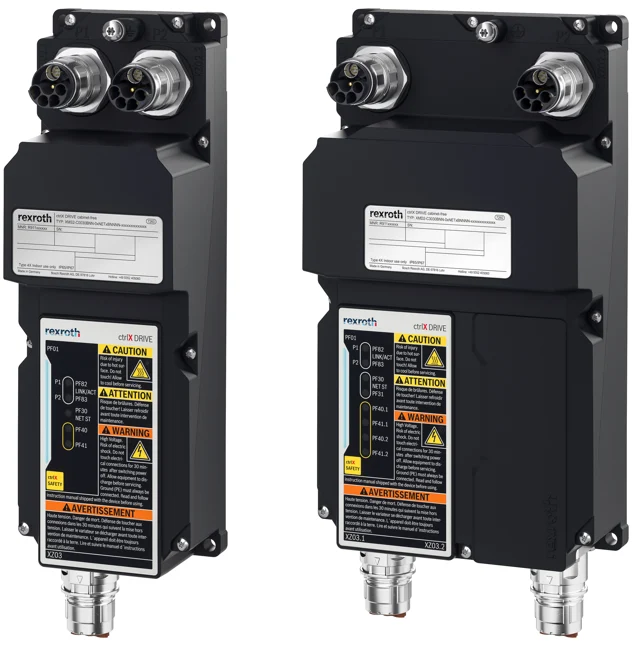
At its core, cabinet-free automation involves moving power-supplying motion components out of centralized, climate-controlled enclosures and placing them directly onto the machine structure. These specialized drives are typically ruggedized to IP65/67 ratings, allowing them to withstand harsh industrial environments exposed to dust, moisture, and vibration.
Instead of routing dozens of individual power, control, and feedback wires through extensive cable trays back to a distant cabinet, cabinet-free setups leverage standardized hybrid cables. A single or double hybrid cable bundles conductors for power, data, and safety signals into a unified line.
This technological leap builds upon the foundational principles of older decentralized drive configurations. However, modern iterations benefit from advanced materials—such as silicon carbide semiconductors—and vastly improved thermal management, eliminating the need for bulky enclosures altogether.
Chronology: From Siloed Enclosures to Decentralized Freedom
To understand the significance of the cabinet-free movement, it helps to examine the chronological evolution of machine control architectures over the past several decades:
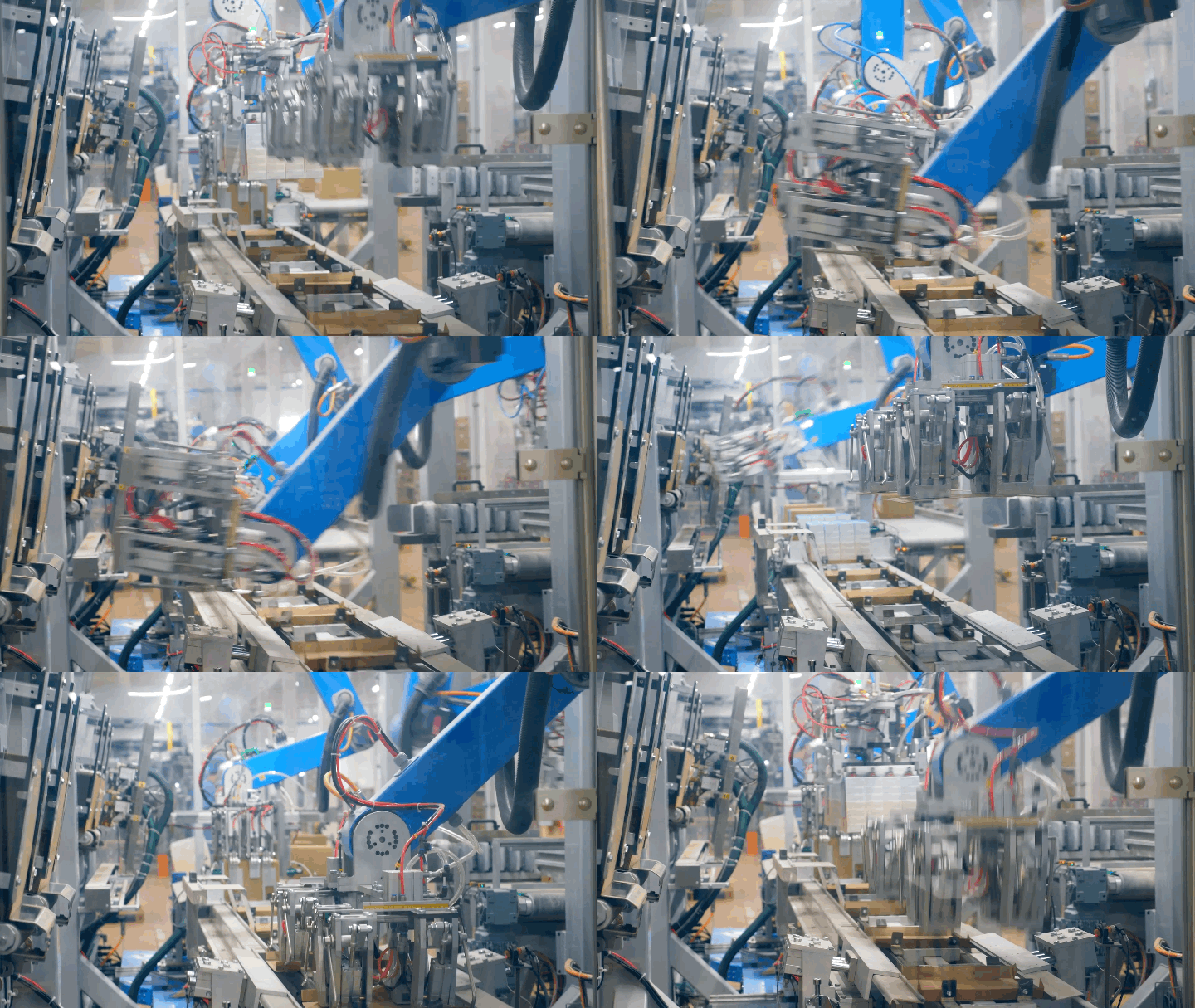
- The Era of Centralized Control (Late 20th Century): For decades, industrial automation relied heavily on large, centralized control cabinets. Every drive, PLC, power supply, and relay was housed indoors or within protective enclosures away from the actual workcell. While this protected sensitive electronics from the harsh factory floor, it required massive amounts of copper cabling, extensive installation labor, and dedicated floor space.
- The Advent of Distributed Systems (Early 2000s): As machinery grew more complex, engineers recognized the limitations of running endless cable bundles. This realization sparked the first wave of decentralized or distributed drive setups. While these early versions reduced some wiring overhead, they were often limited in power density and required supplemental protective housings.
- The Push for Digital Transformation (2010s–2020s): With the arrival of Industry 4.0, manufacturers began demanding deeper data insights, greater agility, and predictive maintenance capabilities. Siloed, fixed machine architectures proved too rigid to support rapid product lifecycle shifts.
- The Modern Cabinet-Free Paradigm (Present Day): Today, advancements in semiconductor physics and ruggedized manufacturing have birthed true cabinet-free automation. Drives can now handle multiple axes locally—such as handling up to two 30A outputs on a single compact unit—enabling high-performance motion control without the traditional spatial footprint.
Supporting Data and Operational Benefits
For plant managers and production engineers tasked with optimizing plant layouts, the shift toward cabinet-free architecture delivers quantifiable advantages across three primary pillars: spatial efficiency, modular adaptability, and energy optimization.
1. Reclaiming Factory Floor Real Estate
Real estate costs continue to rise globally, forcing manufacturing facilities to maximize output within shrinking footprints. Centralized control cabinets consume valuable factory floor space that could otherwise house productive machinery or safety walkways.
By eliminating the cabinet entirely and mounting drives directly onto the machine, operators free up significant square footage. Furthermore, slashing the sheer volume of physical cabling reduces the number of vulnerable connection points. Loose or faulty wiring is a leading cause of intermittent machine downtime; streamlined hybrid cabling drastically minimizes these risks while lowering installation and material costs.
2. Unlocking Scalable Modularity
In traditional manufacturing setups, drives and control cabinets are permanently engineered for a singular, fixed machine purpose. If a manufacturer needed to scale production or adapt to sudden market shifts, expanding operations often required building an entirely new machine line—a costly and time-consuming endeavor.
Modern cabinet-free drives break this mold. Because they are decentralized and frequently support multi-axis control on a single compact module, machines can be easily reconfigured, expanded, or broken down into modular workcells. Plant engineers can add functional modules without needing to redesign or replace an overarching drive cabinet.
3. Energy Savings and Thermal Management
Sustainability is no longer just an environmental talking point; it is a critical component of operational expenditure. Traditional control cabinets generate immense heat from internal drives and motors, necessitating energy-intensive air conditioning systems to prevent thermal overloads.

Cabinet-free architectures decentralize thermal generation. By spreading components across the machine, heat is naturally dissipated into the ambient factory environment rather than concentrated in a localized box.
Crucially, the integration of silicon carbide (SiC) semiconductors has changed the game. Compared to traditional Insulated-Gate Bipolar Transistor (IGBT) technology, SiC semiconductors drastically reduce energy switching losses. This allows for physically smaller drives that generate significantly less heat, enabling manufacturers to precisely calibrate power consumption and eliminate wasteful energy overhead.
Official Responses and Industry Perspective
According to industry leaders like Bosch Rexroth, transitioning away from traditional paradigms requires careful consideration, but the long-term rewards far outweigh the initial learning curve.
Joaquin Ocampo emphasizes that migration does not need to happen overnight. For organizations hesitant to overhaul proven production lines, an incremental transition is often the most prudent strategy:
"Some manufacturers incrementally transition to a cabinet-free motor-drive setup. After all, it can be daunting to phase out standard and proven control-cabinet installs when productivity can’t be compromised. That’s why testing out cabinet-free setups on an isolated workcell can sometimes work best — as that lets end-users see the impact on a smaller scale before wholesale migration."
This methodical approach allows engineering teams to validate reliability, measure energy savings, and train maintenance personnel on decentralized diagnostics without risking factory-wide downtime.
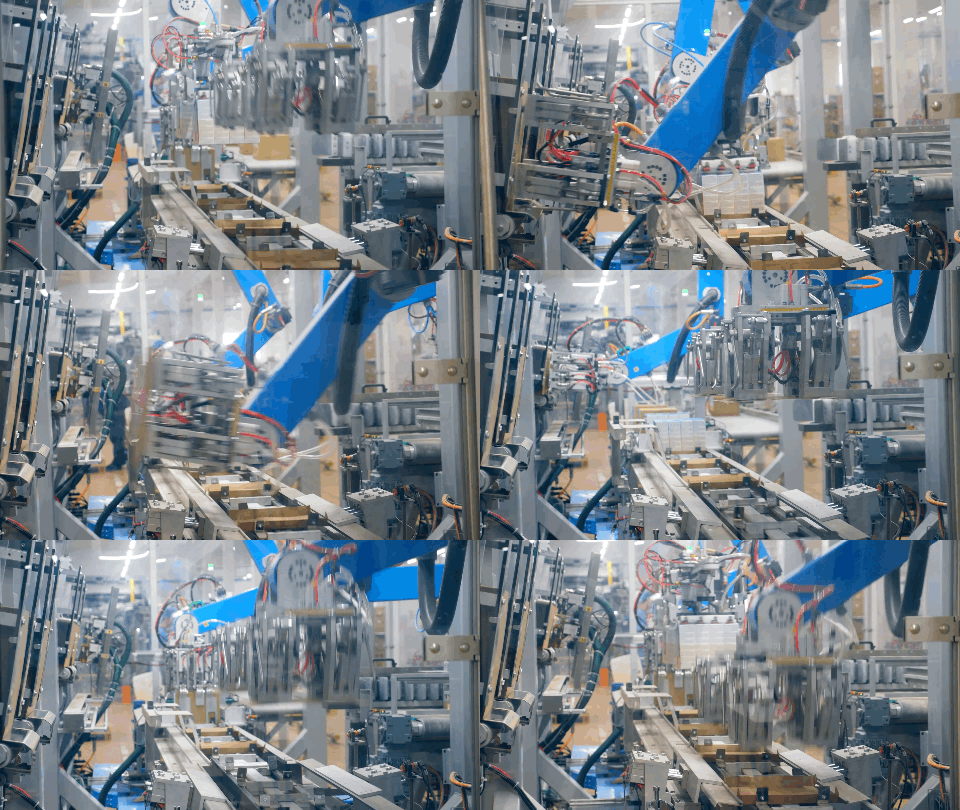
Implications for the Future of Discrete Automation
The mainstream adoption of cabinet-free drives signals a broader transformation in how discrete automation is conceptualized, designed, and maintained.
As machines become more intelligent, modular, and self-contained, the traditional boundaries separating IT infrastructure from operational technology (OT) continue to blur. Maintenance technicians equipped with handheld smart devices can interface directly with localized drives via standardized protocols, diagnosing issues at the motor level rather than tracing complex wiring harnesses back to a distant wall of cabinets.
Ultimately, cabinet-free discrete automation represents a shift toward leaner, more agile manufacturing ecosystems. By stripping away unnecessary physical infrastructure—such as massive enclosures, miles of copper wire, and power-hungry cooling units—manufacturers can build factories that are not only cheaper to operate and maintain, but vastly more responsive to the unpredictable demands of the modern global market.