As global manufacturers race to modernize their facilities under the banner of digital transformation (DX), the evolution of factory floors extends far beyond software and cloud-based analytics. The foundational hardware driving physical production—motors and drives—is undergoing a quiet yet profound revolution. Traditional, centralized control cabinets housing rows of complex drives and miles of wiring are steadily giving way to a decentralized, highly streamlined approach: the rise of cabinet-free discrete automation.
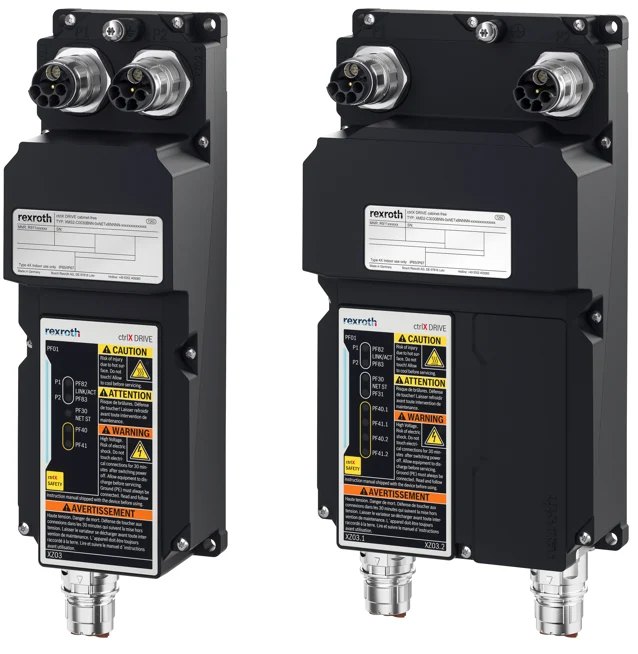
Drawing on decades of distributed drive concepts, modern cabinet-free technology mounts power-supplying motion components directly on or immediately adjacent to the machine. Engineered with ruggedized, high-ingress protection ratings (such as IP65/67) to withstand harsh industrial environments, these advanced drives eliminate the need for traditional, climate-controlled enclosures. By utilizing standardized hybrid cabling that bundles power, data, and safety signals into one or two lines, this architectural shift is redefining how smart factories are designed, built, and operated.
Main Facts: The Anatomy of Cabinet-Free Automation
At its core, cabinet-free automation shifts motion control from centralized electrical enclosures into the immediate physical environment of the machine. According to Joaquin Ocampo, Product Manager at Bosch Rexroth, this evolution allows manufacturers to dramatically boost machine responsiveness, flexibility, and overall productivity.
Key structural and technical characteristics of cabinet-free drives include:
- Direct Machine Mounting: Drives are secured directly on or near the motor, drastically shortening the physical distance between the control element and the actuation point.
- Ruggedized Enclosures: Built to IP65/67 standards, these units resist dust, moisture, and vibration, allowing them to operate reliably outside the protective barrier of a steel cabinet.
- Consolidated Cabling: The reliance on bulky, multi-conductor wiring harnesses is replaced by streamlined hybrid cables handling power, communications, and safety simultaneously.
- Multi-Axis Capabilities: Advanced compact units can manage multiple axes on a single drive—such as dual 30A outputs—enabling operators to power multiple motors efficiently from a single decentralized point.
- Advanced Semiconductor Integration: Modern cabinet-free systems frequently leverage silicon carbide (SiC) semiconductors rather than traditional Insulated-Gate Bipolar Transistors (IGBTs), resulting in smaller physical footprints and significantly reduced heat generation.
Chronology: From Centralized Enclosures to Decentralized Freedom
To understand the significance of the cabinet-free movement, it is helpful to trace the chronological evolution of industrial control architectures over the past several decades.
Era 1: Centralized Control (Late 20th Century)
Historically, industrial automation relied heavily on massive, centralized control cabinets. Every drive, PLC, power supply, and terminal block was housed inside large steel enclosures placed at a distance from the actual machinery. While this protected sensitive electronics from factory floor hazards, it required extensive runs of individual wires, necessitated complex routing pathways, and consumed massive amounts of valuable floor space.
Era 2: The First Wave of Decentralization (Early 2000s)
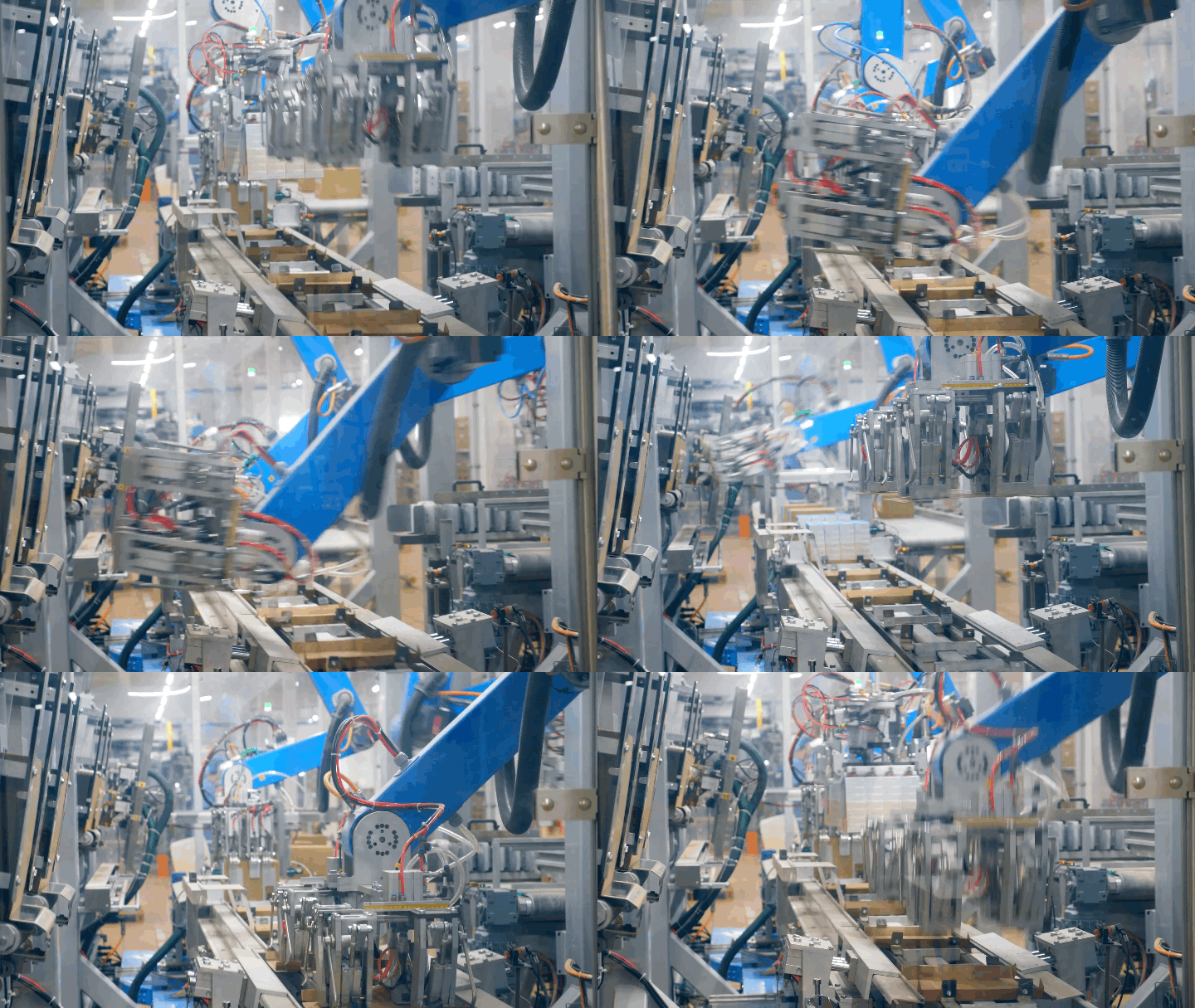
As modular machine building gained traction, engineers recognized the inefficiencies of routing hundreds of wires back to a central hub. This realization spurred the first wave of distributed or decentralized drive setups. However, early distributed solutions often faced limitations in ruggedness, standardization, and thermal management, meaning that while some components moved closer to the machine, cabinets remained a dominant fixture of industrial architecture.
Era 3: The Modern Cabinet-Free Revolution (Present Day)
Driven by advancements in materials science, miniaturization, and industrial networking protocols, contemporary automation has ushered in truly cabinet-free architectures. Today’s drives are robust enough to withstand the direct elements of the factory floor. Combined with breakthroughs in silicon carbide power electronics and standardized hybrid connectivity, manufacturers can now eliminate control cabinets altogether, marking a milestone shift in discrete manufacturing design.
Supporting Data and Operational Benefits
The migration toward cabinet-free automation is not merely an aesthetic preference for cleaner factory floors; it is backed by compelling operational, financial, and spatial metrics.
1. Spatial Optimization and Real Estate Savings
Real estate costs within industrial manufacturing hubs have risen sharply. Floor space translates directly to overhead expenditure. By removing physical control cabinets, factories reclaim square footage that can be repurposed for additional production lines, raw material staging, or safety clearance zones.
Furthermore, eliminating the cabinet radically cuts down the volume of required cabling. Fewer wires mean less weight, simpler cable management tracks, and a drastically reduced risk of human error during assembly and maintenance. Fewer connection points inherently translate to fewer potential points of failure, such as loose terminals or intermittent wiring faults.
2. Thermal Management and Energy Efficiency
Energy consumption remains a critical component of operational expenditure and corporate sustainability goals. Traditional control cabinets require dedicated air conditioning or forced-air cooling systems to dissipate the immense heat generated by densely packed drives and power supplies.

Cabinet-free architectures distribute thermal loads naturally across the machine frame. When coupled with silicon carbide (SiC) semiconductors, energy losses are slashed compared to legacy IGBT technology. SiC components operate at higher efficiencies and generate significantly less waste heat, allowing manufacturers to optimize power delivery precisely where it is needed without running power-hungry cooling units.
Official Perspectives: Industry Insights from Bosch Rexroth
As manufacturers weigh the complexities of transitioning away from proven legacy systems, industry leaders emphasize the strategic necessity of modernization. Joaquin Ocampo of Bosch Rexroth highlights that the drive toward cabinet-free technology is deeply intertwined with the broader goals of digital transformation and lean manufacturing.
"Manufacturers looking to optimize operations are increasingly leveraging control technologies that can identify and address weaknesses," notes Ocampo. "These emphasize digitalized connectivity for so-called digital-transformation initiatives that yield greater insights through data. But motors and drives—the heart of motion within manufacturing—have evolved, too."
Ocampo points out that consolidation is no longer just a novel engineering concept; it is an operational requirement. As operators are tasked with maximizing output within constrained footprints, modularity and space-efficient equipment have taken center stage. By utilizing drives capable of managing multiple axes efficiently, plants can scale their operations rapidly in response to volatile market demands without redesigning entire electrical enclosures.
Implications for the Future of Manufacturing
The widespread adoption of cabinet-free discrete automation carries profound implications for machine builders, system integrators, and end-users alike.
Modular Machine Building
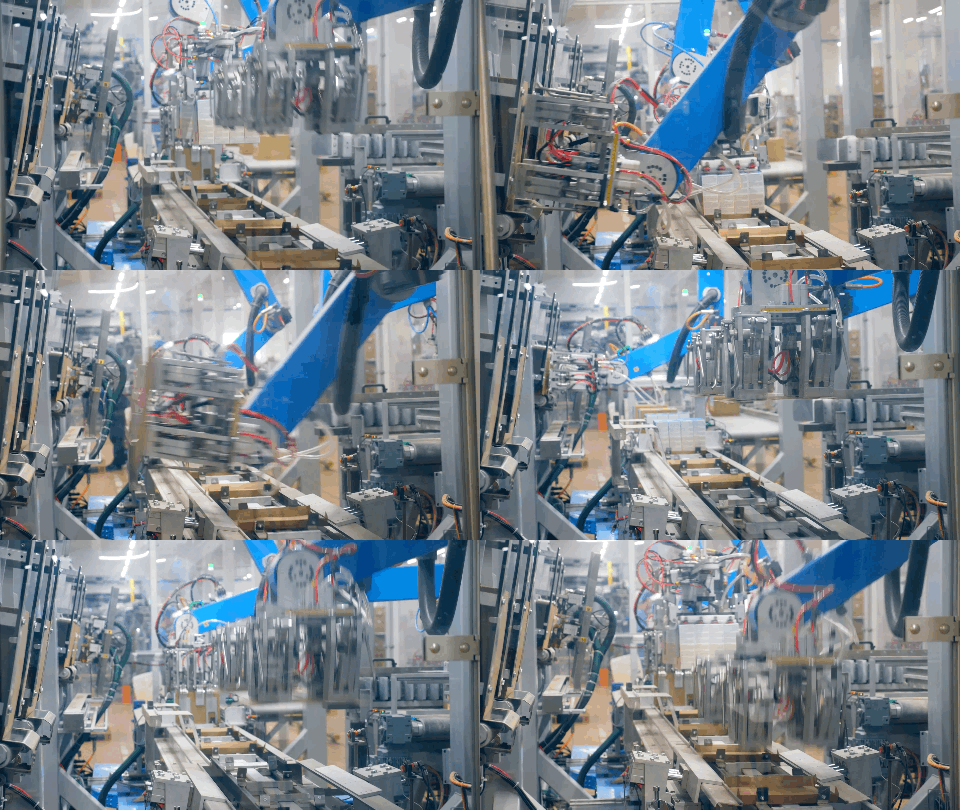
Machine builders can design modular, skid-based systems that are far easier to ship, install, and commission. Because individual machine modules can carry their own decentralized drives and intelligence, final assembly on the customer’s factory floor becomes a matter of "plug-and-play" mechanical and digital interconnection rather than weeks of hard-wiring control cabinets.
Phased Migration Strategies
Despite the clear advantages, phasing out decades of standardized, proven control-cabinet methodologies can appear daunting to plant managers. Production continuity cannot be compromised for the sake of modernization. Consequently, industry experts recommend incremental adoption strategies.
Manufacturers frequently begin by testing cabinet-free setups on an isolated workcell or a single auxiliary machine module. This allows engineering teams to evaluate reliability, performance, and maintenance requirements on a manageable scale before committing to a wholesale plant-wide migration.
The Lean, Agile Factory
Ultimately, cabinet-free automation acts as an enabler for the agile factory of the future. By removing the physical constraints of centralized electrical rooms and bulky cabinets, manufacturers gain the freedom to reconfigure production lines dynamically. As global markets continue to demand faster product lifecycles and hyper-customization, the flexibility afforded by decentralized, cabinet-free motion control will transition from a competitive edge to an industry-standard baseline.