Main Facts
In the high-stakes world of modern live entertainment, the boundary between technical precision and artistic illusion continues to dissolve. Whether it is a massive LED wall gliding seamlessly across a concert stage, heavy scenic elements transforming during a rapid set change, or an aerial artist suspended safely above a theater audience, contemporary live performances depend heavily on advanced motion control.
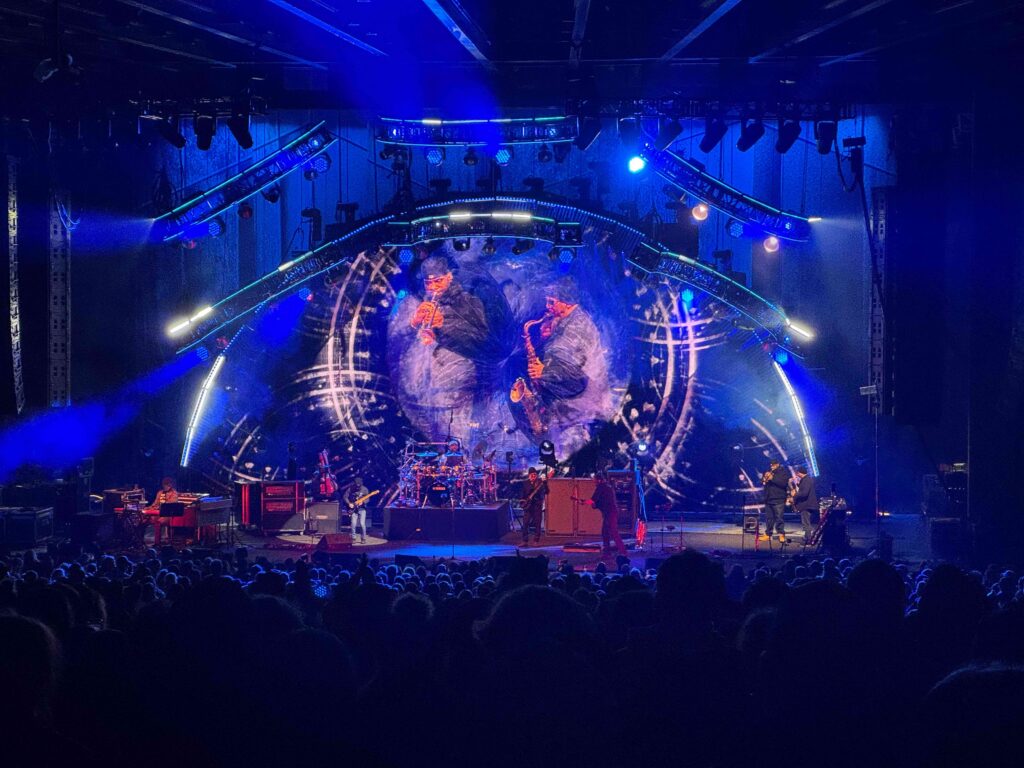
At the center of this engineering niche is Creative Conners, an industry leader that designs and manufactures modular stage machinery, standardized control hardware, and intuitive software. The company serves an extraordinarily diverse client base, ranging from regional high school theaters and community performing arts centers to major touring productions for world-renowned acts like the Dave Matthews Band and global spectacles like Cirque du Soleil.
To power its flagship control ecosystem, Creative Conners recently integrated the Magellan MC58113 motion control integrated circuit (IC) from Performance Motion Devices (PMD). This strategic hardware upgrade resolved legacy supply chain vulnerabilities, expanded the functional capabilities of the company’s standardized "Stagehand" controller boards, and introduced sophisticated motion profiles—such as asymmetric acceleration and absolute encoder support—without sacrificing the approachable, modular philosophy that defines the Creative Conners brand.
Chronology: From Legacy Limitations to Next-Generation Control
The Foundation of Creative Conners
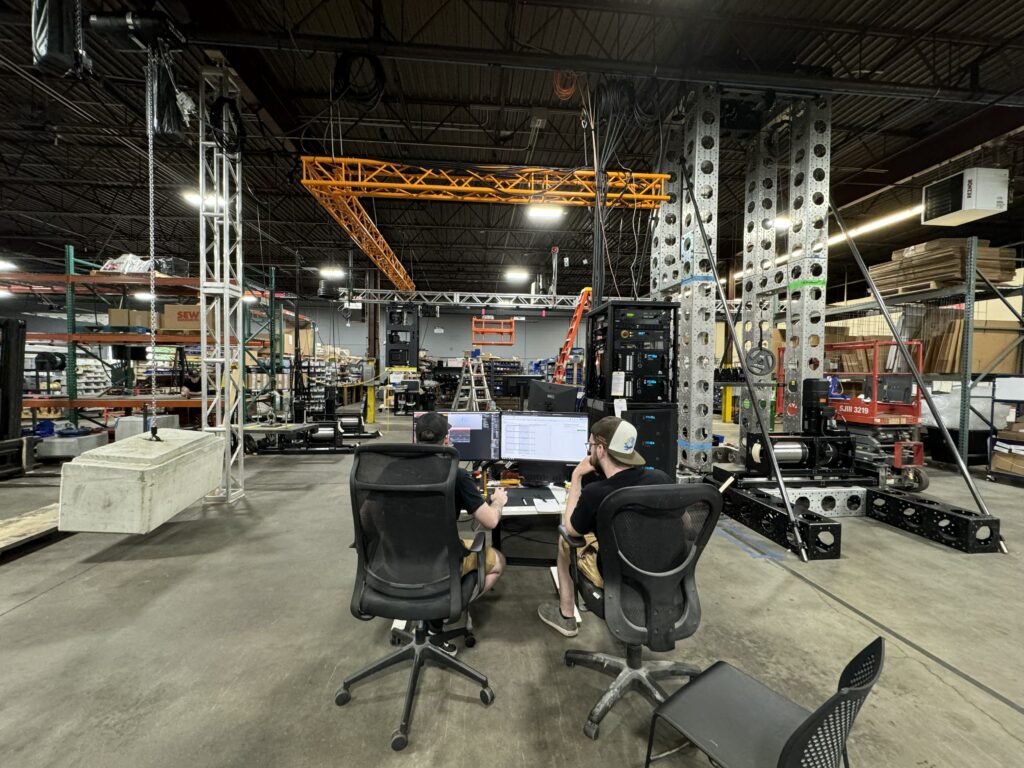
Founded on the principle of making stage automation accessible to productions of all sizes, Creative Conners adopted a vertically integrated business model. Rather than forcing production crews to cobble together disparate industrial automation components, the company engineered a unified ecosystem.
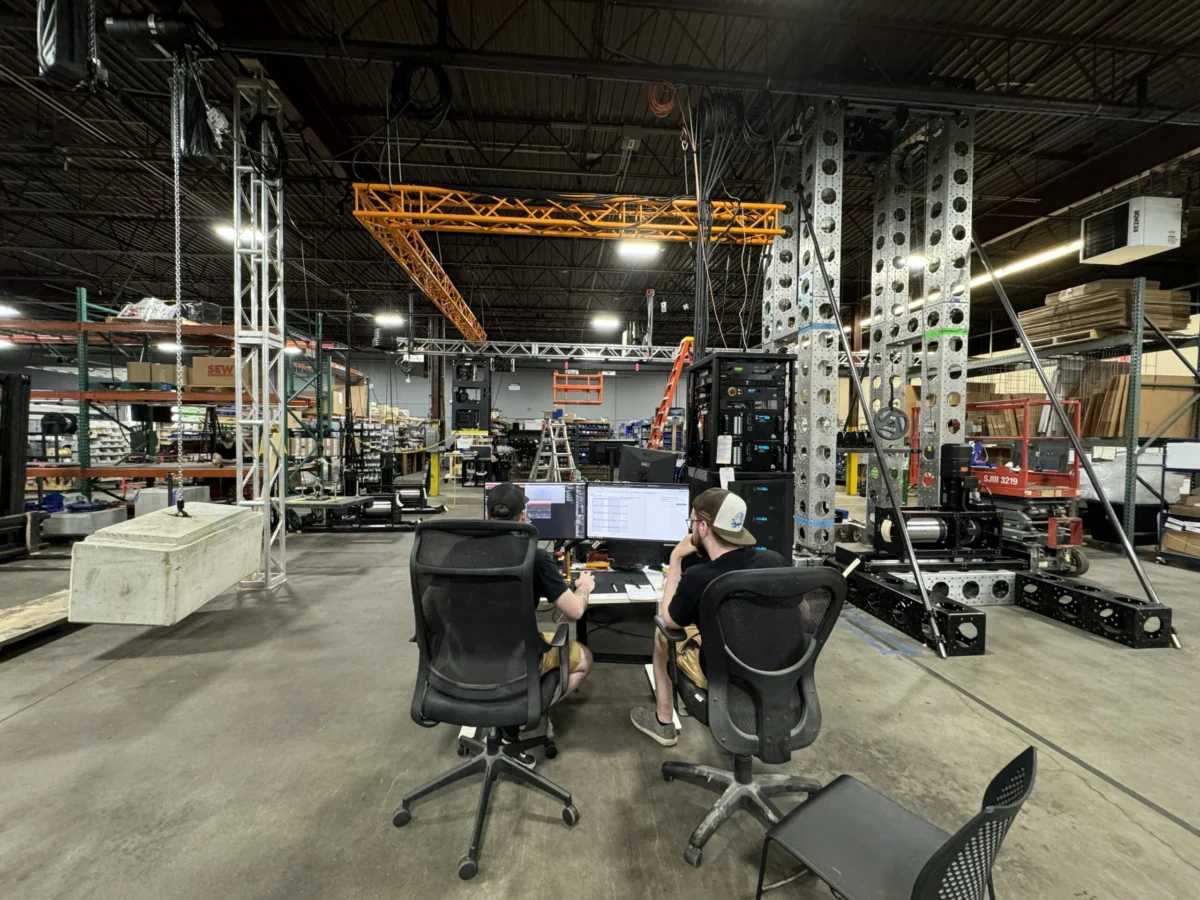
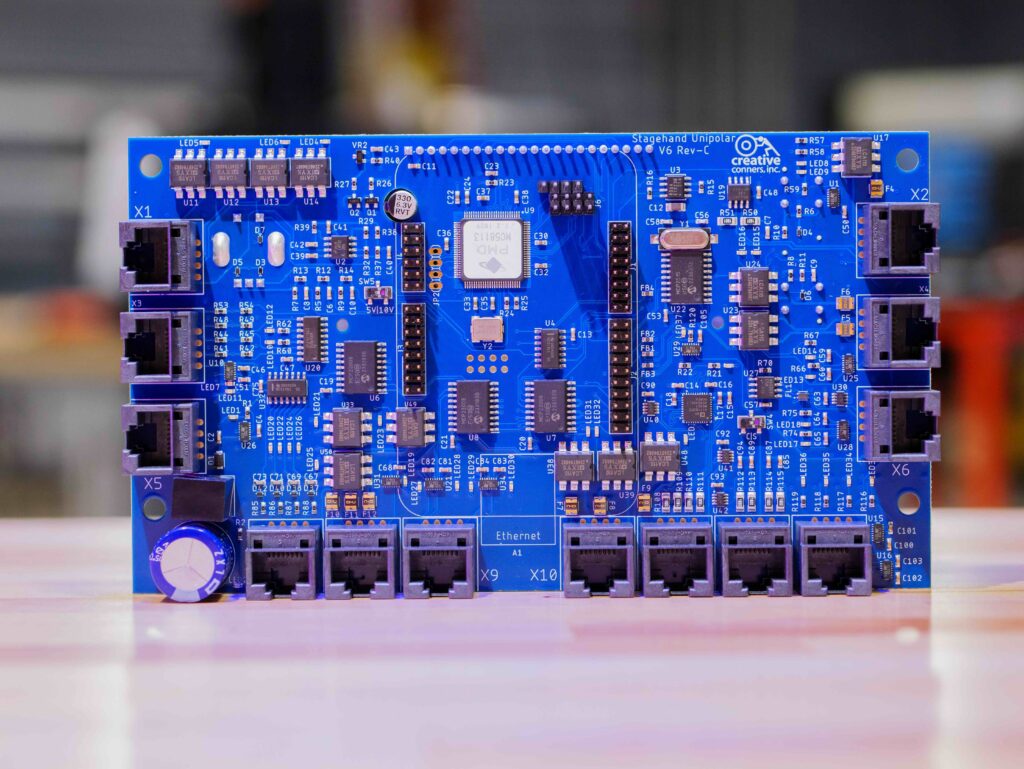
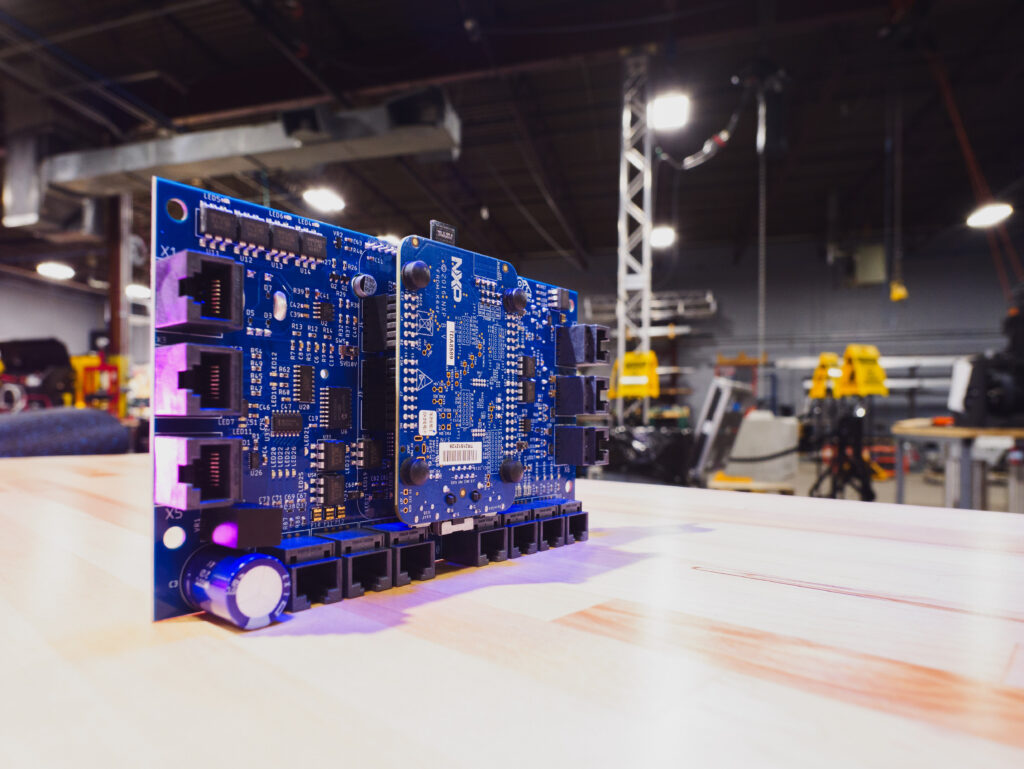
At the heart of this ecosystem is the Stagehand—a standardized control box that interfaces directly with variable-frequency drives (VFDs), local encoders, and critical safety systems. The Stagehand acts as the local execution layer for Spike Mark, Creative Conners’ proprietary show control software. In Spike Mark, technical directors and designers map out cues detailing travel distances, velocities, wait times, and multi-axis synchronizations. Once programmed, these commands are transmitted to the Stagehand, which executes the motion locally on stage.
The Engineering Bottleneck
For years, Creative Conners relied on legacy motion control chips supplied by Texas Instruments to power the Stagehand hardware. However, as the demands of modern stage automation grew more complex, these older components began to present significant operational roadblocks:
- Symmetric Acceleration Constraints: The legacy ICs locked engineers into symmetric acceleration and deceleration profiles. Whatever value was designated for ramping up a motor had to be mirrored identically when ramping it down.
- Static Parameter Limitations: Acceleration and deceleration parameters could not be altered dynamically while a cue was actively running.
- Bidirectional Signal Loss: Previous generational updates to the TI controller architecture stripped out the capability to generate a native $pm$10-V bidirectional speed signal required for controlling legacy hydraulic valves.
- Supply Chain Vulnerabilities: As the legacy chips aged, sourcing them became increasingly difficult, a problem severely compounded by pandemic-era global supply chain disruptions.
The Transition to PMD
Recognizing that its hardware platform required a complete modernization, the engineering team at Creative Conners evaluated several alternatives before selecting Performance Motion Devices and the Magellan MC58113 motion control IC.
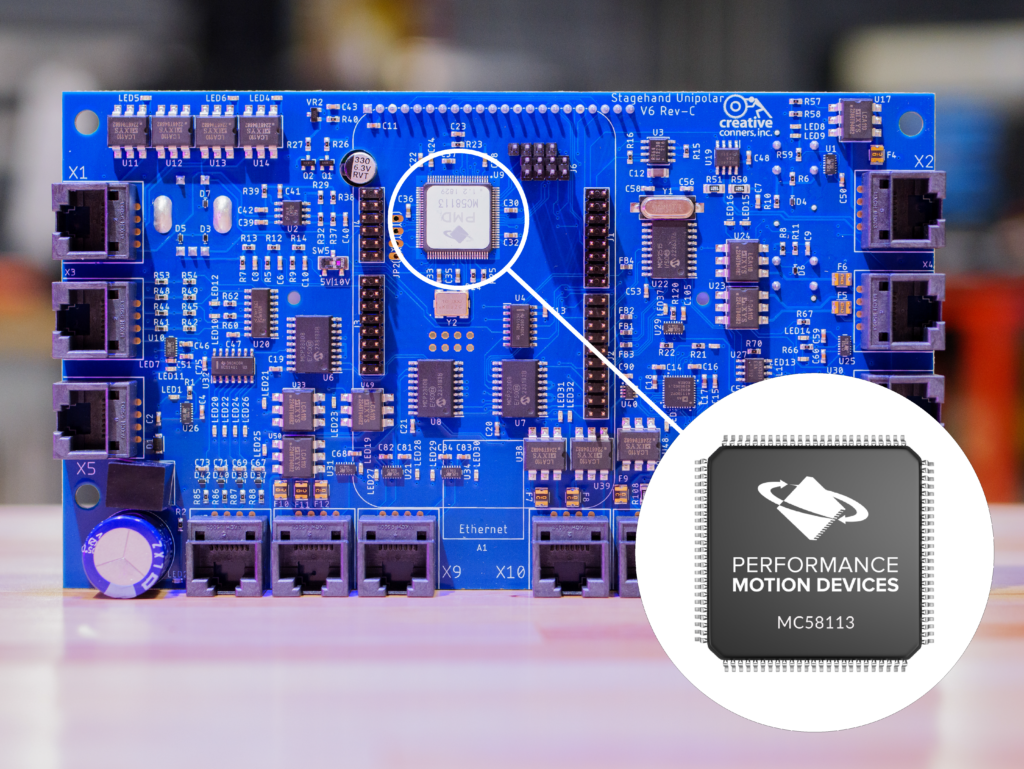
Redesigning the Stagehand control PCB around the MC58113 allowed the company to bypass its historic constraints. The integration of PMD’s C-Motion C/C++ software library further accelerated firmware development, enabling the small engineering team to bypass low-level serial communication programming in favor of a robust, command-driven application programming interface (API). Furthermore, when Creative Conners encountered a unique application requiring higher encoder resolutions than standard implementations allowed, PMD collaborated directly with the team to deploy a custom firmware update in roughly a week.
Supporting Data and Technical Capabilities
The adoption of the Magellan MC58113 IC introduced several vital engineering capabilities that directly impact safety, visual aesthetics, and mechanical versatility in theatrical environments:
1. Asymmetric Acceleration and Deceleration
In theatrical design, timing and visual presentation are paramount. Senior controls engineer Christian Basse noted the operational difference:
"On the old IC, we were locked to symmetric accel/decel. Whatever you loaded for the acceleration you had to use for decelerate… We want to hurry up, get onto stage, get moving — but then we want a nice, smooth, deliberate-looking stop."
The MC58113 allows independent tuning of acceleration and deceleration rates, permitting rapid, aggressive movements onto the stage followed by silky-smooth, visually pleasing decelerations that eliminate jarring stops.
2. Absolute Encoder Support
The new controller architecture supports absolute encoders, ensuring that positional data is never lost, even if the system loses power. This feature is particularly vital during emergency rescue scenarios where a performer must be manually lowered using mechanical brakes while the master control system is completely powered down. Once power is restored, the system instantly recognizes its exact coordinates without requiring a manual re-homing sequence.
3. Bidirectional $pm$10-V Speed Signals
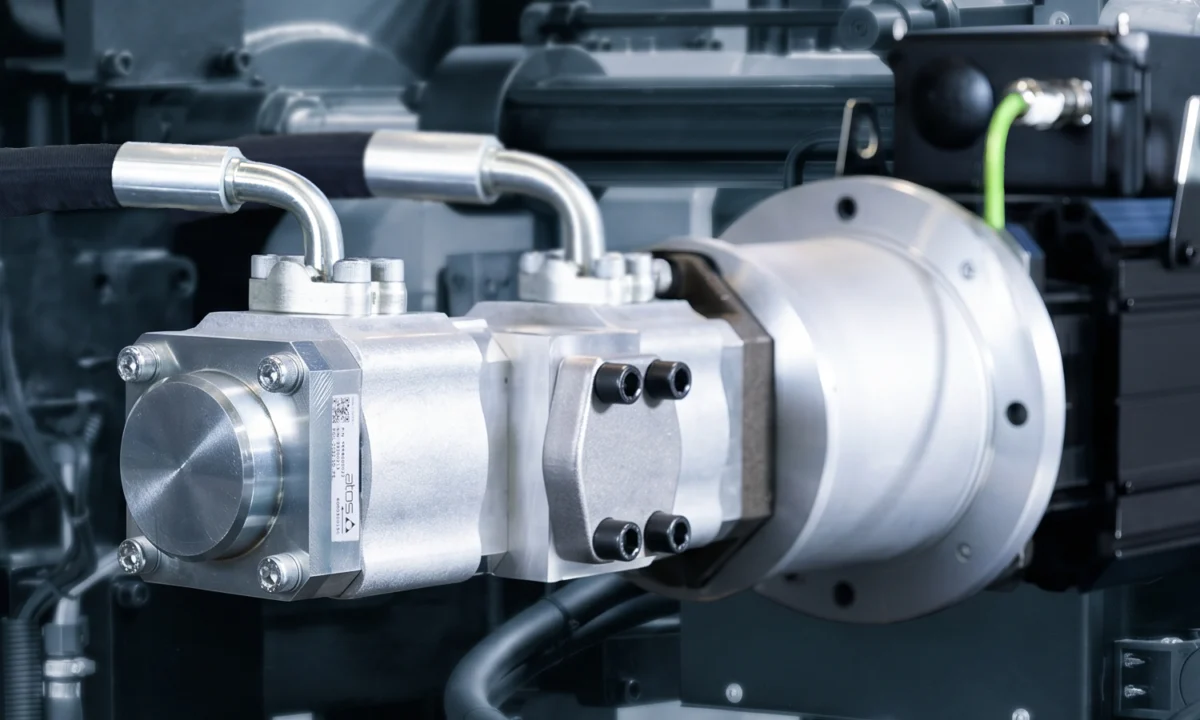
Certain theatrical applications—particularly those involving legacy hydraulic lifts and specialized actuators—rely on $pm$10-V signals, where positive voltage dictates forward motion and negative voltage governs reverse travel. By utilizing an external DAC paired with the MC58113, Creative Conners successfully restored bidirectional analog control, ensuring the company never has to turn down specialized hydraulic stage projects.
4. Advanced Diagnostics and Tuning
The MC58113 features built-in tracing and monitoring tools, giving engineers the ability to visualize motion behavior over time. Combined with highly configurable position filters, this diagnostic suite ensures that scenic elements and performer-flying rigs arrive at their designated spatial targets precisely on schedule.
Official Responses and Engineering Perspectives
The transition to PMD hardware has fundamentally altered how Creative Conners approaches product development and system architecture. Reflecting on the philosophy of the company, Christian Basse emphasized the holistic nature of their operations:
"We design and manufacture the machines and controls and then write the software."
Addressing the massive time-savings realized through PMD’s software ecosystem, Basse highlighted the impact of the C-Motion library:
"Instead of writing low-level serial communication code and message-packing routines from scratch, our team could rely on PMD’s command-driven API. Sending a command is just a call to a C-Motion function. That saved so much time and has been invaluable to us."
This software abstraction freed the engineering department from the tedious mechanics of hardware communication, allowing them to focus entirely on enhancing higher-level user experiences, improving safety interlocks, and refining the Spike Mark software interface.
Implications and Future Outlook
The successful integration of the Magellan MC58113 marks a major turning point for Creative Conners, but it also signals the beginning of an even more ambitious engineering roadmap.
Expanding Market Reach
By solving historical hardware constraints, Creative Conners has solidified its position across all tiers of the entertainment market. Regional community theaters and high school drama departments—segments that historically lacked access to sophisticated automation tools due to cost and complexity—now benefit from the same robust control architecture utilized by world-class touring acts.
Exploring Next-Generation Architectures
Building on the success of the Magellan IC implementation, Creative Conners is actively exploring PMD’s multi-axis motion controllers to achieve even tighter, more complex motion synchronization across multiple stage axes.
Furthermore, the company is evaluating PMD’s ION/CME N-Series intelligent drives, specifically high-power variants capable of delivering 1,000 watts of output. This technology points toward an exciting future of distributed intelligence in stage machinery. By moving drive and control electronics directly onto the physical machines rather than housing them in centralized control racks, future systems could achieve dramatic reductions in overall system size and cabling weight while simultaneously boosting lifting capacity and travel speeds.
Through its partnership with Performance Motion Devices, Creative Conners has not only future-proofed its supply chain and resolved legacy technical hurdles—it has laid the technological groundwork for the next generation of safe, breathtaking theatrical automation.