





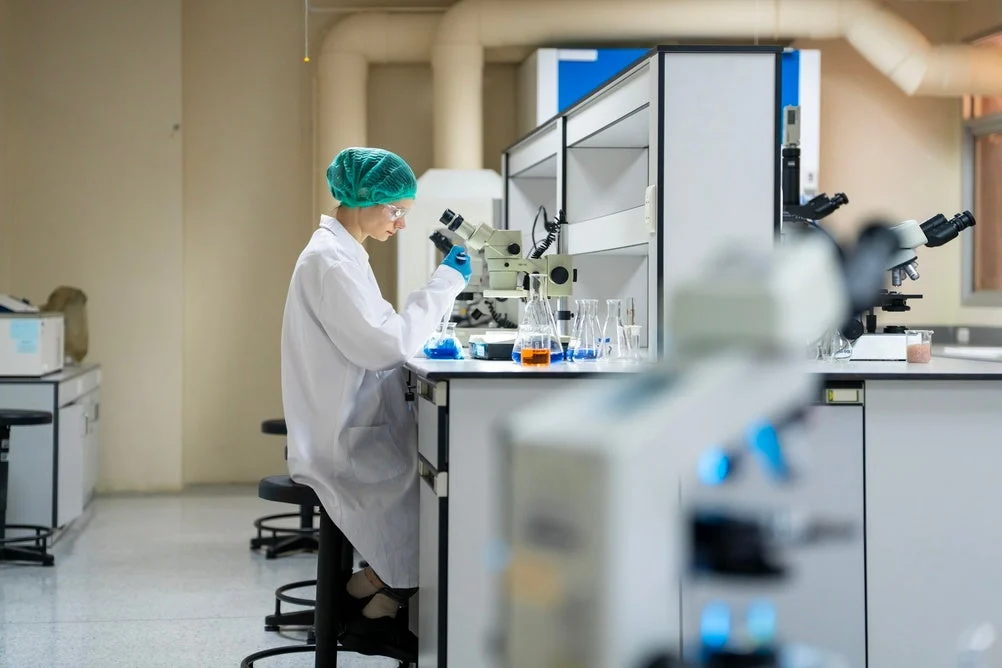
When a breakthrough therapy emerges from an academic laboratory, translational center, or early-stage biotech incubator, it represents years of rigorous scientific inquiry, preclinical validation, and molecular optimization. However, the specialized, highly controlled environments where these pioneering batches are synthesized—often tailored for experimental agility rather than regulatory compliance—bear little resemblance to the rigid architectures of Good Manufacturing Practice (GMP) facilities.
When developers reach the juncture of sourcing a fill-finish Contract Development and Manufacturing Organization (CDMO), the transition to GMP filling is rarely a straightforward exercise in scaling up volume. Instead, it represents a profound regulatory, technical, and operational paradigm shift. Without meticulous planning, this critical bridge between the lab bench and clinical trials can become a bottleneck where high-value programs stall, budgets inflate, and timelines derail.
Main Facts: The Anatomy of the Lab-to-GMP Transition
The core challenge of sterile fill-finish technology transfer lies in the fundamental incompatibilities between research-grade processes and commercial-grade regulatory standards. In a laboratory setting, process variability, informal operator adjustments, and rapid protocol modifications are routine tools for discovery. In a GMP environment, however, such practices are strictly prohibited. Every phase of production must be standardized, validated, documented, and fully reproducible to guarantee patient safety, product efficacy, and absolute sterility assurance.
For developers working with rare diseases, orphan drugs, personalized medicines, or advanced therapeutics involving high-value or severely limited Active Pharmaceutical Ingredients (APIs), the margin for error is razor-thin. A single misstep during the fill-finish phase can result in the loss of irreplaceable material, setting a program back by months or even years.
Furthermore, the transition requires establishing parameters that are rarely prioritized in early discovery:
- Target fill volumes and acceptable fill ranges to support accurate dose administration.
- Finalized excipient selections and robust container-closure systems.
- Defined processing hold times to protect product stability throughout manufacturing operations.
- Analytical readiness to establish and verify critical quality attributes (CQAs).
Ultimately, transforming a benchtop protocol into a compliant manufacturing workflow requires proactive adaptation to meet the stringent demands of global regulatory bodies like the US Food and Drug Administration (FDA) and the European Medicines Agency (EMA).
Chronology: The Lifecycle Stages of Biopharmaceutical Development
Understanding the typical chronology of a biopharmaceutical program highlights why early intervention by a sterile fill-finish CDMO is paramount for long-term success.
Phase 1: Research and Discovery (Months to Years 1–3)
- Activities: Target identification, lead optimization, in vitro and in vivo animal studies, and initial proof-of-concept formulation.
- Manufacturing Environment: Research laboratories or non-GMP academic core facilities.
- Primary Focus: Biological efficacy and functional validation. Documentation is largely informal, and process optimization is fluid.
Phase 2: Pre-Clinical and CMC Readiness (Years 3–4)
- Activities: Chemistry, Manufacturing, and Controls (CMC) strategy formulation, initial stability assessments, analytical assay development, and container-closure selection.
- Manufacturing Environment: Transition phase; early-stage pilot labs or specialized formulation development suites.
- Primary Focus: Identifying manufacturability constraints, evaluating extractables and leachables, and engaging potential CDMO partners.
Phase 3: Technology Transfer and Clinical Trial Material Production (Years 4–5)
- Activities: Formal technology transfer protocol execution, small-scale or manual aseptic filling of Investigational New Drug (IND)-enabling or Phase I/II clinical supplies, and validation of sterile filtration and hold times.
- Manufacturing Environment: Certified ISO Class 5/GMP cleanrooms managed by an experienced fill-finish CDMO.
- Primary Focus: Regulatory compliance, sterility assurance, minimization of product loss, and successful clinical delivery.
Supporting Data: The Risks of Over-Scaling and the Case for Manual Precision
One of the most consequential decisions a developer faces during the CDMO selection process is determining the appropriate scale of the manufacturing line. The contemporary CDMO market spans a wide spectrum, ranging from high-throughput automated isolator systems designed for blockbusting commercial blockbusters to specialized, low-capacity facilities equipped with Restricted Access Barrier Systems (RABS) or manual aseptic filling lines.
The Dangers of Prematurely Scaling Up
It is a common misconception that choosing the largest, most automated CDMO facility future-proofs a drug product. For early-phase clinical programs utilizing limited-quantity APIs, over-scaling introduces severe, quantifiable risks:
- Extended Product-Contact Pathways: Large-scale commercial lines feature extensive tubing and complex fluid paths that significantly increase product hold-up volume. For a high-volume commercial drug, this loss is negligible; for a small clinical batch containing precious rare-disease API, it represents a devastating and avoidable loss of material.
- Setup and Priming Losses: High-throughput machinery demands substantial priming volumes to stabilize fluid flow and pressure before filling can safely commence.
- High Minimum Batch Sizes: Large-scale CDMOs often enforce strict minimum batch volume requirements to justify the downtime associated with cleaning, sterilizing, and setting up massive lines. Early-stage developers frequently find themselves priced out or unable to secure precious line time.
The Strategic Advantages of Manual, Small-Scale Aseptic Filling
In stark contrast, small-scale manual or semi-automated aseptic filling lines are structurally optimized for early-phase, orphan-drug, and high-value programs.
- Flexibility and Adaptability: Manual operations allow project teams to produce a limited, highly controlled number of clinical units without committing capital to rigid, commercial-scale infrastructure.
- Minimized Hold-Up Volume: Shorter fluid pathways dramatically reduce product retention, preserving every possible milligram of valuable API.
- Uncertain Demand Mitigation: For developers navigating early clinical phases where patient enrollment or dosing requirements may fluctuate, manual filling offers the agility to pivot quickly without triggering costly process redesigns.
Far from being a compromised interim step, manual small-scale aseptic filling is frequently the technically superior choice for early-stage sterile injectables.
Process Development Considerations Before GMP Transfer
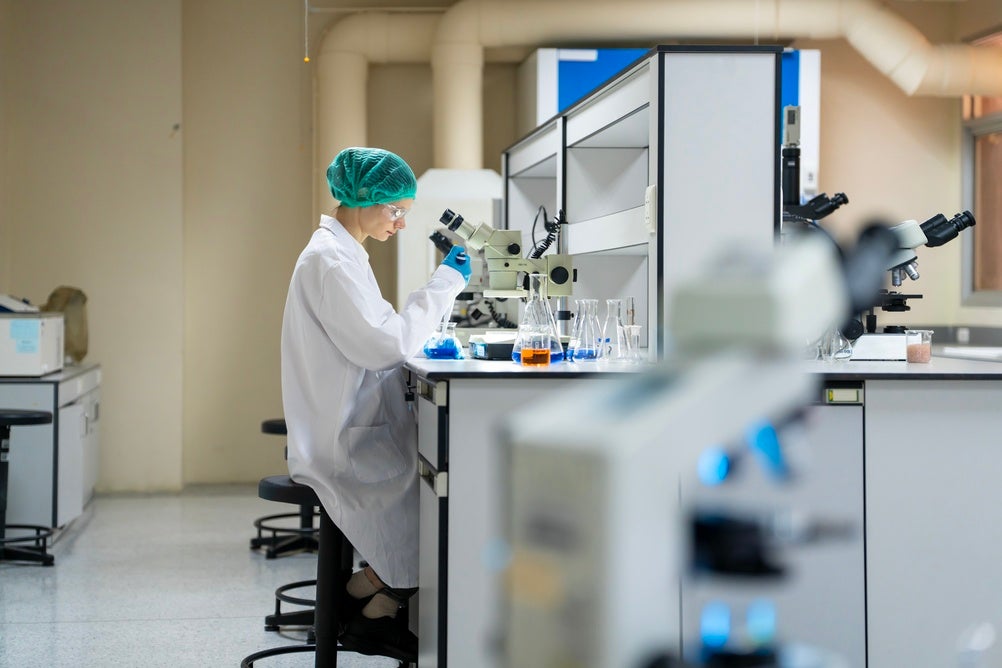
Before transferring a laboratory process across the threshold into a GMP fill-finish environment, research scientists must evaluate how their formulation and operational decisions will withstand the realities of sterile manufacturing. Addressing these four core pillars early prevents expensive surprises during technology transfer:
1. Formulation Readiness
A GMP-ready formulation requires a rigorously defined chemical composition. Developers must document precise concentrations, target pH ranges, osmolality, excipient grades, and acceptable adjustment limits.
- Stress Testing: Scientists must understand how the formulation reacts to mechanical mixing, temperature excursions, freeze-thaw cycles, light exposure, and oxygen ingress.
- Time Constraints: Maximum allowable durations for compounding, filtration, filling, and pre- or post-fill holds must be established.
- Stability Profiles: Long-term and accelerated stability under intended GMP storage conditions—alongside container-closure compatibility and extractable/leachable profiles—must be mapped out prior to transfer.
2. Container-Closure Selection
The choice between vials, pre-filled syringes, or cartridges must balance clinical delivery needs with manufacturability.
- Component Suitability: Materials must be fully compatible with parenteral use and capable of enduring the CDMO’s specific sterilization and filling processes.
- Machinability: Parameters such as headspace requirements, stopper placement tolerances, and container-closure integrity (CCI) must comply with modern regulatory guidelines, including evolving FDA expectations for CCI testing.
3. Fill Volume and Overfill Strategy
Fill volume calculations must extend far beyond the labeled clinical dose.
- Loss Accounting: Strategies must account for withdrawal dead-volumes, administration-device retention, and physical losses inherent to the filling process.
- Conservation Goals: For high-value, low-volume injectables, the objective is to achieve absolute dosing accuracy while minimizing overfill. Product-density dynamics and maximum fill durations must be factored into the equation.
4. Filtration and Sterility Strategy
Sterile filtration is a cornerstone of aseptic processing and demands comprehensive validation.
- Filter Compatibility: Assessment of membrane interactions with biological components to prevent protein binding or adsorption.
- Redundancy and Bioburden: Evaluation of whether a serial dual-filter strategy is warranted alongside upstream bioburden control measures.
- Integrity Testing: Defining wetting and flushing requirements, conducting bacterial retention studies, and implementing pre- and post-use integrity testing (PUPSIT) where applicable. Sterile hold times between filtration and final filling must be strictly quantified under defined temperature profiles.
Official Responses and Industry Perspectives
Regulatory authorities and industry veterans have increasingly emphasized the necessity of early, proactive collaboration between biotech developers and manufacturing partners.
Speaking on the recurrent pitfalls of technology transfer, leading quality assurance experts note that regulatory agencies do not view GMP compliance merely as an administrative burden of paperwork. Rather, they view it as an integrated ecosystem where process understanding dictates product safety.
"When developers approach a CDMO late in the development cycle with a process that was optimized solely for benchtop convenience, the friction is immediate," notes industry regulatory consultants. "Regulators expect to see a direct line of scientific rationale connecting early laboratory development to final commercial processing parameters. If those bridges are missing, clinical hold orders or lengthy Information Requests (IRs) from agencies like the FDA are virtually guaranteed."
Furthermore, CDMO executives stress that early engagement allows manufacturing partners to act as strategic co-pilots. By evaluating extractables, leachables, and filtration constraints during pre-clinical phases, sterile fill-finish specialists can guide developers away from formulation dead-ends, saving months of rework and protecting millions of dollars in venture capital or grant funding.
Implications: Building a Resilient Path to the Clinic
The implications of how a biopharmaceutical company executes its lab-to-GMP transition resonate throughout the entire lifecycle of a drug product.
When GMP requirements—such as strict documentation discipline, validated analytical methods, and standardized processing controls—are embedded into process development from day one, the downstream advantages are substantial:
- Accelerated Timelines: Smooth technology transfers minimize regulatory pushback, enabling investigational new drug (IND) submissions to proceed on schedule.
- Capital Efficiency: Preventing late-stage process redesigns and avoiding catastrophic batch failures preserves valuable drug substance and conserves operating capital.
- Enhanced Risk Mitigation: Anticipating container-closure incompatibilities, filtration limitations, and overfill inefficiencies protects clinical trial supplies and ensures uninterrupted patient dosing.
Ultimately, bridging the chasm between the research laboratory and the GMP fill-finish suite requires more than just scaling up equipment. It demands a cultural shift toward standardization, a rigorous technical understanding of sterile processing constraints, and an early partnership with an experienced CDMO. By addressing regulatory, technical, and operational realities proactively, developers can transform laboratory breakthroughs into reliable, life-saving clinical therapies.