




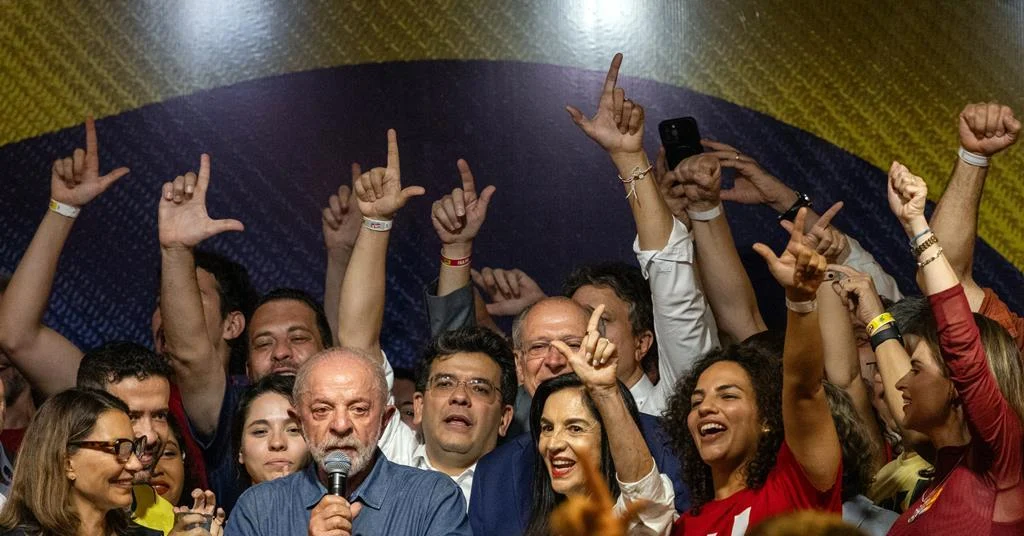
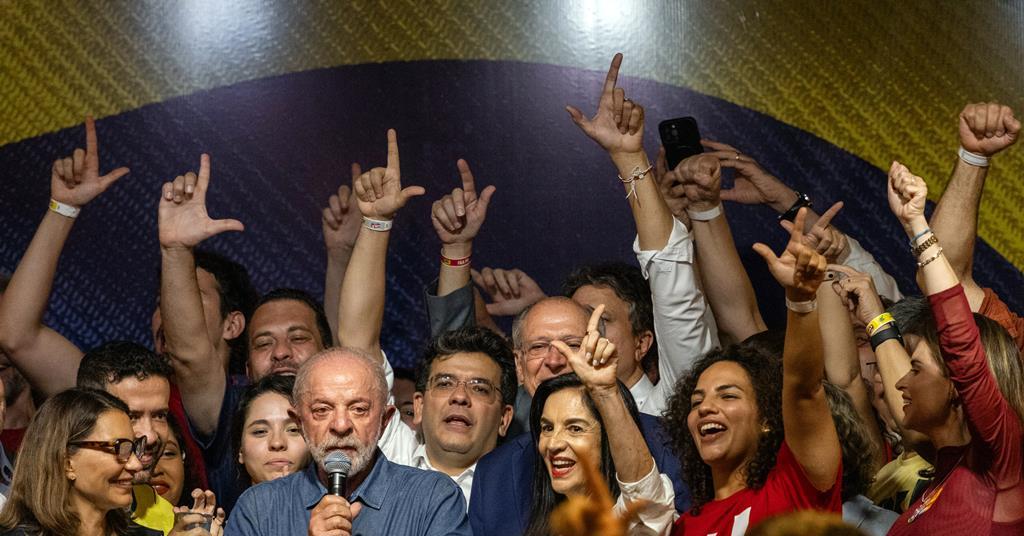
In a watershed moment for the Brazilian scientific community, President Luiz Inácio Lula da Silva has secured a decisive victory in the national election, defeating challenger Flávio Bolsonaro on October 25. The result has been met with a palpable sense of relief among researchers, academics, and university administrators across the country. After years of navigating a hostile political climate that frequently undermined evidence-based policy, the nation’s scientific establishment now looks toward a future defined by stability, institutional recovery, and the preservation of public education.
For many, the election was not merely a political contest but an existential referendum on the role of science in national development. With Lula set to begin his fourth presidential term on January 5, the academic community is preparing to pivot from a defensive posture to one of advocacy, aiming to solidify the progress made during his current mandate.
The Chronology of a Scientific Recovery
To understand the weight of this election, one must look back at the trajectory of Brazilian research over the last decade. Four years ago, the scientific community celebrated Lula’s return to power as a corrective measure following the administration of Jair Bolsonaro, which was widely characterized by a systematic dismantling of environmental protections, public health initiatives, and research funding.
Since taking office in January 2023, the Lula administration has prioritized the rehabilitation of the science and technology sector. According to António Miller Crotti, an organic chemist at the University of São Paulo, the administration has successfully fulfilled—either entirely or in significant part—its core campaign promises regarding education, science, and technology.
Key milestones in this recovery include:
- The Unfreezing of Funds: After years of fiscal stagnation, the government moved to release long-dormant capital from the National Fund for Science and Technology Development.
- The Scholarship Adjustment: In a move hailed as a "historic upward adjustment," the government increased the value of scholarships and research grants, which had been frozen for years, effectively preventing a "brain drain" of early-career researchers.
- Institutional Preservation: By maintaining the status quo of federal public universities, the administration signaled a commitment to the constitutional right to free higher education.
The Electoral Stakes: A Contrast in Vision
The lead-up to the October 25 election was marked by intense anxiety within the academic sector. A manifesto supporting Lula’s candidacy, circulated among the scientific elite, garnered more than 20,000 signatures—a testament to the high level of concern regarding the proposals put forward by the opposition candidate, Flávio Bolsonaro.
The proposed policy shifts from the opposition were viewed as catastrophic by those within the federal university system. Chief among these was the threat to introduce tuition fees for undergraduate and graduate programs—a radical departure from the long-standing tradition of free public education in Brazil. Furthermore, there was a proposed administrative reorganization that would have seen federal universities transferred from the Ministry of Education to the Ministry of Science and Technology.
Experts like Crotti note that this would have been a fiscal disaster. "The Ministry of Science and Technology receives BRL 252 billion (£35 billion) less in funding than the Ministry of Education," Crotti explains. "Moving the universities there would have meant a drastic reduction in investment, effectively starving these institutions of the resources necessary to maintain laboratory equipment, research facilities, and faculty salaries."
Fernando Cássio, an education policy researcher and chemist at the University of São Paulo, highlights the stark philosophical divide between the candidates. "Lula is the only candidate who genuinely supports research universities and recognizes the strategic role of science in national development," Cássio asserts. "In contrast, we saw the legacy of a former president who consistently disparaged scientists and scientific evidence to promote science-denialist positions on issues such as the environment and public health."
Supporting Data and the Path Forward
While the victory provides a "safety net" for the scientific community, the road ahead is not without obstacles. The political reality in Brazil remains polarized, and the legislative landscape is notably challenging for the incumbent government.
The Congressional Hurdle
Despite the executive victory, the Brazilian Congress remains under the control of opposition parties. This creates a bottleneck for policy implementation. "Lula’s proposals will either fail to pass or will depend heavily on his ability to navigate complex political negotiations," says Crotti. Consequently, most experts do not anticipate a significant increase in funding for scientific research in the immediate future. Instead, the current goal is to ensure that existing funding levels are maintained and protected from inflationary erosion.
The 2% GDP Target
Looking beyond mere survival, the scientific community is setting its sights on long-term growth. Aldo Zarbin, a materials chemist at the Federal University of Paraná and former president of the Brazilian Chemical Society, outlines a clear agenda for the next four years.
"The Brazilian chemistry community is part of this process and will benefit significantly from President Lula’s re-election," Zarbin notes. However, he emphasizes that the community must remain vigilant and proactive. "We must focus to ensure that, over the next four-year term, President Lula addresses certain remaining issues so that we can reach funding equivalent to 2% of the GDP for Brazilian science."
Zarbin’s roadmap for the coming term includes:
- Increased Resource Allocation: Expanding the budget for research groups spread across the country’s diverse geography.
- Private-Public Synergy: Fostering research initiatives within the private sector to bridge the gap between academic innovation and commercial application.
- Graduate Student Support: Expanding the quantity and quality of scholarships to attract the next generation of researchers.
Implications for the Future of Brazil
The re-election of Lula signifies a return to a "science-first" approach in governance. For the international scientific community, this is a signal that Brazil is once again open to global collaboration, particularly regarding the preservation of the Amazon and the development of sustainable energy technologies.
For the domestic academic sector, the implications are profound. The preservation of the public university system serves as a bedrock for social mobility and technological advancement. By keeping these institutions under the current ministerial structure and maintaining the no-tuition model, the government has affirmed that education is a public good rather than a commodified service.
However, the "relief" expressed by researchers is tempered by a pragmatic understanding of the political climate. The scientific community has learned the hard way that progress can be reversed. Therefore, the coming term is likely to be characterized by intense institutional monitoring. Scientists are no longer merely recipients of government funding; they are active political participants, having proven their influence through the 20,000-signature letter that helped frame the narrative of the election.
As Lula prepares to take the oath of office on January 5, the mood is one of cautious optimism. The threat of immediate institutional dismantling has been averted, but the work of building a robust, well-funded, and independent scientific ecosystem remains.
"We know that with Lula in the presidency, we have an interlocutor who can help make these things happen," concludes Zarbin. This partnership between the executive branch and the scientific community will be the defining feature of the next four years. Whether that partnership can overcome the legislative gridlock in Congress remains the great unanswered question of the upcoming term. For now, Brazil’s researchers can breathe—and get back to work.