





WASHINGTON — In a move designed to buy time for ongoing bilateral negotiations and ease mounting anxieties within the global supply chain, the Office of the United States Trade Representative (USTR) has formally proposed a significant extension of its suspension on controversial Section 301 fees targeting China-linked vessels.
According to a Federal Register filing published on October 23, the USTR is seeking to push the current suspension expiration date—which was originally slated for November 9—all the way out to January 9, 2027. The proposed reprieve is intended to provide diplomatic breathing room, enabling U.S. and Chinese trade officials to continue high-stakes discussions regarding Beijing’s controversial trade and industrial practices within the maritime, logistics, and shipbuilding sectors.
The announcement has triggered a rapid response from trade associations, logistics providers, and maritime stakeholders, who have spent weeks lobbying Washington to avoid a policy shift they warn could severely disrupt ocean freight markets, inflate transportation costs, and complicate inventory management for American importers and exporters.
Main Facts
The core of the policy centers on Section 301 of the Trade Act of 1974, a powerful trade enforcement tool that allows the executive branch to impose tariffs, fees, or other trade restrictions on foreign nations engaging in unfair trade practices.
- The Proposed Extension: The USTR’s October 23 Federal Register notice outlines a plan to defer the implementation of Section 301 vessel fees until January 9, 2027.
- The Original Timeline: The fees were initially scheduled to take effect on October 14 of last year, before being subjected to a series of administrative pauses that pushed the deadline to November 2025. The latest proposal extends that grace period by more than a year.
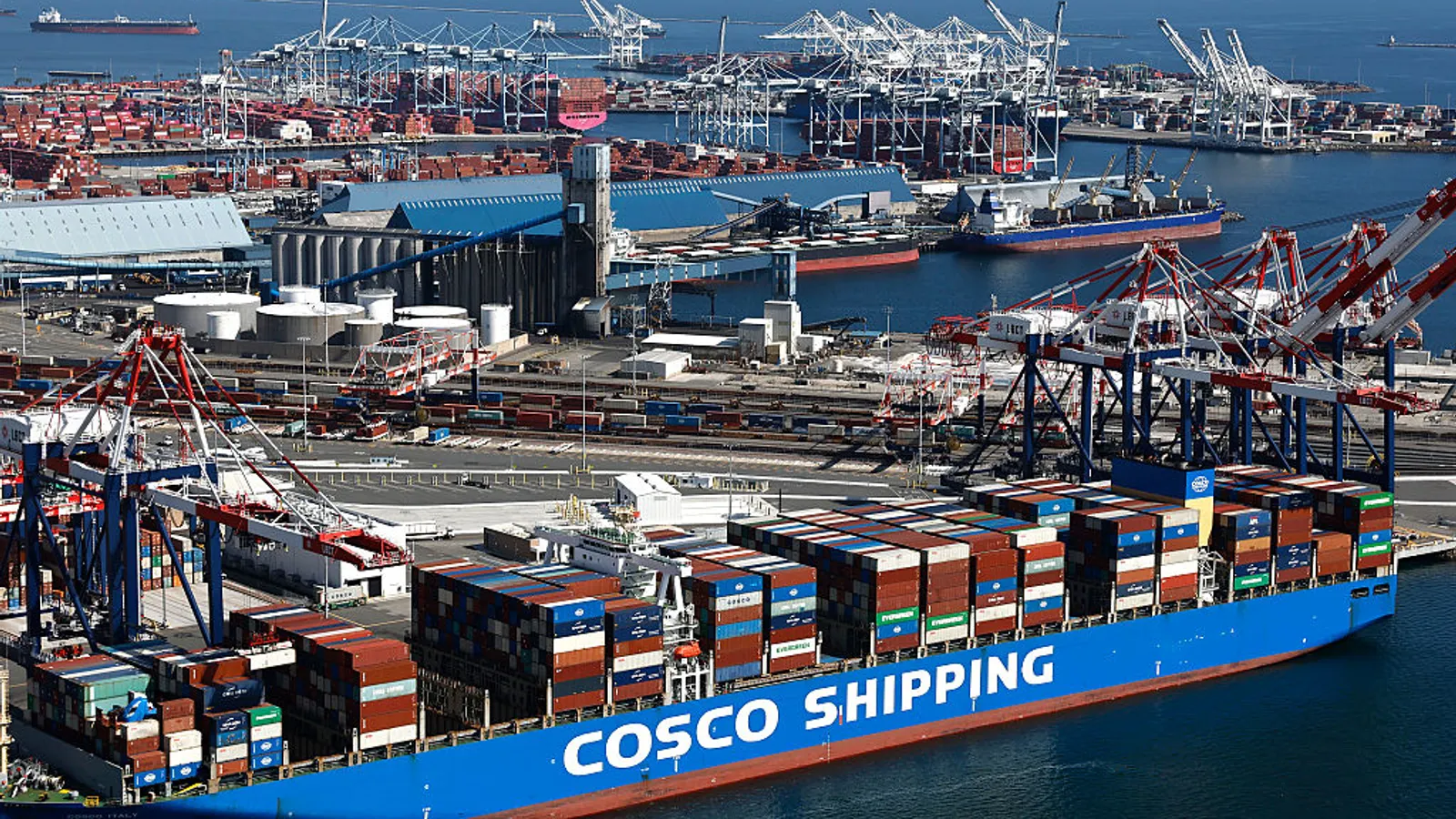
- The Scope of the Fees: The proposed fee structure targets vessels linked to China’s maritime, logistics, and shipbuilding ecosystems. Depending on the vessel type and cargo metrics, the fees range from $18 per net registered ton to as high as $120 per container.
- The Policy Objective: The overarching intent behind the Section 301 action—initially spurred by executive branch directives aimed at restoring American maritime dominance—is to penalize China’s dominance in commercial shipbuilding while incentivizing domestic maritime manufacturing. Under the framework, vessel owners can secure an exemption of up to three years from the fees if they place an order for a new vessel to be built in a U.S. shipyard.
- Public Feedback Window: In conjunction with the proposed extension, the USTR opened a compressed public comment period, setting a strict deadline of October 30 for stakeholders to submit feedback regarding the extended pause.
Chronology of Events
To understand the current trajectory of the Section 301 China-linked vessel fees, it is necessary to examine the rapid escalation and subsequent diplomatic maneuvering that has defined the policy over the past two years:
- Early-to-Mid 2024 (The Investigation & Executive Action): Following a petition by major labor unions and domestic manufacturing interests, the USTR launched a comprehensive Section 301 investigation into China’s acts, policies, and practices targeting the maritime, logistics, and shipbuilding sectors. Concurrently, executive orders were issued emphasizing the urgent need to revitalize the depleted U.S. commercial shipbuilding industrial base.
- Late 2024 (Fee Projections and Initial Pushback): The USTR unveiled a sliding scale of port fees targeting China-built and China-linked vessels, ranging from $18 per ton to $120 per container. The implementation date was initially set for October 14, immediately triggering alarm bells across the maritime logistics sector.
- Late 2024 / Early 2025 (The First Pause): Acknowledging potential disruptions to the supply chain, the administration enacted an initial administrative pause, moving the effective date of the fees to November 2025 and opening the door for bilateral talks.
- September 2025 (Industry Coalition Letter): Facing the impending expiration of the initial pause, a broad coalition of major trade associations, agricultural exporters, and retail shipper organizations penned a joint letter to U.S. Trade Representative Jamieson Greer. The letter urgently requested a prolonged extension, citing compounding freight market volatility.
- October 23, 2025 (Federal Register Filing): The USTR officially published a notice in the Federal Register proposing to extend the suspension of Section 301 maritime fees until January 9, 2027, citing the necessity for continued negotiations with Beijing.
- October 30, 2025 (Comment Deadline): The abrupt closing of the public comment window leaves the final decision in the hands of the USTR as they weigh industry warnings against domestic manufacturing policy goals.
Supporting Data and Economic Context
The debate over the Section 301 vessel fees cannot be viewed in a vacuum; it is deeply intertwined with the fragile economics of global ocean shipping, port operations, and domestic industrial capacity.
The Fee Structure
The financial penalties proposed under the Section 301 action are substantial enough to fundamentally alter carrier routing and operational costs:
- Tonnage Fees: $18 per net registered ton for applicable vessels entering U.S. ports.
- Container Fees: Up to $120 per twenty-foot equivalent unit (TEU) or box handled, depending on the specific vessel linkages to Chinese state-backed shipbuilding yards.
The Domestic Shipbuilding Deficit
The justification for these punitive measures rests on stark industrial realities. The United States currently produces a minuscule fraction of the world’s large commercial ocean-going vessels. According to maritime industry data, South Korea, China, and Japan construct over 90% of global commercial tonnage, while U.S. shipyards are largely sustained by military and Jones Act-compliant domestic coastal shipping contracts. Proponents of the fees argue that aggressive trade enforcement is the only viable mechanism to jump-start commercial shipbuilding capabilities on American soil.
Supply Chain Volatility Indicators
Conversely, opponents point out that the global container shipping market remains acutely sensitive to cost shocks. Ocean freight rates have experienced severe fluctuations over recent years, driven by geopolitical conflicts affecting key maritime chokepoints (such as the Red Sea and the Panama Canal), shifting carrier alliances, and fluctuating consumer demand. Injecting a localized fee structure targeting the dominant nodes of global container manufacturing risks cascading cost increases throughout the domestic retail, manufacturing, and agricultural sectors.
Official Responses and Stakeholder Reactions
The USTR’s decision to pursue an extended suspension has elicited a mixture of relief and cautious concern from various factions of the international trade community.
The USTR Perspective
In its Federal Register notice, the agency explicitly stated that the primary motivation behind the prolonged suspension is diplomatic: the extension will "allow for further negotiation with China regarding the acts, policies, and practices at issue in this investigation." By keeping the threat of the fees active while pausing their implementation, Washington hopes to maintain leverage at the negotiating table without triggering an immediate commercial trade war or inflicting self-harm on American supply chains.
The Voice of Industry Stakeholders
Last month’s unified lobbying effort by trade groups and shipper associations underscored the deep-seated anxiety within the commercial sector. In their correspondence with U.S. Trade Representative Jamieson Greer, the stakeholders pulled no punches regarding the potential fallout of the fees:
“[I]mposing new or resumed fees on China-built or China-linked vessels would create immediate and far-reaching consequences for U.S. companies that rely on ocean transportation to move goods into and out of the United States,” the letter emphasized.
The signatories warned that rather than instantly generating a resurgence of American shipyards—a process that requires billions of dollars in capital investment, highly skilled labor, and years of infrastructure development—the fees would act as a de facto tax on American importers. Retailers, agricultural exporters, and industrial manufacturers would ultimately absorb the higher operational costs, passing them down to domestic consumers already grappling with inflationary pressures.
Strategic Implications
The USTR’s proposal to extend the Section 301 fee suspension through January 2027 highlights a persistent, complex policy dilemma facing U.S. trade policymakers: how to aggressively decouple critical supply chains from geopolitical rivals and rebuild domestic industrial muscle without destabilizing the immediate flow of commerce.
1. The Diplomatic Balancing Act
By extending the deadline into early 2027, the administration is effectively kicking the can past immediate political milestones, creating a multi-year window for structured bilateral talks. However, prolonged uncertainty makes long-term chartering and vessel-deployment planning exceptionally difficult for ocean carriers, who must decide years in advance where to deploy multibillion-dollar fleets.
2. The Domestic Shipbuilding Dilemma
While the exemption mechanism—offering relief from the fees for companies that order U.S.-built ships—was designed to stimulate domestic yards, critics argue the carrot-and-stick approach is fundamentally misaligned with the current reality of American industrial capacity. U.S. shipyards currently lack the physical slipways, supply chains, and workforce required to absorb a sudden influx of commercial orders if major carriers were to abandon China-built vessels en masse. Consequently, many fear the fees would function purely as a revenue-generating tariff rather than a successful industrial policy catalyst.
3. Broad Economic Fallout
As the public comment period concludes, the ultimate fate of the Section 301 maritime action remains a bellwether for U.S.–China economic policy. Whether the USTR eventually allows the fees to take effect in 2027, modifies the structure to be less punitive, or uses them as leverage for a broader trade accord, the ultimate outcome will reverberate through every container port, distribution center, and retail storefront across the United States.