




By Emilie Shumway | Published October 27, 2026
Enriched & Expanded Reporting
Main Facts
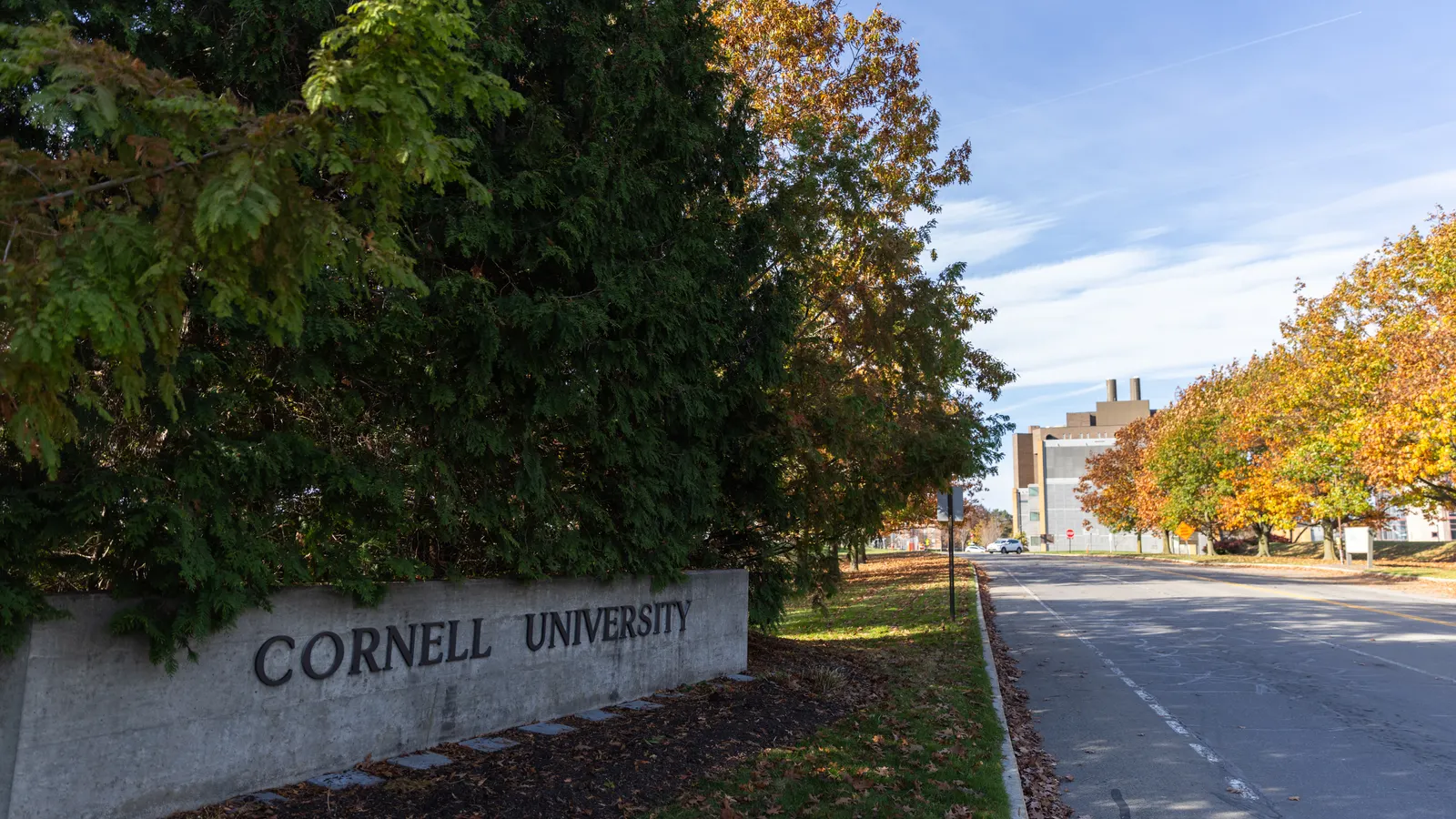
A federal court has dismissed a high-profile employment discrimination lawsuit brought against Cornell University, effectively allowing the Ivy League institution to evade direct judicial scrutiny regarding its Diversity, Equity, and Inclusion (DEI) hiring practices.
The case, Wright v. Cornell University, centered on allegations that the university’s recruitment and hiring frameworks systematically incorporated DEI criteria that unlawfully disadvantaged certain applicants. However, U.S. District Judge Suddaby did not rule on the merits of whether Cornell’s equity-focused initiatives violated federal anti-discrimination laws. Instead, the court disposed of the matter on procedural grounds, ruling that the plaintiff, academic and commentator Colin Wright, lacked the foundational legal standing required to bring the lawsuit.
Legal standing dictates that a plaintiff must demonstrate a concrete, particularized injury that is directly traceable to the defendant’s conduct and capable of being redressed by a favorable judicial ruling. In this instance, the court found that Wright failed to satisfy the threshold requirement of being "ready and able" to apply for positions at the university. Consequently, the judiciary sidestepped a contentious substantive debate over the legality of institutional DEI initiatives—a topic that has increasingly dominated federal dockets and regulatory agendas across the United States.
Chronology of the Case and Background
The legal challenge against Cornell University is part of a broader wave of litigation targeting higher education institutions and corporate entities over diversity-related policies. To understand how Wright v. Cornell University reached its October 2026 dismissal, it is essential to examine the sequence of events and public statements leading up to the ruling:
- Early Academic and Public Career: Colin Wright established himself as an evolutionary biologist and researcher who frequently published commentary regarding biological sex, gender identity, and cultural trends within academia. Over time, Wright became an outspoken critic of progressive institutional policies, including mandatory diversity statements in hiring.
- Departure from Traditional Academia: Through various public interviews, social media postings, and opinion pieces—including prominent columns in The Daily Caller (2020) and The Wall Street Journal—Wright publicly documented his departure from traditional academic roles, frequently stating that he had left academia altogether due to ideological pressures and what he viewed as compelled speech requirements.
- Filing of the Lawsuit: Despite his public exit from the university system, Wright initiated legal action against Cornell University, contending that its hiring practices and express commitments to DEI initiatives amounted to unlawful discrimination that precluded him from seeking employment.
- The October 26, 2026 Ruling: Judge Suddaby issued a definitive order dismissing the lawsuit. The court meticulously analyzed Wright’s public record, matching his past assertions of having abandoned academia against the legal standards required to establish standing in discriminatory hiring cases.
Legal Analysis and Supporting Data
The core of Judge Suddaby’s ruling hinged on the legal nuances of standing in employment discrimination cases. The court noted that while plaintiffs challenging discriminatory programs or hiring processes are not always required to formally submit an application, they must satisfy a rigorous two-pronged test to establish standing: they must prove they are both able and ready to apply, but are blocked by a discriminatory policy from doing so on equal footing.
In Wright, the court determined that the plaintiff was "perhaps able, but not ready" to secure employment at the institution. Judge Suddaby pointed to explicit evidence from the public domain:
"The documented fact that Plaintiff was so opposed to the use of any sort of DEI initiatives by academic institutions that he chose not to apply to openings with institutions that included a DEI component in their application process strongly indicates that he was not reasonably ‘ready’ to apply for employment with Defendant, an institution that had an expressly stated commitment to certain DEI initiatives."
Furthermore, Wright’s stated refusal to submit to institutional requirements such as mandatory DEI diversity statements—which many universities utilize to evaluate a candidate’s historical or prospective contributions to inclusive campus environments—fatally undermined his argument that he was genuinely prepared to accept employment at Cornell. Because his own public declarations confirmed a total disinterest in working within an academic framework utilizing DEI filters, the court concluded he suffered no actionable injury regarding lost employment opportunities.
Official Responses and Stakeholder Reactions
The dismissal of the lawsuit has drawn swift reactions from legal advocacy groups, institutional observers, and employment law experts.

Richard Lawson, litigation vice-chair for the America First Policy Institute (AFPI)—an organization actively involved in challenging progressive workplace and educational policies—expressed disappointment with the procedural dismissal while signaling an intent to continue the broader legal fight. In a statement to HR Dive, Lawson remarked:
"We are reviewing the order, and we are dedicated to continuing the fight on behalf of [the plaintiff] against unlawful discrimination."
The legal strategy pursued by organizations like AFPI typically seeks to dismantle corporate and academic DEI mandates by framing them as systemic violations of Title VII of the Civil Rights Act and other equal protection statutes. Although Cornell University successfully defended against this specific complaint on standing grounds, representatives for the university declined immediate requests for expanded comment by press time, maintaining a cautious posture as higher education institutions navigate an increasingly hostile legal climate regarding equity programs.
Broader Implications: The Shifting Legal and Regulatory Landscape
While Cornell University avoided a direct verdict on the constitutionality or legality of its hiring frameworks, legal analysts emphasize that the decision represents a temporary tactical victory rather than a permanent shield for academic and corporate DEI programs. The federal judiciary remains sharply divided, and plaintiffs in other jurisdictions have successfully cleared procedural hurdles that Cornell managed to avoid.
The Federal Court System and Majority-Group Plaintiffs
Just days prior to the Cornell ruling, a federal judge in Florida cleared the path for a separate, highly consequential lawsuit to proceed (HR Dive, October 2026). In that matter, a group of current and former White male employees at Danaher Corp. filed suit alleging that the conglomerate’s DEI policies created a discriminatory environment that reduced them to "second-class candidates."

Crucially, the judge in the Danaher case found that four of the plaintiffs successfully met the standing requirements by demonstrating that they were directly rejected for promotions or positions in favor of less qualified candidates specifically because of corporate DEI preferences. This contrast highlights how outcomes in anti-DEI litigation frequently depend on the precise employment status and documented intentions of the plaintiffs: active employees or active job seekers face a far lower hurdle in establishing standing than ideological commentators who have publicly severed ties with the industry.
The EEOC’s Aggressive Enforcement Agenda
Beyond the federal courts, the regulatory environment has shifted dramatically under the second Trump administration. The U.S. Equal Employment Opportunity Commission (EEOC) has made the eradication of perceived reverse discrimination a central pillar of its strategic enforcement agenda.
The EEOC has increasingly turned its investigative powers toward high-profile institutions and corporations, scrutinizing policies that favor underrepresented groups under the banner of diversity. Recent actions by the agency include:
- The New York Times: Pursuing investigations and litigation regarding promotional pipelines and whether majority-group workers (specifically White male employees) faced systemic barriers to advancement under corporate DEI frameworks.
- Harvard University: Issuing high-profile subpoenas and opening sweeping federal investigations into elite academic hiring and admissions practices to evaluate whether equity-driven initiatives cross the line into unlawful discrimination.
What This Means for HR and Legal Professionals
For human resources leaders, general counsels, and university administrators, the Wright v. Cornell University decision offers a nuanced lesson. While procedural technicalities can successfully terminate lawsuits brought by ideological critics who lack a genuine intent to seek employment, institutions cannot rely on standing arguments alone to protect complex DEI programs.
As federal regulators and private litigants continue to refine their legal theories—focusing heavily on concrete metrics, promotion tracking, and hiring documentation—organizations must audit their recruitment pipelines. Ensuring that diversity initiatives comply strictly with equal employment opportunity laws, avoid rigid quotas, and withstand rigorous scrutiny from both the EEOC and private class-action attorneys remains paramount in the current legal landscape.