






By Max Garland | Published October 26, 2026 (Enriched & Expanded Edition)
Main Facts
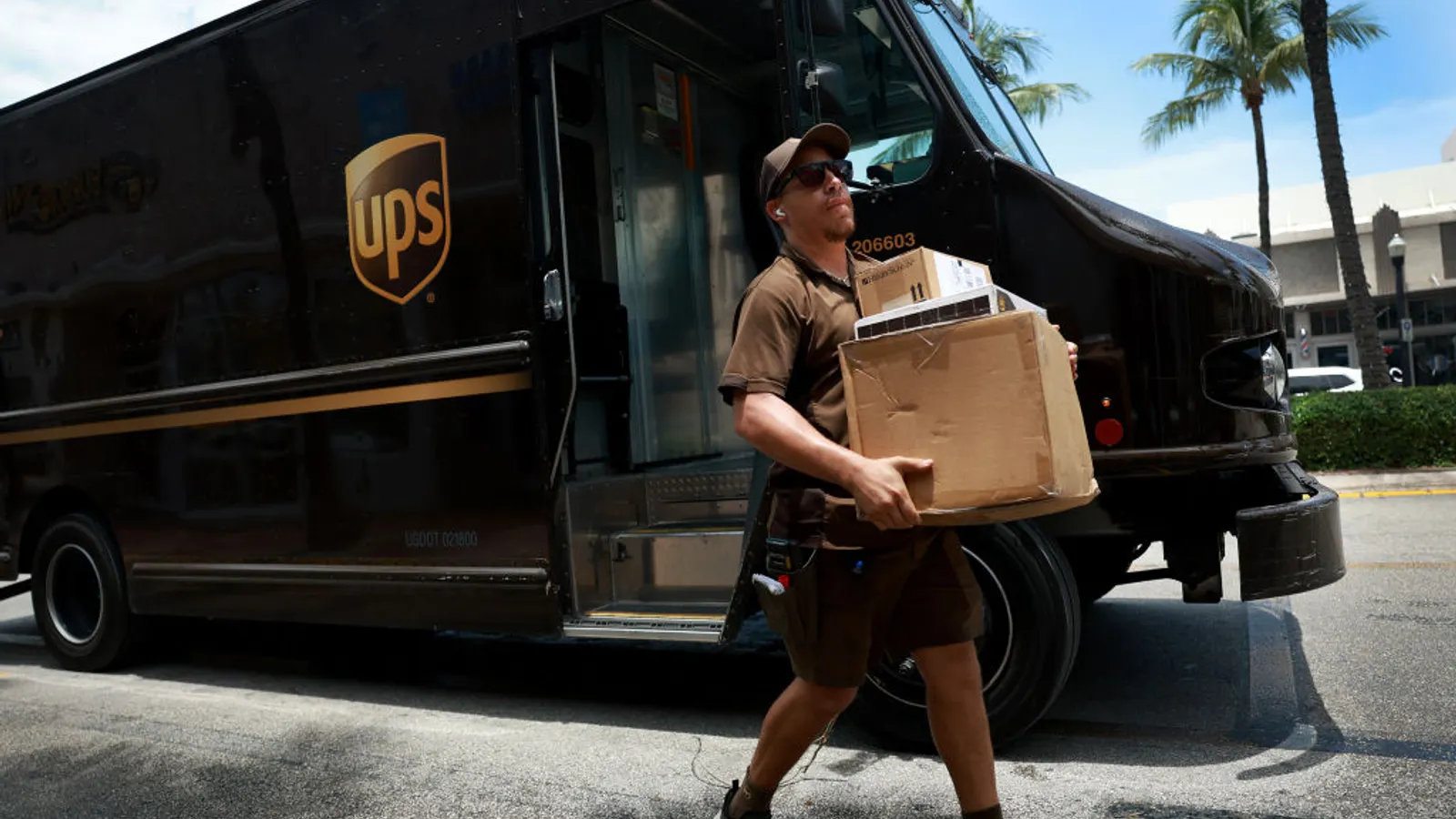
United Parcel Service (UPS) has officially announced its General Rate Increase (GRI) for the upcoming year, matching its primary industry rival, FedEx. Effective at the tail end of the bustling 2026 holiday shipping rush, UPS will implement an average 5.9% rate hike across its core service offerings.
While the headline-grabbing 5.9% figure matches the increase previously announced by FedEx, logistics analysts and supply chain experts caution that the average figure is largely a baseline. Shippers should anticipate a complex web of structural adjustments—including altered ZIP code classifications, revised zone mappings, and increased weight minimums—that will heavily influence final transportation expenditures.
Key takeaways from the newly announced adjustments include:
- The Baseline Hike: An average 5.9% increase for standard ground, air, and international services.
- Small Business Impact: Ground, air, and international services geared toward small-to-medium enterprises (SMEs) will see a 4.5% rate increase, accompanied by flat 5% domestic and international fuel surcharges taking effect December 21, 2026.
- Additional Handling Changes: The minimum billable weight for packages requiring "additional handling" will increase from 40 pounds to 50 pounds.
- Geographic Overhauls: UPS is updating the list of ZIP codes subject to area surcharges, as well as the regional classifications used to determine shipping zones.
Chronology of Events
Understanding how these pricing changes unfold requires a look at the timeline leading up to the end-of-year logistics crunch:
- September 2026: Rival carrier FedEx breaks cover, announcing its 2027 General Rate Increase of 5.9%, alongside scheduled adjustments to its own surcharges, set to officially take effect on January 4, 2027.
- October 26, 2026: UPS releases its corresponding 2027 GRI announcement, matching FedEx’s 5.9% average increase. Logistics data platforms and industry consultants immediately begin analyzing the preliminary framework.
- Early November 2026: UPS is scheduled to release precise programmatic details regarding specific geographic ZIP code surcharges for select ground and Ground Saver shipments.
- December 21, 2026: Small business rates shift upward (by 4.5%), and specialized 5% domestic and international fuel surcharges are officially applied. Specific per-package origin surcharges for targeted ZIP codes also activate on or after this date.
- Late December 2026 / Early January 2027: The 5.9% GRI officially rolls out across broader shipper accounts right as the holiday peak-season rush winds down, setting record-high baseline costs for the start of the new fiscal year.
Supporting Data and Financial Analysis
The parcel delivery market has experienced continuous cost inflation over the past half-decade. Shippers entering the final quarter of 2026 are already grappling with record-high delivery prices, buoyed by compounding peak-season surcharges, fluctuating fuel indices, and continuous carrier adjustments.
While both UPS and FedEx have standardized their headline general rate increases at 5.9%, data science firms that evaluate carrier contracts warn that relying on the headline percentage is a financial trap for corporate shippers.
Paul Yaussy, head of parcel contract intelligence at logistics data platform Loop, highlighted the disparity between marketing figures and ledger realities in a public analysis: "Don’t plan around 5.9%. It’s an average on base rates and won’t reflect your actual cost."
Because neither UPS nor FedEx immediately discloses the exact granular modifications across every weight tier, distance zone, and service level upon initial announcement, corporate logistics departments are forced to run retrospective simulations to gauge true financial exposure. Factors altering the true cost include:
- Zone Creep: Minor adjustments to origin-destination ZIP code mapping can shift packages from one distance zone to a higher-cost tier, independent of the 5.9% base bump.
- Handling Penalties: By raising the minimum billable weight for additional handling from 40 lbs to 50 lbs, UPS alters the economic math for heavier e-commerce items, industrial parts, and boxed goods. Shippers whose products fall cleanly into the 40-to-49-pound bracket will experience distinct billing shifts.
- Fuel Surcharges: The baseline fuel surcharges—pegged at 5% for domestic and international small business segments—represent an unyielding variable that can rapidly amplify the total freight bill when macroeconomic oil markets fluctuate.
Official Responses and Industry Stakeholder Reactions
The parcel duopoly’s coordinated move to a 5.9% baseline has drawn mixed reactions from the broader supply chain ecosystem.

For carrier executives, these structural rate increases are framed as necessary investments to offset ongoing labor expenses, maintain infrastructure resilience, and fund technology modernization across complex fulfillment networks. Following labor negotiations and escalating operational footprints, both UPS and FedEx maintain that regular rate adjustments are vital to maintaining service reliability and high-speed network connectivity.
Conversely, merchant groups, third-party logistics (3PL) providers, and supply chain advocacy organizations have expressed frustration over the compounding nature of these annual hikes. With inflation already pressuring profit margins throughout the retail and manufacturing sectors, recurring rate bumps complicate long-term budgeting.
Small-to-medium-sized enterprises (SMEs) face a particularly challenging environment. Although the small business rate increase is slightly lower at 4.5%, the simultaneous implementation of targeted ZIP code surcharges and structural fuel floors means small merchants lack the high-volume shipping leverage required to negotiate deep concessions or carrier-offsetting discounts.
Strategic Implications for Shippers
As transportation expenditures continue to claim a larger share of operational budgets, logistics managers must pivot away from passive contract acceptance and toward proactive parcel optimization strategies.
1. Granular Data Auditing
Shippers cannot afford to take the 5.9% metric at face value. Organizations must utilize advanced parcel auditing and intelligence platforms—such as Loop, Reveel, or Shipware—to ingest historical shipping data and run multi-variate modeling against the new UPS and FedEx rate charts. Understanding precisely how zone re-mappings and dimensional weight changes impact specific SKU profiles is critical.

2. Diversification of Carrier Mix
Relying solely on the UPS-FedEx duopoly leaves merchants vulnerable to matching rate structures. Shippers are increasingly looking toward regional carriers, postal consolidators, and alternative final-mile delivery networks to create competitive tension and cap escalating transportation costs.
3. Packaging Optimization
With UPS raising the additional handling weight threshold to 50 pounds, packaging engineers must evaluate box dimensions, weight distributions, and dimensional weight (DIM weight) factors. Trimming even a few ounces or shifting package footprints can prevent shipments from triggering costly handling surcharges.
4. Contract Redefinition
When enterprise contracts come up for renewal, logistics procurement teams must push for custom caps on general rate increases, clear mapping parameters for zone adjustments, and transparent caps on accessorial fees. In an environment where baseline increases are standardized at nearly 6%, contract negotiation must focus heavily on exemptions for surcharges and ancillary accessorials.
As the industry prepares for the 2027 rate rollout, the margin for error in supply chain financial planning has narrowed significantly. Shippers who act quickly to model their exposure and diversify their carrier relationships will be best positioned to weather the rising tide of parcel logistics costs.