





Main Facts: Unlocking the Factory Floor’s Hidden Value
Modern manufacturing operations sit on top of a goldmine of data. From high-speed sensor feeds on assembly lines to supply chain logs and service records, industrial environments generate petabytes of rich, granular information every single day. Yet, a persistent bottleneck remains: why are so many industrial facilities struggling to leverage this data to optimize their processes and scale artificial intelligence (AI) effectively?
According to recent insights from industry research firm Tech-Clarity, the missing link is rarely a shortage of data itself. Instead, it is the absence of a structured, coherent, and well-managed framework designed to ensure that the right people get the right data at precisely the right moment.
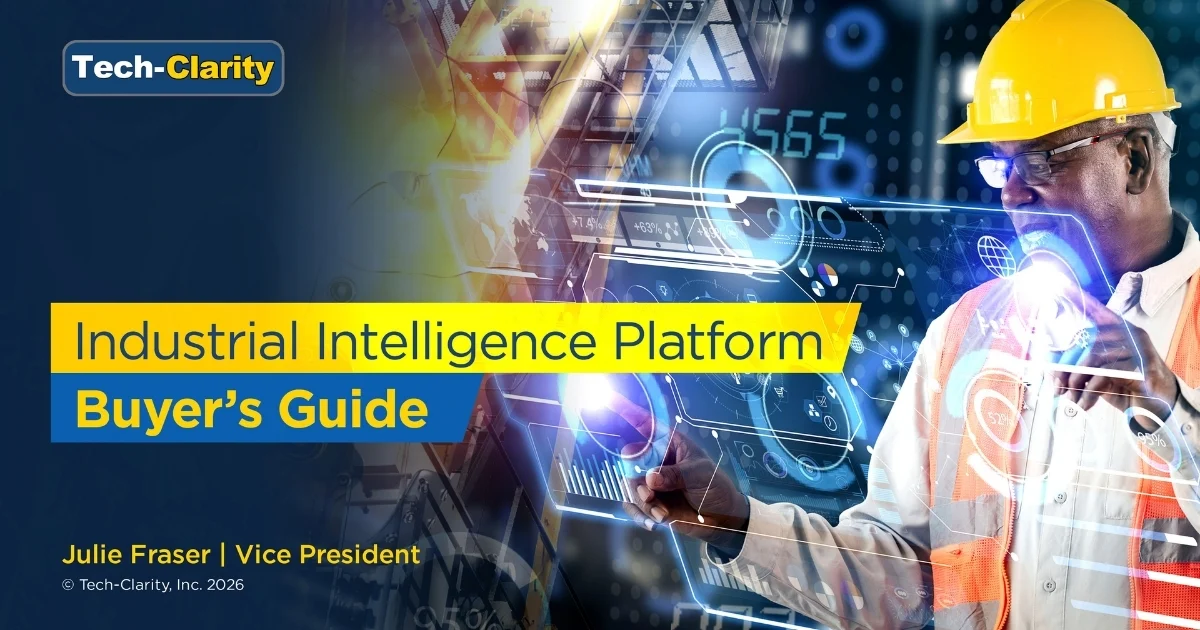
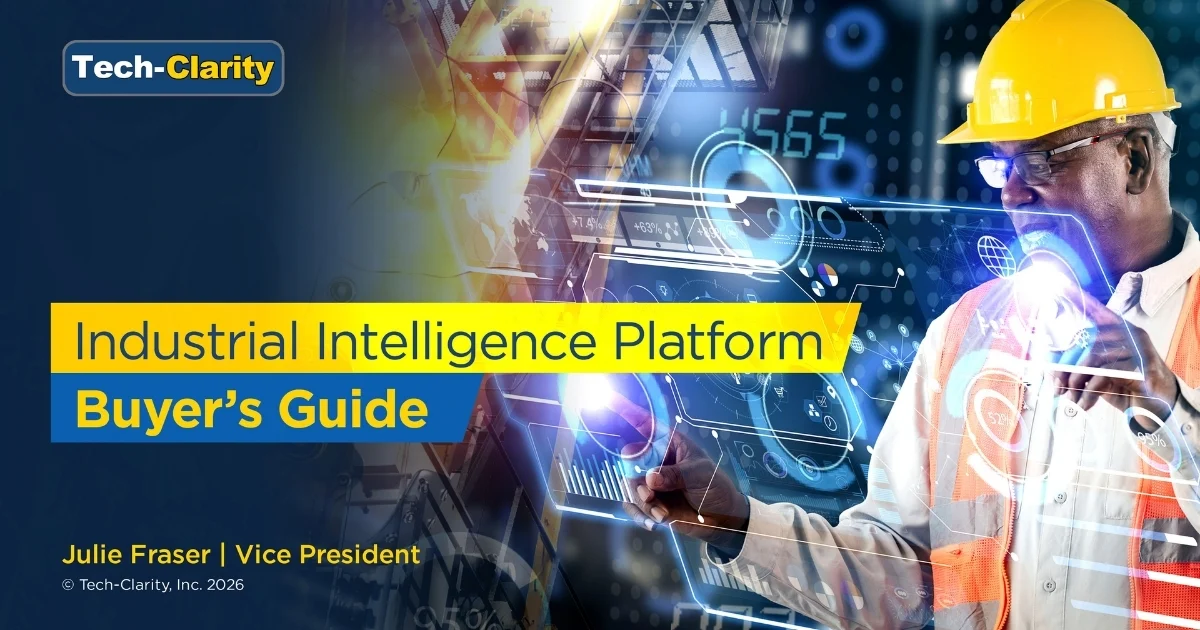
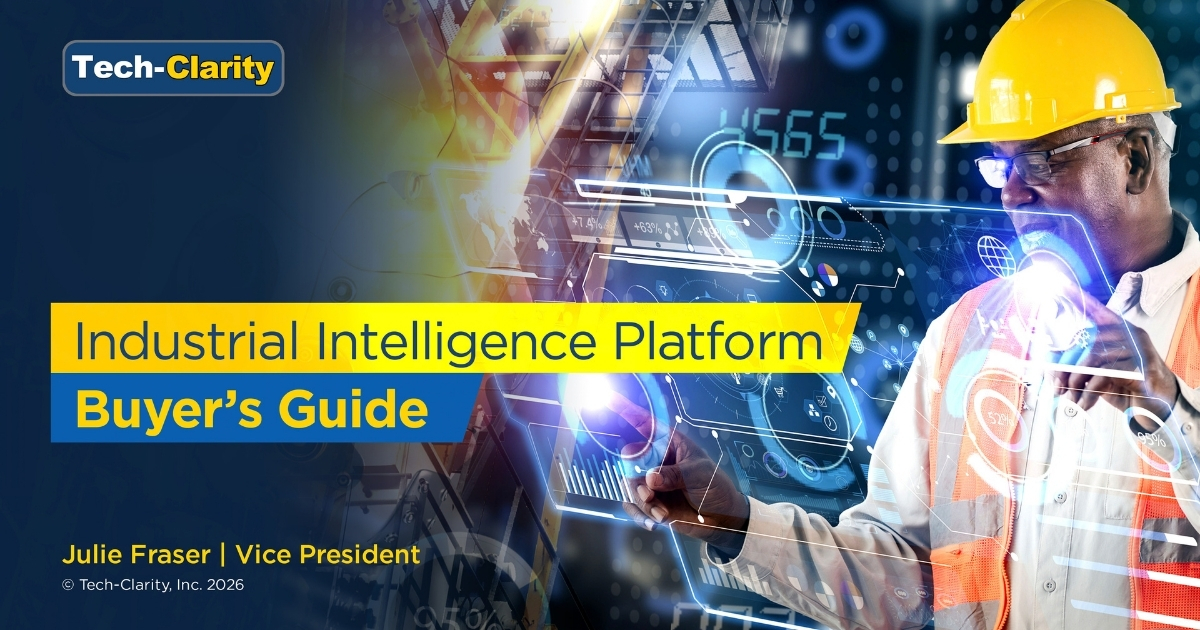
To solve this, industrial organizations are increasingly turning to specialized Industrial Intelligence Platforms. Unlike generic business intelligence tools or cobbled-together do-it-yourself (DIY) software architectures, an Industrial Intelligence Platform provides the foundational building blocks required to ingest, harmonize, manage, and contextualize high-velocity industrial data. Sponsored by Velotic, a comprehensive new buyer’s guide highlights the critical criteria organizations must evaluate when choosing these platforms to drive operational excellence, reduce downtime, and seamlessly move AI initiatives from limited pilots to full-scale production.
Chronology: The Evolution from Static Reporting to Agentic Industrial AI
The journey toward data-driven manufacturing has evolved significantly over the past few decades. Understanding this trajectory clarifies why traditional approaches are no longer sufficient for modern enterprises.
- Era of Static Reports (Late 20th Century to Early 2010s): Industrial operations relied heavily on historical, paper-based, or basic spreadsheet reports. Data collection was largely manual or siloed within specific machines, leading to delayed decision-making where problems were addressed long after they occurred.
- The Dashboard Revolution (Mid-2010s to Early 2020s): Manufacturers rushed to adopt visualization dashboards and generic business analytics tools. While these provided a better view than static reports, they proved too slow, rigid, and disconnected from the fast-paced, high-priority realities of the shop floor. They lacked the domain-specific context needed to answer nuanced operational questions.
- The DIY Experimentation Phase (2020–2024): As digitalization accelerated, IT departments and internal software teams attempted to build custom data pipelines and analytics guardrails from scratch. Many organizations discovered that DIY solutions were dangerously complex, straining internal resources and failing to scale safely across enterprise environments.
- The Rise of Industrial Intelligence Platforms (Present Day): Recognizing the pitfalls of generic tools and custom builds, the market has pivoted toward purpose-built Industrial Intelligence Platforms. These systems integrate secure operational technology (OT) data streams with advanced AI capabilities, empowering frontline workers and data scientists alike to derive trusted, real-time insights.
Supporting Data: Why Traditional Analytics Fall Short
To remain competitive in a hyper-optimized global market, manufacturers can no longer rely on legacy tools. The modern industrial landscape demands performance metrics and infrastructural capabilities that standard business software cannot provide.
The Limitations of Generic Dashboards
- Lack of Priority Alignment: Generic business intelligence tools are built for corporate boardrooms, not manufacturing lines. They frequently miss immediate operational priorities, such as minor line stoppages, thermal anomalies, or micro-stoppages.
- Latency Issues: Traditional analytics engines are often too slow to support real-time interventions, resulting in wasted material, energy inefficiencies, and unmitigated equipment wear.
- Context Deficits: Raw data without industrial context is meaningless. Legacy dashboards struggle to tie disparate data streams—such as PLC (Programmable Logic Controller) logs, maintenance histories, and operator shift notes—into a cohesive narrative.
The Imperative of Trusted Insights
Safety and reliability in industrial settings leave zero room for error. AI and analytics models used on factory floors must be:
- Grounded: Tied directly to physical operational realities and verified sensor inputs.
- Contextualized: Understandable within the specific operational parameters of a given plant or service workflow.
- Explainable: Capable of showing why a recommendation or alert was generated.
- Governed and Bounded: Operating strictly within safety protocols and operational guardrails to prevent costly or dangerous system errors.
Official Perspectives and Industry Insights
Navigating the vendor landscape for industrial software requires a clear understanding of what differentiates a true Industrial Intelligence Platform from standard cloud data warehouses or generic IoT platforms. Industry experts emphasize that the choice of provider dictates not just software functionality, but the long-term agility and safety of the entire enterprise.
Core Evaluation Framework
When evaluating platforms, decision-makers must assess six critical pillars:

- 1. Functionality: The platform must seamlessly ingest, harmonize, manage, contextualize, and analyze a diverse array of fast-moving industrial data. It should also provide robust application development tools to support manufacturing, maintenance, and field service teams.
- 2. Technology: Open connectivity is vital for integrating disparate legacy and modern data sources, but it must be matched with enterprise-grade cybersecurity. Furthermore, the architecture must support high-performance edge computing for instant alerts and orchestrate complex UI mashups alongside AI agents.
- 3. Industrial Infrastructure: A viable platform must blend harmoniously into existing enterprise architectures over the long term. This includes offering flexible hosting options (cloud, hybrid, or on-premise), a resilient edge computing layer, and streamlined licensing models that incorporate AI capabilities natively.
- 4. AI Capabilities: Artificial intelligence should not be an afterthought. Purpose-built AI assistants and domain-specific agentic services (such as automated quality control or predictive maintenance agents) dramatically accelerate time-to-value by giving frontline workers intuitive tools to solve complex challenges.
- 5. Provider & Service: The software vendor must possess deep domain expertise in industrial settings. Vendors with proven customer use cases in manufacturing and service operations—backed by a strong partner ecosystem—offer a much lower risk profile for long-term deployments.
- 6. Enterprise Considerations: Platforms must be built for enterprise scale. Standardizing operations globally requires solutions that support reuse, high reliability, and proven performance across multiple facilities and geographies.
Implications: Transforming the Frontline Workforce and Scaling AI
The shift toward dedicated Industrial Intelligence Platforms carries profound implications for manufacturing enterprises, transforming everything from daily floor operations to overarching corporate strategy.
Empowering Frontline Decision-Makers
Costs and revenues in manufacturing and service sectors rely heavily on frontline teams making sound decisions every single minute of every shift. When operators, maintenance technicians, and plant managers are equipped with domain-specific AI assistants and real-time intelligence, reaction times plummet. Instead of reacting to catastrophic failures after they happen, teams can use agentic AI tools to anticipate bottlenecks, optimize machine parameters on the fly, and resolve quality deviations before they impact the final product.
Moving Beyond AI Pilots
For years, many manufacturers have found themselves trapped in "pilot purgatory"—running successful proof-of-concept AI projects on a single line or in an isolated plant, but failing to scale them across the broader enterprise. Industrial Intelligence Platforms break this cycle. By providing a secure, governed foundation, these platforms allow operational experts and engineers to collaborate on code and deploy trusted AI use cases across multiple facilities safely.
Mitigating DIY Risks
Attempting to build an in-house industrial intelligence stack forces IT groups to act as specialized software architects and developers, diverting them from core infrastructure security and corporate technology needs. Investing in a mature, off-the-shelf Industrial Intelligence Platform eliminates these reinvention efforts, providing pre-built safety guardrails, compliance frameworks, and optimized data pipelines from day one.

For organizations looking to dive deeper into the technical specifications, architectural blueprints, and evaluation matrices surrounding this technology, the complete research report is available directly through Velotic.