





By Legal Affairs Correspondent
Updated October 2024
A federal judge has firmly rejected a discrimination and harassment lawsuit filed by a former high school psychologist, ruling that being referred to as "Karen" by a colleague, while potentially unpleasant, does not legally constitute actionable employment discrimination under federal law.
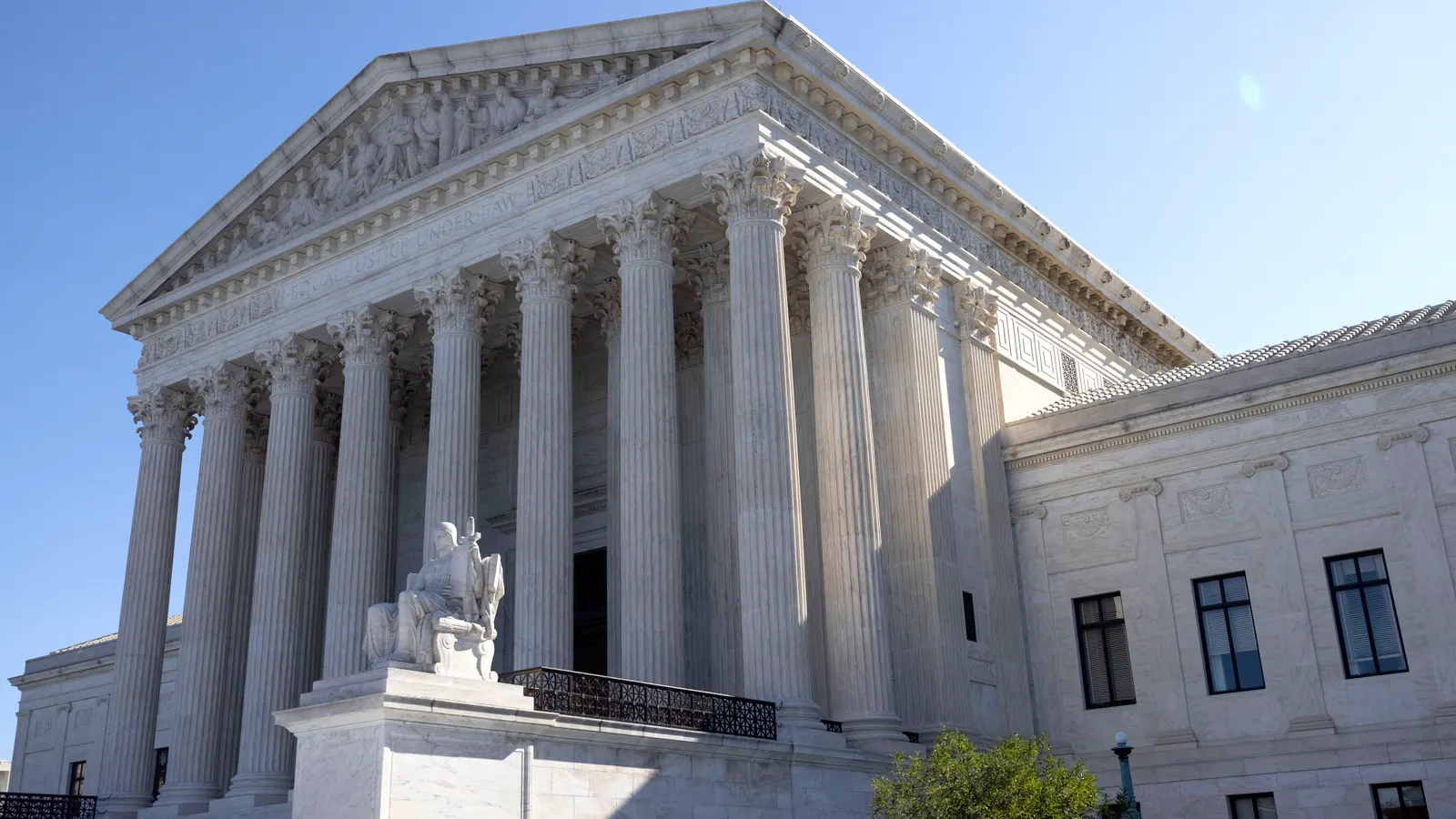
The decision, handed down by U.S. District Judge Joan Azrack of the U.S. District Court for the Eastern District of New York, centers on a dispute in the D’Aiello v. Freeport High Schools case. The ruling provides critical insight into how federal courts are interpreting workplace slights, emotional distress, and statutory thresholds for employment discrimination in the wake of shifting Supreme Court precedents.
Ultimately, the court granted summary judgment in favor of the defendants on all federal claims, declining to exercise supplemental jurisdiction over remaining state-level allegations. The case highlights the high legal bar plaintiffs must clear to prove that verbal insults and workplace friction translate into material employment harm under Title VII of the Civil Rights Act of 1964 and the Americans with Disabilities Act (ADA).
Main Facts of the Case
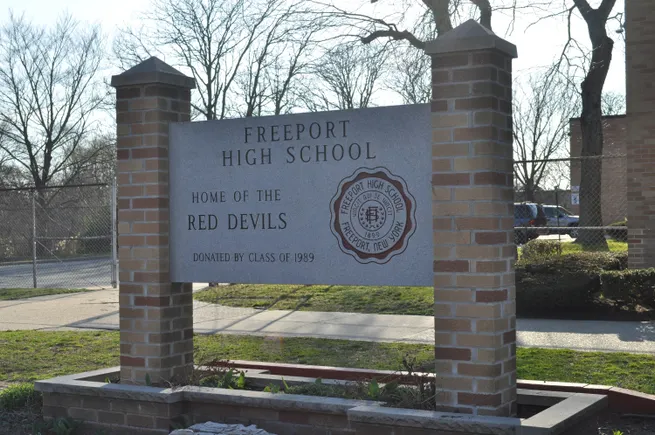
The plaintiff, a White former high school psychologist, initiated legal action against the Freeport School District, school leadership, and administrative staff after a series of interpersonal conflicts at work. At the heart of her federal complaint were allegations of racial and disability-based discrimination, a hostile work environment, and inadequate institutional responses to her grievances.
The core of the controversy began when the plaintiff and another White colleague were allegedly greeted by an assistant principal’s secretary with the remark: "Here comes Karen 1 and Karen 2."
To the plaintiff, the term "Karen"—frequently utilized in contemporary cultural discourse as a pejorative descriptor for entitled or demanding White women—represented a direct racial slur. Following the incident, the plaintiff escalated the matter to school leadership, setting off a chain of internal meetings, investigations, and escalating tensions that ultimately led to her resignation three years later.
In her subsequent lawsuit, the plaintiff argued that the name-calling, combined with subsequent mocking behavior from the secretary and what she perceived as administrative indifference, created an untenable and discriminatory work environment. She cited significant emotional distress, physical manifestations of anxiety, and financial expenditures on medical care and personal leave as direct damages resulting from the hostile workplace culture.
However, Judge Azrack found that these grievances failed to meet the statutory definition of an "adverse employment action"—a fundamental prerequisite for establishing a successful discrimination claim under federal law.
Chronology of Events
The legal battle in D’Aiello v. Freeport High Schools spans several years of escalating workplace friction and procedural steps:
- May 2021: The initial incident occurs when an assistant principal’s secretary allegedly addresses the plaintiff and a fellow White employee as "Karen 1 and Karen 2." The plaintiff immediately objects, viewing the moniker as a racially derogatory attack.
- Shortly After the May 2021 Incident: An internal meeting is convened to address the grievance. During this meeting, the secretary reportedly mimics the plaintiff’s speech patterns and physical mannerisms—behavior the plaintiff interprets as mocking her disability. When asked to stop, the secretary immediately ceases the behavior and apologizes for the initial "Karen" remark.
- Continuation of the 2021 Meeting: As the conversation continues, participants debate whether the term "Karen" qualifies as a racial remark. The dialogue devolves into mutual disagreement, prompting the plaintiff to seek further institutional intervention.
- Post-Meeting Formal Complaints: The plaintiff files a Title VII complaint with school officials and requests that the Freeport School District investigate name-calling and aggressive workplace behavior. Notably, the plaintiff omits checking the specific box on the intake form indicating that race formed the basis of the complaint.
- The District Investigation: The Freeport School District launches an internal investigation into the matter, ultimately issuing a formal report concluding that the conduct did not meet the legal threshold or criteria for unlawful harassment.
- 2024 (Resignation and Lawsuit): Citing a continued sense of isolation, institutional dismissal, and ongoing mistreatment by both the secretary and the assistant principal, the plaintiff submits her resignation letter. By this time, she has already filed a formal federal lawsuit alleging violations of Title VII, the ADA, and New York state anti-discrimination laws.
- October 2024: Judge Joan Azrack issues a decisive ruling granting summary judgment to the school district and defendants on all federal claims, effectively bringing the federal litigation to a close.
Supporting Data and Legal Reasoning
The crux of Judge Azrack’s legal analysis relied heavily on the absence of a materially adverse employment action—a central tenet of federal discrimination jurisprudence.
The plaintiff attempted to substantiate her claims of harm by pointing to severe emotional distress, medical expenses incurred for anxiety medication, and the necessity of taking personal leave. However, the court pointed to the U.S. Supreme Court’s landmark ruling in Muldrow v. City of St. Louis, which established that plaintiffs must demonstrate "some harm" regarding the terms, conditions, or privileges of employment as a direct result of discriminatory actions.
Judge Azrack ruled that emotional strain, personal offense, and out-of-pocket expenses for medical care—while genuinely distressing to the individual—do not constitute actionable, materially disadvantageous changes to a person’s employment status.
"Although the remarks may have been ‘unpleasant’ to her, that alone does not constitute a materially disadvantageous change in employment sufficient to qualify as an adverse action," Judge Azrack wrote in her opinion.
Furthermore, the court evaluated the plaintiff’s claims regarding the adequacy of the school district’s internal investigation. The judge determined that the plaintiff failed to present any credible evidence showing that the district neglected its duty or conducted a substandard review of the reported behavior. Because the verbal remarks did not materially alter her job responsibilities, compensation, or career trajectory, the federal claims crumbled as a matter of law.
Official Responses and Institutional Reactions
Representatives for the Freeport School District maintained throughout the litigation that the institution acted in good faith, addressing employee grievances promptly and conducting thorough internal reviews when complaints were formally lodged.
While school district officials and defense counsel declined to provide extensive public commentary following the October 2024 ruling, court documents reflect their consistent defense: that everyday workplace disagreements, personality clashes, and culturally loaded slang terms do not automatically equate to systemic racial or disability discrimination.
The plaintiff and her legal counsel argued that institutions must take cultural microaggressions and identity-based insults far more seriously, warning that dismissing terms like "Karen" normalizes hostility in professional environments. Nevertheless, the federal court’s dismissal shuts down avenues for federal recovery under the specific facts presented, leaving the plaintiff without a federal remedy for the interpersonal conflicts she experienced at Freeport High Schools.
Broader Implications for Workplace Discrimination Law
The decision in D’Aiello v. Freeport High Schools arrives at a fascinating intersection of modern employment law, cultural lexicon shifts, and evolving judicial standards. It sheds light on how federal courts are managing the post-Muldrow legal landscape.
The Aftermath of Muldrow v. City of St. Louis
In Muldrow, the U.S. Supreme Court lowered the threshold for Title VII plaintiffs, eliminating the requirement to show "significant" or "substantial" harm and replacing it with a requirement to show simply "some" disadvantageous change.
This shift led many legal analysts to predict an influx of litigation stemming from minor workplace slights, hurt feelings, and routine administrative friction. However, federal courts have demonstrated notable restraint, signaling that while the hurdle of "significant" harm is gone, plaintiffs must still prove that the challenged conduct directly impacted their employment status or working conditions in a tangible way.
Recent rulings across various circuits reinforce this cautious judicial approach:
- The 10th Circuit Court of Appeals recently ruled in favor of a Department of Energy laboratory operator, determining that a Christian employee resource group could not sue under discrimination statutes merely because its official sponsorship was revoked over policy disagreements, as members suffered no change in employment status.
- The 1st Circuit Court of Appeals held in March that placing an employee on a Performance Improvement Plan (PIP) is not inherently discriminatory, as a PIP serves as a corrective tool rather than an automatic alteration of employment terms.
Where Do Offensive Comments Draw the Line?
While the Freeport High School case establishes that a generalized insult like "Karen" does not cross the threshold of an adverse employment action under the circumstances presented, the courts continue to evaluate offensive language on a case-by-case basis.
For instance, the distinction between a generalized cultural pejorative and a historically recognized racial slur remains stark in federal jurisprudence. The 5th Circuit Court of Appeals previously ruled that a supervisor’s single use of a severe racial slur can be severe enough, depending on the totality of circumstances, to support a hostile work environment claim.
Key Takeaways for Employers and HR Professionals
Legal experts observing the D’Aiello ruling emphasize several vital lessons for human resources departments and school administrators:
- Clear Definitions of Harassment: Employers should ensure their internal policies clearly distinguish between actionable harassment (which involves severe or pervasive conduct altering employment conditions) and routine workplace interpersonal friction or name-calling.
- Prompt Investigation Protocols: Freeport School District’s defense was bolstered by the fact that it promptly investigated the employee’s complaints and documented its findings. Robust, timely, and neutral internal investigations remain a primary line of defense for employers.
- Cultural Sensitivity Training: While a "Karen" remark may not meet the federal threshold for a Title VII violation, managing cultural slang and emerging pejorative terms proactively through professional conduct training can prevent workplace environments from devolving into toxic disputes.
As federal courts continue to parse the boundaries of workplace interactions post-Muldrow, D’Aiello v. Freeport High Schools stands as a clear reminder that not every unpleasant exchange, cultural insult, or hurt feeling in an office or school hallway constitutes a violation of federal civil rights law.