Seven years removed from its roots as a division within Panasonic, i-PRO has emerged as a distinct, agile force in the global professional security and public safety landscape. As the company marks this significant anniversary, it is clear that the organization of 2026 bears little resemblance to the entity that first spun off in 2019. By pivoting toward a strategy defined by artificial intelligence (AI), edge computing, and open-platform architecture, i-PRO is successfully navigating the transition from a traditional hardware manufacturer to a provider of software-defined, intelligent infrastructure.
The Foundations of Independence: A Chronology of Transformation
The journey of i-PRO since its inception as an independent entity has been characterized by a methodical, multi-year strategy to decouple from its parent company while simultaneously building a robust, self-sustaining operational ecosystem.
- 2019: The Breakaway. i-PRO officially begins its journey as an independent organization, setting the stage for a new operational culture focused on agility and specialized security technology.
- 2020–2024: Infrastructure and Strategic Investment. The company focuses on foundational stability, investing heavily in global supply chain resilience, cybersecurity frameworks, and the integration of AI into its core hardware offerings.
- October 2025: Manufacturing Sovereignty. The commissioning of the Saga Factory in Japan marks a pivotal moment. By localizing critical production and inspection processes, i-PRO secures greater control over its supply chain and quality assurance.
- March 2026: Operational Unification. i-PRO completes the transition of wholesale and marketing functions for the Japanese market, previously managed by Panasonic Connect. This milestone brings the entire domestic value chain—from development to sales—under one roof, significantly reducing the "organizational distance" between engineers and end-users.
This structural evolution was not merely an administrative exercise; it was a strategic imperative designed to allow i-PRO to move at the speed of modern technology cycles.
Manufacturing and Operational Synergy
In the contemporary technology sector, hardware prowess is often undervalued in favor of software, yet i-PRO has recognized that the two are inseparable. The Saga Factory serves as a testament to this philosophy. By integrating advanced automation and digitalization into its production lines, i-PRO is not only manufacturing cameras; it is producing "computing endpoints."
This vertical integration—connecting design, manufacturing, and marketing—allows for a tighter feedback loop. When a customer identifies a need for a specific AI-driven analytics feature, the gap between that request and the production of a firmware update or a new hardware SKU is substantially narrowed. Coupled with its established manufacturing footprint in Suzhou, the Saga facility provides the geographical and operational redundancy necessary to thrive in an era of global supply chain volatility.
The Edge AI Revolution: Redefining Video Intelligence
Perhaps the most disruptive aspect of i-PRO’s growth is its aggressive deployment of Edge AI. By shifting the burden of data processing from centralized servers to the cameras themselves, i-PRO is fundamentally changing the architecture of modern security systems.
The rollout of the X-series Fisheye Cameras, which feature generative AI capabilities, represents a shift toward "intelligent surveillance." Instead of streaming raw, high-bandwidth video to a central server—a process that is both costly and prone to latency—i-PRO’s devices perform forensic analysis at the point of capture. This "Edge AI" approach allows for real-time decision-making, which is critical in public safety, retail management, and industrial monitoring.
Moreover, the company’s "AI On-Site Learning" capability addresses one of the most common complaints in the security industry: the lack of adaptability. Traditional AI models often struggle when moved from a lab environment to the unique lighting, layout, and activity patterns of a real-world facility. i-PRO’s technology allows the system to learn and adapt to the specific nuances of an individual environment, effectively "tuning" the AI to be more accurate and useful in its specific context.
An Open-Platform Ecosystem: Rejecting the "Walled Garden"
In an industry historically plagued by proprietary "walled gardens," i-PRO has taken a decisively open stance. This strategy acknowledges a reality that many legacy vendors are slow to accept: the future of security is interoperable.
By collaborating with industry leaders such as Milestone Systems—who recently honored i-PRO as its Innovation & AI Solution Partner of the Year—i-PRO is positioning its products as modular components within a broader enterprise architecture. Whether a client uses a specific cloud provider, a proprietary video management system (VMS), or a suite of third-party analytics, i-PRO’s hardware is designed to integrate seamlessly. This "platform-agnostic" approach is a major selling point for enterprise customers who need the flexibility to scale their security infrastructure without being locked into a single vendor’s ecosystem.
Cybersecurity as a Foundational Architecture
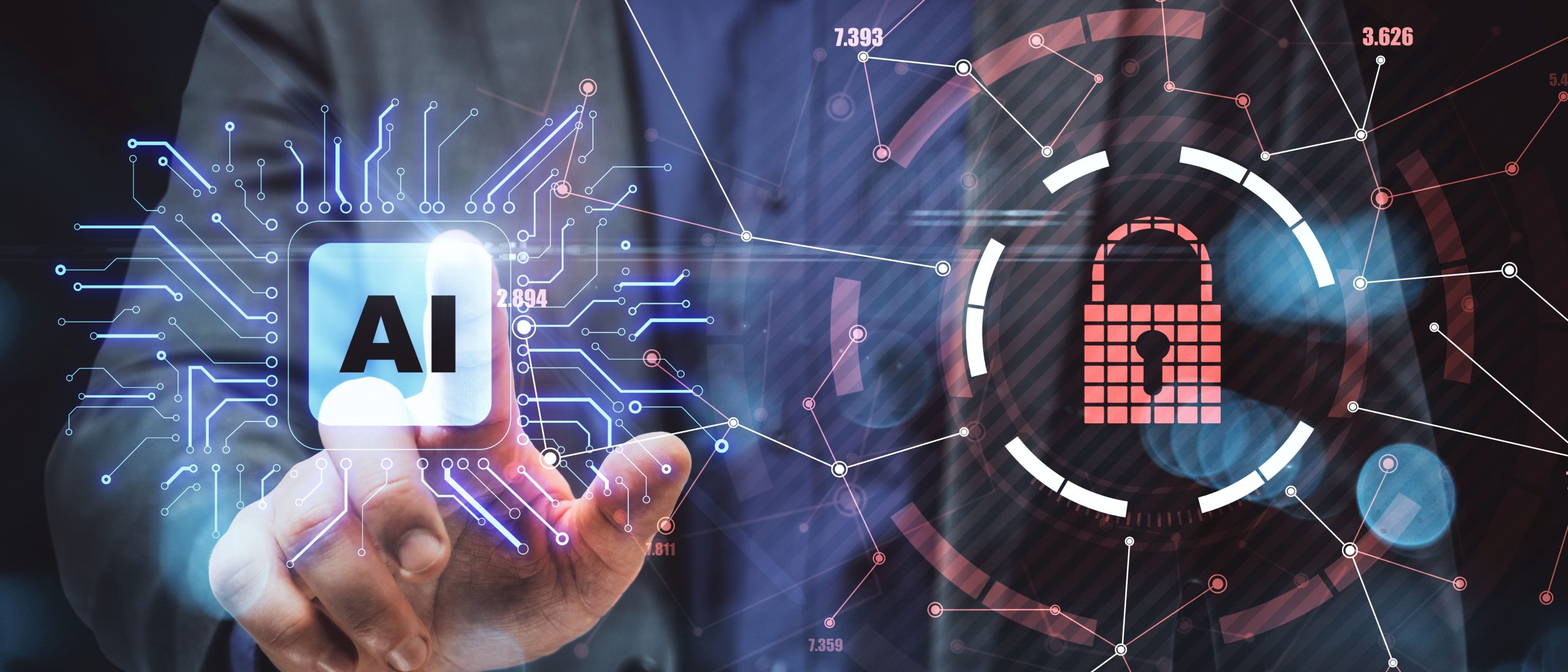
As video security cameras evolve into intelligent IoT devices, they inevitably become targets for cyberattacks. i-PRO has recognized that security is not a "feature" to be added at the end of development; it must be the foundation of the product architecture.
Through its Security Update Initiative, the company is systematically hardening its devices against evolving threats. This includes robust encryption, secure boot protocols, and a commitment to timely firmware patching. By embedding cybersecurity into the design phase, i-PRO is positioning itself as a reliable partner for government agencies and large corporations that have stringent data governance and risk management requirements.
Investing in Human Capital: i-PRO University
A technology-driven strategy is only as effective as the team that deploys it. Recognizing the growing skills gap in the security industry, i-PRO launched i-PRO University, an educational initiative aimed at training both its own employees and its wider partner network.
The curriculum covers a complex range of topics, including AI network configuration, cybersecurity best practices, and consultative sales strategies. This focus on education helps ensure that when an i-PRO product is installed, the end-user is receiving the full benefit of the technology. Furthermore, the company’s success in maintaining Great Place to Work certification across multiple regions suggests that this commitment to professional development is paying dividends in employee retention and institutional knowledge.
Corporate Governance and Sustainability
The appointment of Shohei Ozaki as Chief Sustainability Officer and the company’s entry into the United Nations Global Compact signal that i-PRO is looking beyond quarterly profits. In the modern enterprise, sustainability is a key metric for investors and clients alike. By integrating ESG (Environmental, Social, and Governance) principles into its core strategy, i-PRO is ensuring that its growth remains aligned with global standards for ethical and environmentally conscious business practices.
Implications: The Path Toward an Intelligent Future
As Masato Nakao, President & CEO of i-PRO, noted, the seventh anniversary is not merely a moment to look back, but a "beginning of our next stage of growth." The implications for the security industry are clear: the era of the passive, analog camera is effectively over.
The market is rapidly shifting toward what could be described as "Software-Defined Physical Security." In this model, the hardware is a commodity that provides a platform for intelligence. The value is increasingly derived from the software, the AI analytics, the cloud connectivity, and the ability of these systems to provide actionable insights rather than just raw footage.
For i-PRO, the challenge of its eighth year will be to maintain this momentum. As the convergence of IT and physical security accelerates, the company will face increasing competition from both legacy players and nimble, software-only startups. However, by combining the operational discipline of a seasoned manufacturer with the agility of an AI-focused technology firm, i-PRO is uniquely positioned to bridge the gap.
Ultimately, the company’s success will depend on its ability to prove that its "open and intelligent" vision is the most effective way to secure the complex, hyper-connected enterprise of the future. If the last seven years are any indication, i-PRO is not just watching the industry change—it is actively engineering the transformation.