


As winter approaches and temperatures drop across Northeast Ohio, homeowners turn their attention to a critical home comfort appliance: the furnace. For most of the year, heating systems operate quietly in the background. However, when the cold sets in, hidden mechanical issues quickly come to light.
Long before a heating system suffers a catastrophic failure, it usually leaves a trail of warning signs. Recognizing these indicators—such as rising utility bills, frequent mechanical breakdowns, uneven indoor temperatures, and strange noises—can save homeowners from the emergency of a total breakdown in freezing weather.
Navigating the choice between a simple repair and a full system replacement is one of the most significant maintenance decisions a homeowner will face. Understanding the life cycle of heating equipment, evaluating warning signs, and consulting with qualified professionals can turn a stressful crisis into a manageable, planned upgrade.
Main Facts: The Anatomy of Furnace Decline
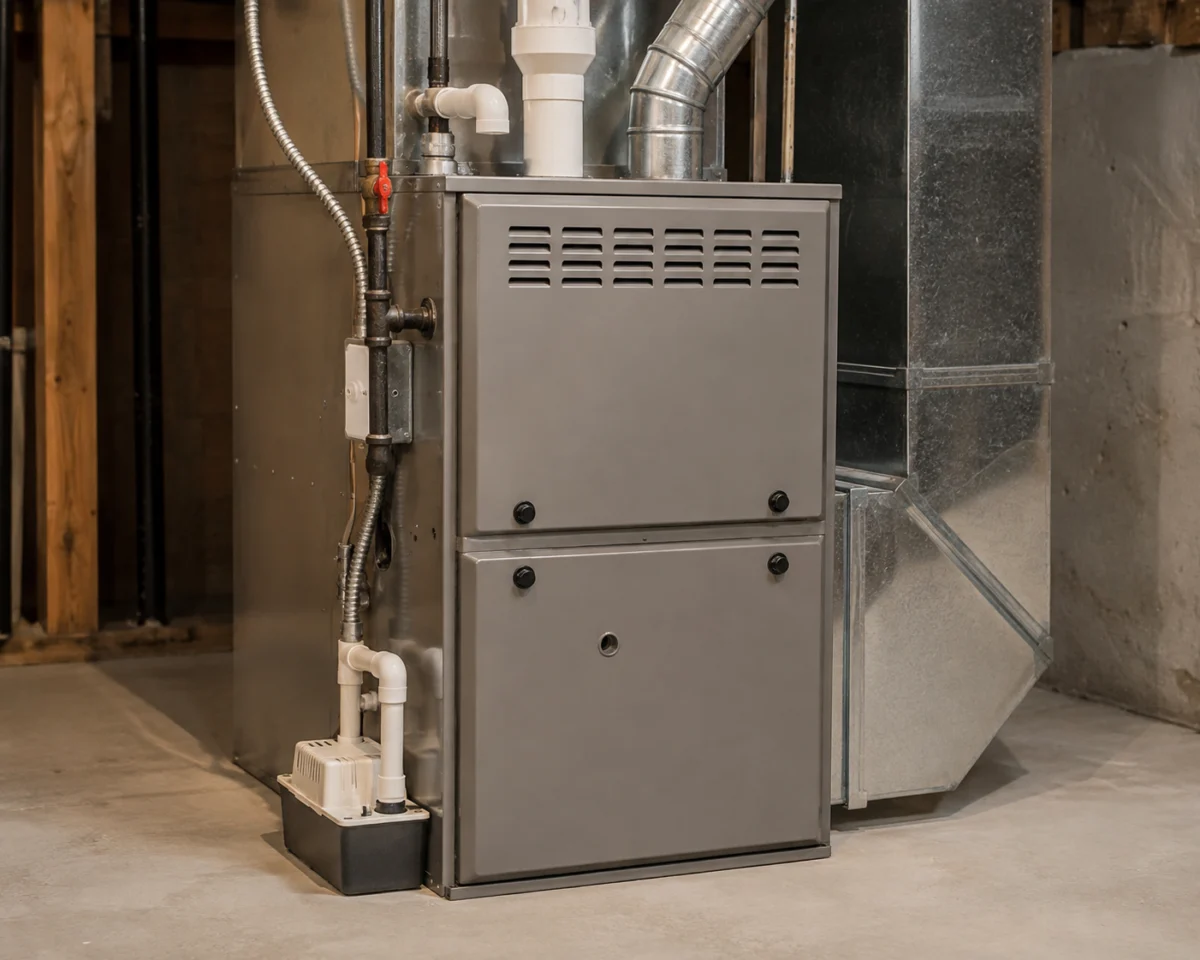
A residential furnace is a complex piece of climate-control machinery designed to keep indoor spaces safe and comfortable. Like any mechanical system, it experiences wear and tear over time.
The baseline facts regarding residential heating systems are clear:
- Expected Lifespan: Most standard residential furnaces have a projected operational lifespan of 15 to 20 years.
- The Culprits of Failure: Heat exchangers, blower motors, igniters, and control boards bear the brunt of thermal stress and are the most common components to fail as a unit ages.
- The Multi-Factor Equation: Replacement decisions are rarely driven by a single variable. Age, frequency of breakdowns, efficiency ratings, and overall home comfort must be evaluated together.
When an older furnace begins to falter, homeowners are faced with the "repair-versus-replace" dilemma. While minor repairs can often extend the life of a relatively new system, pouring money into an outdated, failing furnace often results in diminishing returns.
Chronology: The Lifecycle of a Residential Furnace
To understand when a furnace needs replacement, it helps to look at the typical lifecycle of the equipment from installation to retirement.
Years 1–5: The Reliability Era
Freshly installed furnaces operate at peak efficiency. With proper installation and adherence to basic maintenance schedules—such as regular filter changes—these systems require little more than routine annual tune-ups. Manufacturer warranties typically cover major parts during this window.
Years 6–10: The Maintenance Window
As the system crosses the halfway mark of its expected life, minor components may begin to show wear. A flame sensor might need cleaning, or a capacitor may wear out. These are standard maintenance events and rarely indicate systemic failure. Professional tune-ups during this phase help maintain energy efficiency.
Years 11–15: The Threshold of Wear
At this stage, the furnace approaches the lower boundary of its expected lifespan. Systems that have been neglected—skipped filter changes or missed annual inspections—may begin to experience accelerated wear. Components like draft inducers or igniters are common failure points. Homeowners must weigh the cost of repairs against the remaining years of expected service.
Years 16–20+: The Replacement Horizon
Once a furnace reaches or exceeds the 15-to-20-year threshold, it enters the replacement window. Even if the system still produces heat, its internal components are heavily fatigued. The risk of major component failure, such as a cracked heat exchanger, increases significantly. At this stage, planning for a replacement before a failure occurs is generally recommended.
Supporting Data: Warning Signs and Efficiency Metrics
Data from energy authorities and major HVAC manufacturers highlight specific indicators that signal a furnace is nearing the end of its useful life.
1. Advancing Age
Age is the most reliable baseline indicator. If a furnace is approaching or has surpassed the 20-year mark, its operational reliability declines sharply. Even if it continues to function, modern furnaces offer significantly higher Annual Fuel Utilization Efficiency (AFUE) ratings, meaning older systems waste a considerable amount of fuel.
2. Escalating Repair Frequency
A single repair every few years is normal. However, if a furnace requires multiple service calls within a single heating season, or if repairing one component is immediately followed by the failure of another, the system is signaling structural decline.
3. Unexplained Energy Bill Increases
When energy rates remain stable, but heating bills climb higher than in previous years for the same usage, the furnace is losing efficiency. Dust accumulation, mechanical wear, and aging burners force the system to work harder and run longer to achieve the same indoor temperature.
4. Persistent Comfort Issues
If certain rooms in the house remain freezing while others are too warm, or if the thermostat must constantly be adjusted to maintain comfort, the furnace may no longer be sized or powered correctly for the home’s needs. Declining airflow and failing blower motors are frequent causes.
5. Auditory and Visual Cues
Modern furnaces operate with a low, steady hum. Loud or new noises—such as banging, screeching, rattling, or booming—indicate mechanical trouble. Banging often points to delayed ignition in gas burners, which requires immediate professional inspection due to safety concerns.
6. Constant Cycling
A furnace that turns on and off rapidly (short-cycling) or runs continuously without satisfying the thermostat is operating abnormally. This wastes energy and places immense strain on the internal motor.
Official Industry Responses: Perspectives from Climate-Tech
Leading HVAC service providers, such as Climate-Tech operating in Northeast Ohio, emphasize that heating system management should be proactive rather than reactive.
According to heating specialists, the biggest mistake homeowners make is waiting for a complete system failure during a deep freeze. When a furnace breaks down entirely during severe weather, emergency replacement options may be limited, and premium pricing or extended wait times for installation often apply.
Industry standards established by organizations like Carrier and American Standard underline two fundamental pillars of heating longevity:
- Preventative Maintenance: Routine professional tune-ups allow technicians to catch minor worn parts before they cascade into major system failures.
- Correct Sizing and Installation: A new furnace is only as good as its installation. Proper sizing (Manual J load calculations) ensures that the equipment matches the exact thermal envelope of the home, maximizing efficiency and lifespan.
Climate-Tech advocates for a consultative approach. Instead of pushing for immediate replacement simply based on a unit’s age, technicians perform comprehensive diagnostic evaluations. Homeowners are walked through transparent findings, detailing whether a targeted repair makes financial sense or if a modern replacement will offer better long-term security and lower operating costs.
Implications: Making the Right Investment for Your Home
Choosing to replace a furnace is a significant financial investment, but delaying the decision when a system is failing carries hidden costs.
Financial Implications
- The Cost of Inaction: Continuing to repair an aging, inefficient furnace can quickly outpace the cost of a new installation. Between repeated service call fees and inflated utility bills, nursing an old furnace through another winter is rarely economical.
- Property Value: A modern, high-efficiency heating system enhances home value and serves as an attractive selling point for prospective buyers.
- Energy Savings: Upgrading from an 65% AFUE furnace from the 1990s to a modern 95%+ AFUE system results in immediate, noticeable reductions in monthly heating bills.
Safety Implications
Older gas furnaces carry risks that go beyond mere comfort. The most serious concern is a cracked heat exchanger. The heat exchanger separates combustion gases (including carbon monoxide) from the breathable air circulated through your home. As metal ages and undergoes thousands of thermal expansion cycles, cracks can form. A cracked heat exchanger can leak deadly carbon monoxide into the living space, making annual safety inspections and functioning carbon monoxide detectors vital for any home with an aging heating system.
Peace of Mind
Perhaps the most significant implication of replacing an aging furnace is reliability. Knowing that your heating system will ignite cleanly, maintain consistent temperatures, and operate safely through the coldest nights of the year provides invaluable peace of mind for you and your family.
Frequently Asked Questions
What are the primary signs that indicate I need a new furnace?
Key indicators include frequent mechanical breakdowns, escalating heating bills, uneven home temperatures, strange noises (such as banging or screeching), and a system that is over 15 to 20 years old.
How many years should a residential furnace last?
Most residential furnaces have an expected lifespan of 15 to 20 years, provided they have been properly maintained and correctly installed.
Is it always necessary to replace a furnace once it hits 20 years old?
Not automatically. While 20 years is the average end-of-life benchmark, a meticulously maintained furnace that runs efficiently may still have some useful life left. However, it should be monitored closely and evaluated by a professional technician.
When does it make sense to choose repair over replacement?
Repair is generally the best choice if the furnace is relatively young, the problem is isolated (such as a single failing electrical component), and the system has a history of reliable performance. Replacement becomes more practical when repairs are frequent or the unit is past its prime operating window.
Can regular maintenance truly extend my furnace’s lifespan?
Yes. Annual professional tune-ups, regular filter replacements, and prompt attention to minor issues reduce strain on internal components, keep efficiency high, and help your heating system reach—or even exceed—its expected lifespan.