WASHINGTON — In a major push to diversify and secure the nation’s domestic power portfolio, the U.S. Department of Energy (DOE) announced a massive federal investment exceeding $99 million. Targeted at 21 distinct projects scattered across the country, the funding aims to accelerate the deployment and commercialization of geothermal energy.
The initiative bridges a critical gap in renewable energy technology by supporting field-scale demonstrations of next-generation Enhanced Geothermal Systems (EGS) and aggressive exploration drilling. By tapping into subterranean heat that was previously inaccessible or economically unfeasible to reach, the federal government hopes to position geothermal power as a cornerstone of reliable, baseload clean energy, while simultaneously driving down development costs for the private sector.
Main Facts: Unlocking the Heat Beneath Our Feet
The newly unveiled $99 million federal funding package is structured to tackle two of the primary hurdles facing the geothermal industry: technical validation and resource risk.
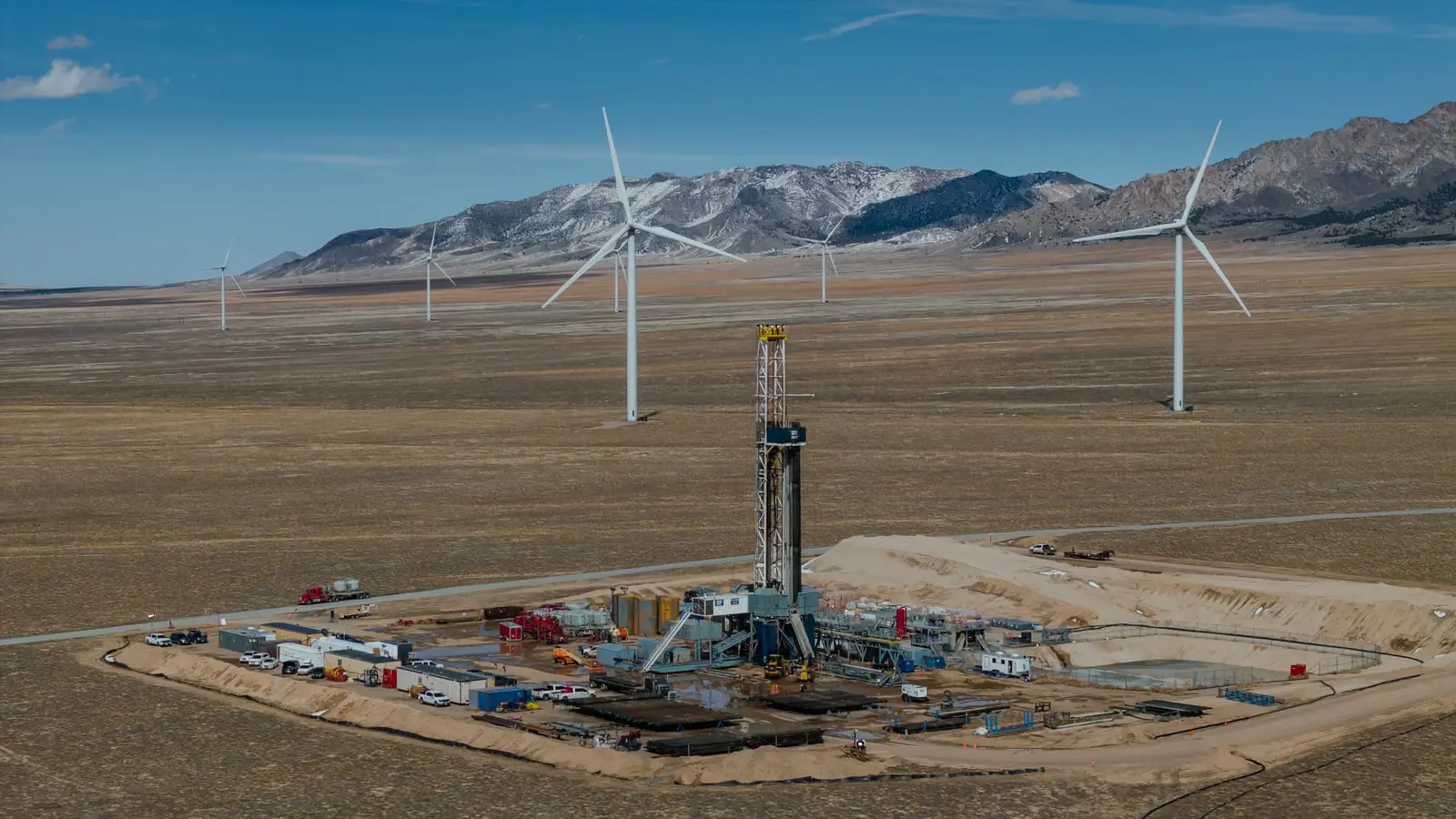
Of the 21 selected projects, five will execute large-scale, field-based tests of Enhanced Geothermal Systems. These projects are designed to validate cutting-edge drilling, reservoir creation, and heat-extraction technologies under rigorous, real-world subsurface conditions.
Meanwhile, the remaining 16 projects are dedicated to exploratory drilling and subsurface characterization. These efforts are meant to locate, measure, and verify promising new geothermal reservoirs—both next-generation EGS and conventional hydrothermal resources—drastically reducing the financial and technical guesswork that has historically stymied early-stage investors.
A cornerstone of the DOE’s announcement is its commitment to transparency and knowledge-sharing. All data generated by these 21 field tests and exploration campaigns will be made publicly available through the DOE’s Geothermal Data Repository (GDR). This open-access database is intended to supply industry developers, academic researchers, and local stakeholders with critical insights, helping the broader market de-risk subsequent commercial projects.
Chronology: The Evolution of U.S. Geothermal Policy and Funding
To understand the significance of this $99 million injection, it is helpful to look at the historical trajectory of U.S. geothermal research and development, which has evolved substantially over the past two decades.
- Early 2000s – 2010s (Foundational Research): For years, geothermal energy in the United States was largely restricted to naturally occurring hydrothermal systems found predominantly in the Western states (such as California and Nevada). These traditional sites relied on naturally occurring hot water and permeable rock. However, their geographic limitation restricted geothermal to a niche player in the broader energy matrix.
- The EGS Breakthrough (2010s – 2020): Recognizing that vast amounts of thermal energy exist almost everywhere if drilled deep enough, the DOE began heavily investing in Enhanced Geothermal Systems (EGS). Unlike traditional hydrothermal, EGS utilizes hydraulic stimulation techniques—borrowed and refined from the oil and gas sector—to create artificial permeability in hot, dry rock. Water is then pumped down through injection wells, heated by the earth, and brought back to the surface to drive electricity-producing turbines.
- The Bipartisan Infrastructure Law and Inflation Reduction Act (2021–2022): Federal support for advanced energy technologies accelerated dramatically with major legislative packages passed in the early 2020s. These laws provided unprecedented funding streams for clean energy deployment, transforming geothermal from a laboratory-scale curiosity into an aggressive commercialization priority.
- The Rise of Commercial EGS Pilots (2023–2025): Companies like Fervo Energy proved the viability of commercial EGS through breakthrough horizontal drilling and multi-stage fracturing projects (such as Cape Station in Utah and Project Red in Nevada). These commercial successes proved that oil and gas extraction techniques could successfully unlock geothermal energy in non-traditional geographies.
- The Present Day ($99M Announcement): Building directly on these commercial milestones, the DOE’s latest funding round seeks to transition EGS and advanced exploration from isolated corporate wins into a widespread, nationally scalable industrial reality.
Supporting Data and The Geothermal Potential
The economic and technical rationale for scaling geothermal energy is rooted in massive untapped potential. According to estimates by the U.S. Department of Energy’s Geothermal Technologies Office (GTO), just a fraction of the heat stored beneath the United States could power the entire country many times over.
Why Next-Generation Geothermal?
Traditional hydrothermal energy is geographically constrained; it typically requires the rare convergence of high subsurface heat, permeable rock, and abundant groundwater. This restricted its utility primarily to Western states.
Enhanced Geothermal Systems fundamentally rewrite this equation. By utilizing advanced directional drilling—allowing drill bits to steer horizontally miles beneath the earth’s crust—and precision reservoir stimulation, EGS can be deployed virtually anywhere in the country.
De-Risking the Subsurface
The primary barrier to geothermal development is upfront capital expenditure combined with high exploration risk. Drilling deep wells can cost tens of millions of dollars, and striking a dry hole can kill a project before it generates a single kilowatt-hour of electricity.

By co-funding 16 exploration drilling projects, the federal government is effectively absorbing a portion of this early-stage risk. The resulting geological data funneled into the Geothermal Data Repository will allow commercial developers to map the American subsurface with unprecedented precision, paving the way for private-sector capital to flow more freely into proven zones.
Official Responses and Strategic Vision
The announcement drew strong reactions from federal leadership, emphasizing the dual goals of energy affordability and national security.
"These projects will empower American innovators to unlock the tremendous geothermal resources beneath our feet," stated DOE Under Secretary of Energy Kyle Haustveit.
Haustveit placed the initiative within the broader context of national energy strategy: "Under President Trump’s leadership, we’re advancing next-generation geothermal technologies that can lower costs, strengthen American energy dominance, and turn more of our vast domestic geothermal resources into reliable and affordable power."
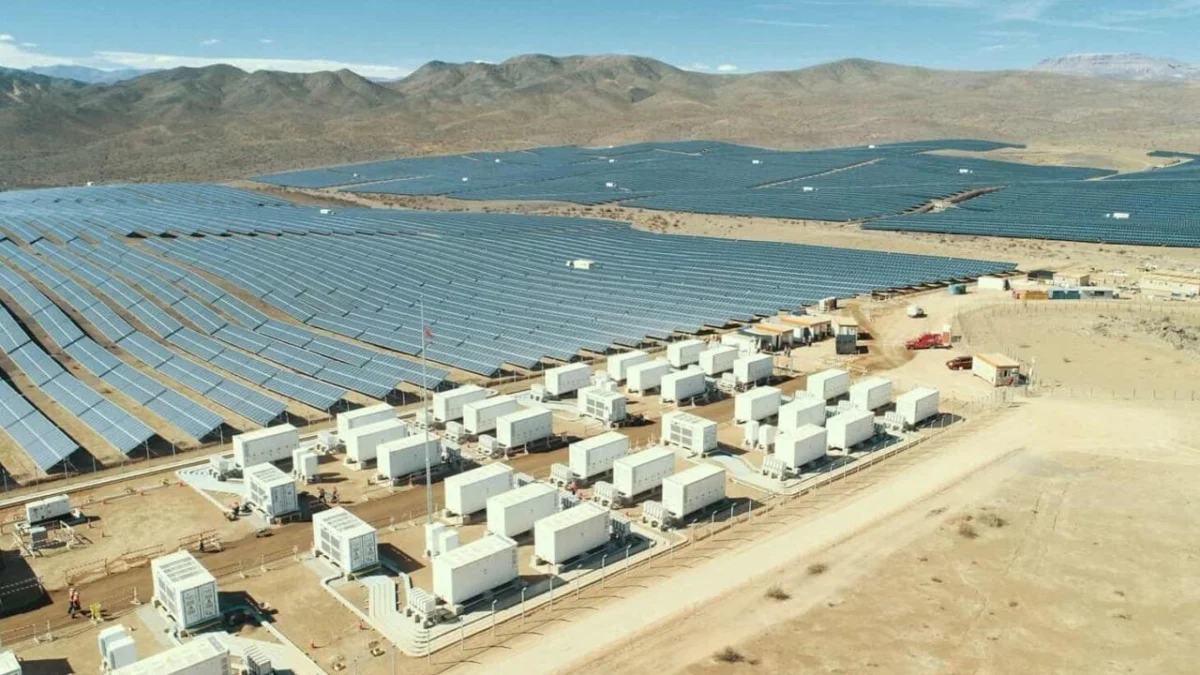
Industry advocates have similarly praised the focus on field-scale validation. Unlike solar and wind, which are variable and require battery storage to provide round-the-clock power, geothermal energy operates as a continuous, 24/7 baseload resource. It occupies a remarkably small physical surface footprint compared to wind farms or utility-scale solar arrays, making it uniquely attractive for data centers, industrial manufacturing, and grid stability.
Implications: What This Means for the Future of American Energy
The allocation of $99 million across 21 projects carries profound implications for the future of the U.S. electrical grid, the labor market, and the broader clean energy transition.
1. Strengthening Grid Reliability and Baseload Power
As coal-fired power plants retire and electricity demand surges—driven heavily by the explosive growth of artificial intelligence, data centers, and vehicle electrification—grid operators face unprecedented stress. Wind and solar provide phenomenal zero-carbon generation, but they are subject to weather variability. Geothermal provides clean, firm power that runs day and night, rain or shine, serving as the ultimate complement to variable renewables.
2. Transferable Workforce Skills
One of the most profound socio-economic impacts of next-generation geothermal is its synergy with the traditional oil and gas workforce. EGS relies heavily on directional drilling rigs, subsurface modeling software, well-logging tools, and hydraulic pumping infrastructure. As the geothermal sector scales up, it creates an immediate, highly lucrative transition pathway for petroleum engineers, roughnecks, geologists, and service-sector companies seeking to apply their specialized skills to clean energy development.
3. Geographic Expansion of Clean Energy
If the 16 exploration drilling projects successfully identify viable geothermal resources in non-traditional markets (such as the Midwest, East Coast, or Gulf Coast), the geographic footprint of geothermal energy could expand dramatically. This would allow regions historically lacking in strong wind or solar profiles to generate their own firm, local, clean energy.
4. Setting the Global Standard
By investing heavily in the cutting edge of EGS and data transparency through the Geothermal Data Repository, the United States is positioning itself as the undisputed global leader in next-generation geothermal technology. As international demand for zero-carbon baseload power skyrockets, American engineering firms and technology developers stand to capture substantial global export markets.
Conclusion
The DOE’s $99 million investment is more than just a collection of localized grants; it is a calculated bet on the future of American subsurface engineering. By systematically tackling the technical hurdles of deep-earth drilling and sharing the resulting data with the public, the federal government is laying the groundwork for an energy renaissance—one where the earth’s limitless internal heat helps power the future of the United States.