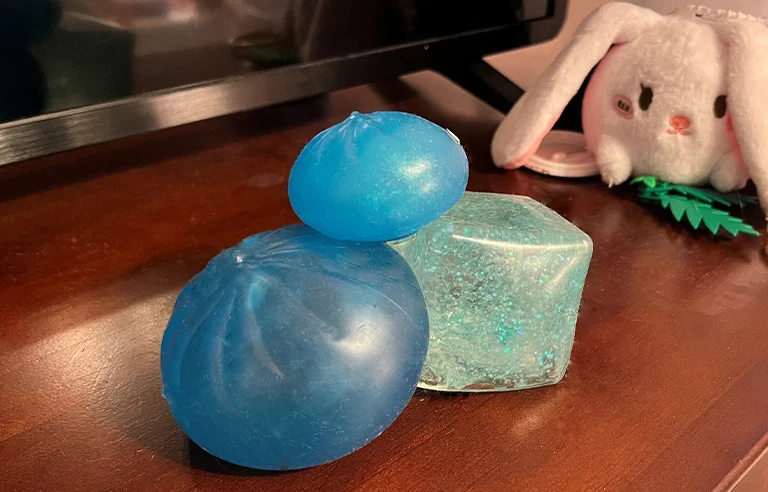
WASHINGTON — In an urgent new consumer advisory, the U.S. Consumer Product Safety Commission (CPSC) has issued a sweeping nationwide warning regarding a flood of counterfeit and imitation "squishy" toys infiltrating the American market. These viral, stress-relieving playthings—often molded to resemble popular cartoon characters, adorable animals, and miniature food items—have dominated social media feeds and playground wish lists for years. However, federal regulators warn that the knockoff versions flooding online marketplaces and discount storefronts are hiding alarming, potentially life-threatening dangers.
Beyond renewing long-standing federal warnings regarding severe burn hazards tied to specific variants of these products, the CPSC’s latest safety bulletin highlights severe non-compliance with foundational federal safety regulations. Counterfeit squishy toys, regulators caution, are frequently manufactured with dangerous levels of toxic heavy metals, restricted phthalates, hazardous choking hazards, and internal components that mimic the extreme dangers of expanding water beads.
As regulatory bodies struggle to police an increasingly complex ecosystem of third-party online sellers, the onus has fallen squarely on parents and caregivers to recognize fraudulent products and protect children from hidden domestic hazards.
Main Facts
The core of the CPSC’s emergency alert centers on the unchecked proliferation of fraudulent, cheaply manufactured squishy toys circulating through unregulated e-commerce platforms, third-party storefronts, and independent discount importers.
According to the federal safety agency, these imitation toys present a multi-layered threat to pediatric health:
- Toxic Chemical Exposure: Laboratory evaluations of counterfeit soft-foam and gel-filled toys consistently reveal severe violations of federal limits concerning lead and phthalates—chemical plasticizers known to disrupt endocrine systems and cause long-term developmental and neurological damage in children.
- Choking and Ingestion Hazards: Because counterfeit toys are produced without standard quality assurance protocols, their structural integrity is severely compromised. During normal, foreseeable play—such as squeezing, stretching, and twisting—these toys easily rupture, tear, or disintegrate. This degradation exposes small internal components, foam chunks, and hidden gel sacs that represent acute choking hazards for toddlers and young children.
- Water Bead Contamination Risks: Investigators have found that certain rogue manufacturers utilize internal filling materials that mirror the composition of expanding water beads. If ingested or inhaled, these super-absorbent polymers expand exponentially inside the human body, leading to life-threatening intestinal obstructions, tissue necrosis, and surgical emergencies.
- Severe Burn Hazards: The CPSC is concurrently reiterating urgent warnings regarding thermal injuries. Certain styles of squishy toys—particularly those designed to be heated, microwaved, or filled with thermal-retentive gels—pose an extreme risk of severe contact burns, chemical burns, and skin degradation if the casing ruptures during or immediately after warming.
The agency emphasizes that while authentic, brand-name squishy toys manufactured by reputable companies must undergo rigorous third-party testing to comply with the Federal Hazardous Substances Act (FHSA) and the Consumer Product Safety Improvement Act (CPSIA), counterfeiters routinely bypass these legal thresholds entirely.
Chronology of a Viral Hazard: The Rise of Squishy Toys and Regulatory Catch-Up
To understand the gravity of the current regulatory warning, it is necessary to examine the rapid trajectory of squishy toys from niche sensory novelties to a multi-million-dollar global phenomenon, and the regulatory challenges that followed.
Phase One: The Sensory Toy Craze (2017–2020)
Originating primarily in East Asian markets, polyurethane foam "squishies"—known for their slow-rise tactile properties—exploded onto the global market around 2017. Initially marketed as stress-relief tools for adolescents and adults, their bright colors, pleasant scents, and tactile appeal quickly captured the attention of younger children.
As demand skyrocketed, hundreds of independent manufacturers rushed to capitalize on the trend. During this initial boom, regulatory agencies noted early warning signs regarding pungent chemical odors emitted by cheap polyurethane foams, prompting isolated voluntary recalls over high levels of prohibited phthalates and volatile organic compounds (VOCs).
Phase Two: E-Commerce Expansion and the Counterfeit Boom (2021–2024)
As traditional brick-and-mortar retail gave way to direct-to-consumer e-commerce and algorithmic social media marketing (via platforms like TikTok and Instagram), the market was flooded with hyper-cheap knockoffs. Unscrupulous overseas factories began mass-producing counterfeit replicas of viral designs created by legitimate toy brands.
Operating outside the oversight of domestic safety compliance networks, these third-party sellers utilized drop-shipping models to bypass traditional customs checkpoints. By listing products under deceptive, frequently changing storefront names, counterfeiters made it nearly impossible for federal investigators to trace supply chains or issue targeted enforcement actions.
Phase Three: The CPSC Safety Alert and Escalating Incidents (2025–Present)
The convergence of emergency room reports detailing severe thermal burns, accidental poisonings, and foreign-body ingestions forced the CPSC to take aggressive action. Compiling data from hospital emergency departments, poison control centers, and consumer complaint portals, the agency formally concluded that the influx of fake squishy toys constituted an imminent hazard.
The release of the formal safety alert marks a strategic pivot by the CPSC: rather than merely responding to individual product recalls after injuries occur, the agency is equipping parents with proactive identification strategies to intercept fraudulent toys before they ever reach a child’s hands.
Supporting Data and Regulatory Insights
The scale of the counterfeit toy market in the United States represents a systemic challenge for federal authorities. According to data compiled by U.S. Customs and Border Protection (CBP) and consumer safety coalitions, toys consistently rank among the top categories for counterfeit goods seized at international borders.
The Chemical Reality: Lead and Phthalates
Under the CPSIA of 2008, children’s toys sold in the United States are legally barred from containing more than 100 parts per million (ppm) of total lead in accessible substrates, and certain phthalates are restricted to concentrations of no more than 0.1%.
However, independent testing commissioned by consumer advocacy groups frequently finds that counterfeit squishy toys routinely exceed these thresholds by orders of magnitude:
- Phthalates: Used to make rigid plastics soft and pliable, banned or restricted phthalates are often used indiscriminately in cheap counterfeit foams. When children mouth, squeeze, or handle these toys for prolonged periods, these chemicals can leach out through perspiration or saliva.
- Heavy Metals: Cheap pigments and dyes utilized in counterfeit manufacturing frequently contain traces of lead, cadmium, and arsenic to achieve vibrant, eye-catching hues.
Structural Integrity and "Foreseeable Use"
Federal safety standards dictate that children’s products must withstand "foreseeable use and abuse"—meaning they must not break apart into hazardous small parts when subjected to the normal rough-and-tumble play habits of children.
Laboratory drop-tests, tension tests, and bite-tests performed on counterfeit squishy toys reveal a staggering failure rate. Outer skins often shear open under minimal tensile stress, exposing toxic internal gel matrices, synthetic stuffing, or hidden plastic elements well within the size parameters of the small parts cylinder used by federal regulators to define choking hazards for children under three.
Official Responses and Agency Recommendations
In light of these escalating risks, the CPSC has released comprehensive guidelines aimed at helping parents identify counterfeit products, mitigate household risks, and respond effectively in the event of an emergency.
How to Spot Fake and Counterfeit Squishy Toys
The CPSC urges consumers to exercise extreme vigilance when purchasing toys online, particularly from third-party marketplaces where product authenticity is difficult to verify. Parents should look for the following red flags:
- Suspiciously Low Prices: If a viral toy typically retails for $15 to $25 from an authorized manufacturer, an online listing offering the exact same item for $2.99 with free shipping is almost certainly a counterfeit.
- Vague Packaging and Missing Tracking Labels: Authentic children’s toys sold in the U.S. must display permanent tracking labels containing the manufacturer’s name, production date, and batch information to facilitate recalls. Counterfeit items often arrive in plain plastic bags with no manufacturing credentials or compliance markers.
- Pungent Chemical Odors: Strong, noxious chemical smells—often resembling industrial solvents, gasoline, or cheap petroleum—are a strong indicator that the toy has been manufactured using unregulated, toxic compounds.
- Poor Craftsmanship: Faded paint, uneven seams, visible glue residue, and easily flaking outer coatings are hallmarks of substandard, fraudulent manufacturing.
CPSC Guidance: What to Do If a Burn Occurs
Because certain squishy toys present severe thermal hazard risks (particularly those designed to retain heat or featuring volatile chemical reactions), the CPSC has outlined immediate first-aid protocols for parents and caregivers in the event of a thermal or chemical burn:
- Remove the Source of Heat Immediately: Carefully take away the toy or any adhering material from the child’s skin, taking care not to tear fragile burned tissue.
- Cool the Burn: Immediately flush the affected area with cool (not cold or iced) running water for at least 10 to 20 minutes to reduce skin temperature and halt the progression of tissue damage.
- Remove Constrictive Items: Gently remove any rings, watches, or tight clothing near the burned area before swelling begins.
- Cover the Wound: Protect the burn by covering it loosely with a clean, sterile, non-fluffy dressing or a clean cloth. Do not apply butter, oils, ointments, or adhesive bandages directly to fresh burns, as these can trap heat or introduce infection.
- Seek Immediate Medical Attention: Call 911 or visit the nearest emergency room immediately if the burn is larger than the size of the child’s palm, affects the face, hands, feet, groin, or major joints, or if the skin appears charred, white, or leather-textured.
Broader Implications for Industry, Retailers, and Consumers
The CPSC’s aggressive warning on counterfeit squishy toys underscores a much larger, systemic vulnerability within the modern global supply chain. As retail consumption shifts increasingly toward decentralized, digital-first ecosystems, regulatory agencies are finding it difficult to keep pace with the influx of dangerous, unvetted consumer goods.
The Liability of Online Marketplaces
For years, consumer safety advocates and lawmakers have pressured major e-commerce platforms to assume greater legal and financial responsibility for third-party vendors operating on their platforms. While some major retailers have implemented automated screening tools to remove flagged listings, millions of fraudulent products continue to slip through the cracks, often reappearing under newly generated seller aliases within hours of being taken down.
The CPSC’s latest alert serves as a stark reminder that digital storefronts must be held to higher standards of vendor accountability. Industry analysts suggest that mounting pressure from federal regulators may force legislative changes, compelling online marketplaces to verify the supply-chain transparency and safety compliance certificates of all third-party toy sellers prior to product listing.
The Empowered Consumer
Ultimately, federal regulators emphasize that parental vigilance remains the absolute frontline defense against dangerous counterfeit goods. By purchasing toys exclusively from established, authorized brick-and-mortar retailers and reputable direct-to-consumer brands, verifying tracking and compliance documentation, and closely monitoring children during play, families can significantly mitigate the hidden dangers lurking behind viral toy trends.
Consumers who suspect they have encountered a counterfeit product, or who have experienced an injury related to a defective toy, are strongly encouraged to report the incident immediately to federal authorities via the CPSC’s official reporting portal at SaferProducts.gov.