WASHINGTON, D.C. — In the rapidly accelerating landscape of modern engineering, where embedded systems, artificial intelligence, and hardware-software integration converge at breakneck speeds, the role of technical journalism has never been more critical. At the helm of Electronic Design and Microwaves & RF is a seasoned engineer-turned-journalist who bridges the gap between complex silicon architectures and the engineers tasked with bringing them to life.
With an educational pedigree rooted in the Georgia Institute of Technology and Rutgers University, combined with decades of hands-on coding and hardware development, this editorial leader continues to shape how millions of developers, programmers, and technical managers consume industry insights. This profile explores the professional trajectory, editorial mission, multimedia footprint, and broader industry implications of one of the most influential voices in technical trade publishing.
Main Facts: The Editorial Engine Behind Electronic Design
At the core of Electronic Design’s daily operations is a rigorous commitment to delivering actionable, deeply technical content to a global audience of engineering professionals. Managing a publication that dictates trends in embedded computing, software development, and systems engineering requires a rare blend of technical acumen and journalistic precision.
Key Operational Pillars:
- Publications Managed: Electronic Design (Editor) and Microwaves & RF (Senior Content Director).
- Target Audience: Hardware engineers, software programmers, embedded systems developers, and technical managers.
- Content Delivery Channels: Daily web articles, in-depth technical analysis, video series (Kit Close-Up and TechXchange Talk), specialized blogs (AltEmbedded), and curated free newsletters.
- Core Technical Focus Areas: Embedded systems, software engineering, robotics, artificial intelligence, and high-frequency RF systems.
- Submissions Accepted: Product press releases for potential web coverage and peer-written contributed articles following strict editorial templates and release protocols.
Unlike generalist tech journalists, this publication’s editorial leadership relies on an active, practitioner-level understanding of the technologies being reported on. Whether evaluating the memory safety features of Rust in embedded environments or assessing the viability of Ada/SPARK in mission-critical systems, the content produced under this leadership is filtered through real-world engineering experience.
Chronology: From Silicon Valleys to the Editorial Desk
The journey from writing lines of low-level code to directing a premier engineering publication is marked by continuous learning, technological adaptation, and leadership growth.
Educational Foundations and Early Technical Work
- Undergraduate Studies: Earned a Bachelor of Electrical Engineering (BEE) from the prestigious Georgia Institute of Technology, establishing a robust foundation in circuit design, signal processing, and hardware fundamentals.
- Graduate Specialization: Pursued a Master of Science in Computer Science at Rutgers University, bridging the traditional divide between electrical engineering and advanced software computation.
- Active Coding and Web Development: Cultivated a versatile programming portfolio spanning legacy and modern languages, including C, C++, Rust, and Ada/SPARK. Beyond systems programming, expanded into web technologies, contributing custom PHP modules for Drupal-based platforms.
Transition to Technical Journalism
- Integration of Engineering and Media: Recognizing a growing industry need for content written by engineers for engineers, transitioned into technical publishing.
- Ascension to Senior Content Director: Took on leadership responsibilities across major industry titles, notably Electronic Design and Microwaves & RF.
- Multimedia Expansion: Spearheaded video initiatives such as Kit Close-Up and TechXchange Talk, bringing tactile hardware demonstrations and expert panel discussions to digital platforms.
- Blogging and Thought Leadership: Launched and maintained the AltEmbedded blog on Electronic Design, providing continuous commentary on niche embedded trends, alternative architectures, and software methodologies.
Supporting Data: Platforms, Engagement, and Multimedia Reach
To understand the scope of influence wielded by Electronic Design, one must examine the metrics of engagement and the diverse array of media formats utilized to reach modern engineers.
Content Reach and Engagement Channels
- Free Newsletters: Serving as the primary conduit for breaking industry news, component updates, and deep-dive tutorials, the publication’s newsletter subscriber base remains a vital touchpoint for engineering teams worldwide.
- Contributed Articles Program: A structured pipeline allowing industry experts, researchers, and corporate engineers to publish thought-leadership pieces. Contributors utilize standardized templates and signed release forms to ensure intellectual property compliance and editorial integrity.
- Video Journalism Initiatives:
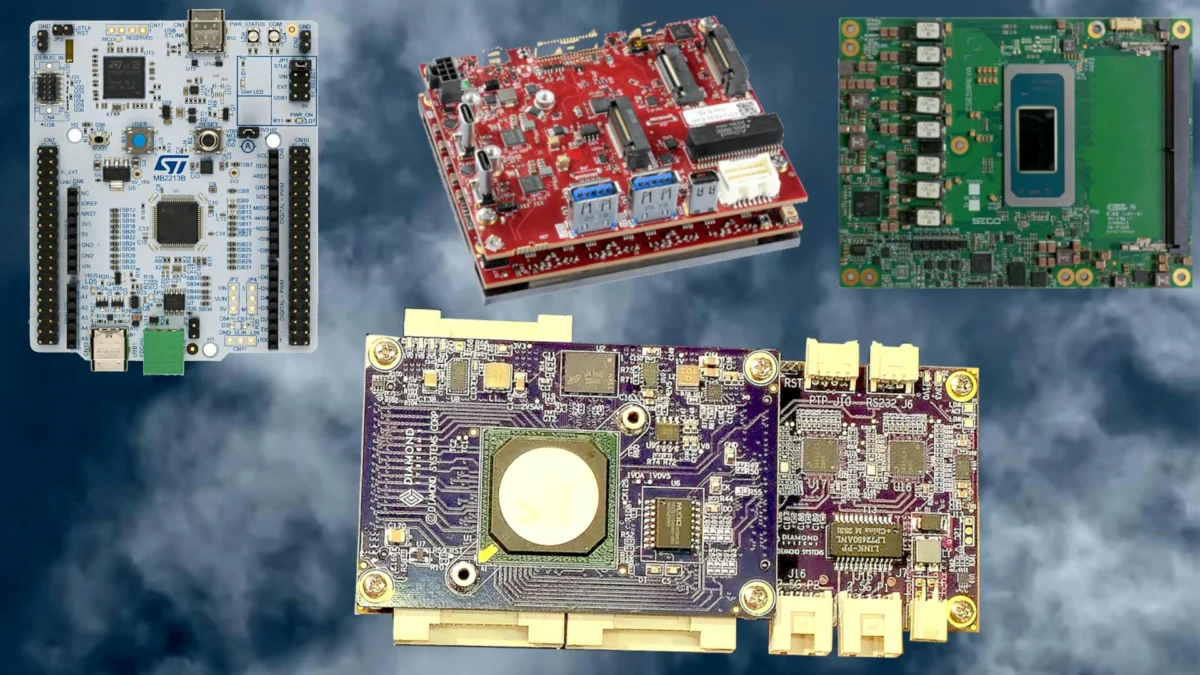
- Kit Close-Up: A specialized video series providing unboxings, teardowns, and hands-on evaluations of development kits, evaluation boards, and hardware modules.
- TechXchange Talk: A discussion-driven video format tackling complex engineering bottlenecks, market trends, and architectural shifts with industry leaders.
- Specialized Blogging (AltEmbedded): Offers a more personal, highly technical editorial perspective on embedded systems development, moving beyond standard product announcements to explore development paradigms.
Technological Competency Matrix
The diversity of programming languages mastered by the editorial leadership reflects the expansive scope of modern embedded systems:
- C / C++: The bedrock of embedded firmware, real-time operating systems (RTOS), and performance-critical hardware drivers.
- Rust: Increasingly vital for memory-safe systems programming in resource-constrained IoT devices.
- Ada/SPARK: Utilized in ultra-high-reliability sectors such as aerospace, defense, and automotive systems where formal verification is mandatory.
- PHP / Drupal: Applied to backend web infrastructure, demonstrating a willingness to maintain and build digital publishing tools firsthand.
Official Guidelines for Industry Contributors and PR Professionals
For public relations representatives, component manufacturers, and independent engineers looking to engage with Electronic Design and Microwaves & RF, the editorial team maintains clear, standardized submission pathways.
Protocol for Press Releases
- Scope: New product announcements, significant corporate milestones, technological breakthroughs, and strategic acquisitions relevant to embedded systems, electronics, and RF engineering.
- Action: Direct submissions to the editorial team for review and potential coverage across web portals and newsletters.
Protocol for Contributed Articles
- Requirements: Original, non-promotional, highly technical articles that offer genuine value to engineering professionals.
- Submission Process: Authors must utilize the official publication template and submit a signed release form alongside their manuscript. Detailed submission guidelines are publicly hosted on the Electronic Design contributor portal.
Implications: The Future of Embedded Systems Journalism
The trajectory of Electronic Design under this editorial leadership offers a clear window into the future of technical media. As engineering disciplines merge—blurring the lines between mechanical design, electrical circuitry, artificial intelligence, and complex software—the demand for authentic, practitioner-vetted journalism has never been higher.
1. The Death of Superficial Tech PR
In an era dominated by automated content generation and superficial product marketing, engineering teams require rigorous, hands-on validation. By maintaining active engagement with development kits, low-level coding, and hardware teardowns, editorial leaders ensure that published content withstands peer scrutiny from seasoned developers.
2. The Rise of Multimedia Engineering Education
The success of video series like Kit Close-Up and TechXchange Talk demonstrates that modern engineers consume technical knowledge across multiple modalities. Reading a static datasheet is no longer sufficient; developers expect visual, tactile demonstrations of hardware before committing to an architecture.
3. Securing the Software-Hardware Frontier
With languages like Rust gaining traction alongside traditional mainstays like C and C++, the conversation around memory safety, cybersecurity, and deterministic performance is paramount. Editorial platforms that actively champion these modern programming paradigms play a direct role in elevating industry-wide coding and design standards.
Conclusion
Through a rare combination of rigorous academic training, ongoing hands-on engineering practice, and dynamic multi-platform publishing, the editorial leadership at Electronic Design and Microwaves & RF continues to set the benchmark for technical journalism. By maintaining an open door for contributed expertise while aggressively exploring emerging domains like AI and robotics, the publication remains an indispensable resource for the architects of the modern technological world.