As autonomous systems break free from the predictable, highly controlled confines of warehouses and manufacturing plants, they face their ultimate proving ground: human-centric, highly dynamic consumer spaces.
From bustling airport terminals and crowded retail shopping centers to narrow healthcare hallways, indoor environments present an intricate labyrinth of shifting variables. Moving safely and efficiently through these spaces requires navigating unpredictable crowds, adapting to fluctuating lighting conditions, squeezing through narrow passages, integrating with existing physical infrastructure, and—above all—achieving a delicate, critical balance between absolute safety and fluid autonomy.
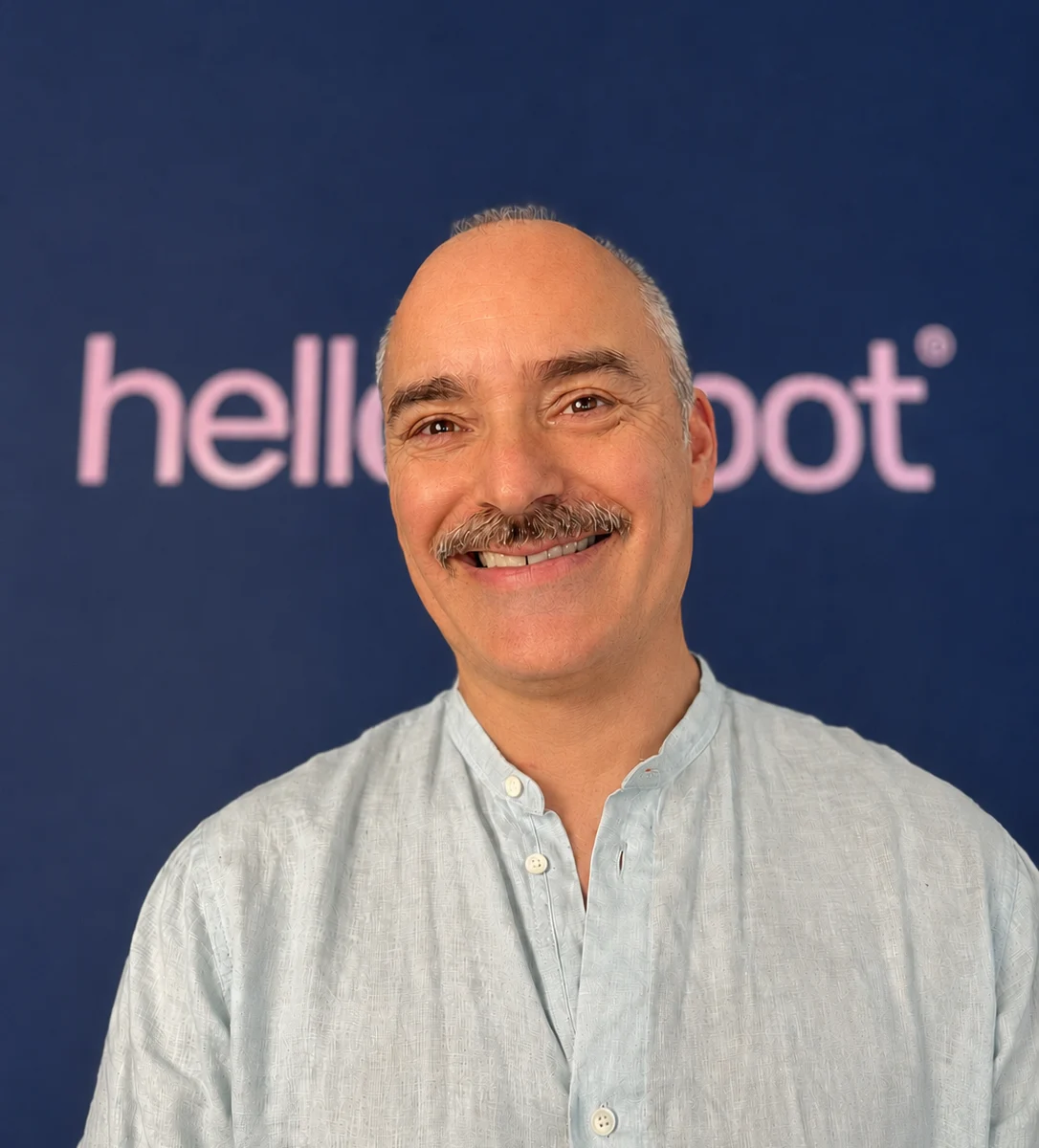
To dissect these formidable engineering hurdles, RoboBusiness 2026 has gathered two of the industry’s most prominent pioneers for a high-profile panel session. Titled “Shared Spaces: Navigating Challenges for Indoor Robots,” the session will feature Aaron Edsinger, co-founder and CEO of Hello Robot, and Matt Anderson, co-founder and CEO of A&K Robotics.
The premier commercial robotics event is slated for October 20 and 21, 2026, in Santa Clara, California. Edsinger and Anderson are scheduled to take the stage in the Engineering Theater at 3:30 p.m. PT on the opening day of the conference, offering attendees a rare glimpse into the future of socially intelligent, human-aware robotics.
Main Facts: The Frontier of Indoor Autonomy
The transition of mobile robots from industrial workhorses to everyday companions and enterprise service tools represents a massive paradigm shift in robotics engineering.
- The Core Challenge: Unlike structured warehouse environments defined by grid systems, barcoded floors, and restricted human access, indoor public spaces are inherently chaotic. Robots operating here must dynamically interpret human intent, gracefully yield right-of-way, and handle sudden, unexpected obstacles—such as a child darting across a walkway or a dropped bag.
- The Event: RoboBusiness 2026 serves as the premier annual gathering for commercial robotics developers, researchers, and enterprise buyers, highlighting cutting-edge intersections of artificial intelligence, machine learning, and advanced mechanical design.
- The Keynote Speakers:
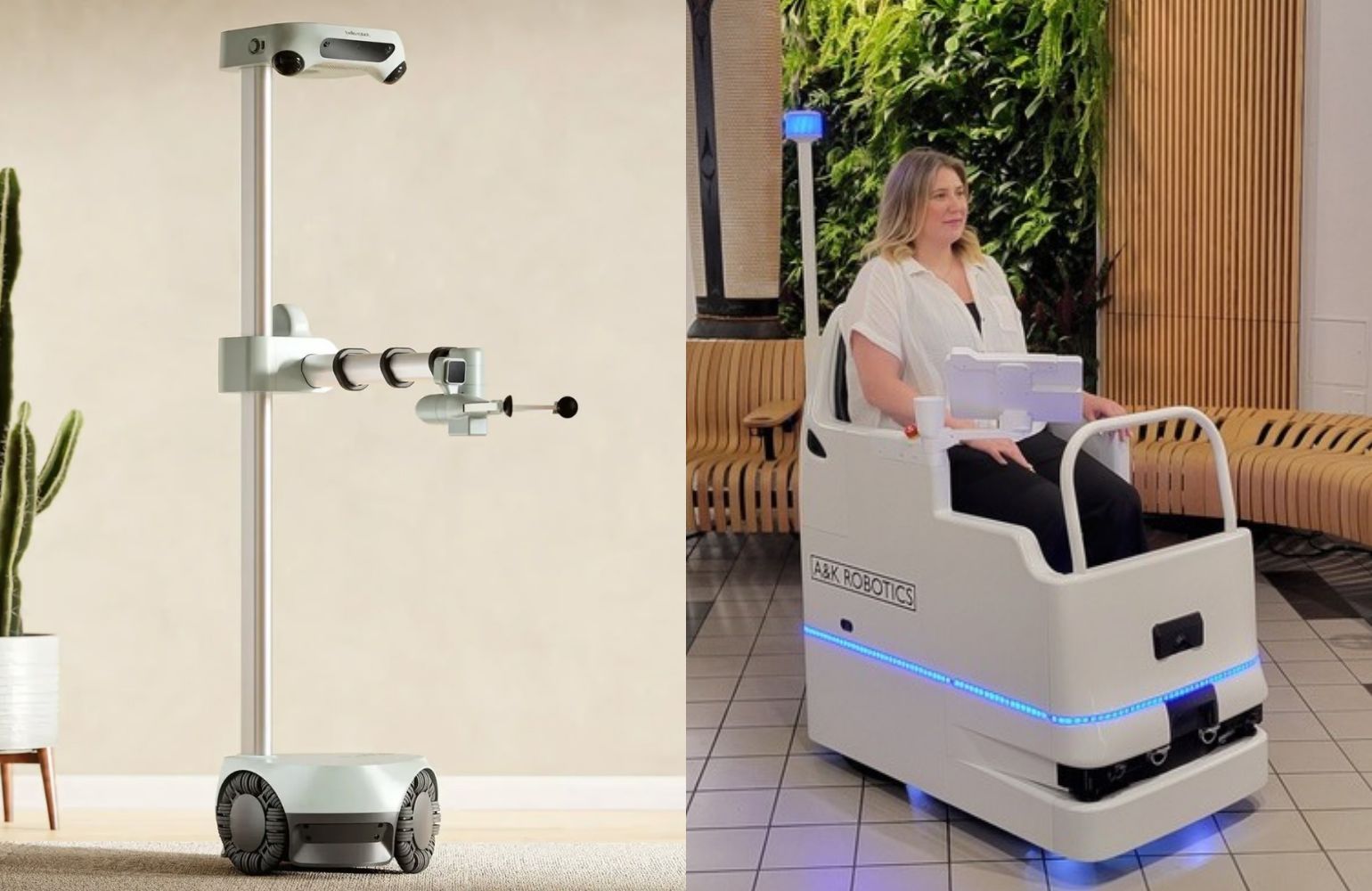
- Aaron Edsinger (Hello Robot): A veteran robotics entrepreneur with a storied history including Google acquisitions (Meka Robotics and Redwood Robotics) and deep expertise across the entire robot product stack. Hello Robot is currently making waves with its practical consumer-facing platforms, including the Stretch 4 mobile manipulator.
- Matt Anderson (A&K Robotics): An enterprise-focused autonomy expert spearheading institutional-grade mobility solutions. A&K Robotics builds infrastructure for complex public spaces, highlighted by the Cruz autonomous passenger pod and the Kineos AI socially intelligent navigation platform.
- Session Details: “Shared Spaces: Navigating Challenges for Indoor Robots” will take place on October 20, 2026, at 3:30 p.m. PT in the Engineering Theater at the Santa Clara convention venue.
Chronology: From Industrial Cages to Human-Centric Shared Spaces
To understand why indoor navigation remains a focal point of modern robotics research, it is essential to trace how autonomous systems have evolved over the past two decades.
Phase 1: The Industrial Isolation Era (Early 2000s – 2010s)
In the early days of modern commercial robotics, safety was achieved primarily through isolation. Industrial robotic arms and automated guided vehicles (AGVs) operated inside heavy-duty safety cages or dedicated floor lanes separated entirely from human workers. Systems relied heavily on rigid, pre-programmed paths, magnetic floor strips, or fixed laser barriers to ensure they did not collide with static objects.
Phase 2: The Warehouse Revolution (2010s – Present)
The acquisition wave of the early 2010s—symbolized by major tech investments such as Google’s 2013 acquisition of Meka Robotics and Redwood Robotics (led by Aaron Edsinger)—helped pivot the industry toward human-robot collaboration.
Simultaneously, logistics giants revolutionized warehousing with fleets of autonomous mobile robots (AMRs). While these systems introduced sophisticated Simultaneous Localization and Mapping (SLAM) algorithms, warehouses remained fundamentally controlled environments. Lighting was uniform, flooring was smooth, and humans were thoroughly trained to interact safely alongside the machines.
Phase 3: The Leap to the Public Domain (2020s and Beyond)
As hardware costs plummeted and AI cognition accelerated, developers began targeting unstructured public markets: airports, hospitals, hotels, and retail malls. Companies like A&K Robotics and Hello Robot emerged to bridge this gap.
Matt Anderson began deploying systems into environments where passengers expect intuitive, polite machine behavior, while Aaron Edsinger focused on human-scale manipulation and mobility designed to assist people directly in their homes and workspaces. Today, the industry stands on the precipice of widespread commercial deployment, making events like RoboBusiness 2026 critical forums for establishing best practices in safety, user experience (UX), and technical architecture.
Supporting Data & Ecosystem Insights
Deploying robots into shared spaces is not merely an algorithmic challenge; it is a complex systems-engineering problem requiring innovations across hardware, software, and enterprise integration.
The Anatomy of Indoor Navigation Challenges
- Dynamic Human Behavior: Humans do not move like rigid objects. They hesitate, change direction abruptly, travel in groups, and communicate through subtle body language and eye contact. Robots must interpret these cues in real-time to avoid creating "freezing" behaviors—where a robot stalls indefinitely because it cannot predict human movement.
- Infrastructure Limitations: Unlike modern warehouses built with robotics in mind, legacy buildings—such as historic transit hubs or decades-old hospitals—feature narrow elevators, irregular flooring, glass doors that confuse LiDAR sensors, and dead zones in Wi-Fi coverage.
- Regulatory and Safety Compliance: Public deployments face strict liability considerations. Autonomous systems must comply with evolving safety standards (such as ISO/UL standards for service robots) while maintaining transparent operational logs and reliable fail-safes.
Featured Technologies at RoboBusiness 2026
- Hello Robot’s Stretch 4: Representing the cutting edge of personal and functional mobile manipulation, the Stretch series features a lightweight, compliant arm mounted on a compact mobile base. It is designed to navigate tight domestic and institutional spaces while safely interacting with everyday objects and people.
- A&K Robotics’ Cruz & Kineos AI: The Cruz autonomous pod is engineered specifically for high-traffic environments like airport terminals, transporting passengers safely and reliably. Underpinning this hardware is Kineos AI, an advanced autonomy software platform designed to give machines "social intelligence"—enabling them to move smoothly and predictably around human crowds without causing friction or anxiety.
Official Perspectives & Industry Leadership
The expertise converging at RoboBusiness 2026 spans decades of pioneering work in commercializing intelligent hardware.
Aaron Edsinger: Building for the Real World
As co-founder and CEO of Hello Robot, Aaron Edsinger brings a holistic view of robot product design to the table. Having founded four companies centered on human-collaborative robotics—and having directed Google’s central robotics investments following the acquisitions of Meka Robotics and Redwood Robotics—Edsinger understands what it takes to scale technology from a research lab into a viable commercial product.
His work emphasizes the entire product stack:
- Mechanical Compliance: Utilizing force-controlled arms and soft actuators to ensure that physical contact with a human is inherently safe.
- Human-Robot Interaction (HRI): Designing user experiences that make robots approachable rather than intimidating to everyday consumers.
- Real-Time Control: Ensuring that low-level hardware control loops can react instantaneously to unpredictable environmental changes.
Matt Anderson: Institutional-Grade Autonomy
Matt Anderson, co-founder and CEO of A&K Robotics, approaches the problem through the lens of enterprise infrastructure and institutional reliability. With a diverse background spanning more than a decade of developing advanced technologies—from autonomous aerial drones to precision surgical devices—Anderson bridges the gap between high-level AI research and mission-critical enterprise deployment.

An alumnus of the Creative Destruction Lab’s AI and Machine Learning program, Anderson focuses heavily on:
- Socially Intelligent Navigation: Moving beyond simple obstacle avoidance to create machines that respect human social norms and spatial boundaries.
- Enterprise Trust: Translating complex autonomy stacks into turnkey, institution-ready solutions that facility managers, airport operators, and public-sector leaders can trust and integrate seamlessly into daily operations.
Implications: What Shared Spaces Mean for the Future of Robotics
The discussions at RoboBusiness 2026 carry profound implications for the broader technology landscape. Successfully solving indoor navigation in shared spaces will unlock massive new markets for the robotics industry.
1. Mainstream Consumer Acceptance
For decades, consumer interactions with robots were largely confined to robotic vacuum cleaners or novelty toys. As versatile mobile manipulators like Hello Robot’s Stretch series and autonomous transport pods like A&K’s Cruz become commonplace in offices, hotels, airports, and homes, public perception will shift from skepticism to everyday reliance. Proving that robots can navigate crowded, unpredictable environments safely is the ultimate key to building public trust.
2. Convergence of AI and Physical Systems
The challenges of indoor mobility are driving rapid advancements in edge computing and spatial AI. The software platforms powering modern service robots—such as socially aware path planners and vision-language models—are pushing the boundaries of machine cognition. Lessons learned in crowded indoor spaces will inevitably feed back into autonomous driving, drone delivery, and industrial automation.
3. Economic and Operational Transformation
In sectors facing persistent labor shortages—such as healthcare, hospitality, and aviation—indoor service robots offer a vital lifeline. By offloading routine transportation and logistical tasks to autonomous systems, facilities can enhance operational efficiency, improve the passenger and patient experience, and allow human staff to focus on high-value, interpersonal duties.
Attend RoboBusiness 2026
RoboBusiness 2026 is widely recognized as the leading annual event for commercial robotics developers, engineers, and enterprise adopters. Attendees will gain actionable insights into cutting-edge research, evolving industry standards, and innovative real-world applications across diverse sectors including manufacturing, healthcare, agriculture, and logistics.
Beyond premier technical sessions like “Shared Spaces: Navigating Challenges for Indoor Robots,” the conference features extensive networking opportunities designed to foster collaboration across the global robotics ecosystem.
Registration and Information
- Tickets: Full conference passes provide complete access to all keynotes, technical tracks, engineering theater presentations, networking receptions, and special events. Special discount programs are available for academia, industry associations, and corporate groups (inquiries can be directed via email to
[email protected]). Secure your pass via Cvent. - Sponsorship & Exhibition: Companies looking to showcase their technologies can review exhibition opportunities in the official RoboBusiness Prospectus. Sponsorship inquiries should be directed to Colleen Sepich at
[email protected].