Global Infrastructure Expansion
In a strategic move designed to fundamentally reshape the clinical translation timeline for next-generation precision oncology and targeted therapeutics, Perceptive Discovery and Nucleus RadioPharma have announced a non-exclusive strategic partnership. The collaboration is engineered to seamlessly bridge the notoriously complex chasm between initial target validation and clinical-scale manufacturing. By aligning their respective pipelines, the two companies aim to eliminate historic operational bottlenecks, slash development costs, and accelerate the delivery of life-saving radiopharmaceuticals to patients worldwide.
Main Facts: A Synchronized Pipeline for Radiopharmaceuticals
At its core, the newly minted partnership establishes a formal referral and collaborative framework whereby Perceptive Discovery and Nucleus RadioPharma will direct qualified customer opportunities to one another across the entire development continuum. Rather than merging corporate entities, the companies have opted for a flexible, non-exclusive strategic alliance overseen by a dedicated joint governance structure. This approach allows both organizations to preserve complete operational independence—ensuring clients retain uncompromised vendor choice—while gaining access to a deeply integrated, end-to-end development ecosystem.
The partnership directly targets the acute friction points that plague the radiopharmaceutical sector. Transitioning a radioligand candidate from benchtop discovery and preclinical imaging into Good Manufacturing Practice (GMP) compliant clinical production is historically fraught with regulatory hurdles, supply chain vulnerabilities, and technical misalignments. By fostering close coordination from the earliest phases of research, the alliance guarantees scientific and data continuity.
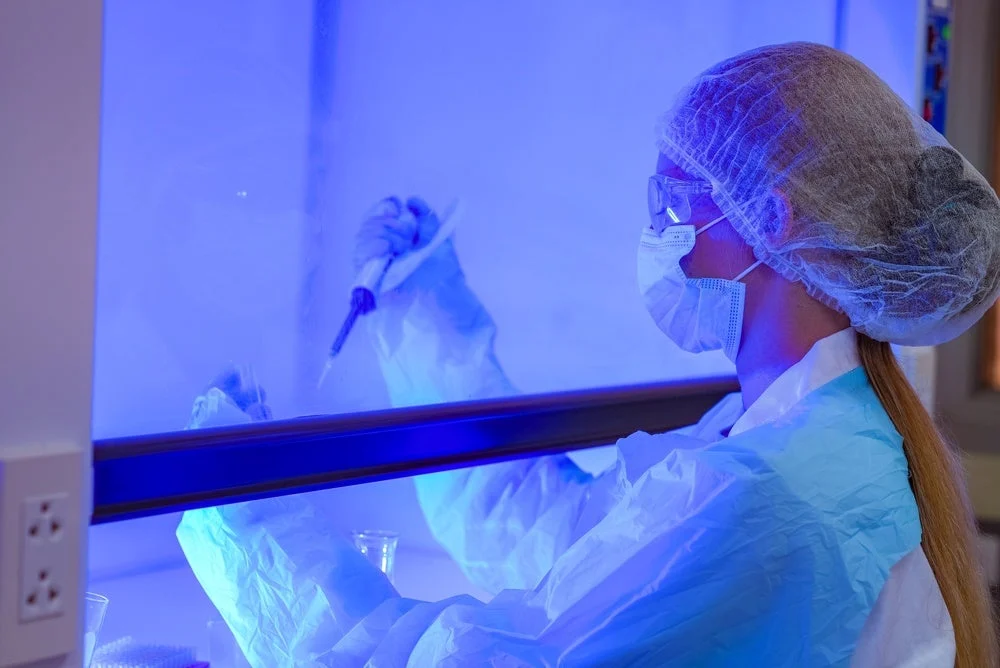
Perceptive Discovery brings to the table its recognized leadership in preclinical and translational research, specializing in molecular imaging, quantitative analysis, dosimetry, and sophisticated in vitro and in vivo studies. Conversely, Nucleus RadioPharma contributes robust contract development and manufacturing organization (CDMO) capabilities tailored explicitly for targeted radiotherapies, including GMP radiolabelling, specialized isotope supply chains, regulatory documentation, and commercial-scale drug product supply.
Chronology: The Evolution of the Discovery-to-Dose Continuum
The genesis of this partnership reflects a broader, industry-wide maturation in how radiopharmaceuticals are brought to market. Over the past decade, the field of targeted radionuclide therapy (TRT) has shifted from a niche oncological adjunct to one of the most dynamic sectors in modern biotechnology, driven by landmark clinical successes in prostate cancer, neuroendocrine tumors, and emerging solid-tumor targets.
- Early-Stage Fragmentation (Pre-2020s): Historically, developers navigated the radiopharmaceutical landscape in silos. Academic institutions and early-stage biotech startups relied on disparate preclinical contract research organizations (CROs) for target validation and imaging biodistribution. Once a candidate was selected, developers faced a daunting task in sourcing separate CDMOs capable of handling short-lived radioactive isotopes under strict GMP guidelines, often leading to costly re-engineering of manufacturing processes.
- The Rise of Translational Integration (2020–2024): As the complexity of radioligand design increased—incorporating novel isotopes, bifunctional chelators, and sophisticated targeting moieties—the industry recognized that manufacturability could no longer be treated as an afterthought. Preclinical imaging data required greater harmonization with downstream clinical trial designs.
- The Strategic Alliance (2026): Recognizing these persistent structural inefficiencies, leadership teams at Perceptive Discovery and Nucleus RadioPharma initiated discussions to formalize an integrated pathway. The resulting partnership establishes a formalized framework where preclinical imaging-derived dosimetry and biodistribution metrics from Perceptive feed directly into the clinical-scale manufacturing frameworks engineered by Nucleus, streamlining the journey from "Discovery to Dose."
Supporting Data and Technical Capabilities
The synergy between Perceptive Discovery and Nucleus RadioPharma is underpinned by complementary, highly specialized technical suites designed to de-risk every phase of the drug development lifecycle.
Perceptive Discovery: Preclinical and Translational Excellence
Perceptive Discovery operates as a specialized preclinical and translational research organization catering to sponsors in oncology, central nervous system (CNS) therapies, and radiopharmaceuticals. Its technical portfolio includes:
- Preclinical Modelling & Radiochemistry: Crafting and optimizing novel radioligand constructs.
- Molecular Imaging & Biodistribution: Mapping the spatial distribution and pharmacokinetics of candidate molecules in vivo.
- Quantitative Analysis & Dosimetry: Utilizing advanced imaging-derived metrics to predict human radiation absorbed doses, which directly informs clinical candidate selection and first-in-human (FIH) trial planning.
- In Vitro and In Vivo Studies: Rigorous preclinical evaluations designed to resolve early-stage development obstacles and validate target engagement.
Nucleus RadioPharma: CDMO Infrastructure and Scale
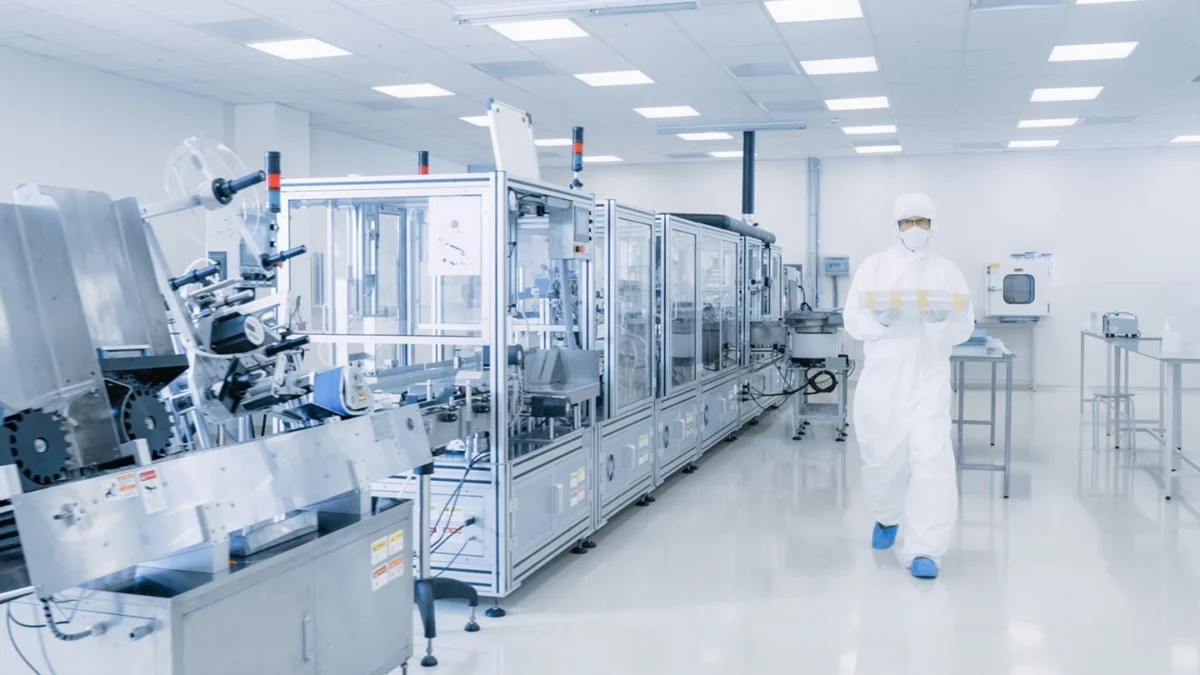
Nucleus RadioPharma acts as a premier contract development and manufacturing organization (CDMO) dedicated exclusively to targeted radiotherapies. Its operational infrastructure features:
- GMP Radiolabelling & Process Development: Translating laboratory-scale synthesis into scalable, reproducible manufacturing protocols.
- Formulation & Analytical Development: Ensuring product stability, purity, and potency under stringent regulatory standards.
- Regulatory & Quality Documentation: Providing comprehensive dossier support for Investigational New Drug (IND) applications and commercial filings.
- Isotope Supply Chain Management: Navigating the notoriously fragile global supply chain for medical isotopes to guarantee uninterrupted clinical and commercial drug product supply.
Official Responses and Industry Perspectives
Leadership from both organizations emphasized that the collaboration is built around the philosophy of patient-centric speed and scientific continuity.

Stephen Hahn, CEO of Nucleus RadioPharma, articulated the strategic vision behind the alliance, stating:
"Discovery to Dose is more than a handoff between companies. It is an integrated pathway designed to move promising radiopharmaceuticals from early science to patients faster, with manufacturability and scale considered from the beginning. By connecting Perceptive Discovery’s preclinical imaging leadership with our clinical and commercial manufacturing capabilities, we are giving our shared customers a clearer, faster route from target to clinic—and ultimately helping important new therapies reach patients sooner."
From the preclinical perspective, executives at Perceptive Discovery noted that the alliance solves a critical translational bottleneck. By establishing an aligned route toward clinical-scale manufacturing from the earliest phases of target validation, sponsors are shielded from the delays typically incurred when transferring complex biological and radiological data across disparate organizational boundaries.
Under the terms of the agreement, the partnership will not remain static. Both entities have committed to systematically evaluating operational performance over time. As customer demand evolves, the governance structure is empowered to broaden the remit of the partnership, potentially expanding into new therapeutic modalities, geographic regions, or specialized isotope platforms.
Implications for the Radiopharmaceutical Industry
The strategic partnership between Perceptive Discovery and Nucleus RadioPharma carries profound implications for the broader biopharmaceutical landscape, touching upon regulatory strategy, capital efficiency, and clinical timelines.
1. Mitigation of Operational Friction
The transition from preclinical validation to GMP manufacturing has long been a graveyard for promising biotech assets. Discrepancies in analytical methods, differing standards of documentation, and a lack of foresight regarding scale-up can add years and millions of dollars to a drug’s development cycle. By establishing a formalized, collaborative pipeline, Perceptive and Nucleus reduce the risk of "tech-transfer shock," ensuring that data generated during early imaging studies is natively structured to support downstream GMP processing.
2. Enhanced Capital Efficiency for Emerging Biotechs
For early-stage biotechnology startups and venture-backed accelerators, capital preservation is paramount. Navigating multiple vendor relationships requires substantial administrative overhead and often results in costly redundancies. An integrated pathway allows sponsors to streamline their outsourcing strategies, optimizing capital allocation toward biological discovery and clinical execution rather than managing vendor friction.
3. Accelerating the Path to Patient Impact
Ultimately, the primary metric of success in radiopharmaceutical development is the speed with which innovative therapies reach the clinic. Radioligands are uniquely challenging due to the radioactive decay of their payload isotopes, meaning that supply chain logistics and manufacturing proximity are intimately tied to clinical viability. By coupling Perceptive’s predictive dosimetry with Nucleus’s robust supply chain and manufacturing network, the partnership lays a solid foundation for more predictable, timely clinical trial execution.
As the radiopharmaceutical sector continues to attract significant investment and scientific focus, collaborative models like the one established by Perceptive Discovery and Nucleus RadioPharma may well serve as the industry blueprint for how complex, multidisciplinary therapeutics are successfully translated from the laboratory bench to the patient bedside.