The landscape of electric micro-mobility is undergoing a profound paradigm shift. For decades, the fundamental architecture of bicycles—whether acoustic or electrified—has relied on a rigid mechanical connection between the rider’s legs and the rear wheel. Chains, belts, and gearboxes have translated human biomechanical output directly into forward momentum. However, as urban density increases and consumer expectations for refined, automotive-grade user experiences grow, engineers are beginning to question the necessity of the physical chain.
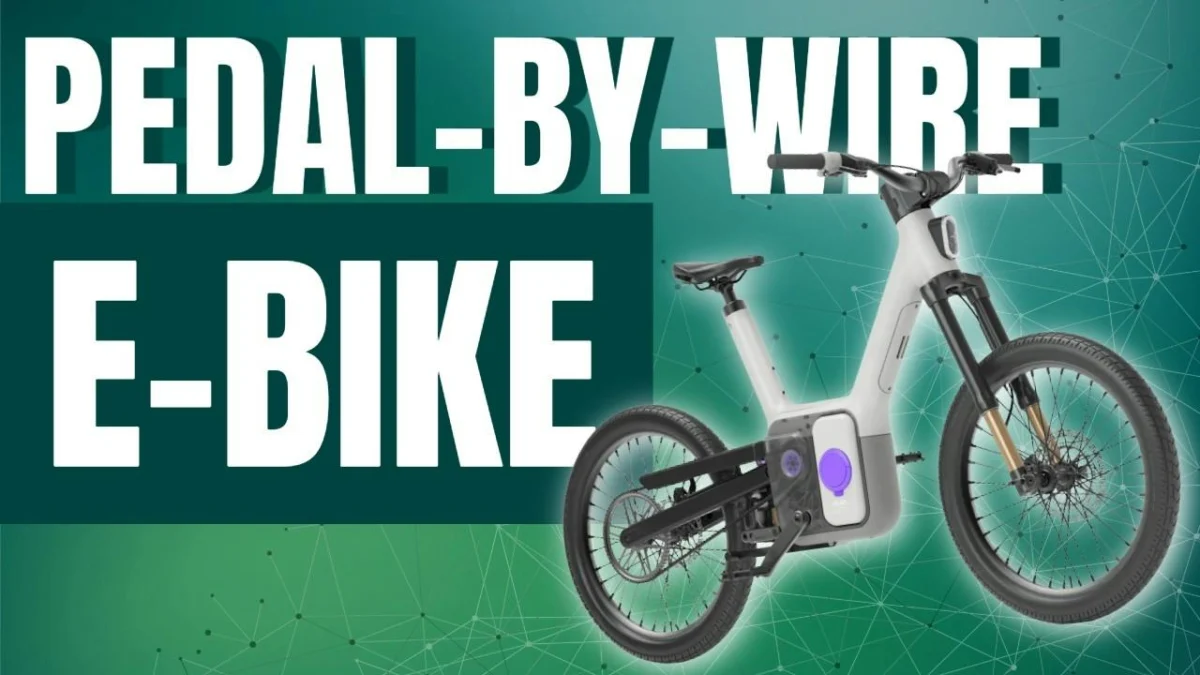
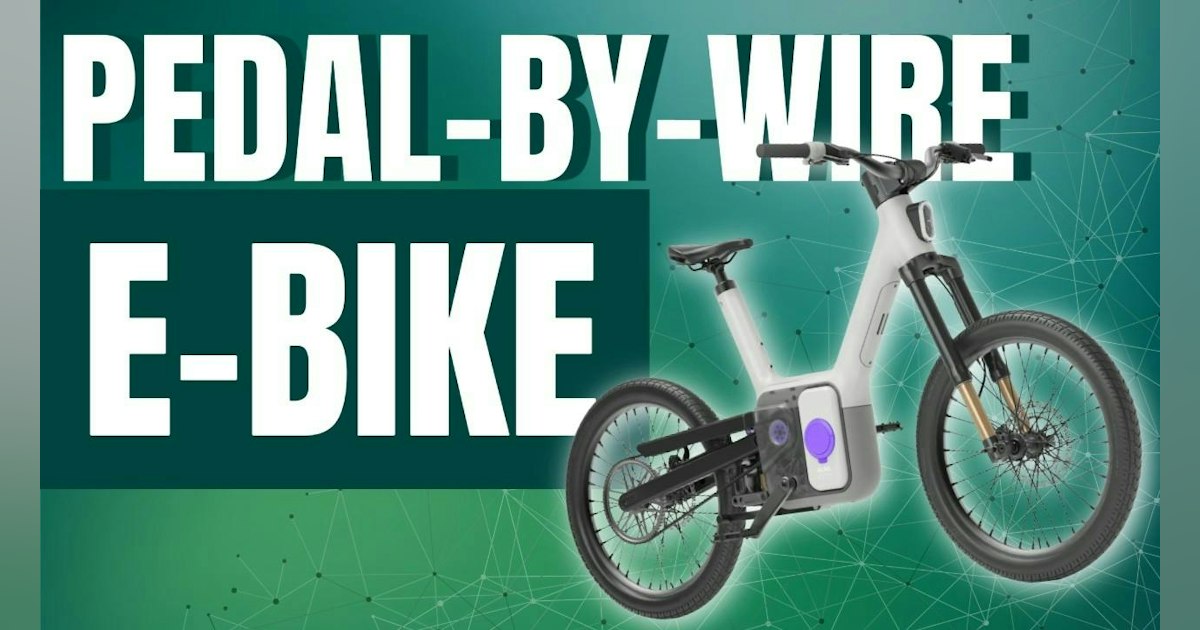
Enter the TM-B e-bike from electric mobility innovator Also. Featuring a groundbreaking "Dreamride" pedal-by-wire (PBW) system powered by Nordic Semiconductor components, the TM-B completely severs the mechanical link between the pedals and the rear wheel. According to Matt Liddle, Director of Physical Experience at Also, this daring departure from tradition is designed to deliver an exceptionally smooth, finely tuned, and responsive riding experience that bridges the gap between cycling and advanced electric vehicular engineering.
Main Facts: The Architecture of Innovation
At its core, the Class 3 TM-B e-bike is a masterclass in modern electronic and mechanical integration. By eliminating the traditional chain-and-derailleur drivetrain, Also has redefined how rider input is captured, processed, and executed.
The Pedal-by-Wire (PBW) Paradigm
In a conventional e-bike, a torque sensor measures how hard you are pedaling and instructs a motor to add supplemental torque to the drivetrain. In the TM-B, the pedals are entirely decoupled from the rear wheel. When the rider pedals, they are actually driving an internal generator. This generator converts human mechanical energy into electrical energy, which is then managed by an onboard battery system. A powerful electric motor on the rear wheel receives commands based on the rider’s pedaling cadence and resistance profiles, driving the wheel independently.
This architecture yields several distinct engineering advantages:
- Zero Mechanical Drivetrain Wear: Without a chain, cassette, or derailleur, the traditional maintenance headaches associated with chain stretch, grease accumulation, and gear misalignments vanish entirely.
- Customizable Resistance Profiles: Because the pedal resistance is generated electronically via Nordic Semiconductor power components, the bike’s firmware can dynamically adjust how heavy or light the pedals feel. Riders can theoretically customize their workout intensity or simulate various gear ratios via software updates.
- Seamless Power Delivery: The lag often associated with mechanical torque sensors is bypassed, replaced by instantaneous electronic signal processing that translates human input into smooth motor response.
Performance Specifications
The TM-B is not merely a technological showcase; it is built for rigorous, high-performance urban and suburban commuting:
- Top Speed: Capable of reaching Class 3 speeds of up to 28 mph (45 km/h).
- Power Assist: Features a 10x power assist ratio.
- Torque & Acceleration: Delivers a staggering 180 Nm of torque, enabling an impressive 0.3 G acceleration curve.
- Gradeability: Engineered to effortlessly scale steep 30 percent grades that would leave traditional cyclists gasping for breath.
- Range: Offers an expansive 100-mile battery range, supported by an easily removable, quick-swap battery architecture designed for rapid turnaround times.
- Braking: Incorporates energy-harvesting regenerative braking, feeding kinetic energy back into the battery system during deceleration.
Digital Integration and Modular Versatility
Modern smart vehicles demand advanced user interfaces, and the TM-B delivers. The handlebars feature a crisp, 2.75-inch circular touch display that puts vital metrics, navigation, and settings right at the rider’s fingertips. Furthermore, a companion smartphone app acts as a digital key, allowing users to remotely lock and unlock the bike, track its GPS status, and monitor system health.
Physical adaptability is another hallmark of the TM-B design. The top frame and seat assembly utilize a quick-change modular mechanism. This allows riders to swap out seating configurations effortlessly—accommodating different body types, swapping riding positions, or installing specialized utility modules such as a passenger backseat for cargo or family transport.

Beyond the TM-B, Also’s engineering vision extends into commercial logistics with vehicles like the TM-Q, a specialized four-wheeled electric vehicle engineered specifically for urban commercial cargo delivery.
Chronology: The Evolution of Pedaling Without Chains
The journey toward a chainless, wire-driven bicycle ecosystem did not happen overnight. It is the culmination of decades of incremental advancements in semiconductor technology, battery chemistry, and drive-by-wire automotive engineering.
- Late 20th Century – The Rise of Drive-by-Wire: The concept of replacing mechanical linkages with electronic sensors and actuators ("by-wire" systems) matured within the aerospace and automotive industries (such as fly-by-wire in commercial aircraft and throttle-by-wire in modern automobiles). However, applying this philosophy to human-powered mobility remained economically and technologically unviable due to weight, power consumption, and processing constraints.
- The 2010s – E-Bike Maturation: The explosion of the e-bike market introduced millions of consumers to hub motors and mid-drive systems. While efficient, these systems retained traditional bicycle chains, which remained a primary source of mechanical failure and maintenance overhead.
- Early 2020s – Semiconductor and Generator Efficiency: Advances in ultra-low-power microcontrollers, high-efficiency power management integrated circuits (PMICs), and compact brushless motor generators reached a tipping point. Companies began experimenting with stationary "smart bikes" that used resistance generators (such as indoor trainers), laying the groundwork for mobile applications.
- The Development of Also’s Dreamride System: Also set out to solve the fundamental friction points of traditional cycling. By integrating advanced Nordic Semiconductor components, the engineering team successfully miniaturized power-generation and signal-processing units compact enough to fit within an e-bike frame, giving birth to the Dreamride pedal-by-wire architecture.
- Present Day – Commercial Introduction: The public unveiling of the TM-B e-bike marks the transition of pedal-by-wire technology from a speculative engineering concept to a commercially viable, high-performance reality for class 3 e-bike riders.
Supporting Data: Engineering Metrics at a Glance
To fully appreciate the engineering achievement behind the TM-B, it is helpful to examine the quantitative parameters defining its performance envelope:
| Feature / Specification | Metric / Detail |
|---|---|
| Vehicle Classification | Class 3 E-Bike (Up to 28 mph assistance) |
| Drivetrain Technology | Dreamride Pedal-by-Wire (PBW) with Nordic Semiconductor power components |
| Mechanical Linkage | None between pedals and rear wheel (Generator-to-Motor architecture) |
| Maximum Speed | 28 mph (45 km/h) |
| Power Assist Multiplier | 10x assistance |
| Peak Torque | 180 Nm |
| Acceleration Capability | 0.3 G |
| Incline Handling | Up to 30% gradeability |
| Battery Range | Up to 100 miles (Quick-swap, removable design) |
| Braking System | Regenerative braking enabled |
| User Interface | 2.75-inch circular handlebar touch display |
| Connectivity & Security | Companion mobile app for remote locking, unlocking, and tracking |
| Frame Design | Quick-change modular top frame and seat system |
Official Responses and Expert Insights
Industry reception to the TM-B has highlighted the boldness of Also’s engineering choices. Matt Liddle, Director of Physical Experience at Also, has been at the forefront of explaining the philosophy and execution behind the bike.

"One of the main features is the Dreamride system that implements a pedal-by-wire (PBW) system built using Nordic Semiconductor power components," Liddle explained during product showcases. "This means the pedals are not directly connected to the rear wheel like most systems. Instead, they power a generator. The rear wheel is driven by a motor. A battery system sits between the two. This provides a very smooth and finely tuned riding experience."
Liddle’s emphasis on the "smooth and finely tuned riding experience" addresses a core skepticism of chainless systems: the fear that removing mechanical feedback will make the bike feel unnatural or artificial. By carefully calibrating the resistance of the internal generator via Nordic’s advanced power management chips, Also has managed to preserve the intuitive muscular engagement of cycling while eliminating its mechanical limitations.
From an electronics engineering perspective, experts note that utilizing robust semiconductor components for power routing opens up entirely new possibilities for software-defined vehicles. As software updates continue to dictate consumer hardware capabilities, a bike whose transmission is entirely software-controlled can evolve long after purchase—gaining new efficiency modes, anti-theft protocols, and customized resistance maps via over-the-air (OTA) updates.
Implications: What Pedal-by-Wire Means for the Future of Micro-Mobility
The introduction of Also’s TM-B with its Dreamride pedal-by-wire system carries significant implications for the broader transportation and engineering sectors.

1. The Death of the Bicycle Chain in Premium Segments?
While traditional chain-driven e-bikes will retain a massive market share due to cost considerations, the successful commercialization of PBW proves that mechanical drivetrains are no longer strictly necessary for high-end micro-mobility. Just as fly-by-wire revolutionized aircraft control by reducing weight and enabling computer-stabilized flight, pedal-by-wire could liberate frame designers from the geometrical constraints of routing chains, pulleys, and bottom brackets.
2. Enhanced Reliability and Reduced Maintenance
Fleet operators, delivery services, and everyday commuters stand to benefit immensely from chainless architectures. Maintenance costs—historically driven by worn-out chains, stretched cables, and bent Derailleurs—drop precipitously when the primary drivetrain consists of solid-state electronics, a compact generator, and a brushless hub motor.
3. Convergence of Fitness and Commuting
Because the pedal resistance is entirely electronic, future iterations of PBW bikes could offer sophisticated fitness tracking and adaptive training modes built directly into the commute. Riders could select a "hills simulation" mode for a rigorous morning workout, or switch to an effortless "cruise" mode for the ride home, all without changing physical gears.
4. Expansion into Multi-Modal Commercial Fleets
Also’s parallel development of commercial platforms like the TM-Q four-wheeled cargo vehicle highlights how drive-by-wire technologies scale across weight classes. As urban centers restrict traditional delivery vans, heavy-duty electric micro-mobility vehicles equipped with robust power-management systems will become vital cogs in last-mile logistics.
Conclusion
Also’s TM-B e-bike represents a watershed moment in the evolution of personal electric transportation. By daring to disconnect the pedals from the rear wheel and leaning heavily into advanced semiconductor power components and drive-by-wire engineering, the company has bypassed centuries-old mechanical limitations. Backed by impressive performance metrics—180 Nm of torque, a 100-mile range, and a top speed of 28 mph—the TM-B is more than just a clever concept; it is a clear signal that the future of the bicycle is digital, modular, and wonderfully chainless.