



WASHINGTON — In a historic shift that underscores the rapid decarbonization of the American energy landscape, renewable sources are continuing to outpace fossil fuels as the dominant new additions to the U.S. electrical grid. According to a comprehensive new analysis of Energy Information Administration (EIA) data released by the SUN DAY Campaign, electrical generation from renewable energy sources spiked by an impressive 10%—adding more than 43 gigawatts (GW) of capacity—during just the first eight months of 2026.
With utility-scale and small-scale solar leading a massive infrastructure charge, experts project that renewables will account for over 40% of the United States’ total electrical output over the coming year. Furthermore, if current growth trajectories hold steady, federal energy forecasters predict that total renewable output could eclipse natural gas generation as early as the summer of 2027. This milestone would mark a watershed moment in the century-long history of American power generation, signaling the twilight of fossil-fuel dominance and the dawn of a clean-energy-led grid.
Main Facts
The latest data from the EIA’s Electric Power Monthly paints a vivid picture of a transforming power sector. As of the end of August 2026, renewable energy sources—including wind, solar, hydropower, biomass, and geothermal—accounted for 34.5% of total utility-scale electrical generation in the United States.
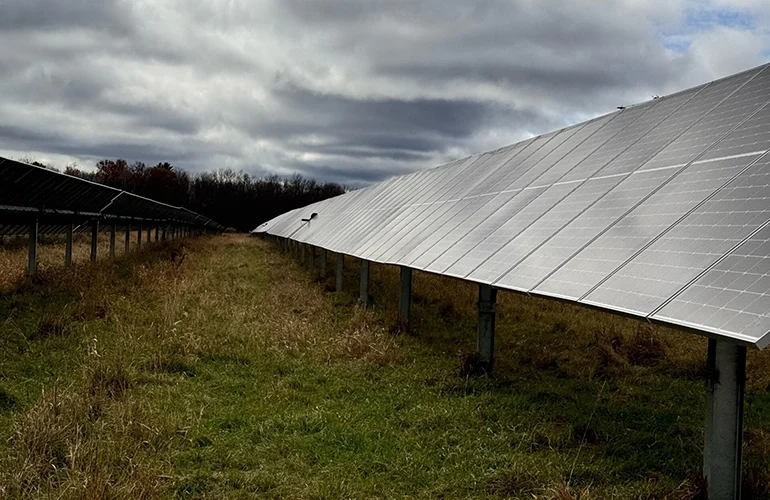
The primary drivers of this unprecedented expansion are solar power and battery energy storage systems (BESS). Utility-scale and small-scale solar technologies have emerged as the fastest-growing segments being integrated into the national grid. Compared to the first eight months of 2025, utility-scale solar projects surged by a remarkable 20% in 2026, while smaller-scale distributed systems grew by 12%.
Between September 2025 and August 2026 alone, the U.S. grid absorbed an additional 27.1 GW of utility-scale solar capacity and 6.5 GW of small-scale solar capacity. Simultaneously, battery energy storage systems experienced a massive boom, expanding capacity by 17.6 GW to ensure grid reliability amid the intermittent nature of wind and solar resources.
In stark contrast, traditional generation sources are seeing sluggish growth or sharp declines. New natural gas and nuclear power capacities grew by a modest 2.6% and 1.3%, respectively. Meanwhile, coal-fired electrical output plummeted by more than 8% over the same period, continuing a long-term structural decline driven by economic pressures, environmental regulations, and aging infrastructure.
Chronology: The Accelerated Path to 2027
To understand how rapidly the American grid is evolving, it is essential to examine the timeline of policy shifts, market forces, and technological deployments that have accelerated renewable energy adoption over the past several years:
- August 2022 (The Legislative Catalyst): The passage of the landmark climate and energy legislation provided long-term tax credits for wind, solar, and battery storage. This created unprecedented regulatory certainty, triggering a massive pipeline of utility-scale clean energy projects across the country.
- Throughout 2023–2024 (Overcoming Supply Chain Hurdles): Despite lingering pandemic-era supply chain bottlenecks, inflationary pressures, and interconnection queue backlogs, renewable developers deployed record amounts of solar panels and wind turbines. Battery storage began to emerge as a critical asset, particularly in regions like Texas (ERCOT) and California (CAISO).
- 2025 (The Tipping Point): Renewable energy capacity additions routinely broke previous annual records. Utility-scale solar projects grew exponentially, and the integration of battery storage allowed grid operators to manage peak loads without relying on peaking gas plants. By the end of the year, renewables regularly captured over a third of the daily generation mix during peak sunlight and wind hours.
- January – August 2026 (The 10% Surge): An analysis of EIA data by the SUN DAY Campaign reveals that renewable generation increased by 10% (exceeding 43 GW) in just the first eight months of the year. Utility-scale solar jumped 20%, while BESS capacity grew by 17.6 GW.
- The Next 12 Months (The 40% Threshold): Forecasters project that renewables will consistently account for more than 40% of the nation’s total electrical output, driven by the commissioning of massive solar farms currently sitting in regional interconnection queues.
- Summer 2027 (Projected Milestone): Based on current proliferation rates, the EIA predicts that total electricity generation from renewable sources will surpass natural gas output, crowning wind and solar as the single largest contributors to the U.S. power grid.
Supporting Data and Technical Metrics
The numbers compiled by the SUN DAY Campaign from the EIA database offer granular insights into the shifting metrics of American power generation:
- Total Renewable Share (August 2026): 34.5% of total utility-scale electrical generation.
- Year-to-Date Growth (Jan–Aug 2026): A 10% increase in renewable generation, representing more than 43 GW of newly online capacity.
- Utility-Scale Solar Expansion: Grew by 20% compared to the first eight months of 2025, adding 27.1 GW between September 2025 and August 2026.
- Small-Scale Solar Expansion: Grew by 12% over the same period, contributing an additional 6.5 GW of decentralized capacity.
- Battery Energy Storage Systems (BESS): Expanded storage capacity by 17.6 GW, a critical metric demonstrating the grid’s transition toward firming intermittent renewables.
- Fossil Fuel and Nuclear Growth: Natural gas and nuclear generation eked out meager gains of 2.6% and 1.3%, respectively.
- Coal’s Decline: Coal-fired electrical output dropped by over 8%, reflecting its diminishing economic viability in modern energy markets.
These figures illustrate that the transition is no longer driven solely by corporate sustainability goals or state-level mandates, but by pure economics. Levelized costs for solar, wind, and storage have dropped dramatically over the past decade, making renewables the most cost-effective option for new electricity generation in nearly every region of the United States.
Official Responses and Expert Analysis
Industry leaders, energy analysts, and advocacy groups have greeted the latest EIA data with a mixture of vindication and excitement, emphasizing that clean energy momentum has crossed a psychological and economic Rubicon.
"Each new issue of EIA’s Electric Power Monthly reinforces the theme that the growth of solar, wind, and battery storage has become unstoppable," said Ken Bossong, executive director of the SUN DAY Campaign. "Meanwhile, the share of the nation’s electrical generation and generating capacity provided by fossil fuels and nuclear continues to shrink."
Bossong’s assessment is echoed by grid analysts nationwide, who point out that battery storage is proving to be the "secret weapon" of the modern grid. By soaking up excess solar generation during midday hours and discharging it during evening peak demand, batteries are effectively neutralizing the historical argument that the sun doesn’t always shine and the wind doesn’t always blow.
Utility executives, once skeptical of variable renewable integration, are now aggressively reshaping their long-term resource plans (Integrated Resource Plans, or IRPs). Major investor-owned utilities across the Southeast, Midwest, and Mountain West are shuttering aging coal plants years ahead of schedule and replacing them with portfolios heavy on solar and storage.
However, industry groups representing traditional fossil fuels urge caution. While acknowledging the rapid rise of renewables, natural gas advocates emphasize that gas-fired generation will remain a crucial "bridge" fuel, providing essential reliability and baseload capacity during extreme weather events, such as prolonged winter freezes or summer heatwaves when electricity demand spikes simultaneously across wide geographic areas.
Implications for the Future
The prospect of renewable energy overtaking natural gas output by 2027 carries profound implications for the U.S. economy, geopolitical standing, environmental health, and infrastructure development.
1. Environmental and Climate Impacts
From a climate perspective, overtaking natural gas—a fossil fuel that, while cleaner than coal, still emits significant carbon dioxide and methane—represents a monumental stride toward meeting U.S. emissions reduction commitments under international agreements. A grid powered predominantly by zero-emission wind and solar will drastically lower the carbon footprint of not only residential and commercial buildings but also the burgeoning electric vehicle (EV) fleet and data center industry.
2. Grid Reliability and Infrastructure Challenges
The rapid pace of renewable deployment is not without hurdles. The primary bottleneck facing the American energy transition is no longer the cost of solar panels or wind turbines, but transmission capacity and interconnection queues. Thousands of gigawatts of renewable projects currently sit languishing in regional transmission organization (RTO) queues, waiting for grid connection studies. Federal regulators, including the Federal Energy Regulatory Commission (FERC), have instituted sweeping reforms to streamline these processes, but modernizing the nation’s transmission superhighways will require trillions of dollars in capital investment over the next decade.
3. Economic Shifts and Job Creation
The economic center of gravity in the energy sector is shifting decisively toward clean tech manufacturing, installation, and engineering. Driven by federal incentives, domestic manufacturing of solar panels, inverters, and lithium-ion battery packs has surged, creating hundreds of thousands of high-paying blue- and white-collar jobs across the country. Communities historically dependent on coal mining and gas extraction are increasingly finding new economic life as hubs for renewable energy development.
4. Energy Security
By relying on domestic wind, solar, and battery storage resources rather than internationally traded fossil fuels, the United States is insulating its economy from global commodity price shocks, geopolitical conflicts, and supply chain disruptions originating in volatile foreign regions.
Conclusion
As the United States marches toward the summer of 2027, the data from the EIA and the SUN DAY Campaign makes one thing abundantly clear: the transformation of the American electrical grid is accelerating faster than even the most optimistic forecasts predicted a few years ago.
Solar and wind are no longer niche alternatives; they are the bedrock upon which the future of American energy is being built. With battery storage maturing rapidly and coal continuing its structural retreat, the finish line for renewable energy supremacy over natural gas is now clearly in sight.