WASHINGTON — Across the United States, a quiet revolution is taking shape on apartment verandas, suburban backyards, and townhouse railings. Known colloquially as “balcony solar” or legally classified as “portable solar generation devices,” plug-in photovoltaic (PV) systems are rapidly transforming how everyday Americans think about and access electricity.
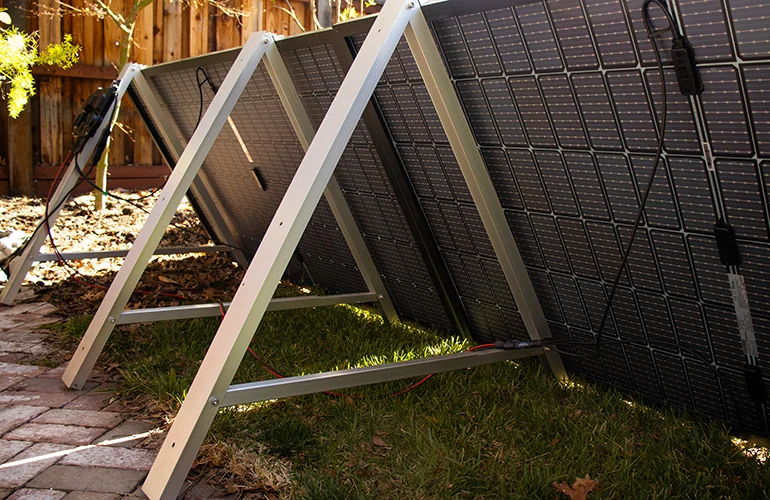
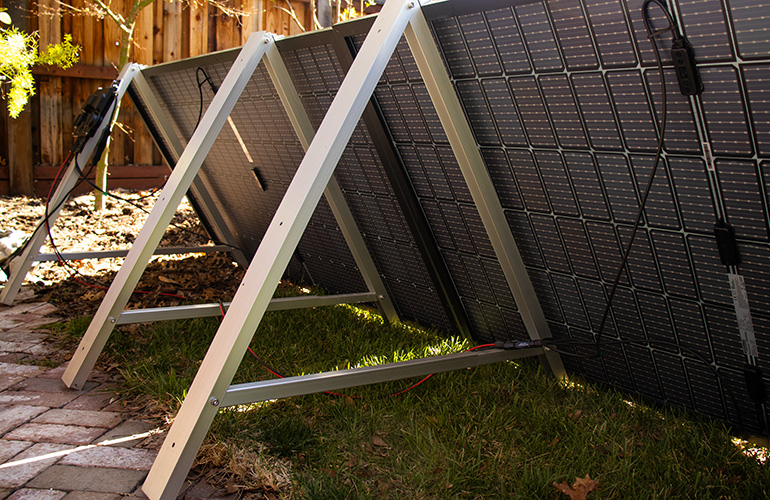
Rather than requiring specialized contractors, weeks of engineering reviews, and thousands of dollars in structural modifications, balcony solar functions much like any other home appliance. A consumer purchases a kit consisting of a few solar modules and a microinverter, mounts the panels to a balcony railing or sunny patch of yard, and plugs the system directly into a standard household AC outlet.
The movement has achieved critical momentum nationwide. According to legislative data tracked by Canary Media, 35 states and the District of Columbia have enacted, passed, or are actively deliberating bills concerning plug-in solar. This rapid legislative spread signals a paradigm shift: treating renewable energy generation not as a heavy industrial utility integration, but as a decentralized, consumer-driven household appliance.
Main Facts: What is Balcony Solar and How Does It Work?
To understand the sudden surge in legislative interest, one must first understand the mechanics and regulatory philosophy behind portable solar generation.
Traditional rooftop solar installations are deeply integrated into both the physical structure of a home and the local electrical grid. They require drilling into roofs, securing building permits, passing rigorous municipal inspections, and setting up net-metering agreements with utility companies.
Balcony solar strips away this bureaucratic friction. Because these systems are small—typically limited by the wattage ratings of their plug-in microinverters—they do not require building modifications, utility interconnection agreements, or local government permits.
The Physics of Plug-In Power
The concept can initially baffle traditional energy observers accustomed to a one-way electrical grid. For more than a century, power has flowed in a single direction: outward from centralized fossil fuel or nuclear power plants, traversing transmission lines, and ultimately feeding appliances like refrigerators.
However, electricity does not possess an inherent directional bias. It behaves similarly to water in a closed plumbing system, naturally flowing toward areas of lower electrical pressure, such as an active wall outlet or an operating computer.
When a balcony solar microinverter is plugged into a standard indoor outlet, the electricity it generates enters the home’s existing sub-panel through the exact same internal copper wires that power everyday electronics. The physics remain identical to a rooftop system; the primary difference is the injection point. Rather than feeding in at the main service panel outside, balcony solar feeds in at the point of use inside, offsetting the household’s overall electricity consumption without backfeeding the wider grid in a way that triggers utility oversight.
Chronology: From European Inspiration to American Legislative Waves
The rapid proliferation of balcony solar across the United States is a striking example of policy diffusion—a process accelerated by curious lawmakers, enthusiastic advocates, and global inspiration.
The Utah Spark
The American balcony solar story began in an unexpected place: the state of Utah. Credit for pioneering the movement belongs largely to Utah State Representative Raymond Ward (R). A pediatrician by day and a state legislator by night, Ward happened to read a news article detailing the explosive popularity of plug-in solar systems in Germany.
Recognizing the potential for affordable, accessible clean energy, Ward decided to draft legislation to legalize the technology locally. Working independently, he successfully rallied his legislative colleagues to pass the measure, making Utah the first state in the nation to open the door for plug-in photovoltaics.
California’s Marathon Journey
Following Utah’s lead, other states began examining the framework. California—long considered a bellwether for environmental policy—introduced similar legislation shortly thereafter. However, due to the state’s protracted legislative calendar and staunch pushback from investor-owned utilities, California became one of the latest states to successfully push a balcony solar bill across the finish line.
Bernadette Del Chiaro, senior vice president focusing on California at the Environmental Working Group (EWG) and former executive director of the California Solar & Storage Association (CALSSA), notes that while utility opposition created unnecessary delays, the ultimate passage of the bill marks a watershed moment for the nation’s most populous state. Today, legislative efforts span every corner of the country, proving that the appetite for low-barrier renewable energy transcends traditional partisan divides.
Supporting Data: The Scale and Reach of the Movement
The numbers underpinning the plug-in solar boom highlight a profound shift in consumer energy economics:
- 35 and Counting: Thirty-five states plus the District of Columbia have active, passed, or enacted legislation concerning plug-in solar generation.
- Zero Permitting Goal: The regulatory framework relies entirely on manufacturer-level safety certifications (such as UL listings) rather than local building permits or HOA sign-offs.
- Immediate Offsetting: Depending on local electricity rates and system sizing, balcony solar kits can immediately offset a portion of a renter’s or homeowner’s monthly electricity bill without long-term financial commitments.
- Market Expansion: Rather than cannibalizing the traditional solar sector, early market indicators suggest plug-in solar acts as a "gateway technology," introducing millions of renters and condo dwellers to photovoltaic generation for the first time.
Official Responses and Perspectives
To gauge the broader implications of this technological wave, industry stakeholders and advocacy groups are weighing in on how portable solar alters the energy landscape.
The Environmental and Public Health Mandate
From the perspective of the Environmental Working Group, the push for balcony solar is fundamentally a public health initiative.
"Broadly speaking, our energy supplies right now in America are actually toxic," says Bernadette Del Chiaro. "When you think about EWG’s place in the world, where and how we get our energy is causing massive public health issues."
In states like California, this crisis is compounded by extreme heat driven by climate change, creating urgent public health threats that demand affordable electricity. Del Chiaro argues that energy should be regulated with the same consumer-protection mindset applied to grocery store foods or household cleaning products.
"Energy is something that either comes into your home or you create it yourself, and it can either be toxic or expensive, or it can be healthy and affordable," Del Chiaro explains. "If you go from there, balcony solar is an obvious solution."
Shifting the Burden of Safety to Manufacturers
A cornerstone of the legislative push behind balcony solar is the complete removal of institutional gatekeeping. The vision championed by consumer advocates is a system free from utility control, municipal building departments, city permits, and restrictive rules imposed by landlords or Homeowners Associations (HOAs).
Instead, oversight is shifted entirely to the manufacturing level. Just like portable air conditioners, microwaves, or televisions, plug-in solar devices must meet rigorous national safety standards—such as UL certification—before hitting store shelves.
"That’s how we do safety in America for basic common consumer products that are just appliances," Del Chiaro notes. "We’re trying to get out of the building modification and interconnection with the utility that the rest of the solar industry needs to be tethered to, and get it more into the world of: this is a simple appliance."
She contrasts this with permanent HVAC installations or rooftop solar arrays. While a rooftop system requires structural modifications, roof penetrations, and direct grid synchronization—warranting building permits akin to major home renovations—a portable solar kit is designed to be as non-invasive as plugging in a lamp.
Implications: A Gateway Drug for the Broader Solar Market
For commercial solar contractors and traditional installers who initially wondered how to interpret a technology that bypasses their services, the rise of balcony solar presents a fascinating paradox. Rather than threatening the livelihood of professional installers, it may prove to be the most effective market-expansion tool the industry has ever seen.
Expanding the Solar Universe
When balcony solar first gained traction in Utah, industry veterans in organizations like CALSSA evaluated the technology with cautious curiosity. Their consensus quickly shifted to enthusiastic support.
Rather than shrinking the market by cutting out contractors, plug-in solar acts as a "gateway drug" for clean energy adoption. By lowering the barrier to entry, millions of Americans who live in apartments, condos, or rental units—demographics historically locked out of the rooftop solar market—can experience the financial and psychological benefits of generating their own electricity.
The Long-Term Pipeline for Traditional Installers
Industry advocates project that this grassroots exposure will pay massive dividends for the traditional solar sector over the long term.
- Immediate Savings Recognition: Once consumers witness the tangible drop in their monthly electricity bills caused by a simple balcony setup, their confidence in solar technology grows.
- Upward Migration: A consumer satisfied with a 10% bill offset from a balcony kit who eventually purchases a single-family home is statistically far more likely to invest in a comprehensive, 100% offset rooftop and battery storage system.
- Cultural Normalization: By normalizing photovoltaic generation as an everyday household appliance rather than an exotic, high-risk home modification, balcony solar builds a culturally literate consumer base ready to embrace broader electrification.
Conclusion
As state legislatures continue to pass protective frameworks classifying portable solar generation devices as standard household appliances, the United States is witnessing a democratization of energy production. By removing the friction of utility red tape, permitting fees, and landlord vetoes, balcony solar empowers everyday citizens to take control of their power consumption.
Far from disrupting the established renewable energy sector, plug-in solar is widening the front door, inviting an entirely new demographic of energy consumers into a cleaner, more resilient future—one balcony outlet at a time.