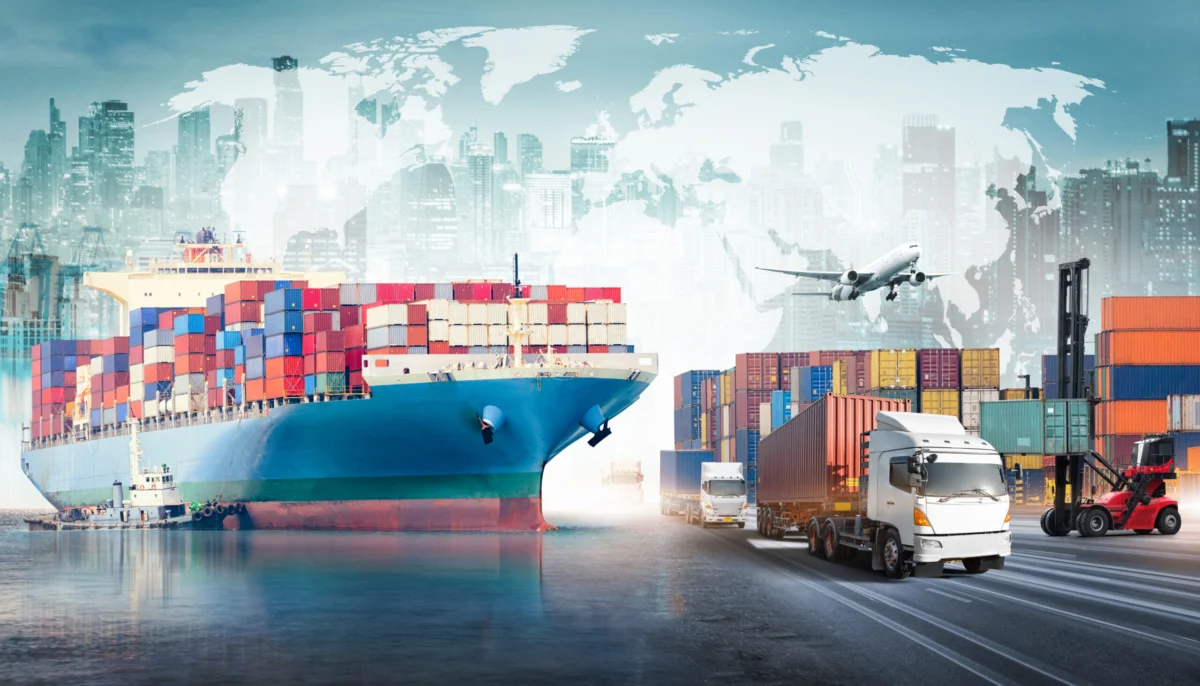
The global logistics landscape is undergoing a profound transformation. As peak shipping season arrives, the traditional, predictable calendar that once dictated the movement of goods has been effectively dismantled. Driven by persistent geopolitical instability, evolving regulatory frameworks, and a strategic pivot toward supply chain resilience, companies are no longer waiting for the traditional autumn surge. Instead, they are shipping earlier, diversifying transport modes, and shifting inventory strategies to mitigate risk.
From the congested corridors of the Red Sea to the rapidly evolving air cargo hubs of the Middle East, the message from the industry is clear: in an era of “predictable unpredictability,” agility is the only viable currency.
The Death of the Traditional Peak Season
For decades, the global freight calendar followed a rhythmic, predictable pattern. Sea freight volumes would swell in late July and August, peaking just in time for the end-of-year consumer spending cycle. That era has officially ended.
Last year signaled the beginning of a shift, with volume increases beginning in June. This year, the trend has accelerated, with the first surges in traffic observed as early as late May. This is not merely a change in timing; it is a fundamental shift in strategy. By “flattening the peak”—distributing cargo volumes over a longer timeframe rather than cramming them into a singular, frantic window—companies are deliberately building buffers into their supply chains. This early-start model is a direct response to the fragility of global transit routes, allowing firms to absorb potential delays without jeopardizing retail availability.
Geopolitical Volatility: The New Normal
The primary driver of this disruption remains the escalating conflict in the Middle East. At the start of the year, industry analysts held cautious optimism that 2026 would see a return to normalcy for Red Sea transit. The hope was for a restoration of the standard 45-day transit from China to Europe. Instead, the conflict has intensified, forcing vessels to circumnavigate Africa—a 60-day journey that drains capacity, spikes fuel costs, and creates a ripple effect across global container availability.
While carriers continue to speculate on the reopening of the Suez Canal, the reality on the ground remains volatile. This uncertainty has rendered long-term planning difficult, forcing companies to move inventory into Europe far earlier than historical data would suggest is necessary.
Chronology of Disruption: A Year of Operational Hurdles
The current logistics environment is a tapestry of compounding challenges. The timeline of 2024 and 2025 has been marked by a series of events that have eroded schedule reliability, which currently sits at a precarious 60%.
- Q1 2025: A massive 29% year-on-year increase in rail freight volume on China–Europe routes signals a pivot away from sea freight. Companies, sensing the instability in the Red Sea, proactively seek alternatives.
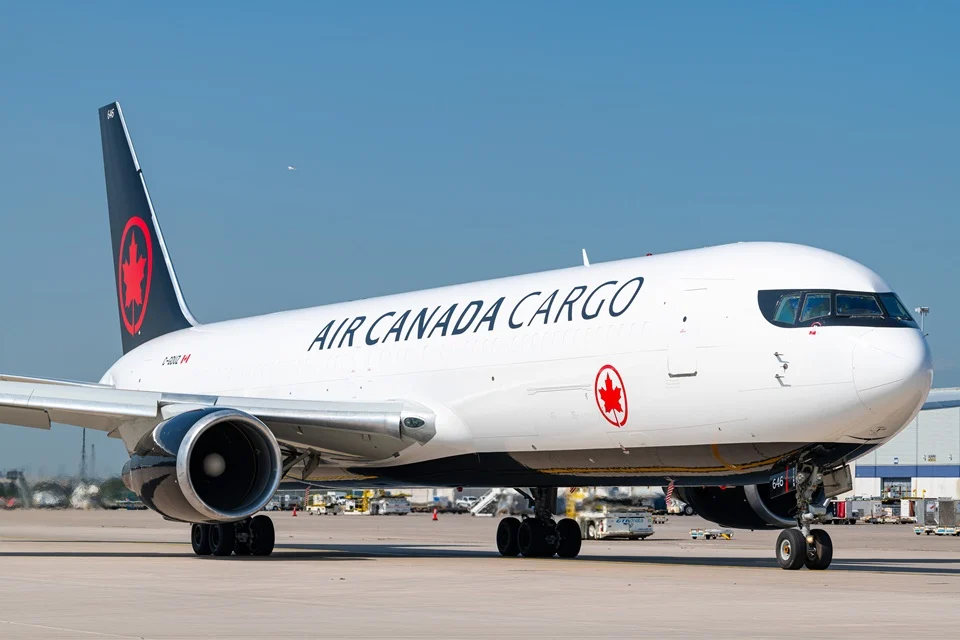
- Spring 2025: Airspace restrictions over the Persian Gulf create significant turbulence for air cargo. Key hubs like Doha and Dubai are bypassed, forcing traffic through secondary corridors like Turkey, driving up surcharges and fuel-related costs.
- Summer 2025: Extreme weather patterns, specifically severe typhoons in China, cripple port operations. Concurrently, labor unrest in major European hubs—including German and Dutch ports—further slows the flow of goods.
- July 1, 2025: The European Union implements a significant customs policy change, abolishing duty exemptions for goods valued under EUR 150. This creates an immediate cooling effect on low-value e-commerce imports, which drop by roughly 33%.
- Late Summer/Early Autumn 2025: The industry enters the “new peak,” characterized by early-loaded inventory and high demand for European warehousing space.
Supporting Data: The Anatomy of Change
The data underpinning these shifts reveals a market in transition. As low-value, high-volume e-commerce parcel traffic declines due to EU tax adjustments, the character of global trade is changing.
The Rise of Data Center Logistics
While consumer e-commerce volumes have softened, a new, high-value demand has emerged: the infrastructure of the AI revolution. Data centers, cooling systems, and advanced GPU components are now major drivers of air freight demand. These goods are not subject to the same price sensitivity as retail parcels; technology firms, operating under strict project deadlines, are consistently choosing air freight to ensure rapid deployment, even at premium rates.
The Nearshoring of Inventory
The definition of "nearshoring" is evolving. While historically it meant relocating manufacturing plants, today it primarily refers to the relocation of stock. The Central and Eastern European (CEE) market, particularly Poland, is a primary beneficiary.
- Poland’s Performance: Demand for warehouse space in Poland has reached levels not seen since 2022. The e-commerce sector alone accounted for over 800,000 square meters of new leases in the first half of the year.
- Strategic Storage: Companies are choosing to store goods within the EU to avoid the unpredictability of long-haul transport. By building up regional inventories, they ensure that if a shipment is delayed by a week or two at sea, the local market remains unaffected.
Official Industry Perspectives: The Case for Flexibility
Industry leaders, including experts from Rohlig SUUS Logistics, emphasize that the "one-size-fits-all" approach to logistics is obsolete. The current strategy is defined by integration.
"In such conditions, the advantage goes to operators who can combine different transport modes, provide customs services and warehouse space in the region, and advise the customer as early as the planning stage," notes a senior spokesperson for the firm.
The strategy being implemented by leading logistics providers focuses on three pillars:
- Multi-modal Diversification: Using rail as a strategic hedge against sea freight volatility, and leveraging air freight for time-critical, high-value tech components.
- Customs Expertise: With the EU’s changing regulatory landscape, deep knowledge of customs, VAT, and administrative compliance has become as valuable as the physical movement of goods.
- Value-Added Services: Warehouses are no longer just for storage. They have become fulfillment centers where co-packing, assembly of gift sets, and custom display preparation take place, bringing the product closer to its final, localized form before reaching the end user.
Implications: What Lies Ahead?
The implications of this shift are far-reaching for both businesses and consumers.
The Inflationary Risk
Fuel prices remain the “great unknown.” The ongoing instability in the Middle East ensures that energy costs remain volatile. Should fuel prices experience a sustained upward trend, the cost of moving goods will inevitably be passed down the supply chain, creating inflationary pressure that could dampen the very consumption levels retailers are trying to support.
The CEE Opportunity
For Central and Eastern Europe, this transition represents a significant economic opportunity. As Western European companies look to shorten their supply chains, the region is becoming a vital logistics hub. The record transshipment volumes at Polish sea terminals demonstrate that the region is not just a destination, but a functional alternative to traditional European bottlenecks.
The Future of the "Last Mile"
As volumes increase and inventory is held closer to the consumer, the final step of the journey—the last mile—is becoming more sophisticated. There is a growing demand for premium delivery services, including indoor white-glove installation. This trend is expected to grow alongside the total volume of goods moving through the continent.
Conclusion
The 2025 peak shipping season is a testament to the resilience of global trade. While the challenges—geopolitical conflict, regulatory shifts, and climate-related disruptions—are significant, they have fostered a more sophisticated, flexible approach to logistics.
Companies that treat their supply chain as a static, linear process are finding themselves increasingly vulnerable. Conversely, those that embrace the "early-ship, local-store" model are finding that they can navigate even the most turbulent waters. As the year progresses, the focus will remain on building buffers, fostering regional partnerships, and maintaining the operational flexibility required to thrive in a world that refuses to stand still.
About Rohlig SUUS Logistics
As one of the leading logistics operators in Central and Eastern Europe, Rohlig SUUS Logistics manages integrated global supply chains with a focus on agility and precision. With over 2,600 employees and 385,000 square meters of warehouse space, the company provides comprehensive road, sea, air, and rail solutions. By prioritizing SBTi-approved decarbonization and cutting-edge supply chain design, Rohlig SUUS stands at the forefront of the logistics industry’s transition toward a more resilient future.