In a move that promises to reshape the landscape of surgical robotics, Michigan-based medical technology giant Stryker has announced a significant $400 million investment in Cambridge-based CMR Surgical. This strategic alliance is more than a mere capital infusion; it marks a calculated entry for Stryker into the highly competitive soft-tissue robotics sector, bolstered by an exclusive U.S. commercial agency agreement and an option to eventually acquire the entirety of the British robotics firm.
For the healthcare industry, the partnership signals a shifting tide toward modularity and flexibility in robotic-assisted surgery. By aligning with CMR Surgical—the developer of the versatile Versius platform—Stryker is positioning itself to challenge entrenched incumbents, leveraging its massive domestic infrastructure to bring a "portable" approach to hospitals and Ambulatory Surgery Centers (ASCs) across the United States.
The Strategic Anatomy of the Deal
The agreement, finalized this week, is structured in three distinct, high-impact layers. First, the $400 million investment provides CMR Surgical with the runway necessary to accelerate its global innovation pipeline. Second, the exclusive U.S. commercial agency agreement allows Stryker to immediately begin deploying the Versius system within its domestic network. Finally, the inclusion of an exclusive option to acquire the remaining equity of CMR Surgical provides Stryker with a clear, predefined path toward full integration, should the collaboration prove as successful as both parties anticipate.
This transaction is subject to customary regulatory approvals, yet its intent is clear: Stryker is moving to diversify its portfolio, expanding its reach beyond its traditional strongholds in orthopedics and neurotechnology into the high-growth theater of soft-tissue surgery.
Chronology of a Collaboration: From Innovation to Integration
The journey toward this partnership did not happen in a vacuum. CMR Surgical has spent the better part of the last decade refining the Versius platform, focusing on a unique, modular architecture that defies the "massive machine" paradigm often associated with surgical robotics.
- Development Phase: CMR Surgical prioritized the design of a compact, mobile system. Unlike fixed-base robotic platforms that require dedicated operating rooms (ORs), Versius was engineered to be moved between ORs with ease, maximizing hospital utility.
- Global Expansion: Over several years, the system gained regulatory traction in over 30 countries. The accumulation of clinical evidence—surpassing 45,000 surgical procedures—provided the necessary proof of concept to attract major industry players.
- The Regulatory Milestone: A pivotal moment occurred with the FDA 510(k) clearance for the Versius Plus system for cholecystectomy (gallbladder removal). This served as the "green light" for the company to begin its formal entry into the U.S. market.
- Strategic Negotiations: Recognizing the challenge of building a U.S. sales force from scratch, CMR Surgical sought a partner with deep-rooted clinical relationships. Stryker, having spent years evaluating the soft-tissue segment, recognized the Versius platform as the ideal "adjacency" to its existing endoscopy and visualization technologies.
Supporting Data: Why Versius?
The surgical robotics market is crowded, yet CMR Surgical has carved out a niche by addressing the primary pain points of hospital administrators: space, cost, and utilization.
The Modularity Factor
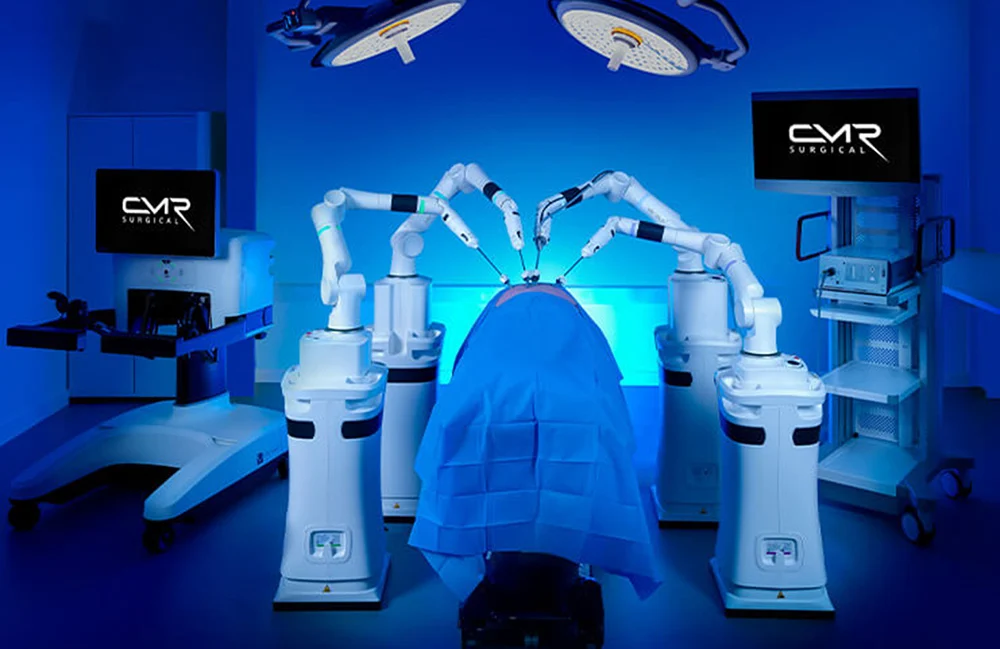
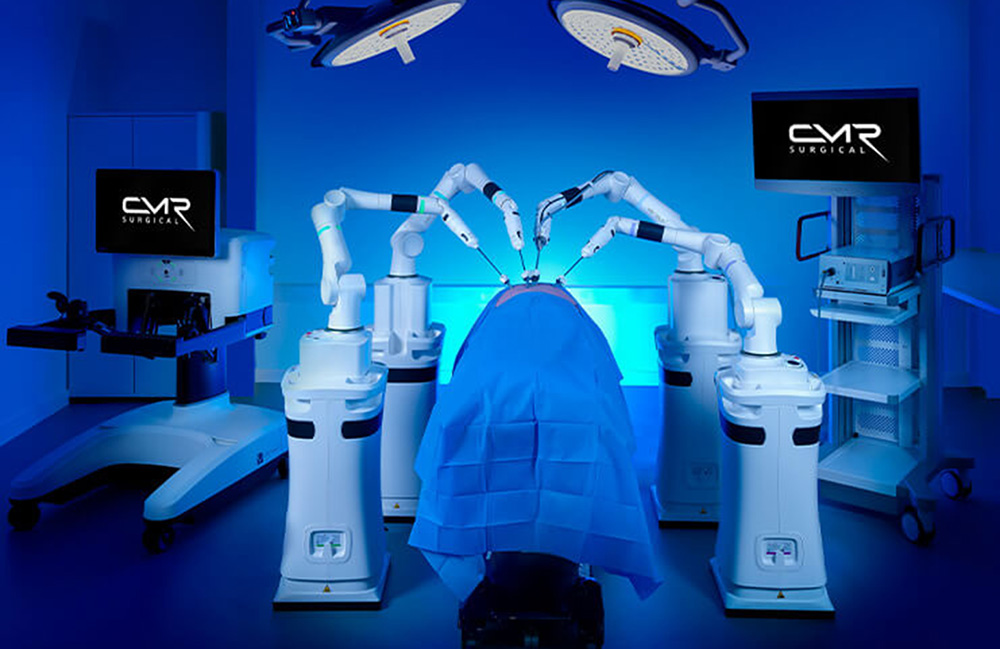
The Versius platform consists of four individual, mobile carts, each featuring robotic arms. This design allows for "right-sizing" the robotic setup based on the specific needs of the procedure. Whether it is general surgery, colorectal, urology, gynecology, or thoracic, the system adapts to the clinical environment rather than forcing the OR to adapt to the robot.
Clinical Throughput
With 45,000 procedures performed globally, the platform has passed the critical "early adopter" phase and is now entering a stage of standardized clinical application. The data suggests that the system’s footprint—which is significantly smaller than many competitors—allows hospitals to integrate robotic assistance into existing workflows without the need for expensive infrastructure renovations.
Strategic Fit for Stryker
Stryker’s leadership has been transparent about its intent to enter the soft-tissue space. As Group President of MedSurg and Neurotechnology, Andy Pierce noted, the firm has been "disciplined" in its approach. By selecting a platform that complements existing visualization tech, Stryker avoids the pitfalls of building a redundant technology stack.
Official Perspectives: Aligning Vision and Execution
The leadership teams of both companies have framed the alliance as a symbiotic evolution.
CMR Surgical’s Stance
Massimiliano Colella, CEO of CMR Surgical, emphasized the validation this deal provides. "This strategic alliance is a significant milestone for CMR and a strong endorsement of the technology, clinical experience, and global business we have built," Colella stated. He noted that the capital would be directed toward accelerating innovation, while Stryker’s commercial muscle would serve as the primary engine for U.S. growth.
Stryker’s Rationale
Andy Pierce, who will join the CMR Surgical board as part of the agreement, articulated the long-term view: "Soft-tissue robotics is a high-growth adjacency and a natural extension of Stryker’s strengths. We selected CMR Surgical and the Versius portfolio because of the opportunity to help healthcare providers grow robotic-assisted surgery adoption across a broad range of procedures in hospitals and ASCs."
The appointment of Pierce to the board serves as a crucial governance bridge, ensuring that the operational synergy between the two firms is maintained as the integration progresses.
The Implications for the Global MedTech Ecosystem
The $400 million investment is likely to trigger a ripple effect across the medical technology sector.
1. Shift in U.S. Market Dynamics
The U.S. market is the most lucrative in the world for surgical robotics, yet it is currently dominated by a few major players. The introduction of the Versius platform, backed by the immense sales force of Stryker, creates an immediate competitive threat. Hospitals that were previously hesitant to invest in large-scale, fixed-robotics programs may now find a lower-barrier entry point via the modular Versius system.
2. The Future of Ambulatory Surgery Centers (ASCs)
ASCs are increasingly looking to perform complex surgeries that were previously reserved for hospitals. The Versius platform’s compact design is tailor-made for these environments. As Stryker pushes the technology into the ASC segment, it could accelerate a broader shift in where complex surgeries occur, potentially reducing costs for the entire healthcare system.
3. A Precedent for Future M&A
This deal is a masterclass in risk-mitigated acquisition. By taking a minority stake and an exclusive agency agreement before a full buyout, Stryker is effectively "test-driving" the acquisition. This model allows the acquiring company to ensure cultural and technological alignment before committing to a full-scale merger. We can expect other MedTech conglomerates to watch this structure closely as a blueprint for future investments.
4. Pressure on R&D
For CMR Surgical, the path forward is clearly defined. With the pressure to succeed in the U.S. market, the company must continue to secure additional FDA clearances. The filing for benign gynecological indications is only the beginning. The company will likely need to move quickly to expand its list of cleared procedures to remain competitive with incumbents who offer a wider range of indications.
Conclusion: A New Chapter in Robotic Surgery
As the healthcare industry continues to grapple with rising costs and the need for improved clinical outcomes, the role of robotic-assisted surgery has never been more critical. The partnership between Stryker and CMR Surgical represents a convergence of two distinct philosophies: CMR’s focus on agile, modular, and accessible technology, and Stryker’s proven ability to scale, commercialize, and support complex medical technologies.
While the deal remains subject to regulatory review, the industry response is already overwhelmingly positive. By combining their complementary strengths, Stryker and CMR Surgical are not just investing in a robot—they are investing in the democratization of surgical precision, aiming to make advanced robotics a standard, rather than a luxury, in operating rooms across the United States and beyond.
As Andy Pierce transitions into his role on the CMR Surgical board, the industry will be watching to see how quickly this alliance can convert its $400 million promise into tangible improvements in surgical access and patient care. The era of the "dedicated OR" for robots may soon be coming to an end, replaced by a more flexible, efficient, and versatile future.