




Did you ever spend your childhood deconstructing toys to understand how they worked, or sketching the sleek lines of cars that didn’t exist yet? If you possess a relentless curiosity about the physical world and an irrepressible urge to translate abstract ideas into tangible reality, you may be standing on the threshold of a career as an industrial designer.
Industrial design is far more than mere aesthetics; it is the silent language of the modern world. From the smartphone in your pocket to the ergonomic chair in your office and the medical devices saving lives in hospitals, industrial designers are the architects of our daily existence. They bridge the gap between human needs, business strategy, and technological innovation. For those looking to shape the future, this field offers not just a job, but a vocation that builds business success and improves the global quality of life.
What is Industrial Design? The Intersection of Art and Utility
According to the Industrial Designers Society of America (IDSA), industrial design is the professional practice of creating products, devices, objects, and services used by millions worldwide every day. It is an interdisciplinary field that demands a unique synthesis of artistic vision, engineering rigor, and deep psychological insight.
Influencing Culture and Commerce
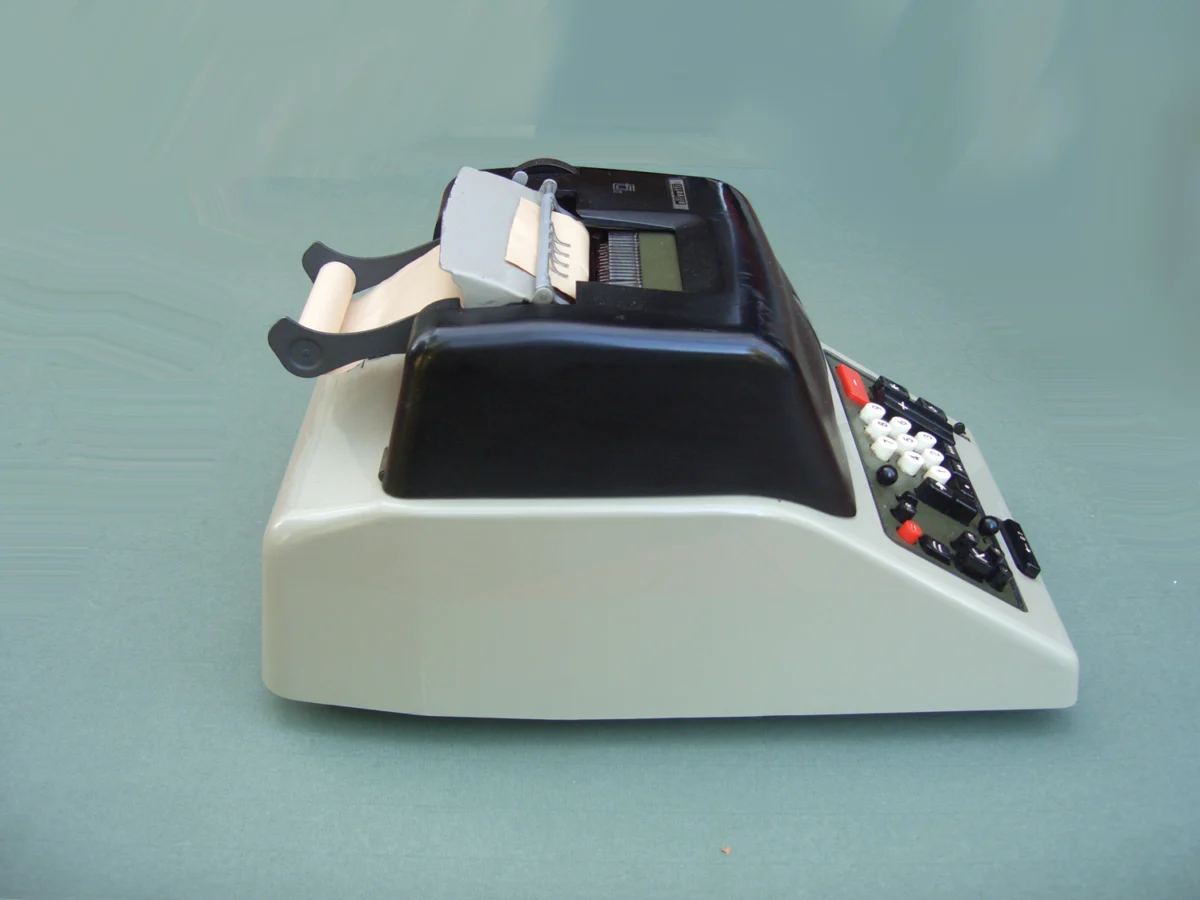
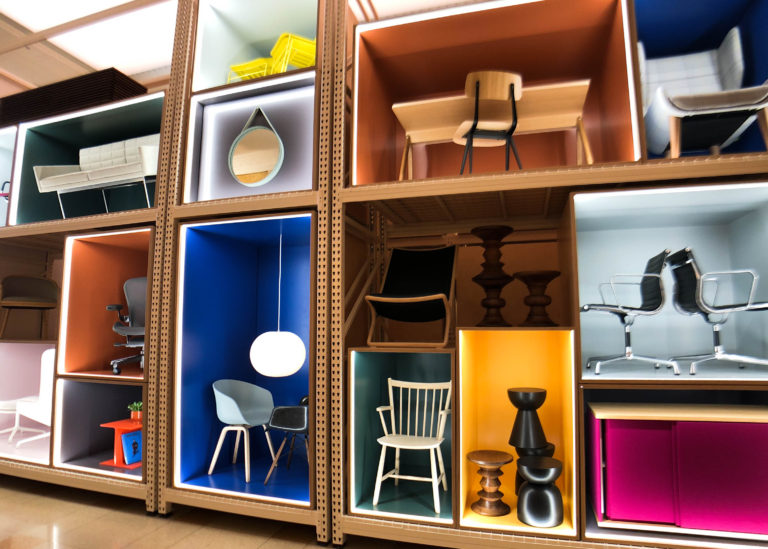
Industrial designers do more than style products; they curate experiences. Historically, their work has been so profound that it is archived by museums and documented by historians. Think of the Olivetti Divisumma 24, designed by Marcello Nizzoli in 1956. It was not just a calculator; it was an object that redefined the workspace, blending mechanical precision with a revolutionary visual language.
In times of economic instability, industrial designers serve as the engine of recovery. By identifying new market gaps and designing products that improve efficiency or provide necessary services, they help pull societies out of downturns. They are the frontline workers of innovation, constantly pushing the boundaries of what is possible.
Chronology: The Evolution of a Design Career
The journey to becoming a professional industrial designer is a multi-stage process that requires both academic discipline and hands-on grit.
Stage 1: The Formative Phase (Pre-University)
Many prospective designers begin their journey during high school or summer pre-college programs. Engaging in these early experiences is a strategic advantage. It allows students to familiarize themselves with foundational concepts—such as sketching, basic ergonomics, and rapid prototyping—before they ever step foot in a formal undergraduate program. In a field where being "ahead of the curve" is the gold standard, these early experiences can be the differentiator in a competitive college application.
Stage 2: Undergraduate Education
The core of the industrial design career is a Bachelor’s degree in Industrial Design (BID) or a Bachelor of Science in Industrial Design (BSID). During these four to five years, students are immersed in:
- Design History: Understanding the evolution of form and function.
- Material Science: Learning how plastics, metals, and composites behave in manufacturing.
- Digital Proficiency: Mastering CAD (Computer-Aided Design) software, rendering tools, and rapid prototyping technologies.
- Studio Culture: The heart of design school, where projects are critiqued, refined, and tested against real-world constraints.
Stage 3: The Portfolio Development
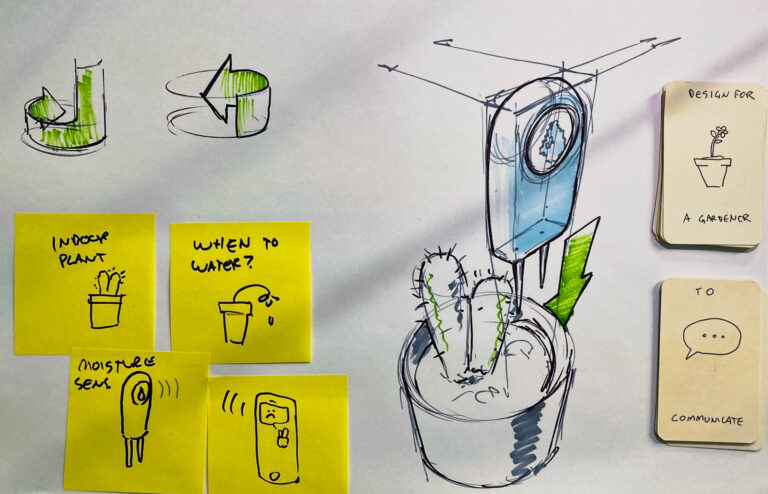
A degree is only as strong as the portfolio that accompanies it. A successful industrial designer must demonstrate not just the final product, but the process. Employers look for evidence of critical thinking, user research, failure analysis, and iterative improvement.
Stage 4: Professional Entry and Specialization
Upon graduation, most designers start as junior designers or interns, working under senior directors to learn the nuances of manufacturing and supply chain logistics. Over time, they may specialize in areas such as transportation, medical equipment, consumer electronics, or sustainable packaging.
Supporting Data: Why Industrial Design Matters
The impact of industrial design can be measured in both cultural influence and economic metrics.
- Human-Centric Value: Good design directly correlates with user health and safety. Ergonomic improvements in office furniture, for instance, have significantly reduced workplace injuries over the last two decades.
- Economic Drivers: Businesses that invest in design outperform their competitors. Research consistently shows that "design-led" companies—those that embed design thinking into their C-suite strategies—see higher revenue growth and stronger brand loyalty.
- Global Reach: The democratization of design through global manufacturing means that a single design team in a major city can influence the daily lives of millions in emerging markets.
Official Perspectives and Industry Standards
Industry bodies like the IDSA and the World Design Organization (WDO) emphasize that the role of the industrial designer is shifting. We are moving away from the era of "planned obsolescence" and toward an era of "responsible design."
The Call for Sustainability
Leading firms are now prioritizing the "circular economy." Designers are being challenged to create products that are not only beautiful but also easily disassembled, repaired, and recycled. Official responses from global design conglomerates suggest that the next generation of designers will be judged not just by the aesthetics of their work, but by their carbon footprint and material efficiency.
Technology as a Co-Designer
With the rise of Generative AI and advanced simulation tools, the role of the designer is evolving from "drafter" to "curator." AI can generate thousands of iterations in seconds, but it cannot empathize with a user or understand the cultural nuances of a market. Professional consensus holds that human intuition remains the non-negotiable anchor of the design process.
Global Academic Landscape: Where to Learn
For those ready to embark on this journey, the choice of institution is paramount. The following regions and institutions represent the gold standard of design education.
Universities in the United States
The U.S. remains a powerhouse for industrial design, characterized by a mix of heavy industrial training and artistic theory. Students should look for programs that have strong ties to corporate partners, as these provide essential internship pipelines.
- Key Focus Areas: Interdisciplinary collaboration (Design + Business + Engineering) is the current trend in top-tier American universities.
International Perspectives
Outside the United States, the pedagogy shifts slightly.
- European Schools: Often lean heavily into philosophy, sustainability, and socio-political impact. The emphasis is on "designing for the public good."
- Asian Schools: Frequently excel in high-tech integration, rapid prototyping, and the intersection of consumer electronics and manufacturing speed.
Regardless of the location, prospective students should look for programs that offer:
- Access to fabrication labs (CNC machines, 3D printers, laser cutters).
- Faculty with active industry experience.
- Strong alumni networks that can facilitate placements at major firms like Herman Miller, Apple, or IDEO.
Implications: The Future of the Profession
The future of industrial design is bright, yet demanding. As the world faces complex challenges—climate change, rapid urbanization, and an aging population—the designer’s role is expanding beyond the "product" and into the "system."
We are seeing a shift toward "Service Design," where the industrial designer must also consider the digital interface, the logistics of delivery, and the end-of-life disposal of the product. This holistic approach is what separates a good designer from a great one.
The Verdict for Aspiring Designers
If you are someone who is bothered by poor design—someone who looks at a door handle and wonders why it isn’t easier to use, or looks at a chair and wonders how it could be more comfortable—you already have the "designer’s eye."
The path is challenging. It requires a thick skin for critique, a constant drive to learn new software, and the ability to balance the wild creativity of an artist with the rigid constraints of a production line. However, the reward is singular: you get to leave a physical mark on the world. You are not just observing history; you are designing the tools with which the next generation will write it.
Whether you start with a summer pre-college program or dive straight into a four-year degree, the journey begins with a single sketch. The world is waiting for the next generation of innovators to refine its form, improve its function, and shape its future. Will you be one of them?