




When business owners negotiate with overseas factories, the conversation is almost exclusively dominated by the "Big Three": unit price, lead times, and logistical feasibility. It is a transactional high-wire act where the primary goal is getting the product from the factory floor to the warehouse shelf. In the rush to finalize purchase orders, many importers operate under a dangerous assumption: that because there are multiple professional parties involved—freight forwarders, shipping lines, and 3PL providers—their inventory is "covered."
However, in the complex world of global supply chains, "covered" is a dangerously ambiguous term. Relying on the insurance policies of others, or failing to align your own coverage with the realities of the journey, can turn a routine supply chain disruption into a catastrophic financial loss. As global trade becomes increasingly volatile, businesses must move beyond the handshake agreement and conduct a rigorous, audit-style review of their insurance architecture.
Main Facts: The Illusion of "Inclusive" Shipping
The common refrain from suppliers—"shipping is included"—is a source of significant risk. It implies a "delivered" status that often masks a lack of clarity regarding risk transfer.
The Risk Transfer Gap
Paying for freight and assuming the risk of loss are two distinct legal and financial concepts. Depending on the Incoterms (International Commercial Terms) utilized in a purchase order, the buyer may become liable for the cargo the moment it leaves the factory floor, while the ship is mid-ocean, or only upon arrival at a domestic port.
If a shipping container is lost at sea or damaged during transit, the question of who bears the financial burden is not determined by who paid for the shipment, but by the specific trade terms agreed upon. If your contract is not airtight, you could be left with a total loss of capital for goods you have never even physically touched.
The Myth of Third-Party Protection
Importers frequently rely on certificates of insurance provided by freight forwarders or warehouse operators. This is a critical error. A third party’s liability coverage is designed to protect them, not you. Their policy often contains significant exclusions, limitations of liability, or "per-package" caps that are far lower than the actual value of your inventory. If a warehouse experiences a fire or a freight forwarder’s truck is hijacked, their insurance may only cover a fraction of your loss, leaving you to absorb the remaining liability.
Chronology: Tracing the Life of an Order
To truly understand your exposure, you must perform a "cradle-to-grave" audit of a single purchase order. This involves mapping the journey from the factory gate to the final customer fulfillment, identifying every point where the risk changes hands.
Phase 1: The Factory to the Port
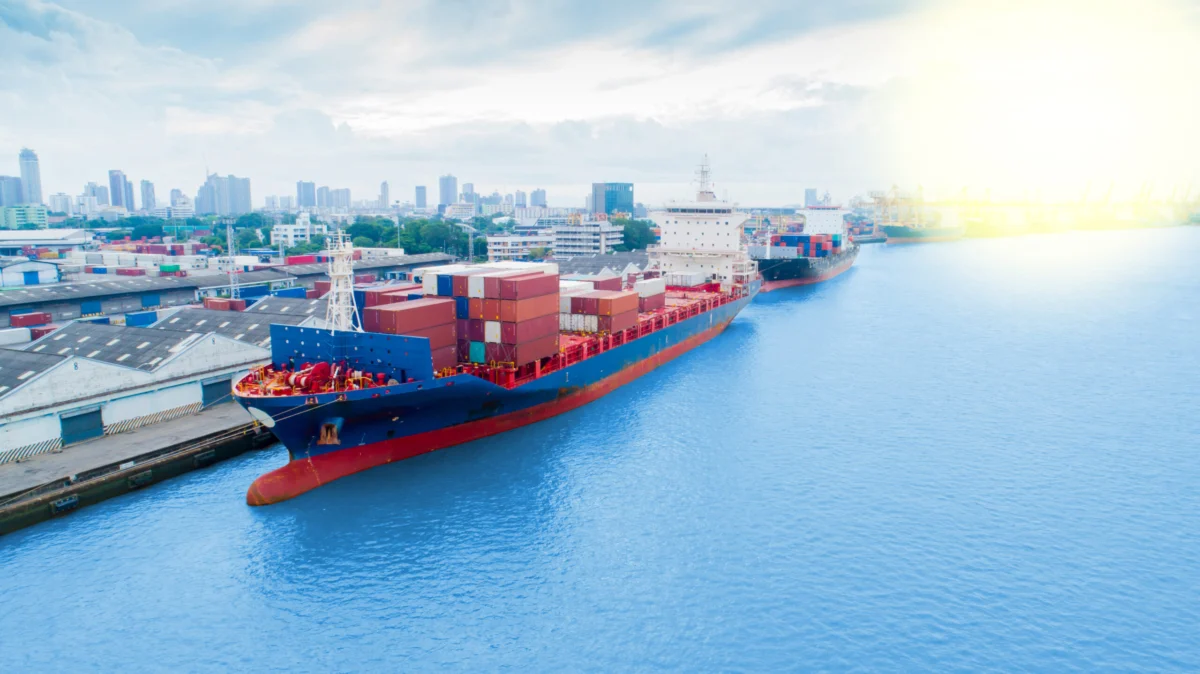
Before the goods even hit the water, they are exposed to risks like improper packaging or inland transport accidents. If your Incoterms state that risk transfers at the "Ex Works" (EXW) point, you are effectively self-insuring the cargo from the moment it is loaded onto a truck at the factory.
Phase 2: The Ocean Transit
This is where the majority of importers focus, yet it is often where legal complexity is highest. It is vital to determine if your supplier’s insurance—if they provide it—actually covers your interest in the goods. Does it cover the full replacement value? Is the insurance in the name of the importer of record? Does it allow you to file a claim directly?
Phase 3: The "Last Mile" and Overflow Storage
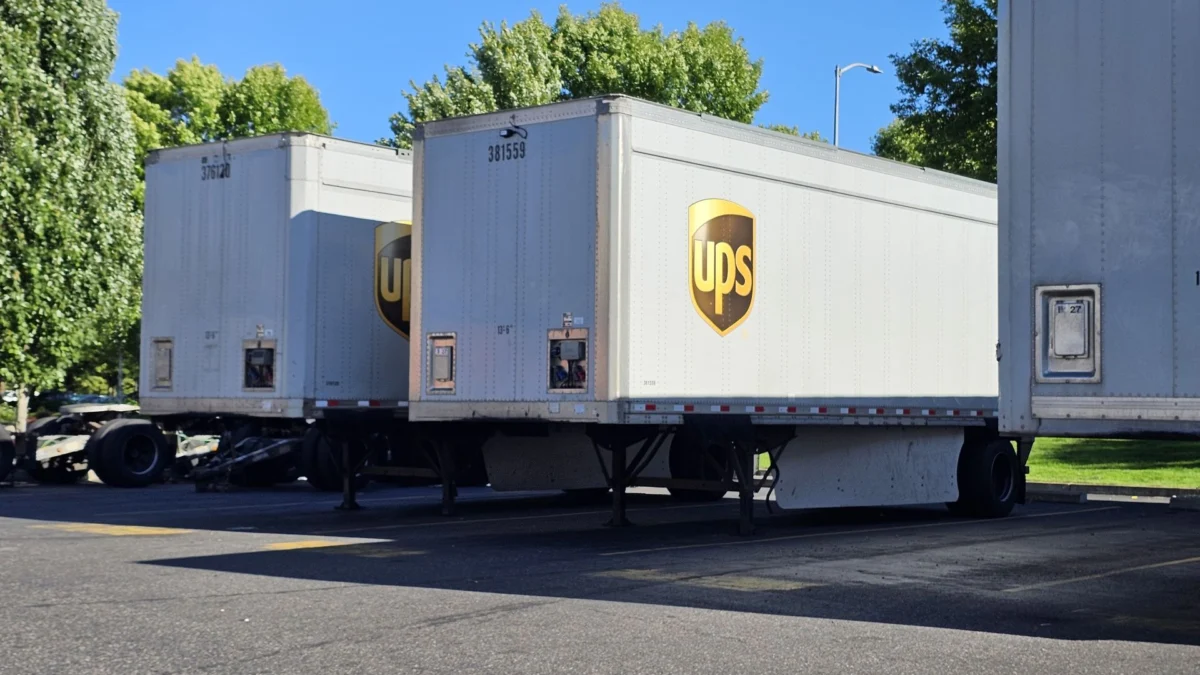
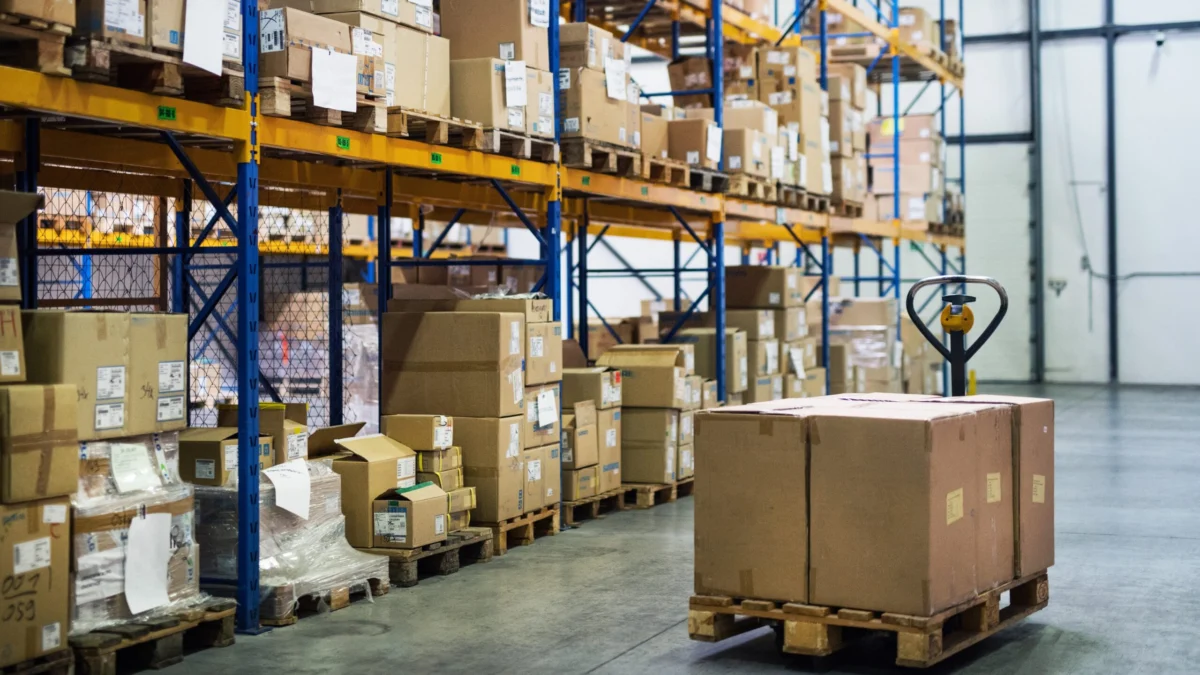
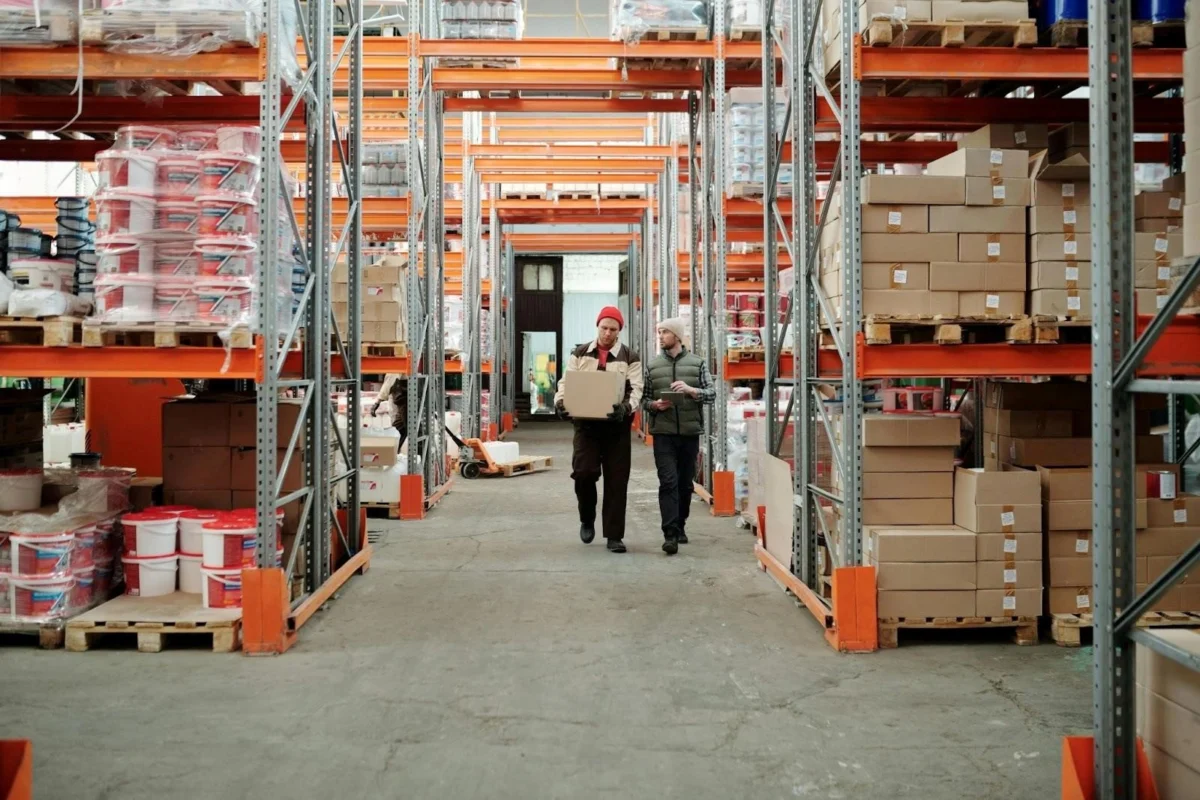
The journey does not end at the domestic port. A container may sit in a staging yard, travel by truck to a distribution center, or be diverted to an overflow warehouse due to space constraints. Every stop is a new exposure point. If your insurance policy is not structured to account for "temporary storage" or "inland transit," a loss occurring in a warehouse overflow facility could be entirely uncovered.
Supporting Data: Why "Standard" Policies Fail
Business growth often outpaces insurance updates. Many companies rely on static policies that were established years ago, failing to account for the current scale of operations.
The Valuation Trap
A frequent point of contention during a claim is the valuation of the goods. There is a massive delta between "purchase cost," "wholesale value," and "retail selling price." If your policy is written to cover the purchase cost, but you are forced to pay for a recall or replacement that involves retail-level expenses, your payout will be woefully inadequate.
Importers should provide their insurance advisors with:
- Peak inventory values: The maximum value of goods sitting in a single location at any given time.
- Maximum shipment values: The highest value of a single container or transport load.
- Expected Valuation Basis: A clear agreement on whether the policy will reimburse at cost, invoice, or retail value.
The Cost of "Declared Value"
Some forwarders offer a "declared value" option, which is often confused with insurance. Declared value is merely an agreement by the carrier to increase their liability limit. It is not an insurance policy, and it rarely provides the same level of protection, ease of claims processing, or breadth of coverage as a dedicated cargo insurance program.
Official Responses and Strategic Implications
Industry experts and risk managers emphasize that the shift toward a more proactive, "own-policy" approach is essential for modern brands.
Taking Control of the Claims Process
When you rely on a supplier’s or forwarder’s insurance, you are one step removed from the process. You are at the mercy of their documentation, their willingness to file a claim, and their relationship with their insurer. By maintaining your own cargo insurance policy, you establish a direct line to the adjuster. This allows you to manage the narrative of the loss, provide your own documentation, and ensure that the recovery efforts are prioritized according to your business needs, not those of a middleman.
The Product Liability Dimension
Risk management extends beyond the physical safety of the goods. For brands that import goods under their own label, product liability is a critical concern. A new product category, a change in manufacturing materials, or even a shift in the way a product is packaged can necessitate an update to your General Liability and Product Recall coverage.
Recall coverage, in particular, is often misunderstood. Many business owners mistakenly believe their general liability policy covers the costs of a recall—such as notifying customers and disposing of defective units. In reality, these are often separate, specialized policies. Failure to secure specific recall coverage can leave a brand bankrupt in the face of a product safety crisis.
Strategic Recommendations
- Map the Risk: Walk through a live order with your finance, logistics, and insurance leads. Identify exactly where your company bears the financial risk for damage, theft, or delay.
- Audit the Contracts: Ensure your purchase orders explicitly state who is responsible for insurance and at what point in the journey that responsibility transfers.
- Review Valuation Terms: Don’t assume your policy pays out at retail value. Perform a "mock loss" calculation with your broker to see exactly what you would receive in the event of a total loss.
- Centralize Reporting: Create a process for your operations team to report changes in logistics—such as moving goods to an overflow warehouse—to your insurance advisor before the move occurs.
- Differentiate Liability: Treat product liability, recall insurance, and cargo insurance as distinct, critical components of your risk management portfolio.
Ultimately, the goal is to stop viewing insurance as a line-item expense to be minimized and start viewing it as a core component of your supply chain strategy. By taking ownership of your risk, you protect not just your cargo, but the long-term viability of your brand. As the saying goes in the industry: it is much easier to have the difficult conversation about coverage while the goods are still sitting safely at the factory than after the damage has been discovered at your warehouse door.