As the sun rises over the final day of RoboBusiness 2026, the atmosphere within the venue is electric. Celebrating its 20th anniversary, the event has once again cemented its status as the premier nexus for the robotics industry, drawing engineers, venture capitalists, and visionaries from across the globe. Following a high-octane opening day that set the stage for the next generation of automation, Day 2 promises to dive deep into the most critical frontier of the field: humanoids and the ethics of character design.
The State of Humanoids: Bridging the Gap Between Theory and Deployment
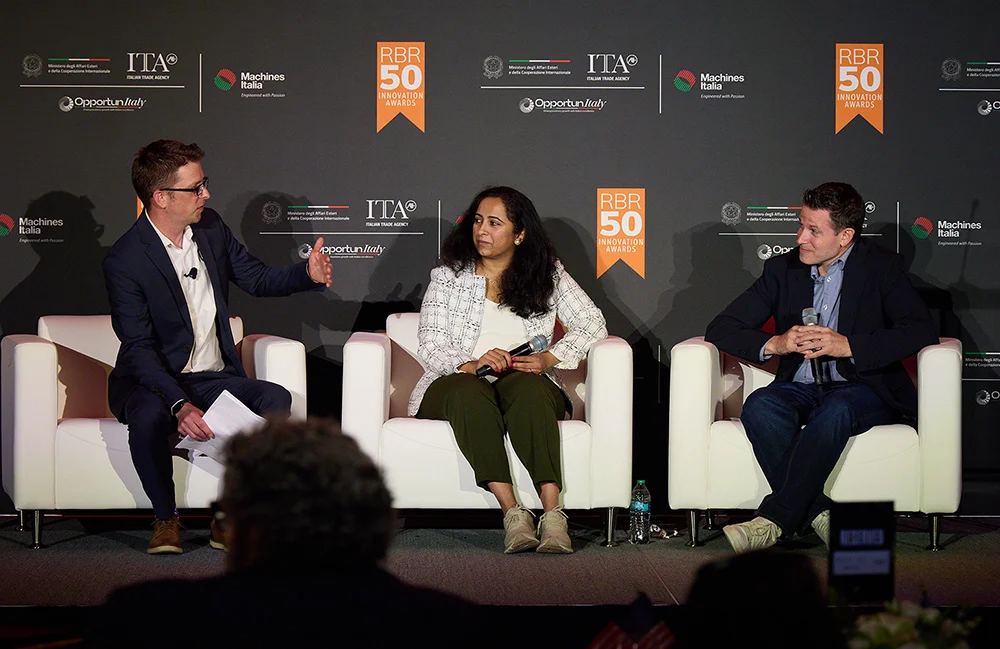
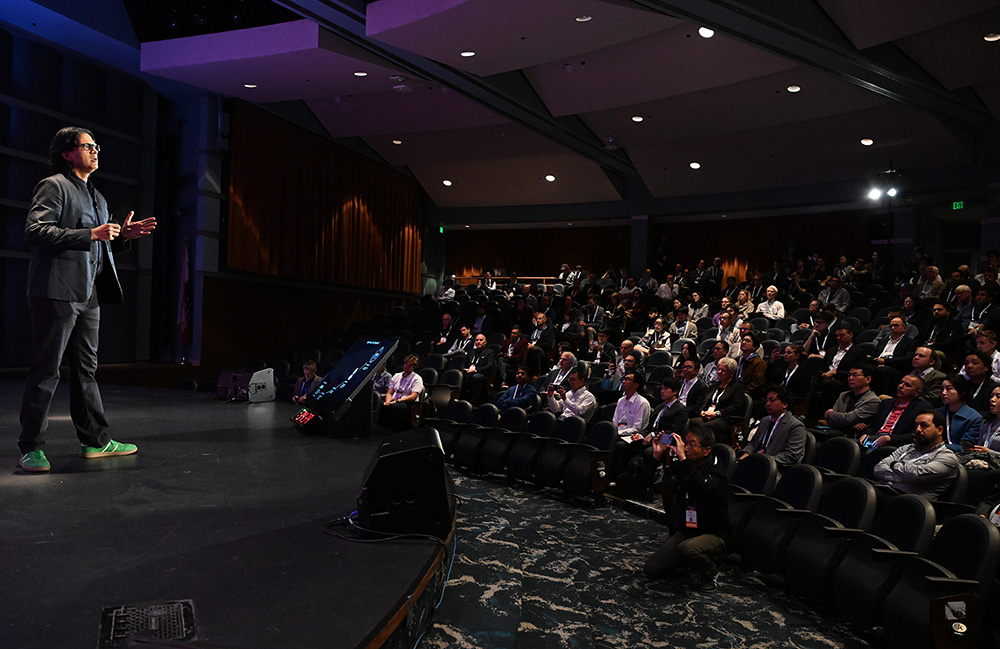
The centerpiece of today’s agenda—and perhaps the most anticipated session of the entire conference—is the "State of Humanoids" keynote, scheduled for 9:30 a.m. PT in the second-floor theater.
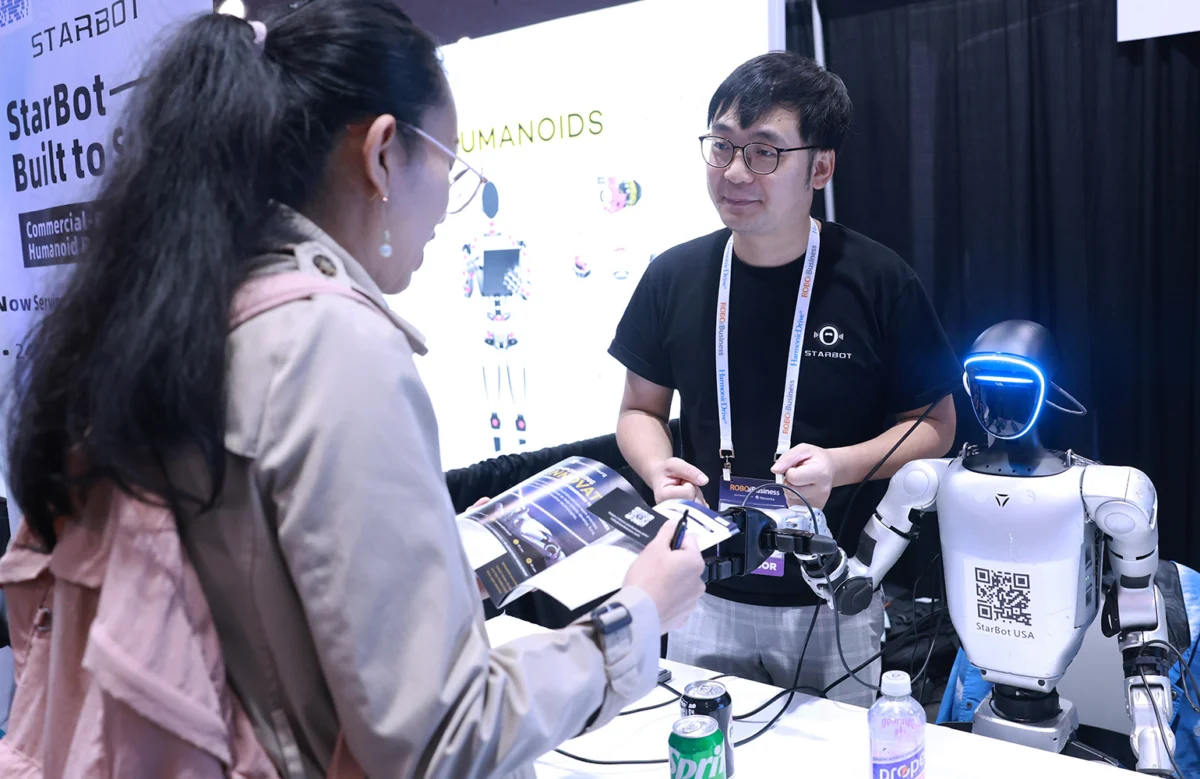
In an era where humanoid robots are rapidly transitioning from research laboratories to industrial factory floors, this panel serves as a crucial reality check. The session aims to deconstruct the current capabilities of these machines, moving beyond the viral social media videos to address the gritty, operational realities of deployment.
Expert Perspectives on the Humanoid Revolution
The panel brings together a formidable roster of industry leaders, moderated by Mike Oitzman, Senior Editor at The Robot Report. The lineup includes:
- Pras Velagapudi, CTO of Agility Robotics, whose work with bipedal mobility has set industry benchmarks.
- Parker Conroy, Head of Product Management at Apptronik, representing the vanguard of general-purpose humanoid development.
- Michael Patrick Perry, Head of Commercial Strategy at Persona AI, focusing on the integration of advanced linguistic and social intelligence into robotic frames.
- Aadeel Akhtar, Founder and CEO of PSYONIC, bringing critical insights into the intersection of human-robot interface and prosthetics.
The discussion is expected to pivot around the "industrial lessons learned" from early implementations. While the promise of humanoids is to fill labor gaps in manufacturing and logistics, the reality involves significant challenges in power consumption, battery longevity, and safety certification in human-populated environments. Attendees can expect a candid exploration of how these firms are navigating the transition from proof-of-concept to long-term reliability.
Chronology of a Final Day: A Strategic Itinerary
For those navigating the final day, timing is everything. The schedule is meticulously designed to balance high-level strategic discourse with hands-on technical exploration.
Morning Schedule (9:30 a.m. – 12:00 p.m.)
- 09:30 a.m.: The "State of Humanoids" Keynote. The primary objective here is to establish the current industry baseline.
- 10:45 a.m.: Breakout sessions commence. These sessions are divided into specific technical tracks, allowing attendees to choose between deep dives into AI-driven perception, motion control, or supply chain integration.
- 11:45 a.m.: The second round of morning breakout sessions. These will likely focus on the business of robotics—scaling startups, navigating Series C funding, and managing the legal complexities of autonomous liability.
Afternoon Schedule (12:00 p.m. – 4:00 p.m.)
- 10:00 a.m. – 3:00 p.m.: The Exhibitor Hall remains the heart of the show. With a concentrated focus on "Startup Alley," this is the prime time for networking.
- 2:00 p.m.: Afternoon breakout sessions resume. These sessions are traditionally where the most niche, highly technical innovations are discussed, often highlighting the latest in sensor fusion and edge computing.
- 3:00 p.m.: Closing Keynote. Morgan Pope, Director of Companionship at Familiar Machines & Magic, will conclude the conference.
Supporting Data: Why 2026 is the Inflection Point
To understand the weight of the discussions happening at RoboBusiness 2026, one must look at the data driving the industry. According to recent market intelligence reports presented at the show, the integration of generative AI into robotic control stacks has accelerated development cycles by an estimated 30% compared to 2024.
The shift from rigid, scripted behavior to emergent, AI-driven navigation is not merely a technical upgrade; it is a fundamental shift in the business model of robotics. Companies are no longer selling just hardware; they are selling "Robot-as-a-Service" (RaaS) models, where the software intelligence is continuously updated over the air. This shift is central to the conversations in the breakout sessions, as participants discuss the recurring revenue potential versus the high overhead of maintaining cloud-based AI infrastructure.
Furthermore, the surge in "Startup Alley" participation indicates a robust venture capital interest. Despite broader economic fluctuations, the robotics sector continues to see an influx of capital, particularly in companies that demonstrate a clear, near-term path to ROI (Return on Investment) for their customers.
Official Responses and Industry Sentiment
The general sentiment at this year’s show is one of "cautious optimism." While industry leaders are clearly energized by the rapid progress in bipedal locomotion and dexterous manipulation, there is a palpable shift toward maturity. The "hype phase" that characterized the early 2020s has given way to a focus on reliability, maintenance, and safe human-robot collaboration.
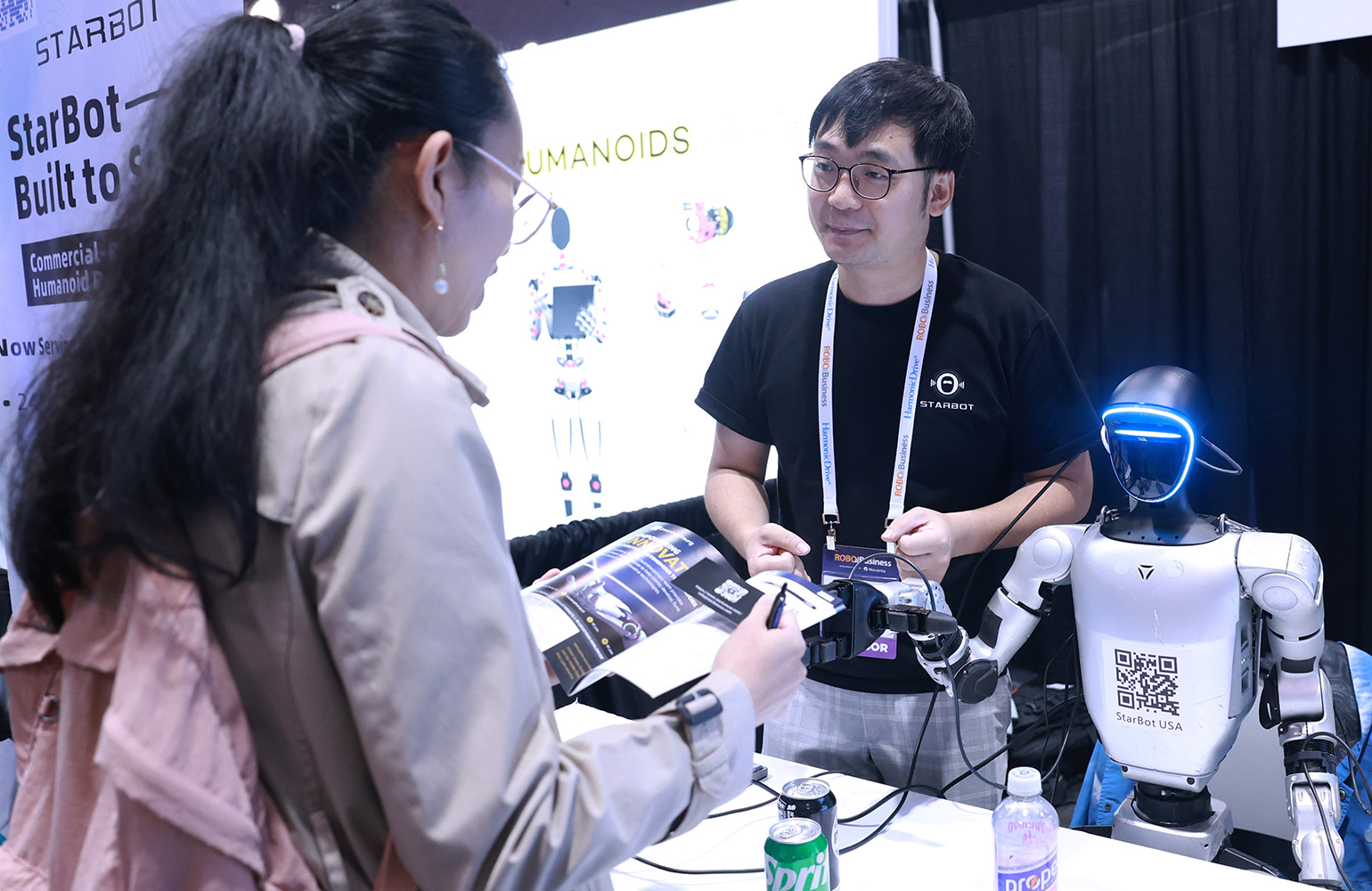
During yesterday’s sessions, several industry analysts remarked that the "lesson of 2026" is the necessity of integration. A robot that can walk is a novelty; a robot that can integrate into a legacy warehouse management system, communicate with human supervisors in natural language, and charge itself safely is an industrial asset. The keynotes and panels are reflecting this change in priority, emphasizing systems engineering over individual hardware "heroics."
The Human Element: Robotics as Companionship
As the show draws to a close, the final keynote by Morgan Pope of Familiar Machines & Magic brings a necessary, often overlooked, dimension to the stage: the psychological impact of robotics.
As we move toward a future where robots will inevitably share our homes, hospitals, and offices, the design of their "character" becomes as vital as their mechanical precision. Pope’s session will explore how the principles of theater, animation, and behavioral psychology are being applied to robotic characters to foster trust and intuitive interaction. This session is a fitting conclusion to the 20th-anniversary celebration, reminding attendees that even as we master the cold, hard logic of silicon and steel, the ultimate success of robotics will depend on our ability to make these machines "relatable."
Implications for the Future of Automation
The conclusion of RoboBusiness 2026 marks more than just the end of a conference; it signals the beginning of a new chapter in the history of labor. The industry is currently at a crossroads. We have moved past the era of the "dumb machine" that repeats a single task in a cage. We are entering the era of the "collaborative agent."
The implications are far-reaching:

- Workforce Transformation: As robots become more capable, the role of the human operator is shifting toward supervisory, maintenance, and creative roles.
- Infrastructure Requirements: The reliance on AI means that the physical infrastructure of our factories and cities must evolve to support high-bandwidth, low-latency connectivity.
- Regulatory Challenges: As noted in multiple panel discussions, the legal framework for autonomous action remains fragmented. The discussions at this conference are already feeding into policy white papers that will shape the regulatory environment for the next decade.
As the doors close on the 20th anniversary of RoboBusiness, the consensus among attendees is clear: the technology is no longer the bottleneck. The bottleneck is now our ability to scale, integrate, and ethically deploy these systems into the fabric of daily life. The lessons learned here in the exhibition halls and meeting rooms will undoubtedly influence the trajectory of the global economy for years to come.
For those still at the venue, registration remains open on-site for those who wish to catch the final sessions. As the industry looks toward 2027 and beyond, one thing is certain: the pace of change will not slow down. The robots are here, they are learning, and they are becoming a permanent part of our collective future.