As global financial markets navigate an era of persistent geopolitical tension, inflationary pressures, and shifting monetary policies, gold has firmly reasserted its historical role as the ultimate safe-haven asset. The precious metal continues to shatter historical records, drawing intense interest from institutional investors, central banks, and retail buyers alike. As of mid-March 2026, market data highlights a profoundly bullish trajectory for the yellow metal, prompting analysts to re-evaluate long-term forecasts and examine the underlying macroeconomic catalysts driving this historic rally.
Main Facts: The 2026 Gold Market Landscape
The gold market in early 2026 is characterized by unprecedented volatility paired with an aggressive upward trend. Key metrics defining the current market environment include:
- Spot Gold Benchmark: Spot gold prices have consistently hovered near historic highs, trading actively within the $4,500 to $4,780 per ounce range during the second week of March 2026.
- Driving Catalysts: Ongoing macroeconomic uncertainty, aggressive central bank accumulation of bullion, and hedging against currency devaluation continue to form the bedrock of this persistent bull run.
- Retail and Institutional Demand: Physical gold bars, particularly 50-gram formats and standard 24-karat investment tiers, are experiencing surging demand across major Middle Eastern and North African hubs, reflecting a flight to tangible assets among everyday investors.
- Regional Variations: In localized markets such as Egypt and Saudi Arabia, retail pricing reflects both the global spot movement and domestic currency dynamics, keeping local bullion trading near record peaks.
Chronology of a Historic Rally: From 2025 Milestones to 2026 Highs
To understand the current state of the precious metals market, one must trace the rapid escalation of prices over the preceding twelve months.
Late 2025: Breaking the Barrier
By the close of 2025, gold had already dismantled several psychological barriers. Analysts tracking market developments noted that the metal defied traditional summer slowdowns, building steady momentum through the third and fourth quarters. Fueled by expectations of global interest rate cuts and mounting sovereign debt concerns in major economies, spot gold closed out 2025 by comfortably establishing bases above the $4,000-per-ounce threshold.
Early 2026: The New Normal
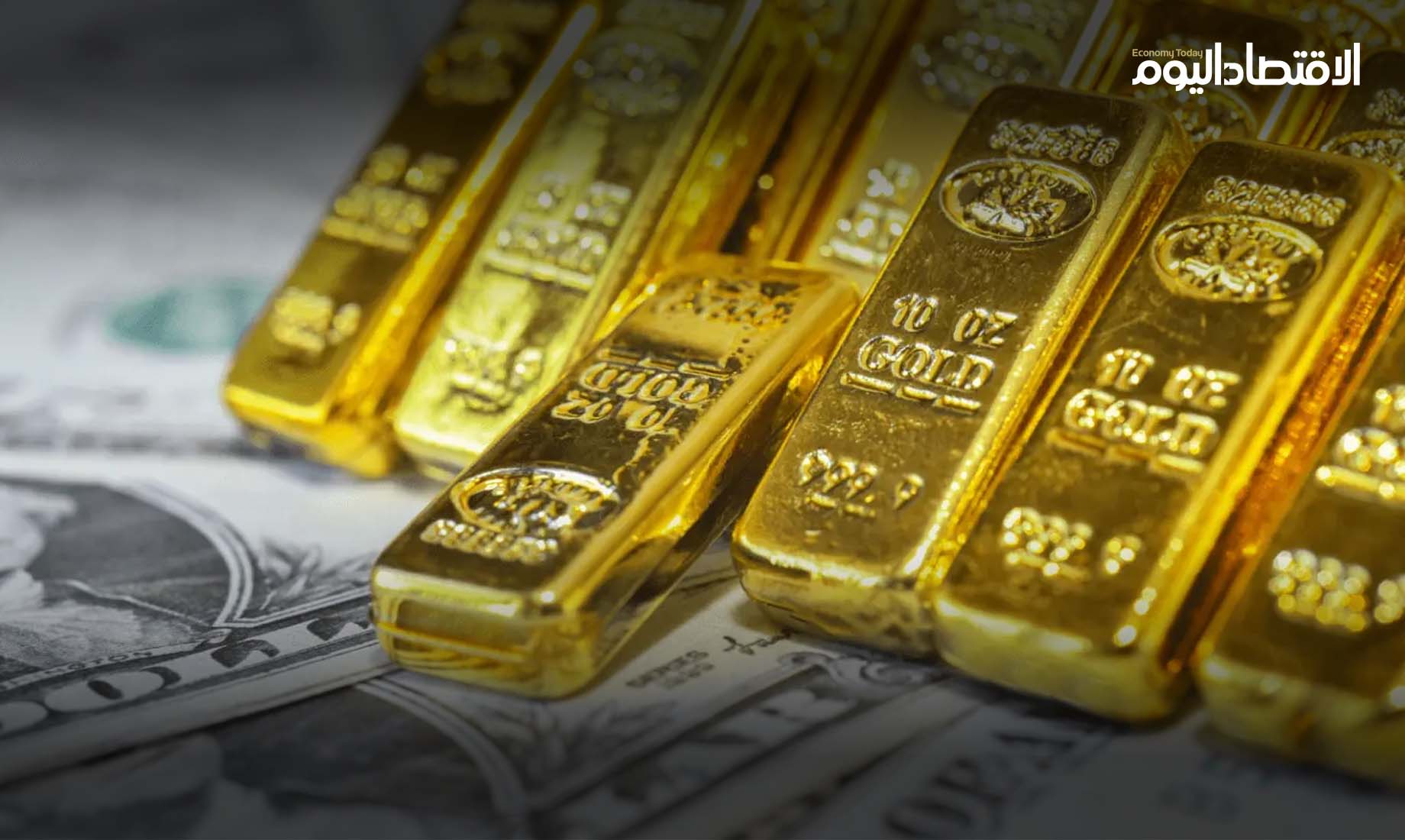
As the calendar turned to 2026, the market experienced a brief consolidation phase during January. However, this pause was short-lived. By February and into March 2026, renewed supply chain disruptions, persistent regional conflicts, and fluctuating energy markets drove institutional funds back into safe-haven assets. By March 13, 2026, spot prices were firmly anchored near the upper echelons of historical trading bands, outperforming equities and major fiat currencies on a risk-adjusted basis.
Supporting Data and Regional Pricing Breakdown
The global surge in gold values directly impacts retail and wholesale markets across the Middle East, where gold remains a cultural cornerstone of wealth preservation.
Saudi Arabian Market Trends
In the Kingdom of Saudi Arabia, retail gold prices have mirrored global movements closely. Investors tracking riyal-denominated spot prices have witnessed continuous adjustments across all purity grades, particularly 24-karat, 22-karat, and 18-karat gold. The demand for 50-gram investment bullion bars has reached record levels as retail participants seek secure, highly liquid instruments to hedge against regional economic shifts.
The Egyptian Market Dynamics
In Egypt, domestic gold prices have reached unprecedented heights, driven by a combination of international spot values and local currency valuation metrics.
- 24-Karat Gold: Premium 24-karat gold gram prices have traded at elevated levels, reflecting the scarcity of raw bullion and high local demand. For instance, standard benchmarks have seen 28-karat equivalent or high-purity variants (such as standard 24k measurements) reaching monumental local figures, with specific benchmarks touching approximately 220,995 local currency units per localized trading unit metrics.
- Market Liquidity: Local gold merchants report that retail consumers are increasingly utilizing gold as a primary savings vehicle, prioritizing gold coins and certified bullion bars over traditional cash holdings to combat inflationary erosion.
Official Responses and Expert Commentary
Financial authorities, central bank officials, and market strategists have increasingly addressed the structural shifts driving the gold market.
Central Bank Accumulation
A primary pillar of the ongoing bull market is the aggressive acquisition of gold reserves by emerging market central banks. Official statements from monetary authorities highlight a strategic shift away from dollar-denominated reserves toward hard assets capable of withstanding geopolitical fragmentation. This institutional buying floor has prevented any severe corrections, ensuring that price dips are routinely met with substantial institutional support.
Analyst Perspectives
Leading commodities analysts emphasize that the structural bull market for gold is far from over. Speaking on recent market developments, senior economic commentators noted that as long as global debt-to-GDP ratios remain historically high and central banks maintain accommodative or unpredictable monetary stances, gold will retain its premium status. Furthermore, prominent market forecasters have begun modeling scenarios where gold could test or even surpass the $6,000-per-ounce ceiling over the medium term if current macroeconomic pressures intensify.
Economic Implications of the 2026 Gold Surge
The soaring price of the precious metal carries profound implications for the global economy, retail investors, and state fiscal policies.

1. Impact on Retail Investors and Savers
While institutional investors benefit from sophisticated hedging strategies, everyday savers face a double-edged sword. On one hand, those who accumulated gold early in previous years are sitting on substantial gains. On the other hand, high entry barriers make physical gold increasingly difficult for small-scale retail buyers to acquire, shifting demand toward fractional bars and digital gold certificates.
2. Shifts in Consumer Behavior and Jewelry Sectors
Traditional gold jewelry markets, particularly in North Africa and the Gulf, are experiencing a structural transformation. High raw material costs have forced craftspeople and retailers to pivot toward lightweight designs or focus heavily on bullion and investment-grade coins rather than intricate, high-labor jewelry pieces. Consumers increasingly view purchases through an investment lens rather than purely aesthetic ones.
3. Macroeconomic Resilience and Hedging
For national economies, a strong gold price serves as a barometer of systemic stress. It signals a lack of absolute confidence in traditional fiat systems and sovereign debt instruments. As governments and institutional portfolios continue to diversify into gold, the metal’s role as a non-correlated asset class is permanently cemented in modern financial planning.
Conclusion
The gold market of March 2026 stands as a testament to the enduring allure of the yellow metal during times of profound global transition. With spot prices consolidating near historic highs and persistent demand across both retail and institutional sectors, gold has redefined the boundaries of asset valuation. Whether the market will press forward to test even higher psychological milestones remains one of the most closely watched financial storylines of the decade.