As the global climate crisis accelerates with rising global temperatures and more frequent extreme weather events, the international community’s resolve is facing a severe stress test. Decades of high-level diplomatic speeches, ambitious positioning papers, and legally binding frameworks have established clear target years—ranging from 2030 to 2050—for nations to curtail their greenhouse gas emissions. Yet, as political turmoil, inflation, and shifting geopolitical landscapes strain domestic economies, the gap between ambitious rhetoric and actual policy implementation is widening.
This tension reached a critical flashpoint when both Canada and the European Union adjusted their vehicle emissions regulations. Faced with economic pressures, trade disputes, and the looming threat of right-wing political movements, leaders in Ottawa and Brussels have opted to hit the brakes on their aggressive green transitions. While both governments insist their long-term decarbonization goals remain intact, critics warn that these concessions threaten to derail progress at the exact moment climate action is most urgent.
Main Facts
The recent policy reversals by Canada and the European Union mark a significant pivot in the global timeline for electrifying the transportation sector.
In North America, the Canadian federal government—acting in coordination with the government of Ontario—announced a three-year freeze on its vehicle emissions mandates. The current standard, fixed at 172 grams of greenhouse gas emissions per mile (107 grams per kilometer), will remain unchanged through the end of 2029. Despite this pause, Ottawa maintains that its ultimate goal remains unchanged: ensuring that 75 percent of all new car sales are electric by 2035. To cushion the domestic auto manufacturing sector during this transition, the federal and provincial governments have also unveiled a joint $2.5 billion investment package targeted at capital projects over the next two years.
Meanwhile, across the Atlantic, the European Union is navigating a similarly complex retreat. Following initial compromises brokered between France and Germany to soften the bloc’s strict zero-emissions-by-2035 mandate, a new centrist consensus has emerged within the European Parliament. According to reports from German media, upcoming legislative proposals would lower the 100 percent reduction target to 87.5 percent, effectively adjusting the 2035 electric vehicle sales target to 95 percent, provided that manufacturers incorporate at least 7.5 percent "green steel" into their production processes.
These simultaneous policy adjustments underscore a growing global trend: when economic instability threatens domestic industries, long-term climate commitments are frequently the first casualties of political pragmatism.
Chronology of Events
The unraveling of these stringent targets did not happen overnight; it is the culmination of months of intense lobbying, economic strain, and political maneuvering.
- Early 2026: The Canadian federal government promises aggressive new vehicle pollution standards slated to take effect in 2027, intending to accelerate the nation’s transition toward widespread EV adoption.
- October 2026 (Mid-Month): In Europe, political powerhouses France and Germany reach a preliminary agreement to dilute the European Union’s rigid zero-exhaust emissions rules, signaling cracks in the bloc’s united climate front.
- October 16–22, 2026: German publication Handelsblatt reports that centrist political parties have forged a consensus to lower the EU’s 100 percent reduction target to 87.5 percent under specific industrial conditions.
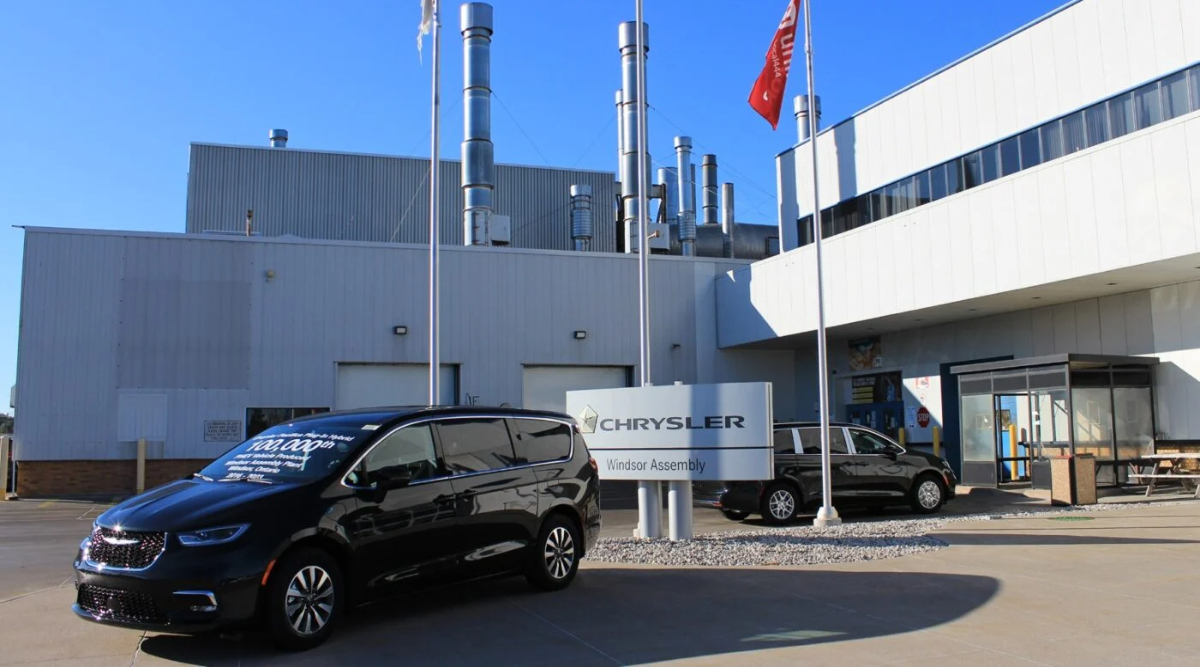
- October 22, 2026: Canadian Prime Minister Mark Carney and Ontario Premier Doug Ford jointly announce a formal three-year freeze on Canada’s vehicle emissions standards through 2029, alongside a $2.5 billion support package for the domestic auto industry.
- Early November 2026 (Upcoming): The European Parliament’s Environment Committee is scheduled to vote on the revised emissions package, paving the way for a full plenary session vote in December.
Supporting Data and Regulatory Mechanics
Understanding the gravity of these policy shifts requires examining the specific numerical baselines and legislative hurdles involved in both jurisdictions.
The Canadian Numbers
- Current Standard (Frozen through 2029): 172 grams of greenhouse gas emissions per mile (approximately 107 grams/km).
- Future Target Post-2029: Emissions standards are slated to ratchet down annually until reaching 74 grams per mile (46 grams/km).
- 2035 Target: 75 percent of new car sales must be zero-emission vehicles.
- Financial Support: $2.5 billion invested jointly by federal and Ontario governments over two years for auto manufacturer capital projects.
- Import Quotas: Canada has opened pathways for up to 49,000 Chinese electric vehicles to be imported under a preferential 6.1 percent tariff.
The European Union Legislative Pathway
- Proposed Target Adjustment: Lowering the 100 percent emissions reduction target to 87.5 percent by 2035, resulting in a mandatory 95 percent EV sales share.
- Compliance Condition: Automakers must utilize a minimum of 7.5 percent green steel in vehicle construction.
- Approval Requirements:
- Environment Committee vote in early November.
- Plenary session vote in the EU Parliament in December (requiring a simple majority).
- EU Council approval via a "qualified majority" (requiring at least 15 member states representing a minimum of 65 percent of the total EU population).
Official Responses and Stakeholder Reactions
The decisions in Ottawa and Brussels have elicited sharply polarized responses from environmental advocates, industry leaders, and political figures alike.
Environmental and Clean Energy Advocates
Civil society groups and clean energy watchdogs have condemned the rollbacks, arguing they undermine consumer savings and public health.
In Canada, Clean Energy Canada issued a stern warning:
“[T]he decision to pause any increase in the regulation until model year 2030 puts significantly more pressure on the policy’s later years and could undermine success down the road. The unexpected delay will impact the potential benefits of stronger EV uptake, including thousands in fuel cost savings for households and up to $21 billion in charging industry investments. At the same time, Canadian communities will face the increased health costs and impacts from worse air quality.”
Similarly, the British Columbia-based Pembina Institute argued that the delay renders the 2035 target of 75 percent EV sales "next to impossible," restricting consumer access to affordable, clean transportation options.
Automotive Industry Representatives
Conversely, traditional manufacturing associations have welcomed the regulatory breathing room, arguing that rigid timelines threaten employment and capital stability during a period of global trade volatility.

Brian Kingston, CEO of the Canadian Vehicle Manufacturers Association, praised the government’s intervention:
“We welcome the measures to support Canada’s auto industry through this challenging period. Today’s announcement is an important step toward a more predictable, competitive, and achievable regulatory environment needed to protect Canadian auto jobs, production, and investment.”
Political Rationales
Defending the joint Canadian policy shift, Ontario Premier Doug Ford pointed to broader geopolitical and cross-border shifts. Acknowledging the unpredictable political climate in the United States, Ford emphasized that Canada must chart an independent, pragmatic course:
“As we stand here today, it’s clear that Canada’s relationship with the United States has changed permanently. No matter what happens in the midterms, no matter who sits in the White House, we’re not going back to the way things were, and we need to plan accordingly.”
Implications for the Global Climate Trajectory
The decisions by Canada and the EU to delay and dilute their vehicle emissions frameworks highlight a profound systemic dilemma: how to balance immediate socio-economic stability with the existential imperatives of long-term climate action.
While policymakers argue that concessions are necessary to protect domestic industrial bases, safeguard manufacturing jobs, and navigate inflationary pressures exacerbated by global conflicts, critics argue that the atmosphere does not negotiate. By kicking the reduction can down the road, governments risk creating steeper, more disruptive policy cliffs in the 2030s. Furthermore, as international climate commitments soften, global greenhouse gas trajectories risk overshooting critical tipping points.
As the legislative machinery in Brussels grinds toward its winter votes and Canadian regulators monitor the impact of delayed targets, the underlying reality remains unchanged. Short-term political calculus offers temporary relief to beleaguered economies, but it offers little protection against the compounding costs of a warming planet.