As summer arrives with its signature intensity, homeowners across the region face a familiar seasonal dilemma: how to maintain a cool, refreshing indoor sanctuary without triggering an astronomical utility bill. With average July temperatures in communities like North Ridgeville, Ohio, regularly hovering around a humid 85 degrees, air conditioning systems are put to the ultimate test.
Finding the sweet spot for your thermostat isn’t just about personal comfort; it is a critical strategy for reducing energy consumption, lowering utility expenses, and extending the operational lifespan of your HVAC equipment. In this comprehensive guide, we explore the science of summer cooling, expert-recommended temperature settings, humidity control, and advanced strategies to optimize your home climate control system.
Main Facts: The Anatomy of Summer Cooling and Energy Efficiency
Your thermostat is far more than a simple dial for regulating indoor climate—it is the command center for your home’s entire HVAC infrastructure. Operating your air conditioner efficiently requires understanding how temperature settings directly impact mechanical wear, energy grids, and household budgets.
The Department of Energy Guidelines
According to the U.S. Department of Energy (DOE), the golden rule for summer cooling is maintaining your thermostat at 78 degrees Fahrenheit when you are at home and awake. While this temperature might initially sound a bit warm to some residents accustomed to arctic indoor climates during summer, extensive research indicates that 78°F provides an ideal balance between human comfort and energy conservation.
When you are away from the house for work or running errands, the DOE recommends bumping the thermostat up to 85 degrees Fahrenheit. For extended absences, such as summer vacations, adjusting the temperature even higher—or utilizing a dedicated "vacation mode"—prevents your cooling system from running cycles needlessly in an empty home.
Why Small Changes Matter
Many homeowners assume that dropping the thermostat to 68 or 70 degrees cools the house down faster. This is a common HVAC myth. Air conditioning systems cool at a constant rate regardless of how low the thermostat is set. Setting the temperature artificially low only forces the system to run longer, leading to excessive energy consumption, premature component wear, and a heightened risk of mechanical failure.
Chronology: Managing Your Home Climate Through the Daily Routine
Optimizing your cooling strategy requires a chronological approach that mirrors your daily lifestyle. Rather than leaving your air conditioner running at a single flat temperature 24/7, modern energy management relies on dynamic adjustments tailored to your routine.
Morning: Waking Up to Efficiency
As the sun rises and outdoor temperatures begin their daily climb, your home should already be transitioning. If you utilize a programmable or smart thermostat, the system should gradually adjust from your comfortable sleeping temperature to your daytime setting just as you begin your morning routine.
Afternoon: The Peak Heat Hours
During the hottest part of the day—typically between 1:00 PM and 7:00 PM—solar radiation is at its peak. This is when your air conditioner works the hardest to combat heat gain through windows, walls, and roofs. Maintaining the recommended 78°F during these hours minimizes strain on the grid and prevents your system from overheating or freezing up due to continuous, overextended operation.
Evening and Night: Unwinding and Sleeping
As evening sets in and outdoor temperatures recede, indoor comfort needs shift. While some prefer a slightly cooler environment for sleeping (typically between 70°F and 72°F if utilizing heavy bedding), keeping the home excessively cold overnight drives up energy use. If you have a smart thermostat, you can automate a gradual temperature reduction timed precisely with your bedtime.
Supporting Data: The Impact of Climate, Humidity, and Architecture
Achieving optimal indoor comfort involves more than just looking at a thermometer. Regional climate factors, architectural nuances like multi-story layouts, and indoor humidity levels all dictate how your air conditioner performs.
The North Ridgeville and Avon Lake Climate Factor
Local weather patterns heavily influence HVAC demands. In Northeast Ohio communities like North Ridgeville and Avon Lake, summer brings not only high temperatures but also significant moisture content in the air.
High relative humidity is a major comfort disruptor. When the air is saturated with moisture, sweat cannot evaporate efficiently from your skin, making 75 degrees feel more like 80. Managing humidity is therefore just as important as managing temperature.

- The Ideal Humidity Range: Aim to keep indoor humidity levels between 30% and 50%.
- The Dehumidification Benefit: Many modern air conditioners feature built-in dehumidification cycles. If yours does not, deploying a standalone dehumidifier allows you to feel comfortable at a slightly higher thermostat setting (such as 78°F or 80°F), saving significant energy.
Two-Story House Dynamics: Battling the Stack Effect
Homeowners living in two-story residences are well-acquainted with the thermal stratification challenge: hot air naturally rises, making upper levels significantly warmer than ground floors.
Relying on a single thermostat located on the main floor often results in an uncomfortably hot upstairs while the downstairs feels freezing. To combat this architectural hurdle, consider the following solutions:
- Zoning Systems: Installing a zoned HVAC system allows you to control temperatures on each floor independently via motorized dampers in your ductwork.
- Strategic Air Circulation: Utilizing ceiling fans on the upper level creates a wind-chill effect, making the air feel cooler without altering the central thermostat.
Official Responses and Expert Recommendations
HVAC contractors, utility providers, and federal agencies all align on best practices for residential cooling. Their collective guidance emphasizes proactive maintenance and the integration of smart technology.
The Shift Toward Smart Thermostats
Traditional manual thermostats require constant human intervention, leading many homeowners to forget to adjust settings when leaving for work or going to sleep. Official energy conservation programs heavily endorse programmable and smart thermostats.
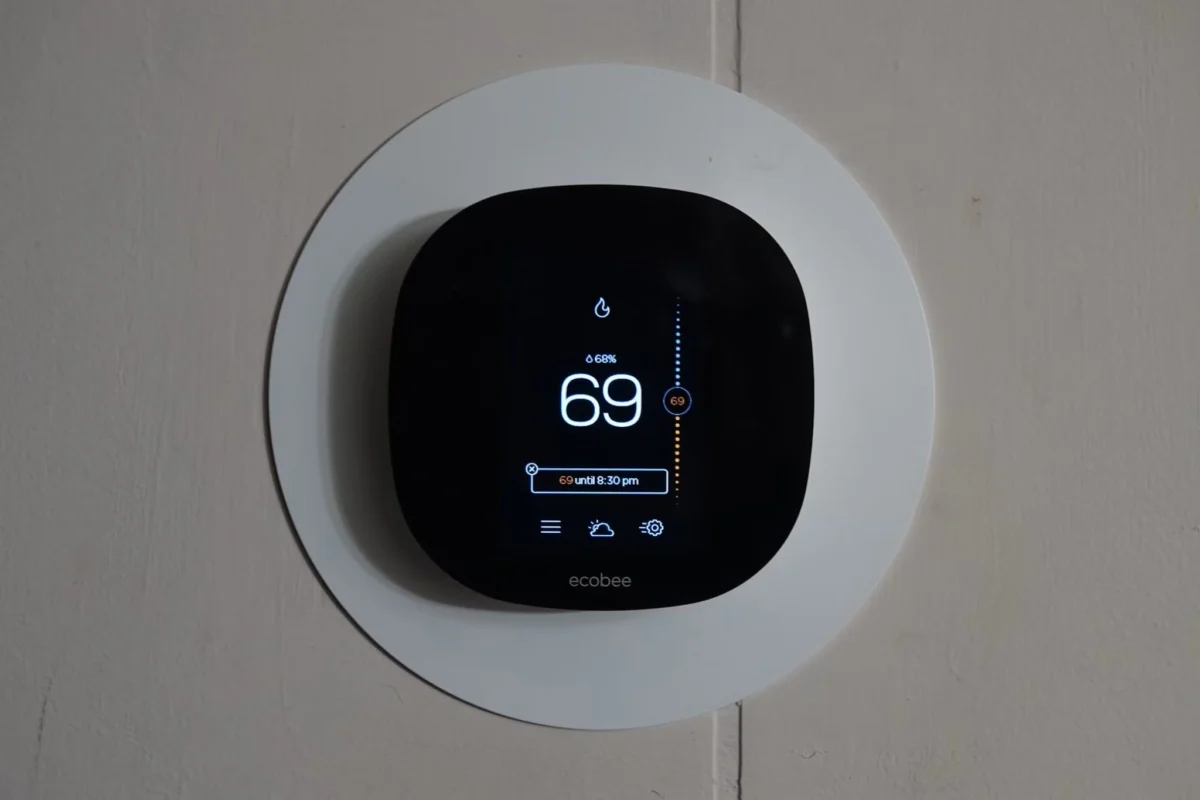
Modern smart thermostats utilize geofencing technology through your smartphone, learning your habits and automatically adjusting temperatures when you leave the house. Furthermore, mobile apps allow remote monitoring, meaning you can cool down your home right before you make the trip back from an extended vacation in Ohio or a long workday.
Utility Incentives and Energy-Saving Programs
Many regional utility companies offer financial incentives, rebates, and demand-response programs to homeowners who upgrade to energy-efficient HVAC equipment or install smart thermostats. These programs are designed to reduce peak load on the electrical grid during high-heat advisory days, preventing brownouts while rewarding consumers with bill credits or discounted hardware.
Implications: The Long-Term Benefits of Efficient AC Management
Adopting disciplined thermostat settings and maintaining your cooling system yields profound economic and environmental implications.
Financial Savings
The most immediate impact of raising your thermostat by just a few degrees and adhering to efficient scheduling is a noticeable reduction in monthly utility bills. According to the Department of Energy, homeowners can save up to 10% a year on heating and cooling simply by turning their thermostat back 7° to 10°F for 8 hours a day from its normal setting. Over the course of a multi-month summer, these savings accumulate substantially.
Equipment Longevity and Reduced Repair Costs
Air conditioning units that run continuously at maximum capacity due to overly ambitious thermostat settings experience accelerated wear and tear. Compressors overheat, electrical components degrade, and air filters clog faster.
By easing the workload on your HVAC system, you drastically reduce the likelihood of emergency breakdowns. Routine maintenance—such as replacing dirty filters, cleaning condenser coils, and scheduling professional tune-ups—ensures your unit operates at peak efficiency year after year.
Additional Passive Cooling Strategies
To maximize the effectiveness of your primary cooling system, pair your thermostat strategy with these passive tactics:
- Close Blinds and Curtains: Prevent solar heat gain by drawing window treatments during peak daylight hours.
- Leverage Ceiling Fans: Remember that ceiling fans cool people, not rooms. Turn them on when occupying a space to create a cooling breeze, and turn them off when you leave to save electricity.
- Seal and Insulate: Ensure your home’s doors, windows, and attic spaces are properly sealed to prevent conditioned air from escaping.
Conclusion: Take Control of Your Summer Comfort
Navigating the summer heat doesn’t mean resigning yourself to suffocating indoor temperatures or bankrupting yourself with excessive utility bills. By aligning your thermostat practices with official recommendations—such as maintaining 78°F while home, utilizing programmable schedules, managing indoor humidity, and deploying passive cooling measures—you can achieve a comfortable, refreshing living environment all season long.
If your air conditioning unit is struggling to keep up, won’t turn on, or requires professional attention, you don’t have to face the heat alone. Climate-Tech offers expert air conditioning repair, routine maintenance, and comprehensive HVAC services designed to optimize your home’s comfort and energy efficiency. Contact our team of certified professionals today to ensure your cooling system is ready for whatever the summer brings!