By Global Energy & Mobility Desk
Published: September 2026
Main Facts
The ongoing military conflict involving the United States and Iran has metastasized far beyond traditional battlefields, triggering acute economic shocks throughout the global supply chain. While mainstream media coverage has extensively tracked the volatility in gasoline and diesel prices, a less-reported commodity crisis is quietly unfolding on the shelves of American retailers: synthetic motor oil.
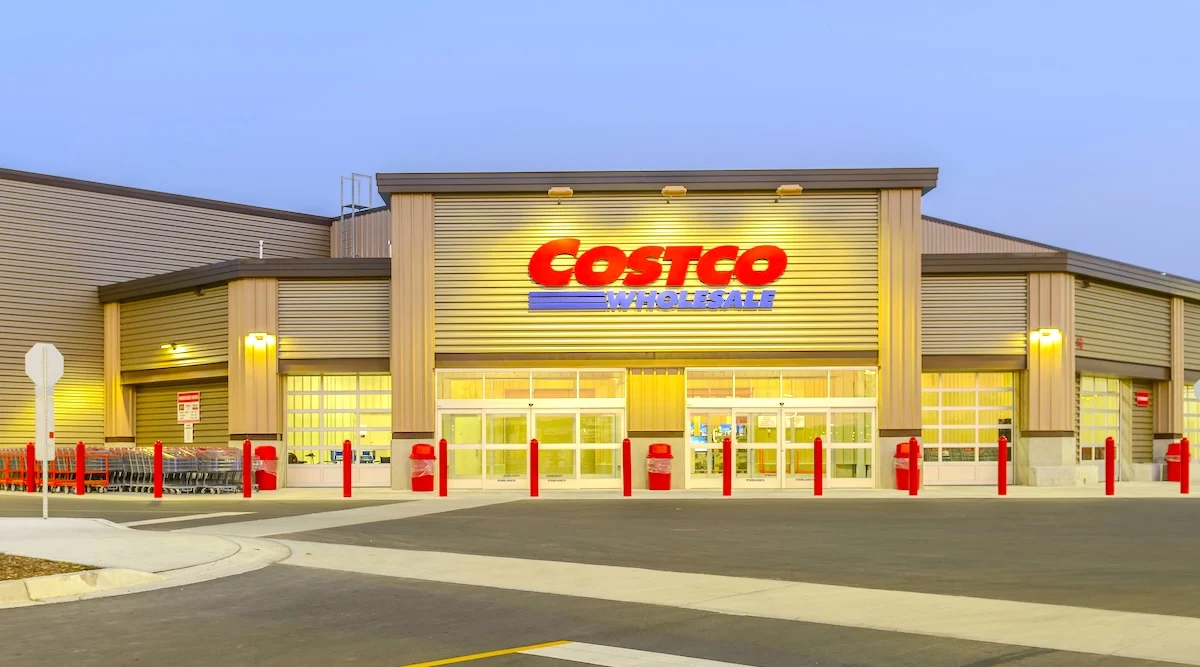
Wholesale retail giant Costco—widely regarded as a bellwether for consumer goods pricing due to its stringent cost-control measures—has taken the unprecedented step of raising the price of its popular Kirkland Signature full-synthetic motor oil while simultaneously enforcing strict purchase limits. A 10-quart pack, which historically hovered in the mid-$30 range, has surged to $58.00. Compounding the price shock, Costco has restricted customers to a single transaction at a time, capped at two transactions per week.
This drastic measure by a company famous for shielding consumers from inflationary pressures signals a deeper, structural crisis within the lubricant supply chain. Unlike gasoline, which the United States largely produces domestically as a net exporter, the base oils required to blend modern synthetic motor oils are predominantly imported. As refining priorities shift and crude feedstocks become increasingly expensive, the total cost of ownership (TCO) for internal combustion engine (ICE) vehicles is climbing steadily, inadvertently providing a strong economic tailwind for the electric vehicle (EV) market.
Chronology
To understand how a geopolitical escalation in the Middle East ultimately impacts a jug of motor oil on a suburban warehouse shelf, it is necessary to examine the sequence of events that disrupted global energy and shipping markets:
- Pre-Conflict Baseline: Long before the current military escalations, the cost of motor oil was already experiencing upward pressure. Modern, high-efficiency internal combustion engines require increasingly sophisticated synthetic lubricants, raising baseline manufacturing costs.
- February 28: US military forces initiate strikes against targets in Iran, immediately triggering a spike in global crude oil prices and disrupting primary shipping lanes in the Middle East.
- Spring (May–June): Regional media outlets, including ABC affiliate KTNV in Las Vegas, begin reporting emerging motor oil shortages and price anxieties affecting major retailers like Walmart and Costco. Market analysts from Independent Commodity Intelligence Services (ICIS) reveal to National Public Radio (NPR) that the price of base oils used to blend synthetic lubricants has "more than tripled to record levels."
- Late Summer: Shipping routes face compounding dangers. Following the effective closure of the Strait of Hormuz by Iran, the Iran-backed Houthi rebel group in Yemen captures an island on the Bab el-Mandeb Strait, forcing maritime traffic to navigate dangerous alternative choke points.
- September: Saudi Arabia is forced to temporarily shut down an alternative pipeline transportation route after a drone attack originating from Iraq. Simultaneously, news breaks regarding Costco’s official price hike to $58.00 per 10-quart pack and the immediate implementation of strict consumer rationing.
- Upcoming (November 2): Costco’s current round of promotional member incentives for fully electric Volvo vehicles—aimed at steering consumers toward alternative powertrains—is scheduled to expire.
Supporting Data
The economics driving the motor oil shortage are rooted in the complex chemistry of petroleum refining. According to industry analysis from The Auto Wire, base oil—the essential feedstock that lubricant blenders process into finished motor oil—is extracted from the exact same barrel of crude oil that yields gasoline and diesel.
When geopolitical tensions squeeze global crude supplies, refiners face an economic choice. When the profit margins (known as "crack spreads") for refining crude into transportation fuels outpace those for manufacturing lubricants, refineries prioritize fuel production. Consequently, the volume of base oil available to the market shrinks drastically.
Furthermore, trade data highlights a critical vulnerability in the American automotive supply chain:
- Import Dependency: While the United States maintains surplus production in gasoline, diesel, and jet fuel, it is a net importer of base oils.
- Synthetic Volume Gaps: The specific high-grade oils required for modern synthetic lubricants are not produced domestically in quantities sufficient to meet peak industrial and consumer demand.
- Price Magnification: Amanda Hay, an analyst with ICIS, confirmed that the price of base oils has more than tripled since the onset of the conflict, creating a cascading inflationary effect that climbs upward through the supply chain until it hits the retail shelf.
- Purchase Restrictions: Costco’s transactional limits—restricting buyers to one 10-quart pack per transaction and two per week—represent a defensive inventory management strategy unseen in the retailer’s recent history regarding automotive supplies.
Official Responses and Industry Reactions
Automotive analysts, market researchers, and retail watchers have expressed alarm over the velocity of the price increases. Retail analysts note that Costco’s aggressive intervention serves as a flashing red light for the broader automotive aftermarket.
Shawn Henry, reporting for The Auto Wire, emphasized the anomaly of Costco’s actions, noting that the retailer’s pricing adjustments reflect a severe supply deficit rather than routine corporate margin expansion. "When refiners can earn more money finishing a barrel into fuel than into lubricant stock, base oil supply tightens and its cost follows crude and crack-spread swings all the way up the chain," Henry explained.
Meanwhile, traditional automakers and internal combustion vehicle owners have greeted the news with growing apprehension. Conversely, the electric vehicle sector has viewed the inflationary pressures on internal combustion maintenance items with relative equanimity. Fully electric vehicles—featuring zero tailpipe emissions and entirely omitting internal combustion components—do not require motor oil, oil filters, spark plugs, or timing belts, insulating EV drivers from these specific supply chain shocks.
Implications
The convergence of rising fuel costs, volatile Middle Eastern shipping lanes, and skyrocketing motor oil prices carries profound implications for the future of personal mobility and vehicle purchasing decisions in the United States.
The Total Cost of Ownership (TCO) Equation
For decades, the primary barrier to widespread electric vehicle adoption has been the higher up-front sticker price compared to equivalent internal combustion vehicles. However, microeconomic factors are steadily altering the TCO calculus. With conventional vehicle ownership burdened by volatile gasoline pricing, escalating maintenance costs, and now constrained supplies and inflated pricing for synthetic motor oil, the financial cushion enjoyed by traditional gasmobile owners is eroding.
Even though motor oil is an intermittent expense rather than a weekly operational cost, the steady accumulation of inflationary pressures acts as a continuous drag on ICE vehicle economics.
Shifting Consumer Sentiments and EV Sales
Market researchers have tracked measurable shifts in consumer interest following the escalation of the conflict in late February, noting surges in online searches for electric vehicles as prospective buyers reevaluate their long-term transportation budgets.
While spikes in fuel and maintenance costs do not automatically guarantee immediate mass conversions to electric mobility, industry experts point to improvements in supporting infrastructure—such as the rapid expansion of the public EV charging network—as a critical catalyst for fence-sitters.
The Role of Retail Incentives
Retail powerhouses are uniquely positioned to influence this transition. Costco, through its established auto purchase program, has emerged as a significant indirect driver of vehicle sales. Although Costco does not sell automobiles directly, its member-incentive programs—which frequently stack on top of manufacturer promotions—lower the entry barrier for prospective EV buyers.
As of this writing, Costco is actively offering targeted incentives (running through November 2) for members eyeing fully electric Volvo models, including the EX90, EX40, and EX30. These member-exclusive rebates range from $1,000 to $2,000 depending on the model and membership tier, providing a direct financial offset to higher upfront EV costs. When combined with remaining state and local clean vehicle rebates, these programs help bridge the price gap for consumers looking to exit the volatile fossil fuel maintenance cycle permanently.
Conclusion
As geopolitical instability in the Middle East continues to restrict maritime shipping through the Bab el-Mandeb Strait and disrupt alternative pipeline networks, the macroeconomic outlook for conventional vehicle operation remains precarious. Unless global supply chains stabilize rapidly, the cost of maintaining an internal combustion engine will continue to climb. For millions of American drivers currently rationing motor oil and absorbing inflated fuel bills, the appeal of stepping off the petroleum rollercoaster altogether has never been more economically compelling.