In the rapidly evolving landscape of experiential marketing, the line between passive consumption and active participation continues to blur. As brands move away from traditional advertising models, they are increasingly turning to immersive, high-stakes environments to capture the fleeting attention of modern consumers. From the historic harbors of Boston to the high-tech streets of Santa Monica and the high-altitude pods of the London Eye, this week’s brand activations demonstrate a sophisticated shift toward "experience-as-utility."
This report examines five distinct campaigns that have successfully navigated the complexities of cultural relevance, environmental consciousness, and digital integration.
I. Keurig: A Revolutionary Brew on the Boston Harbor
The Main Facts
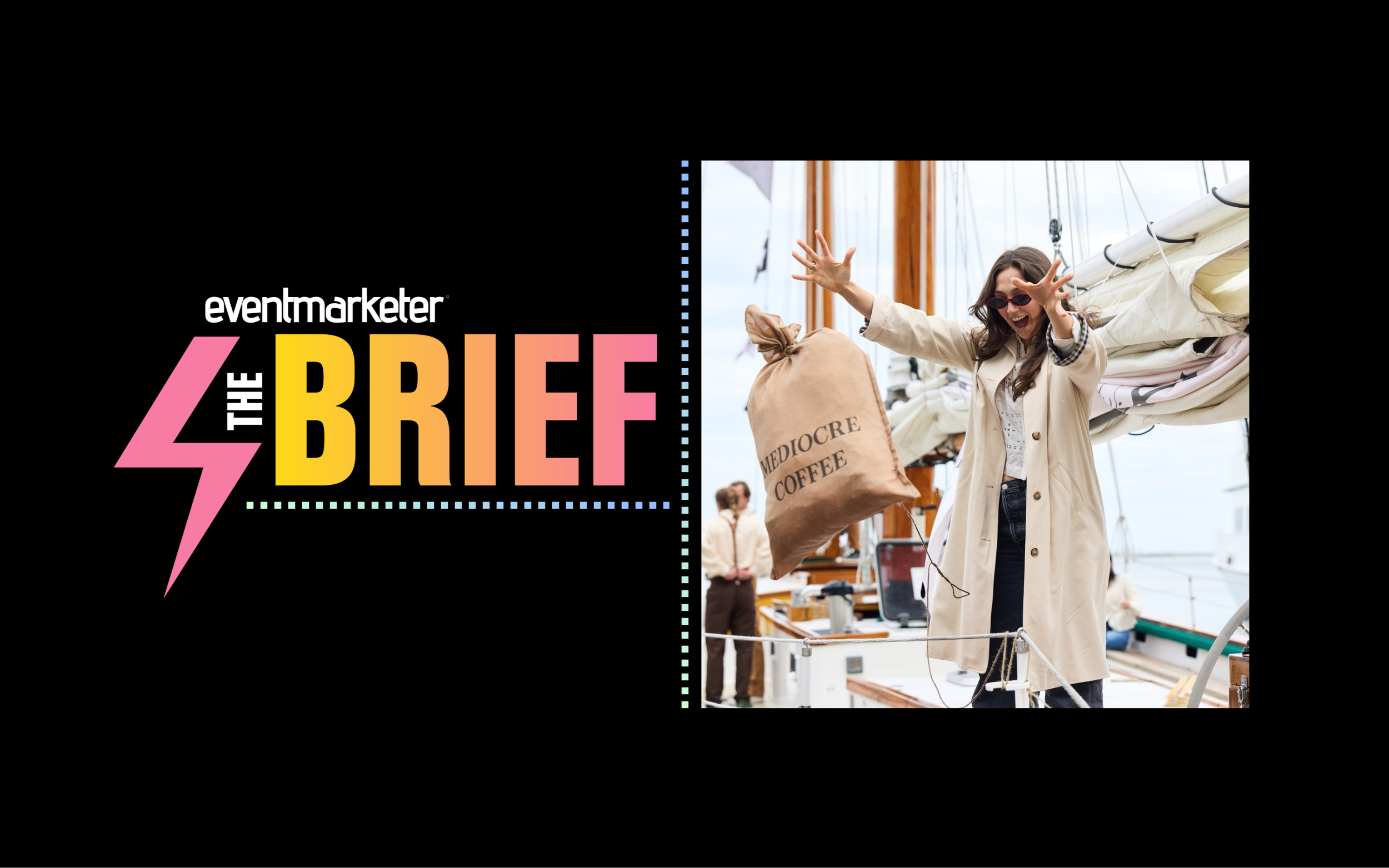
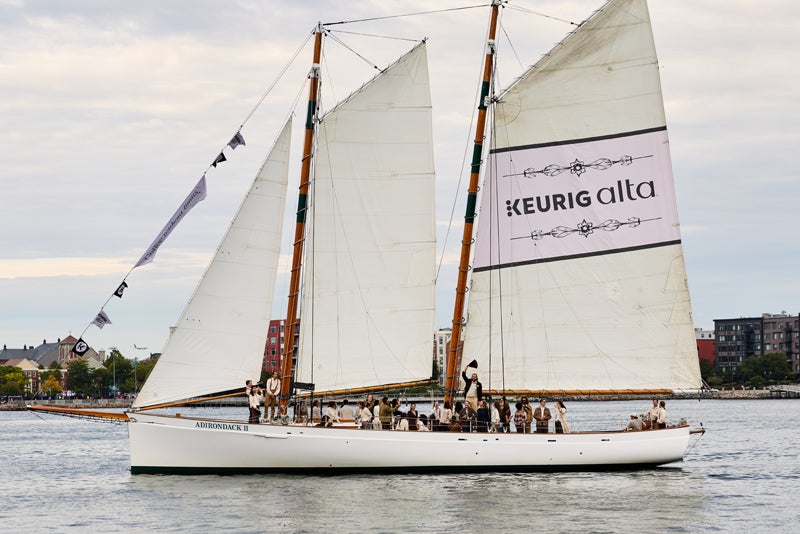
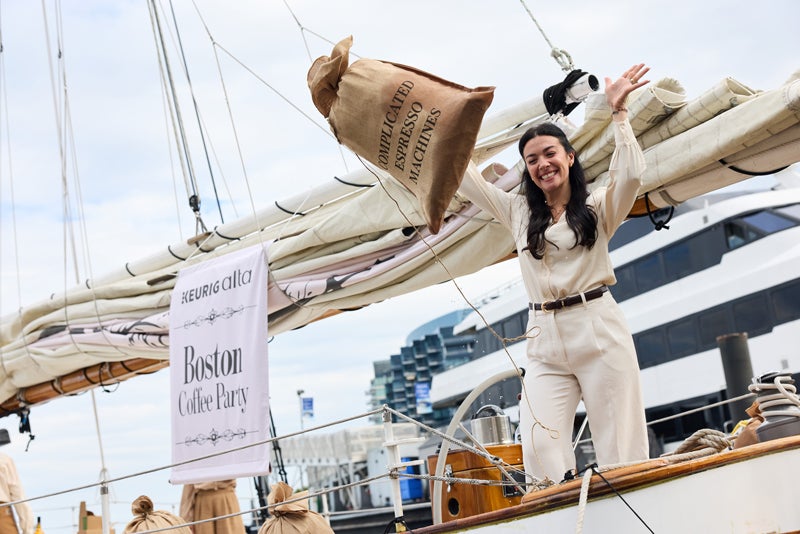
On October 1, Keurig staged a modern-day reimagining of the Boston Tea Party. Dubbed the "Boston Coffee Party," the brand utilized a branded schooner docked at the historic Rowes Wharf pavilion to launch its new Keurig Alta System. The campaign centered on a symbolic rejection of the status quo—specifically "overpriced lattes" and "mediocre coffee"—by having creator partners toss bags of subpar coffee into the harbor.
Chronology and Execution
The event was carefully choreographed to blend historical theater with product innovation. While the "tossing" of coffee served as the PR hook, the core of the activation was the hands-on experience provided to creators. Attendees were immersed in a colonial-themed environment, complete with ambassadors in period-appropriate garb, a live orchestra, and barista-led workshops. The activation culminated in a ceremonial signing of a "Coffee Revolution" scroll, reinforcing the brand’s pivot toward the plastic-free "AltaRounds" format.
Implications for the Category
By leveraging a localized historical touchstone, Keurig effectively positioned its new system not just as an appliance, but as a disruptive technological advancement in a stagnant market. The agency behind the move, Quality Meats, succeeded in transforming a routine product launch into a cultural statement, proving that even household staples can command premium attention through theatrical storytelling.
II. Cash App: The "Lightning Lake" at ComplexCon
The Main Facts
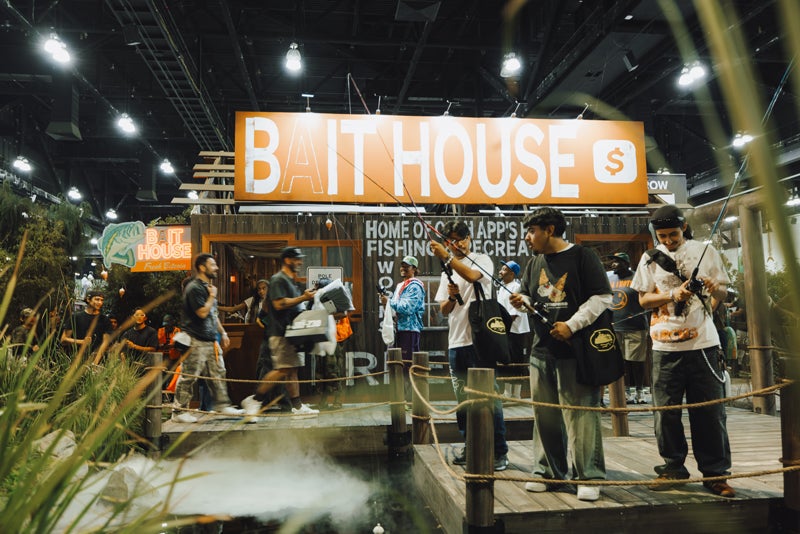
Cash App, serving as the Official Bitcoin Partner for ComplexCon 2026, executed one of the most audacious activations in recent event history. Within the Los Angeles Convention Center, the brand installed an artificial body of water—the "Lightning Lake"—as part of its "Bait House" activation.
Supporting Data
The financial stakes were as high as the creative ambition. Visitors were invited to use fishing rods to "catch" Bitcoin, with one lucky attendee walking away with a full Bitcoin, valued at approximately $85,000. The activation was designed to demystify cryptocurrency by making it a physical, tactile prize, bridging the gap between digital assets and real-world gratification.
Official Responses and Engagement
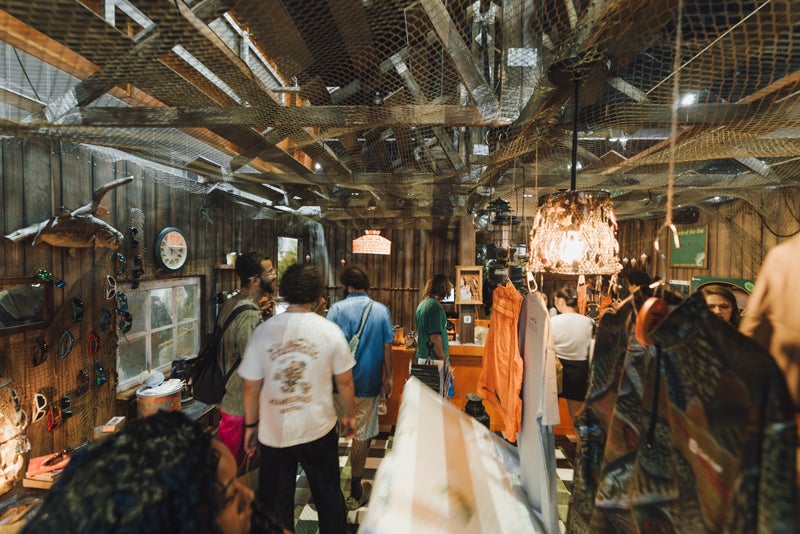
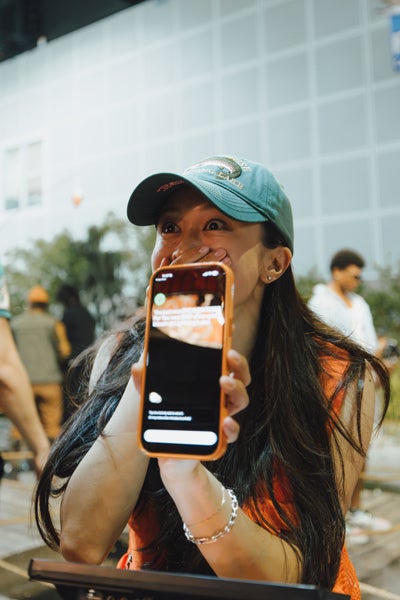
Nook Agency Americas, the creative force behind the activation, noted that the strategy was designed to gamify the crypto-wallet experience. Beyond the fishing, the "Bait House" acted as an ecosystem where users could spend their winnings on "fishcore" merchandise, lure keychains, and limited-edition product drops. The success of the activation was measured in lines that spanned the floor, cementing Cash App’s status as a leader in experiential finance.
III. Neutrogena: A "Big Tech" Approach to Sunscreen
The Main Facts
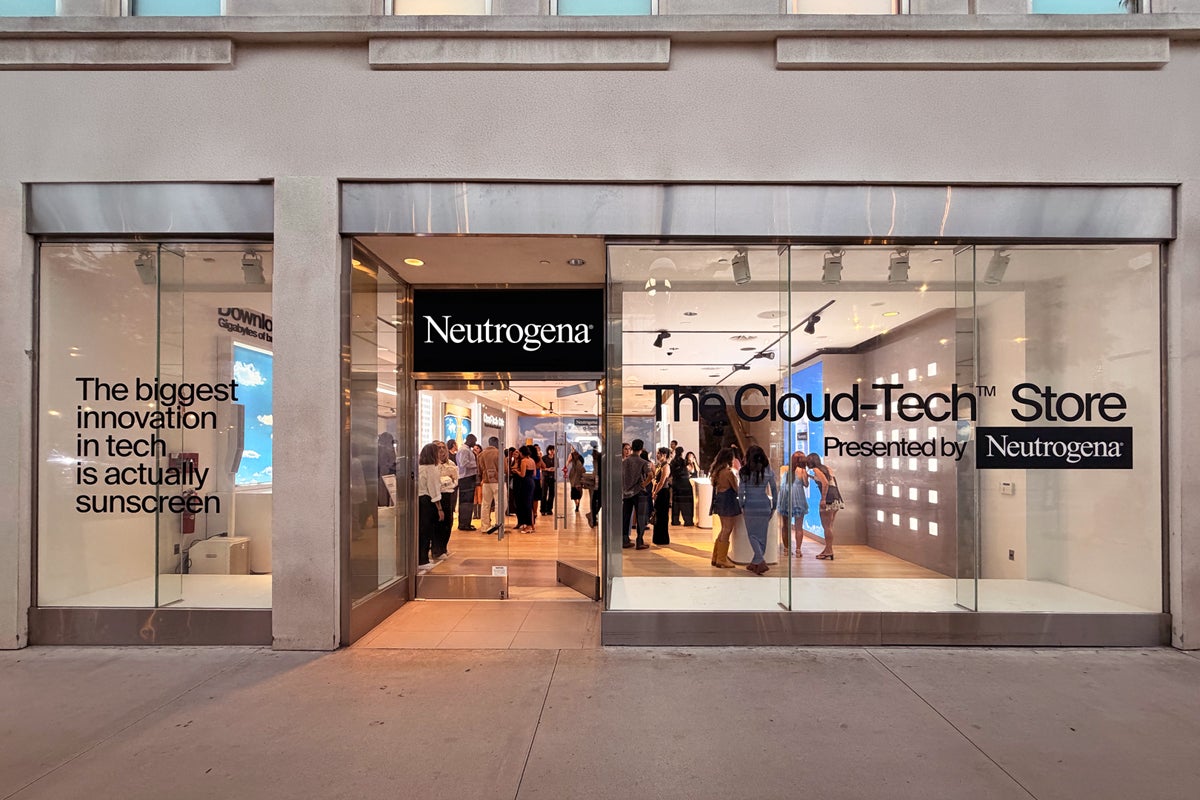
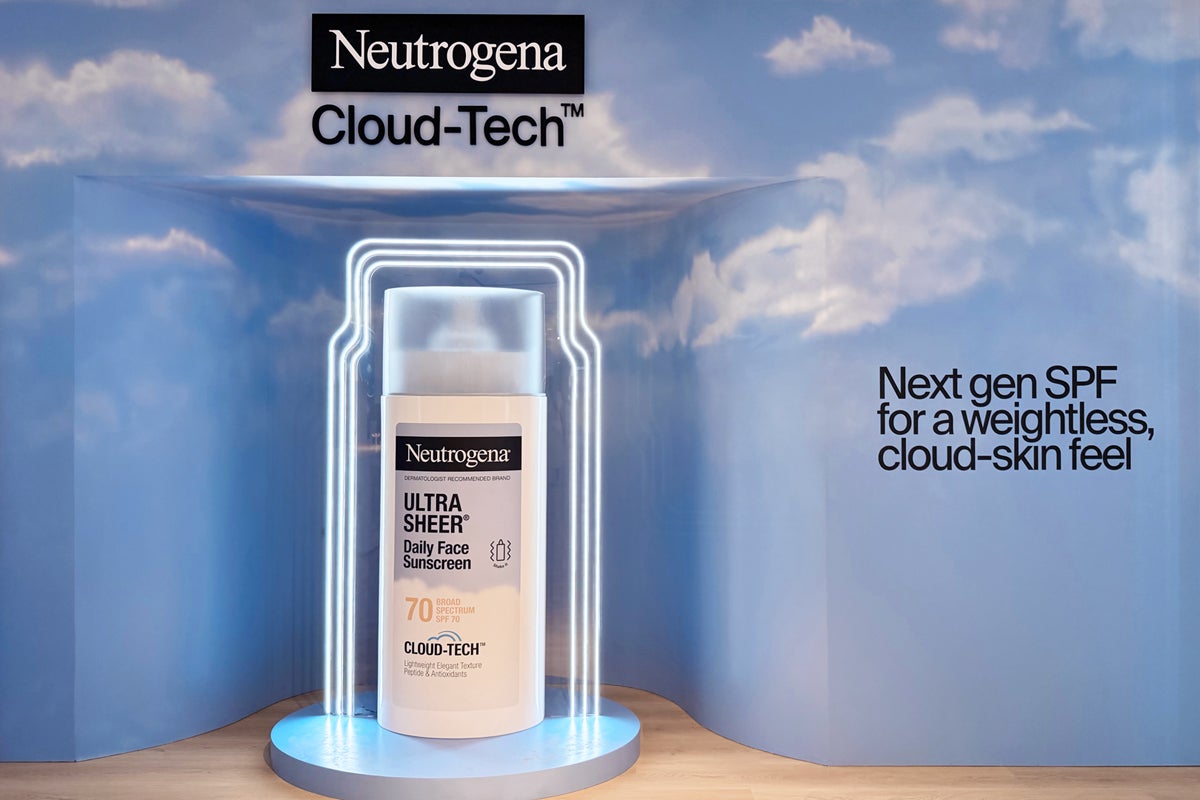
On September 25-26, Neutrogena transformed a storefront on Santa Monica’s 3rd Street Promenade into "The Cloud-Tech Store." The goal was to debut its new line of sunscreens, featuring the first FDA-approved sunscreen filter in over 25 years.
Chronology and Methodology
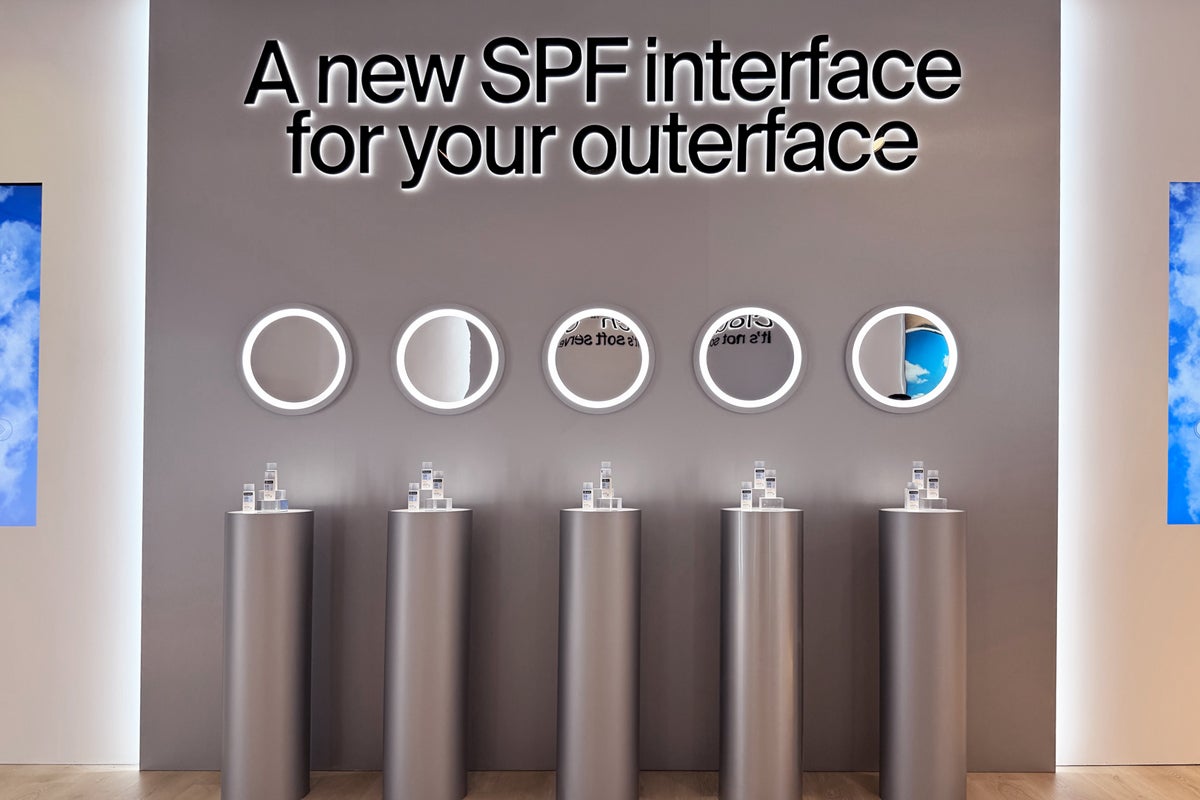
Borrowing the aesthetic and communication style of Silicon Valley’s most prominent tech giants, Neutrogena framed the product as an "OS for SPF." The pop-up functioned as an R&D laboratory, where consumers were guided through the science of BEMT technology. Interactive touchpoints included a UV Bar, "Cloud Reveal" mirrors, and a giant "Cloudscape" photo opportunity.
Implications for Beauty Retail
By treating skincare as a high-tech hardware launch, Neutrogena successfully shifted the consumer perception of sunscreen from a "vacation necessity" to a "scientific innovation." The attendance of over 1,800 people over two days suggests that consumers are increasingly seeking educational, laboratory-style experiences before committing to new beauty regimes. Colina Group’s execution demonstrated that even the most established legacy brands can adopt the "disruptor" persona to generate significant retail buzz.
IV. Indianapolis Colts: Scaling New Heights in London
The Main Facts
In anticipation of their October 4 clash against the Washington Commanders in London, the Indianapolis Colts brought a slice of Indiana to the United Kingdom. The centerpiece of their outreach was an exclusive partnership with the London Eye, turning one of the world’s most recognizable landmarks into a branded team experience.
Chronology and Supporting Data
The "Colts FanZone" at Greenwood served as the base of operations, offering giveaways, player appearances, and live entertainment. However, the activation at the London Eye elevated the team’s brand presence. Between October 1 and 2, contest winners were invited to ride in branded pods, some of which featured surprise appearances by team players, cheerleaders, and the team mascot, Blue.
Implications for Global Sports Marketing
The international expansion of the NFL requires more than just a game; it requires cultural integration. By embedding themselves into the London skyline, the Colts ensured their brand identity was woven into the fabric of the host city. This move highlights the importance of "landmark activations"—using iconic local infrastructure to create high-value, memorable experiences that transcend the stadium walls.
V. Ziploc: Sustainability via the "Wheel of Sandwiches"
The Main Facts
On September 30, Ziploc partnered with the surplus-food app "Too Good To Go" to launch "Surprise Seconds" in Manhattan. The goal was to address the stigma of food waste through an interactive, community-driven event.
The Mechanism of Engagement
The "Wheel of Sandwiches" was a food truck-based activation where consumers could engage with the concept of creative leftovers. NYC chef Yara Herrera curated a menu that demonstrated how restaurant-quality leftovers could be reimagined into gourmet sandwiches.
Supporting Data and Public Reception
The demand was immediate. With a line forming hours before the noon opening, all 400 available sandwiches were distributed in just over two hours. This efficiency speaks to the effectiveness of pairing a tangible reward (a free, high-quality meal) with a broader social mission (sustainability).
Official Implications
The campaign serves as a masterclass in "purpose-driven marketing." Ziploc avoided the trap of "greenwashing" by providing a concrete tool for consumers to use in their daily lives. By demonstrating the utility of their product through the lens of culinary innovation, they successfully increased brand affinity while actively contributing to food waste reduction efforts.
Synthesis: Trends in Modern Experiential Marketing
Across these five case studies, several common threads emerge that define the current state of the industry:
- The Rise of "Experience-as-Utility": Whether it is Ziploc helping consumers manage leftovers or Neutrogena educating shoppers on skin-care science, the most successful campaigns today provide a tangible service or utility to the attendee.
- The "Tech-ification" of Consumer Goods: Brands are no longer content to sell products; they are launching "systems," "filters," and "platforms." Adopting the visual language of the technology sector—as seen with Neutrogena and Cash App—is a potent strategy for establishing authority and innovation.
- Localized Cultural Integration: The Colts’ takeover of the London Eye and Keurig’s Boston Coffee Party illustrate that global brands must act locally. By anchoring their activations in the history or landmarks of their host city, they secure a level of public interest that a generic pop-up could never achieve.
- High-Stakes Gamification: The "Lightning Lake" activation proves that when the stakes are high, the engagement is higher. By making the participation "real" (whether it’s $85,000 in Bitcoin or a premium meal), brands can command the attention of an audience that is otherwise saturated with digital noise.
As we look toward the remainder of the year, it is clear that the brands winning the battle for attention are those that offer the most immersive, surprising, and culturally relevant experiences. In a post-digital world, the most powerful marketing tool remains the physical, shared human experience.