Introduction: A Century of Monetary Sovereignty
The history of currency in the Arabian Peninsula is a fascinating reflection of political unification, economic transition, and the birth of modern statehood. Long before the establishment of a unified monetary system, the regions that would eventually form the Kingdom of Saudi Arabia relied on a chaotic mosaic of foreign coins—Ottoman liras, British sovereigns, Maria Theresa thalers, and various Indian rupees. This lack of a standardized, native medium of exchange posed significant administrative and commercial challenges for a growing polity.
The pivotal turning point in this economic evolution occurred during the reign of King Abdulaziz Al Saud. Following the consolidation of power and the unification of the Hijaz region in the early 1920s, the leadership recognized that true national sovereignty required absolute control over fiscal and monetary policy. This comprehensive report explores the chronology, historical context, and far-reaching implications of the early Saudi currency issuances between the Islamic years 1343 and 1351 AH (corresponding to 1924–1933 CE).
1. Main Facts: The Genesis of the Hijazi-Saudi Coinage
The genesis of a distinct monetary identity for the nascent Saudi state began in earnest following the incorporation of the Hijaz region. Prior to this, the region operated under a fragmented financial framework dictated by foreign powers and shifting geopolitical realities.
Key Milestones in the Early Monetary Reform:
- The Legislative Foundation: The foundational steps toward monetary independence were formally initiated in 1343 AH (1924–1925 CE), coinciding with the administrative reorganization of the Hijaz.
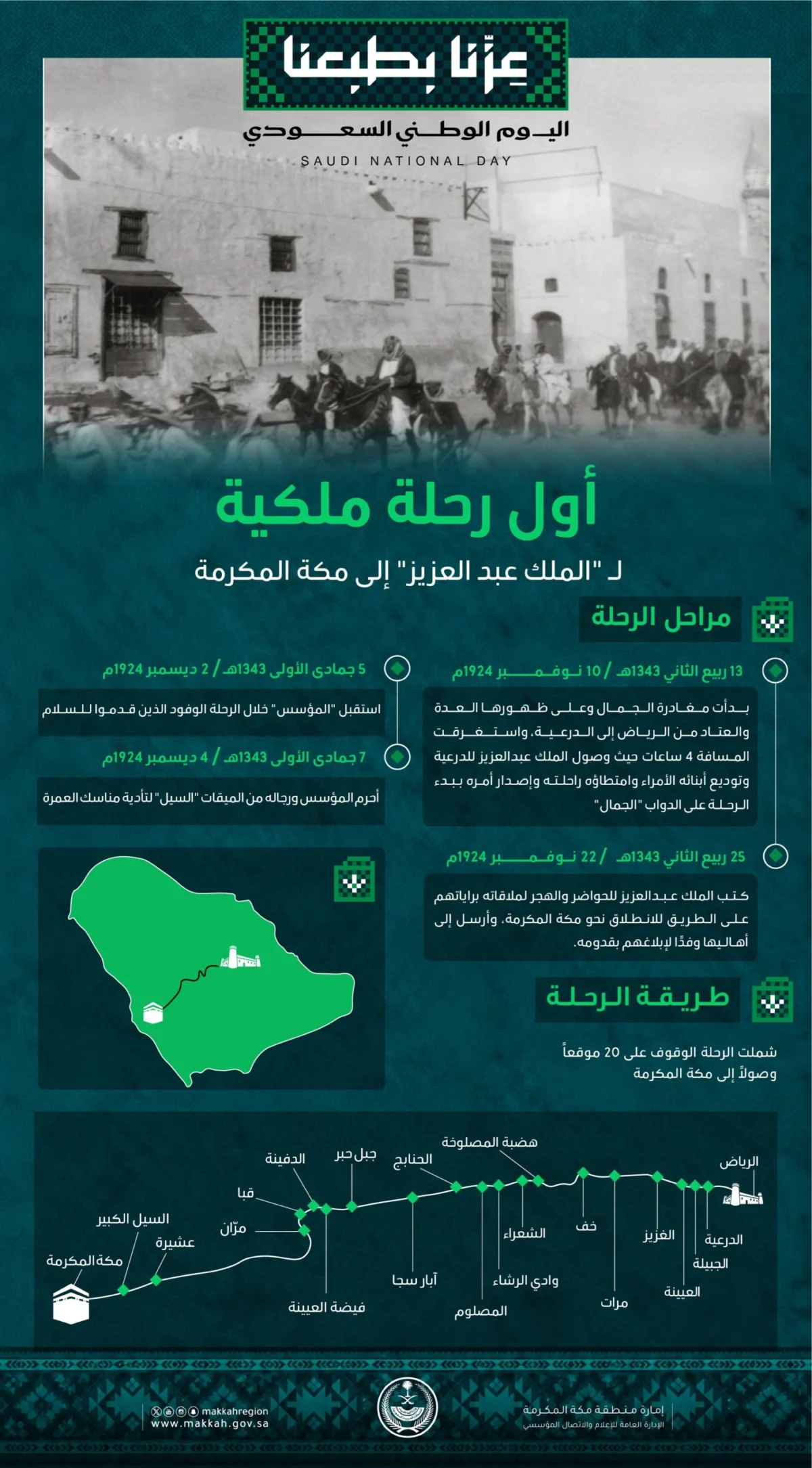
- The First Hijazi Currency Issuance: Historical records indicate that the first explicit coinage bearing local nomenclature and authorized under the new administration was minted in the year 1343 AH (10 Jumada al-Ula 1343 AH / 6 December 1924 CE).
- Addressing Market Fragmentation: The primary objective of these early mints was to replace the foreign currencies deeply entrenched in the local markets with a reliable, standardized medium of exchange that reflected local authority and economic stability.
- Administrative Oversight: The supervision of these early currencies fell under specialized committees established by King Abdulaziz, ensuring that weight, purity, and denomination standards were strictly regulated to build public trust.
2. Chronology of Monetary Developments (1343–1351 AH)
The transition from a multi-currency barter and foreign-coin economy to an independent national system was structured through a carefully phased timeline. Below is the chronological progression of key monetary events during this formative era:

Phase I: Initial Stabilization (1343 AH / 1924–1925 CE)
- 5 Jumada al-Akhirah 1343 AH (2 January 1925 CE): Official decrees were issued to regulate the circulation of specific foreign coins, setting fixed exchange rates against local accounting units to curb speculative trading.
- 7 Jumada al-Akhirah 1343 AH (4 January 1925 CE): The administration introduced new fractional copper-nickel coins minted specifically for the Hijaz region, bearing distinct Islamic inscriptions and markers of sovereignty.
- Late 1343 AH (Spring 1925 CE): Comprehensive royal directives established official minting houses and authorized the circulation of standardized silver currency to facilitate trade among pilgrims and local merchants.
Phase II: Structural Expansion and Standardization (1344–1349 AH / 1925–1930 CE)
- 1344–1345 AH: The introduction of the "Makkah and Jeddah" coinage series marked a significant step in regional monetary integration. These coins were designed to streamline transactions in the bustling commercial hubs of the western province.
- 1349 AH: Administrative decrees further refined the legal tender laws, penalizing counterfeiters and establishing strict penalties for those who rejected the official currency in commercial transactions.
Phase III: Toward Comprehensive Unification (1351 AH / 1932–1933 CE)
- 1351 AH: This year marked the culmination of early monetary reforms with the introduction of the unified "Saudi Riyal" series. This initiative effectively sidelined the remaining foreign currencies and established a uniform monetary standard across all provinces of the newly declared Kingdom of Saudi Arabia.
3. Supporting Data: Denominations, Metals, and Circulation
The logistical feat of producing and circulating a new currency required meticulous planning regarding metallic composition, denominations, and distribution networks.
Composition and Denominations
Early Saudi coinage utilized a mix of base and precious metals depending on the face value and the specific economic needs of the populace:
- Copper-Nickel Coins: Primarily used for lower denominations (such as fractions of a piastre/qirsh), these coins were designed for everyday retail transactions among the working class and local merchants.
- Silver Coins: Serving as the backbone of medium-to-large transactions, silver coinage (such as the early Hijazi riyals and fractional silver pieces) carried substantial intrinsic value, which was crucial for gaining the confidence of a population accustomed to the Maria Theresa thaler and Ottoman silver.
- The Weight and Purity Standards: Historical assays from minting records indicate strict adherence to specific weight parameters, ensuring that merchants and international traders could trust the bullion value of the coins.
Circulation and Market Acceptance
The distribution network relied heavily on major urban centers such as Makkah, Jeddah, and Madinah, radiating outward along ancient trade routes and pilgrimage paths. The annual Hajj season played a vital role in injecting these new currencies into international circulation, as pilgrims from across the Islamic world carried them back to their home countries, thereby testing and proving their international acceptability.
4. Official Responses and Administrative Decrees
The implementation of a new monetary policy was not without its challenges. Merchants accustomed to decades of using diverse foreign currencies were initially hesitant to adopt the new sovereign coinage. In response, the central administration issued a series of firm royal decrees and explanatory circulars.

Enforcing Legal Tender Status
- Royal Decrees (Fermans and Circulars): The government issued explicit warnings against the refusal of official coinage. Official notices published in regional gazettes declared that all debts and commercial transactions within the jurisdiction of the state must be settled using the authorized national currency.
- Combating Counterfeiting: Recognizing that the integrity of the new currency was paramount, the administration enacted stringent legal penalties for counterfeiting. Special investigative committees were formed to track down illicit minting operations and confiscate substandard or forged coins entering the market through regional trade ports.
- Public Awareness Campaigns: Local authorities engaged with tribal leaders, prominent merchants, and religious scholars to explain the economic benefits of a unified currency, framing monetary sovereignty as a pillar of national independence and security.
5. Economic and Social Implications
The rollout of the 1343–1351 AH currency reforms had profound, long-lasting implications for the economic trajectory of Saudi Arabia.
Macroeconomic Stabilization
- Ending Foreign Fiscal Dominance: By systematically replacing Ottoman, British, and Indian currencies, the state reclaimed control over its domestic money supply, shielding the local economy from imported inflation and foreign monetary manipulations.
- Facilitating Pilgrimage Commerce: The standardization of currency vastly improved the economic efficiency of the Hajj. Pilgrims no longer faced exorbitant exchange rates or fraudulent money-changers, leading to a more secure and predictable commercial environment during the sacred season.
Social and Political Cohesion
- A Symbol of Unity: A common currency acted as a powerful psychological and practical unifier for a newly integrated nation composed of diverse regions and tribal groups. Carrying coins inscribed with the sovereign’s name and local mint marks reinforced a shared national identity.
- Laying the Groundwork for Modern Banking: The administrative experience gained during this decade of monetary experimentation laid the vital groundwork for the establishment of modern central banking institutions, culminating decades later in the creation of the Saudi Arabian Monetary Agency (SAMA) and the issuance of the modern Saudi Riyal banknote and coin series.
Conclusion
The period between 1343 and 1351 AH represents a foundational chapter in the economic history of Saudi Arabia. Through visionary leadership, stringent administrative enforcement, and strategic adaptability, King Abdulaziz and his administration successfully transformed a fragmented monetary landscape into a sovereign, unified system. The early coins minted during this era are not merely historical artifacts; they are enduring testaments to the birth of economic independence and the resilience of a modern state taking its first confident steps on the global stage.