ARLINGTON, VA – The Mine Safety and Health Administration (MSHA) has issued a stern advisory to mine operators across the United States, emphasizing the critical necessity of proactive roof and ground control management. As subterranean environments fluctuate due to seasonal weather shifts and evolving mining methodologies, federal regulators are reminding industry leaders that static safety plans are insufficient. In an era where technological advancement has revolutionized extraction, the fundamental risk of geological instability remains an omnipresent threat to the workforce.
The alert comes on the heels of a troubling statistical trend observed during the first seven months of the year, highlighting that despite modern engineering, the subterranean environment remains inherently volatile. MSHA is urging operators to move beyond "check-the-box" compliance and adopt a dynamic, site-specific approach to ground support.
Main Facts: The Anatomy of a Persistent Threat
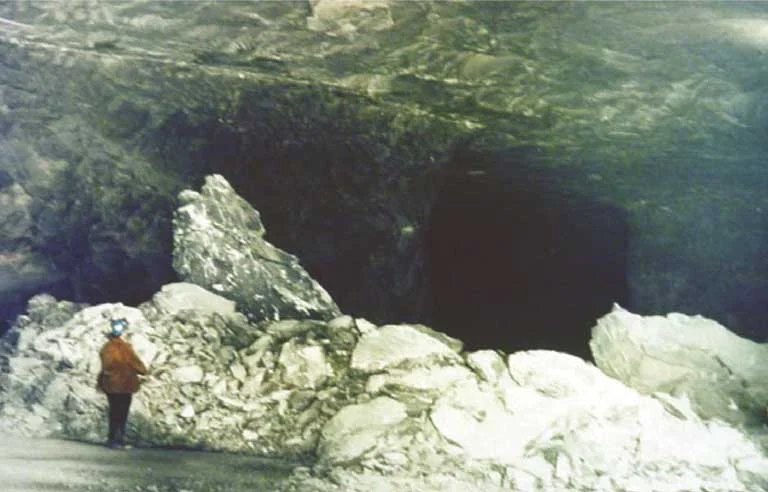
Ground falls—the uncontrolled movement of rock, coal, or other materials from the roof or ribs of a mine—represent one of the most significant hazards in the mining industry. According to the latest MSHA bulletin, there have been approximately 150 reported ground fall incidents between January and July of this year alone. Among these incidents, at least one fatality has been confirmed, underscoring the lethal potential of geological instability.
The primary directive from MSHA is clear: mine operators must treat roof control plans as living documents. When mining methods shift, when new areas are opened, or when environmental conditions change, the ground control plan must be formally reviewed and, if necessary, amended to reflect the current reality of the mine’s geology.
The agency points to a specific correlation between seasonal moisture and structural integrity. As humidity levels rise and water infiltration occurs—often exacerbated by surface runoff or seasonal shifts in groundwater tables—the structural competency of rock strata can degrade rapidly. This is particularly pronounced in older sections of mines, where prolonged exposure to the atmosphere ("stand-up time") has already weakened the natural integrity of the roof and ribs.
Chronology: A Season of Unpredictable Instability
The history of mining is punctuated by the challenge of managing ground stability, but the current year has presented a specific set of hurdles.
- Q1 (January – March): As winter transitions into spring, mines often experience the first wave of moisture-related ground instability. The freezing and thawing cycle at the surface can alter groundwater pressure, which in turn stresses deep-seated geological fractures.
- Q2 (April – June): The onset of spring rains often leads to increased water ingress in underground workings. MSHA data indicates that this period frequently sees an uptick in "nuisance" falls—smaller incidents that often serve as precursors to larger, more dangerous structural failures.
- July: The mid-year assessment period revealed that the frequency of these incidents had reached a concerning threshold, prompting the current safety alert.
- Present Day: MSHA is actively conducting focused inspections, prioritizing mines that report older, less-frequently monitored workings. The agency is now engaging in a nationwide outreach effort to ensure that all miners are trained to recognize the "audible and visual" warning signs of impending roof failure.
Supporting Data: The Statistics of Subterranean Risk
Data provided by the National Institute for Occupational Safety and Health (NIOSH) and MSHA paints a stark picture of the risks involved. While fatalities are the most visible metric, they are merely the tip of the iceberg in terms of total incidents.
The "Stand-Up Time" Variable
The concept of "stand-up time"—the duration a rock mass can remain stable without support—is a critical factor in mine design. Data shows that in older, abandoned, or partially extracted areas, the stand-up time is significantly reduced due to:
- Weathering: Moisture causes clay-rich minerals in roof shales to expand and lose their structural cohesion.
- Stress Redistribution: As coal or ore is removed, the surrounding rock mass undergoes a complex redistribution of stress. Over months or years, these stresses can lead to "creeping" failures.
- Inadequate Scaling: Records indicate that a significant percentage of injuries occur during the removal of loose rock. When scaling is performed without adequate supplemental support or proper equipment, the risk to the operator rises exponentially.
Incident Distribution
Of the 150 incidents reported this year, the vast majority were classified as "minor" or "near-misses," meaning they did not result in permanent injury. However, MSHA analysts warn that the distinction between a "near-miss" and a "fatality" is often a matter of seconds. The data confirms that incidents are most frequent in entries that have been open for more than 12 months, suggesting that current industry maintenance cycles are failing to keep pace with the degradation of aging infrastructure.
Official Responses: MSHA’s Strategic Mandate
The response from MSHA leadership has been characterized by a push for "proactive engineering." MSHA Assistant Secretary for Mine Safety and Health, in a recent statement, emphasized that regulatory compliance is the floor, not the ceiling.
"Mining is a dynamic process," the official stated. "You cannot apply a plan designed for a brand-new, virgin-rock entry to a section of the mine that has been sitting idle for two years. Operators must ensure their ground control plans account for the weathering of strata, the presence of groundwater, and the specific geological anomalies of their particular seam or deposit."
MSHA’s alert provides a comprehensive checklist for operators, which includes:
- Enhanced Inspection Protocols: Inspections should not be limited to standard intervals but should be increased following heavy precipitation or seismic activity.
- Supplemental Support: Operators should not hesitate to install additional bolts, straps, or standing support in areas where "drummy" (hollow-sounding) rock is detected.
- Scaling Discipline: Implementing strict "scaling" procedures—the process of removing loose rock from the roof and ribs—before any other work begins in an entry.
- Worker Education: Miners must be empowered to stop work if they observe changes in ground conditions, such as new cracks, audible popping, or water seepage.
Implications: The Future of Mining Safety
The implications of MSHA’s alert extend beyond immediate operational changes. There is a broader industry shift toward "Geotechnical Stewardship." This involves the integration of real-time monitoring technology, such as fiber-optic strain gauges and micro-seismic sensors, which can provide an "early warning system" for roof instability.
Economic and Legal Consequences
For mine operators, the failure to adapt ground control plans is not only a safety risk but a significant legal liability. MSHA has signaled that it will be increasing the issuance of "104(a)" citations—which denote significant and substantial violations—for mines found to be operating with outdated or ignored ground control plans. Furthermore, the insurance and worker’s compensation costs associated with ground-fall injuries remain a massive economic burden on the industry.
Cultural Shifts
Perhaps the most significant implication is the shift in safety culture. Historically, mining has been an industry where "toughing it out" was often the norm. Today, MSHA is working to change that mindset. By encouraging the "stop-work authority" among all miners, the agency hopes to foster an environment where geological hazards are treated with the same severity as fire or explosive hazards.
A Call for Technological Integration
As we look to the future, the integration of data analytics into ground control is inevitable. By mapping historical incident data against geological maps, operators can identify "high-risk zones" within their mines before a single worker enters the area. The current MSHA alert is a bridge to that future—a reminder that while technology can assist, the primary defense against ground falls remains rigorous, disciplined, and informed human oversight.
Final Thoughts
The 150 incidents recorded in the first half of this year serve as a somber reminder that the Earth is an unpredictable partner in the mining process. As seasons change and environmental pressures fluctuate, the margin for error narrows. Mine operators who prioritize the regular, rigorous review of their ground control plans are not merely satisfying a federal mandate; they are protecting their most valuable asset: their people.
MSHA’s directive is an invitation to industry leaders to re-examine their subterranean footprint. Through proactive engineering, enhanced inspection, and a culture that champions the safety of the individual over the speed of production, the mining industry can move toward a future where "ground falls" are a statistic of the past, rather than a recurring tragedy of the present.