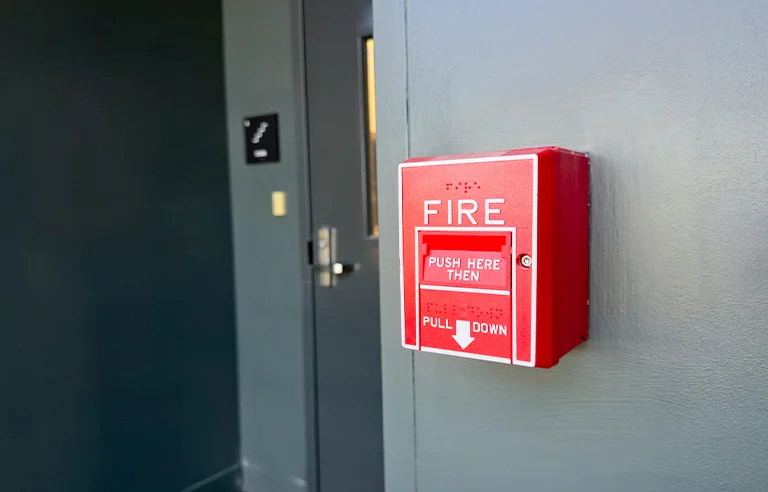
In an era where workplace safety standards are under constant scrutiny, the Occupational Safety and Health Administration (OSHA) is doubling down on its commitment to education through its "Passport to Safety and Health Training" webinar series. As part of this comprehensive initiative, the agency’s New York regional office has announced a pivotal session dedicated to workplace fire safety, scheduled for October 20 at 2 p.m. Eastern Time.
This initiative arrives at a critical juncture for employers and safety managers alike, as the complexities of modern workplace environments—ranging from hybrid office layouts to industrial manufacturing hubs—require a renewed focus on fire prevention and emergency preparedness.
The Core Mandate: Understanding the October 20 Webinar
The upcoming webinar is designed to be more than a cursory overview of fire codes; it is a deep dive into the practical application of OSHA’s rigorous standards. The curriculum will focus on three primary pillars:
- Identification of Common Fire Hazards: From electrical malfunctions in outdated office infrastructure to the mishandling of combustible materials in industrial settings, the session will arm attendees with the ability to conduct proactive hazard assessments.
- Strategic Prevention Protocols: Beyond simple fire extinguishers, the presentation will cover the integration of fire-suppression systems, maintenance schedules for life-safety equipment, and the critical importance of housekeeping in fire mitigation.
- Emergency Response and Regulatory Compliance: Attendees will review the granular details of OSHA’s fire safety regulations, ensuring that business owners and safety officers understand their legal obligations to provide a safe, accessible, and well-marked egress for all employees.
What sets this session apart is the integration of "real-world narratives." By inviting emergency responders to share their frontline experiences, OSHA aims to move beyond dry regulatory language and provide visceral, actionable lessons on how specific safety lapses led to catastrophic outcomes—and more importantly, how those outcomes were entirely preventable.
A Chronology of the "Passport to Safety and Health" Initiative
The "Passport to Safety and Health" series represents a strategic pivot in how OSHA communicates with the workforce. By utilizing a regional, webinar-based approach, the agency has successfully democratized access to high-level safety expertise.
- September 22, 2026 (The Kick-off): The series began with a high-stakes discussion on suicide prevention hosted by the Boston regional office. This initial session underscored the agency’s commitment to addressing the "whole worker," acknowledging that psychological well-being is as vital to a safe environment as physical infrastructure.
- October 20, 2026 (The Current Focus): The New York regional office takes the lead, shifting the focus to the physical safety of the work environment. This transition signals a balanced approach to occupational health, where both the mental and physical safety of employees are treated as non-negotiable priorities.
- Future Outlook: The series is designed as an ongoing educational journey. By hosting these sessions in a recurring format, OSHA is building a repository of knowledge that professionals can rely on to keep their organizations compliant and, more importantly, to keep their teams alive.
Supporting Data: Why Fire Safety Remains a Critical Metric
While modern technology has drastically reduced the frequency of catastrophic industrial fires, the data suggests that complacency is the primary enemy of safety. According to the National Fire Protection Association (NFPA) and OSHA data, workplace fires—though less common than slips, trips, and falls—are statistically more likely to result in fatalities and catastrophic property loss.

Key Risk Factors in Today’s Workplace
- Electrical Overload: With the increase in high-density computing and charging stations in modern offices, the risk of overloaded circuits is at an all-time high.
- Human Error: The vast majority of preventable fires stem from the improper storage of flammable liquids, lack of maintenance on kitchen appliances in breakrooms, and the obstruction of fire doors or exit paths.
- Regulatory Lapses: A significant number of OSHA citations issued during routine inspections relate specifically to a lack of documentation or inadequate training regarding fire evacuation routes.
The upcoming webinar serves as a direct intervention against these statistics. By providing a forum where safety officers can ask specific questions about their unique environments, the agency is actively working to lower the incidence of these avoidable tragedies.
Official Responses and Strategic Vision
OSHA’s regional leadership has emphasized that the "Passport to Safety and Health" program is not merely about checking boxes for compliance. Instead, it is an effort to foster a "safety-first culture."
In a statement regarding the upcoming New York session, regional representatives noted that employers often view fire safety as a static requirement—something that is "done" once the alarms are installed and the extinguishers are checked. The agency aims to debunk this mindset, framing fire safety instead as a dynamic process that requires constant vigilance, regular training drills, and an ongoing dialogue between management and staff.
By bringing in first responders, OSHA is effectively closing the gap between the boardroom and the field. When an employer hears from the firefighter who was on the scene of a warehouse blaze, the lessons learned transition from theoretical requirements to moral imperatives.
Implications for Safety Professionals and Employers
For safety managers, human resources directors, and business owners, this webinar series offers a unique opportunity to earn professional development credits while staying abreast of evolving safety standards.
The Value of Recertification and Ongoing Training
For those holding certifications from the Board of Certified Safety Professionals (BCSP), these sessions provide more than just knowledge—they offer a pathway to maintaining essential credentials. By taking the associated quizzes following these webinars, professionals can demonstrate their commitment to continuing education, which is a hallmark of a high-performing safety program.

Building a Proactive Culture
The implication of these sessions is clear: the modern safety manager must be a communicator as much as a technician. The knowledge gained from the October 20 session should ideally be cascaded down to the entire workforce. Following the webinar, participants are encouraged to:
- Conduct a "Fire Safety Walkthrough": Use the checklist provided during the session to identify potential hazards in their own facilities.
- Refresh Emergency Action Plans (EAP): Ensure that the written plans are not just filed away but are understood and practiced by all staff.
- Foster Open Reporting: Encourage employees to report potential hazards—such as frayed wires or blocked exits—without fear of reprisal.
Conclusion: Investing in the Human Element
As we look toward the future of workplace safety, the "Passport to Safety and Health" initiative stands as a testament to the power of education. The upcoming discussion on fire safety on October 20 is more than just a training session; it is a vital reminder that every employee has the right to return home safely at the end of the day.
Whether you are a seasoned safety professional or a business owner looking to improve your risk management strategy, this webinar provides the tools, the insights, and the real-world perspective necessary to safeguard your organization. By engaging with these resources, you are not just complying with OSHA—you are investing in the most valuable asset any company has: its people.
For those interested in participating, registration is currently open via the official OSHA-linked platforms. As spaces for these webinars often fill up quickly, interested parties are encouraged to secure their attendance promptly and prepare to engage in a conversation that could, quite literally, save lives.
How to Stay Connected
For those who miss the live sessions, OSHA’s Passport to Safety and Health Training website serves as a central hub for all archived presentations, supplementary materials, and future schedules. Additionally, industry professionals are encouraged to subscribe to professional newsletters, such as Safety+Health, to stay informed on the latest regulatory changes, training opportunities, and best practices in the field of occupational safety.
In a professional landscape that is increasingly defined by its commitment to ESG (Environmental, Social, and Governance) goals, proactive safety management is no longer a peripheral task—it is a core business function. By attending these webinars, you are positioning your organization at the forefront of this vital industry evolution.