WASHINGTON, D.C. — As peak summer temperatures push local power grids and household cooling systems to their absolute limits, thousands of homeowners face a frustrating and expensive enigma: an air conditioning unit that is running continuously, consuming electricity, but failing to produce any actual cool air.
When your cooling system gets stuck in a relentless cycle of running without lowering indoor temperatures, it is more than just an uncomfortable inconvenience. It is an energy drain that can lead to catastrophic mechanical failure if left unchecked. Industry experts note that an AC unit running nonstop can spike monthly utility bills by 20% to 50% while accelerating wear and tear on vital, expensive components.
Understanding why this happens requires looking past the basic symptom and diving into the mechanical, electrical, and environmental factors that govern modern residential HVAC (Heating, Ventilation, and Air Conditioning) systems.
Main Facts: The Anatomy of a Cooling Failure
At its core, an air conditioner does not actually "create" cold air. Instead, it extracts heat from inside your home and dumps it outside, cycling refrigerant through a closed loop system involving indoor evaporator coils and outdoor condenser coils. When your AC is running but your home remains warm, the heat-exchange cycle has been broken.
The primary culprits behind this cooling breakdown generally fall into three categories: restricted airflow, thermal transfer blockages, and mechanical failures.
- Restricted Airflow: When air cannot move freely through the system, conditioned air fails to circulate, and coils can freeze solid.
- Thermal Transfer Failures: Issues like low refrigerant or dirty coils prevent the system from properly absorbing or releasing heat.
- Mechanical and Electrical Breakdowns: Failing compressors, miscalibrated thermostats, or broken wiring can trick the system into running while preventing it from cooling.
While some of these issues can be resolved with simple DIY troubleshooting—such as swapping out a dirty air filter—others demand immediate professional intervention to prevent permanent equipment damage.
Chronology: How a Minor Maintenance Oversight Escalates Into a Major Breakdown
To understand how an air conditioner transitions from running efficiently to blowing ambient room-temperature air, it helps to examine the typical timeline of a cooling failure. Most major HVAC failures do not happen overnight; they follow a predictable, progressive timeline:
Phase 1: The Invisible Restriction (Weeks 1 to 4)
The breakdown almost always begins innocently. Dust, pet dander, and microscopic debris accumulate on the disposable air filter. As the filter pores narrow, the blower fan has to work harder to pull air through the system. At this stage, the homeowner notices nothing unusual, but energy consumption ticks upward slightly.
Phase 2: The Efficiency Drop (Weeks 5 to 8)
With airflow choked by the clogged filter, the evaporator coils inside the air handler fail to absorb heat effectively. Temperatures in the home begin to rise subtly during the hottest parts of the afternoon. In response, the thermostat calls for longer cooling cycles. The AC runs for 40 minutes out of the hour instead of 20, driving up power consumption.
Phase 3: The Freezing Point (Month 3)
Because the evaporator coil is no longer absorbing heat from warm indoor air, the temperature of the coil drops below freezing. Condensation gathering on the coil turns into frost, which quickly compounds into a solid block of ice. Once iced over, the coil acts as an insulator, stopping all heat transfer entirely. The unit blows strictly room-temperature or warm air.
Phase 4: Mechanical Overload and Failure (Critical Stage)
Oblivious to the ice blockade and lack of airflow, the compressor—the literal heart of the AC system—continues to pump refrigerant under abnormal pressure. Overheated and overworked, the compressor trips its internal thermal overload switch or suffers a catastrophic electrical burnout. What could have been resolved with a $15 air filter replacement now requires a multi-thousand-dollar system repair or complete replacement.
Deep Dive: The 9 Most Common Causes of an AC Running Without Cooling
1. The Clogged Air Filter
As noted, a dirty air filter is the number one cause of restricted airflow. When blocked, the system starves for air, choking the blower motor, reducing indoor air quality, and paving the way for frozen evaporator coils. Homeowners should check their filters monthly and replace them every one to three months, depending on household occupancy, pets, and local pollen levels.
2. Incorrect or Malfunctioning Thermostat Settings
Sometimes the issue is not mechanical, but operational. If a thermostat is accidentally set to "ON" instead of "AUTO," the system’s fan will run continuously—even when the compressor is resting—circulating uncooled air throughout the home. Furthermore, smart thermostats can experience software glitches, dropped Wi-Fi connections, or dead batteries that sever communication with the main HVAC unit.
3. Low Refrigerant Levels (The Leak Problem)
Refrigerant is the lifeblood of your air conditioner. Unlike fuel in a car, refrigerant is not consumed or burned during normal operation; it is recycled endlessly through a sealed system. If your refrigerant levels are low, it almost always means there is a physical hole, crack, or pinhole leak in the copper tubing or coils.
- Signs of low refrigerant include: A hissing or bubbling sound near the unit, ice buildup on the copper lines, and weak airflow that feels lukewarm.
- Because handling refrigerant requires specific EPA certifications, this issue must be diagnosed and repaired by a licensed technician who can locate the leak, patch it, and recharge the system to factory specifications.
4. Dirty Evaporator Coils
Over years of operation, indoor evaporator coils can accumulate a fine layer of dust and organic film. This buildup acts as an insulating blanket, preventing the refrigerant inside the coils from absorbing ambient heat from your living space. Routine professional maintenance is essential for keeping these vital components chemically cleaned and operating at peak thermal efficiency.
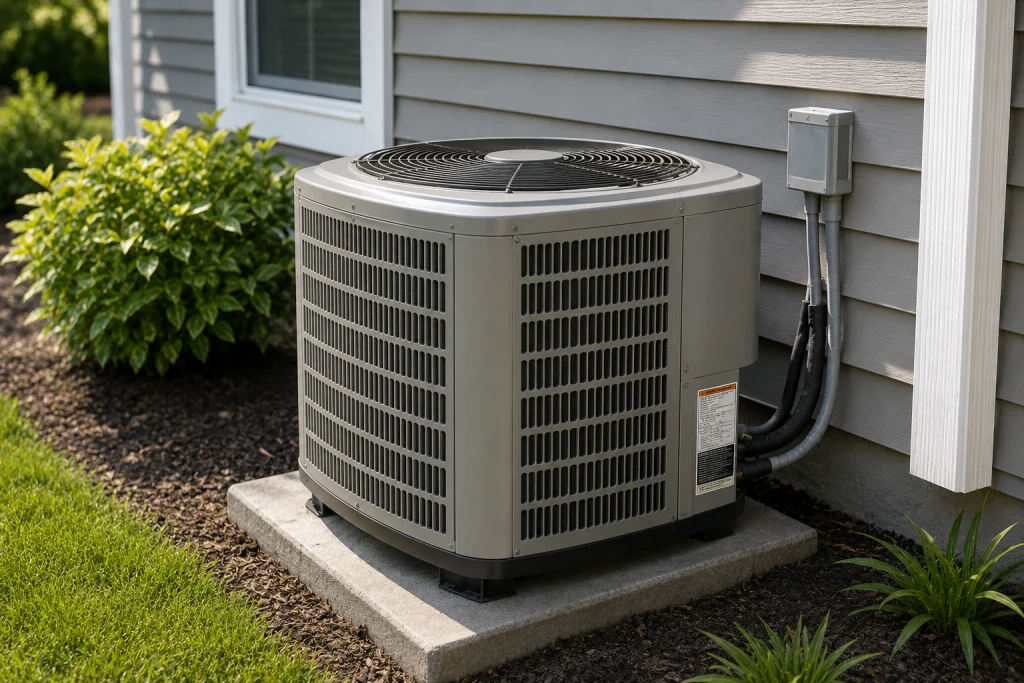
5. A Blocked or Dirty Outdoor Condenser Unit
While the indoor unit absorbs heat, the outdoor condenser unit is responsible for releasing that heat into the outside atmosphere. If the outdoor unit is choked by falling leaves, lawn clippings, cottonwood seeds, or dirt, heat has nowhere to go.
- Best Practice: HVAC manufacturers universally recommend maintaining at least a two-foot clearance zone entirely around the perimeter of the outdoor cabinet, free of shrubs, fencing, and debris.
6. A Frozen Evaporator Coil
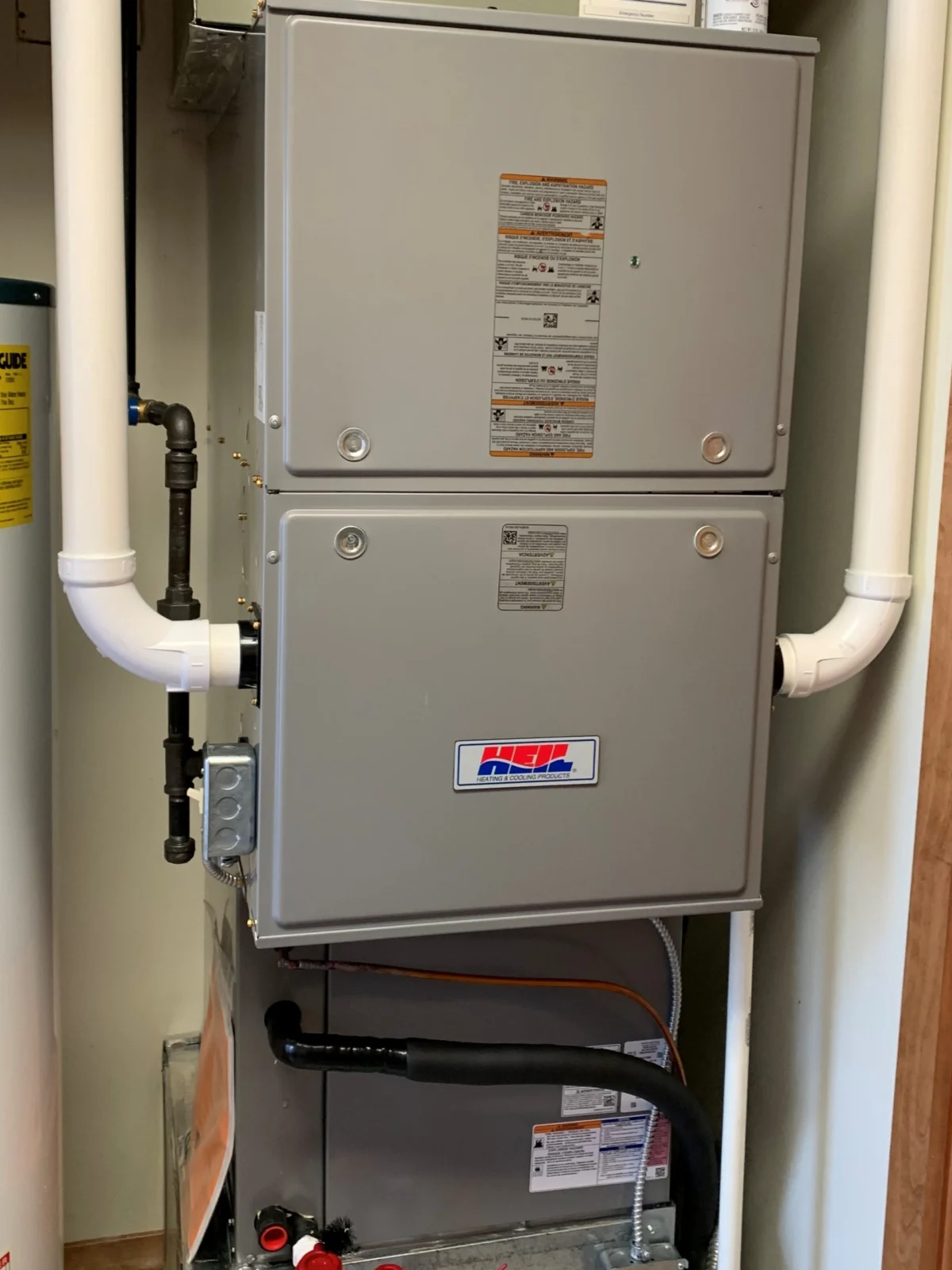
A frozen coil is both a symptom and a cause of cooling failure. It is typically triggered by restricted airflow (dirty filters, closed vents) or low refrigerant pressure. If you inspect your indoor unit and notice a thick sheet of white ice coating the refrigerant lines or air handler cabinet, turn your thermostat’s cooling mode off immediately. Letting the system run with a frozen coil can permanently destroy the compressor.
7. Leaky, Disconnected, or Damaged Ductwork
According to data compiled by ENERGY STAR, the average residential home loses roughly 20% to 30% of the conditioned air produced by its HVAC system through leaks, holes, and poorly sealed joints in the ductwork. If your AC unit is producing ice-cold air in the basement or attic, but little to nothing is coming out of the registers in your upstairs bedrooms, leaky or disconnected ductwork is the prime suspect.
8. A Failing or Burned-Out Compressor
If the compressor fails, your air conditioning system is essentially reduced to an expensive, oversized fan. Compressors can fail due to electrical surges, overheating, age, or prolonged stress caused by low refrigerant and dirty coils. Because compressor replacement is exceptionally labor-intensive and expensive, technicians often recommend replacing the entire outdoor condensing unit if the system is more than 10 to 12 years old.
9. Electrical Failures (Capacitors, Contactors, and Wiring)
An air conditioner is a complex web of high-voltage and low-voltage electrical components. A failing capacitor (which gives motors the electrical jolt they need to start), a pitted contactor switch, or a blown fuse can allow the system’s fan to run while starving the compressor of power. These electrical anomalies are dangerous to diagnose independently and require professional multitester testing.
Supporting Data and Industry Metrics
To put the importance of HVAC maintenance into perspective, consider the following industry findings:
- Energy Waste: According to the U.S. Department of Energy, simple preventive maintenance tasks, such as regularly changing dirty air filters, can reduce an air conditioning unit’s energy consumption by 5% to 15%.
- Lifespan Impact: Systems that undergo annual professional tune-ups last an average of 15 years, whereas neglected systems frequently fail between years 8 and 10.
- Peak Demand Strains: Regional utility providers report that up to 40% of emergency summer service calls are related to basic airflow restrictions that could have been avoided with proactive seasonal check-ups.
Step-by-Step Troubleshooting Guide for Homeowners
Before picking up the phone to schedule an emergency service call, homeowners can safely perform a standardized checklist to rule out simple user errors:
- Inspect and Replace the Air Filter: Pull out the current filter. If it is caked in gray dust, replace it immediately with a clean one matching the exact dimensions.
- Verify Thermostat Settings: Ensure the system is set to "Cool" and the target temperature is set lower than the current room temperature. Check that the fan setting is on "Auto" rather than "On."
- Check Breakers and Disconnect Switches: Go to your home’s main electrical panel and verify that the double-pole breaker labeled "AC" or "HVAC" hasn’t tripped. Also, check the outdoor emergency shutoff box near the condenser unit.
- Examine the Outdoor Condenser: Walk outside and inspect the metal fins. Clear away grass clippings, children’s toys, patio furniture, and accumulated leaves to ensure unobstructed airflow.
- Check Supply Vents: Walk through your home and ensure that all interior supply registers are open, unblocked by rugs or furniture, and blowing air.
- Look for Ice: Check the indoor air handler and copper suction line for frost or ice accumulation. If ice is present, turn the cooling system off immediately and switch the fan to "On" to speed up thawing.
When to Call an HVAC Professional
If you have completed the basic troubleshooting steps and your air conditioner continues to run without producing cold air, it is time to bring in certified professionals. Continuing to run the system in this state risks turning a minor repair into a major financial burden.
Call an HVAC technician immediately if you notice:
- Ice forming on the indoor coils or outdoor refrigerant lines.
- Banging, grinding, squealing, or clicking noises coming from the compressor or blower motor.
- A sharp, pungent burning smell or a musty, rotting-vegetable odor emanating from your vents.
- Sudden, unexplained spikes in your monthly electric bill while indoor comfort drops.
- Water pooling around the indoor air handler unit due to a clogged condensate drain line.
Implications of Neglecting AC Issues
Ignoring a cooling system that runs constantly without dropping indoor temperatures carries severe cascading effects. Beyond the immediate discomfort of living in a sweltering home, extended runtime places unrelenting thermal and mechanical stress on the system.
In humid climates, a struggling AC fails to pull moisture out of the air, creating a breeding ground for indoor mold and mildew spores. This can drastically degrade indoor air quality, triggering allergies, asthma flare-ups, and respiratory issues for vulnerable family members. Financially, the combination of inflated power bills and accelerated hardware degradation makes delayed maintenance a costly gamble.
Preventing Future Cooling Emergencies
The single most effective way to eliminate unexpected summer breakdowns is through proactive, routine preventative maintenance.
A comprehensive preventive maintenance schedule includes:
- Monthly Checks: Inspect and replace air filters as needed.
- Biannual Clearances: Keep the outdoor condenser unit clean, level, and free of encroaching foliage.
- Professional Tune-Ups: Schedule semi-annual service visits with a qualified HVAC contractor—once in the spring for cooling, and once in the fall for heating.
During a professional tune-up, technicians clean coils, clear condensate lines, check electrical connections, test capacitor microfarads, and accurately measure refrigerant pressures to catch minor wear before it manifests as a total breakdown.
Schedule Professional AC Repair with Climate-Tech
When your home’s air conditioning system is struggling against the heat and basic troubleshooting fails to restore comfort, expert help is essential. Climate-Tech provides reliable, expert diagnostic and repair services designed to get your cooling system back to peak performance quickly and efficiently.
Do not let a minor cooling issue escalate into a costly compressor failure. Contact our team today to schedule professional air conditioning service and restore peace, comfort, and cool air to your home.
Frequently Asked Questions
Why is my AC running but not cooling my house?
The most common causes include restricted airflow from dirty air filters, refrigerant leaks, dirty evaporator or condenser coils, incorrect thermostat programming, or failing mechanical components like the compressor.
Why is my air conditioner not blowing cold air?
When an air conditioner blows ambient room-temperature air, it typically points to low refrigerant levels caused by a leak, an iced-over evaporator coil, blocked airflow, or electrical faults preventing the outdoor compressor from engaging.
Can a dirty air filter cause an AC not to cool?
Yes. A clogged, dirty air filter starves the system of necessary airflow. This restriction drops the temperature of the evaporator coil, causes it to freeze over, and halts the entire heat-exchange process necessary for cooling your home.
Should I turn my AC off if it’s not cooling?
Yes. If you observe ice buildup on your indoor unit or suspect a refrigerant leak or compressor failure, turn the cooling mode off immediately. Leaving the system running in this state can cause irreversible mechanical damage while driving up your electric bill.