The global energy transition reached a significant milestone last month, with nearly 21GWh of grid-scale Battery Energy Storage Systems (BESS) entering commercial operation. According to the latest data from Benchmark Mineral Intelligence, the sector is demonstrating unprecedented growth, characterized by a massive deployment in China and emerging large-scale projects in the Middle East.
This latest wave of commissioning brings the total year-to-date (YTD) grid-scale BESS capacity to 177GWh, representing a robust 35% increase compared to the same period in 2025. As nations grapple with grid instability, the integration of high-capacity storage is no longer merely a strategic objective but an immediate operational necessity.
The Global Landscape: Market Leaders and Regional Trends
The geographic distribution of last month’s 6,516MW/20,855MWh deployment highlights a clear hierarchy in the global energy storage race.
China continues to solidify its position as the undisputed leader in battery deployment, accounting for 61% of the total capacity brought online. The Middle East, led by Saudi Arabia, followed with 19%, while Europe contributed 11%. South and Central America accounted for approximately 5% of the global total, with the remaining capacity distributed across North America, Oceania, and other Asian markets.
Regional Breakdown of August Commissioning (MW/MWh)
| Region | MW | MWh |
|---|---|---|
| China | 4,131 | 12,757 |
| Middle East | 1,000 | 4,000 |
| Europe | 914 | 2,290 |
| South & Central America | 199 | 960 |
| North America | 100 | 400 |
| Africa | 100 | 200 |
| Asia (ex China) | 52 | 208 |
| Oceania | 20 | 40 |
| Total | 6,516 | 20,855 |
Chronology of Major Deployments
The surge in capacity was driven by several high-profile projects that reached commercial operation throughout the month.
The China Dominance
China’s aggressive deployment was anchored by significant projects in Inner Mongolia and Hebei. Two major sub-projects of the Inner Mongolia Xilingol Dongsu Energy Storage Project, each boasting 500MW/2GWh capacity, became operational with StarCharge serving as the primary integrator. In Hebei, a 300MW/1.2GWh project, supported by Sungrow technology, was successfully grid-connected. These projects emphasize China’s focus on large-duration storage to balance the intermittency of its massive wind and solar installations.
Saudi Arabia’s Infrastructure Leap
The Middle East made a dramatic entry into the monthly figures with two massive 500MW/2GWh projects in Tabuk and Ha’il. These projects, supplied by the China-based energy storage giant Hithium, represent a pivotal shift in the region’s energy strategy, moving beyond traditional hydrocarbon dependence toward a diversified, renewable-heavy grid.
Europe’s Accelerated Adoption
Europe has witnessed a dramatic acceleration in deployment, commissioning three times the capacity compared to the first eight months of 2025. August saw 914MW/2,290MWh come online, with notable contributions from EDF in Belgium, which inaugurated a 150MW/600MWh system, and Copenhagen Infrastructure Partners (CIP), which brought a 500MW/1GWh project online in Scotland.
Emerging Markets: The Latin American Context
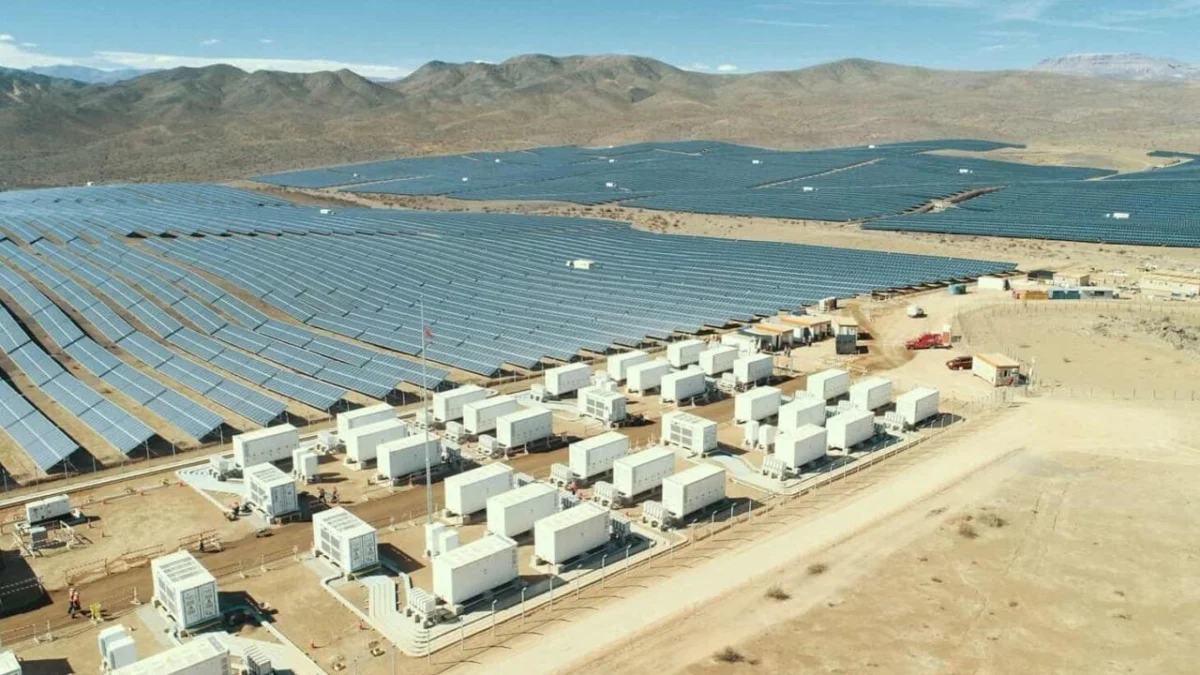
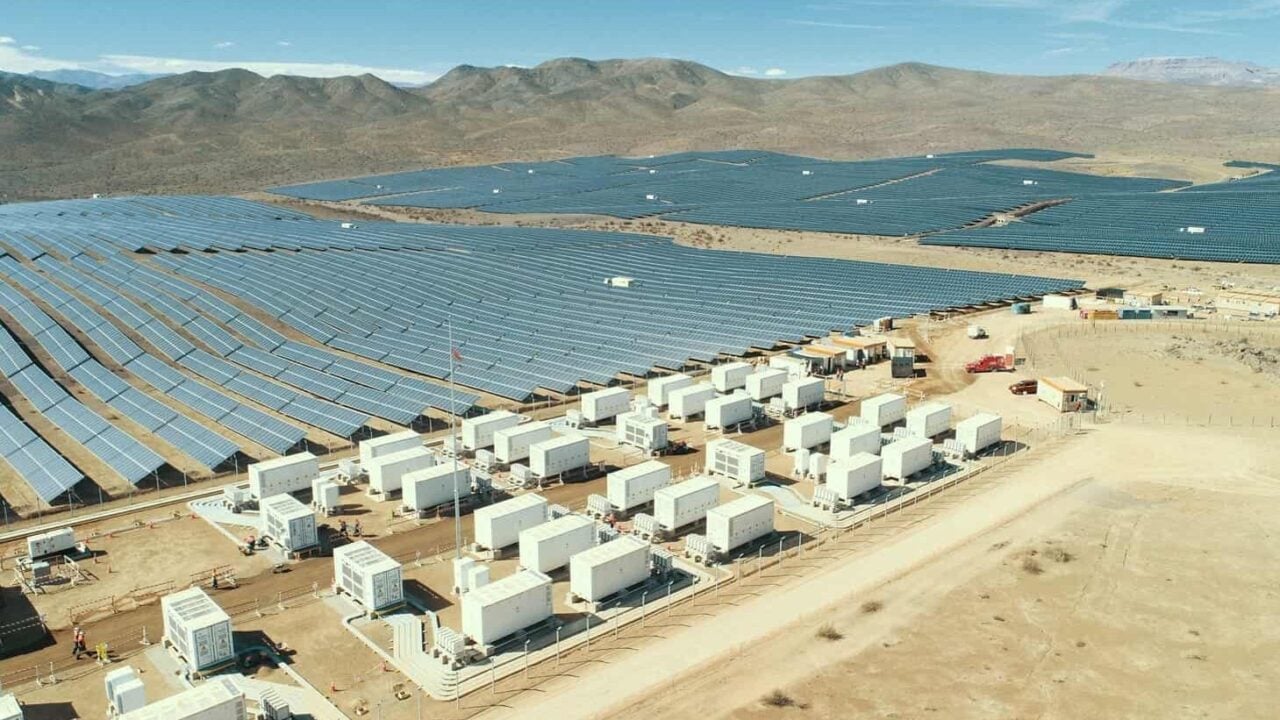
South and Central America’s contribution was largely driven by Engie’s strategic moves in Chile. As the region hosts the Energy Storage Summit Latin America, the focus remains on hybridizing solar-plus-storage complexes. These projects are critical for managing the high solar penetration in the Atacama region and ensuring grid stability across the Andes.
North American Slowdown
In contrast to the global trend, North America experienced its quietest month of the year, with only 100MW/400MWh of new capacity added. The primary contributor was the Sandrini project in California, developed by EDP. This cooling in the North American market has sparked debate among industry analysts regarding the impact of recent regulatory shifts and trade policy uncertainties.
Implications of Policy and Supply Chain Shifts
The current deployment data must be viewed through the lens of a rapidly changing geopolitical environment. Recent executive orders in the United States, specifically the ban on the import of certain inverters and transformers, have introduced a new layer of complexity to the North American supply chain. Industry experts have warned that these equipment bans could prove more disruptive to the U.S. renewable energy pipeline than the previously discussed Foreign Entity of Concern (FEOC) compliance requirements.
In Europe, the discourse at the Energy Storage Summit in Germany highlighted similar anxieties regarding EU restrictions on Chinese-manufactured components. Policymakers are currently balancing the need for rapid decarbonization with the desire to build domestic manufacturing capabilities. The challenge lies in maintaining the pace of deployment—now at 177GWh YTD—while navigating a restricted and increasingly fragmented global trade environment.

The Future of Grid-Scale Storage
The growth of the BESS sector is intrinsically linked to the evolution of market design. As the total commissioned capacity nears the 200GWh mark for the year, the conversation is shifting from "how much" to "how effectively."
1. Market Stability and Revenue Models
As observed in Germany and the UK, capacity markets and frequency containment ancillary services (FCAs) are becoming the primary revenue drivers for BESS operators. Investors are increasingly looking for long-term policy clarity to justify the massive capital expenditures required for 4-hour and 8-hour duration systems.
2. Technological Integration
The dominance of companies like StarCharge, Sungrow, and Hithium indicates that project developers are favoring integrated solutions that offer standardized safety protocols and reliable software-to-hardware interfaces. This modularity is essential for scaling projects into the gigawatt-hour range.

3. The "Hybridization" Trend
The trend of solar-plus-storage—exemplified by the Engie projects in Chile and the Metlen-Copec deal in the Atacama—is set to continue. By co-locating storage with generation, developers can mitigate curtailment and provide "firm" renewable power to the grid, transforming intermittent energy into a baseload-like commodity.
Conclusion
The 21GWh milestone reached last month is a testament to the maturation of the global BESS industry. While China maintains its lead through state-supported infrastructure projects and the Middle East begins to flex its financial muscle in the sector, the European and North American markets are entering a phase of complex regulatory adaptation.
As we look toward the remainder of the year, the industry faces a dual challenge: maintaining the 35% year-on-year growth rate while insulating the supply chain from political volatility. The ongoing Energy Storage Summits globally suggest that the appetite for storage remains insatiable, as utilities and policymakers recognize that the future of the power grid is, quite literally, stored in the next generation of battery systems.

For developers, the focus must now shift to project optimization and the development of sustainable, diversified supply chains that can withstand the currents of global trade policy. The 177GWh of capacity deployed so far in 2026 is merely the foundation for a much larger, storage-dependent energy architecture that will define the next decade of global electricity supply.