LONDON and SAN FRANCISCO — In a bold strategic maneuver signaling resilience and forward-looking ambition within the renewable energy sector, residential solar design and financing pioneer Aurora Solar has announced a comprehensive suite of platform upgrades across the United States alongside a major commercial expansion into the United Kingdom.
The announcement comes at a critical juncture for the global clean energy economy. While the domestic U.S. solar market has recently weathered a period of intense regulatory shifts, macroeconomic headwinds, and supply chain adjustments, European markets are experiencing an unprecedented acceleration in demand for decentralized energy infrastructure. Rather than scaling back operations to mitigate market volatility, Aurora Solar is leaning aggressively into product innovation and international growth.
“In the U.S., the industry just went through one of its toughest stretches in recent history, and in the U.K. and Europe, the industry is rapidly evolving. That’s why our answer is to build more, not less, for the renewable energy community,” said Charlie Herche, Chief Executive Officer at Aurora Solar.
“We’re investing across the whole Aurora Solar platform: home electrification, new financing, sharper drone design, and Aurora for the U.K.,” Herche added. “We are building the new shape of solar and electrification, giving installers the tools to succeed globally.”
Main Facts
The multifaceted rollout by Aurora Solar touches virtually every facet of the residential and commercial solar value chain, modernizing software capabilities for contractors while lowering barriers to entry for end-use consumers.
- U.K. Market Entry: Aurora Solar is officially expanding its footprint into the United Kingdom, bringing its industry-standard design, sales, and proposal software to British residential solar and home electrification contractors.
- Expanded Electrification Scope: Aurora proposals have been updated to seamlessly incorporate broader home electrification technologies—including Heat/Ventilation/Air Conditioning (HVAC) systems, Electric Vehicle (EV) chargers, and advanced home energy storage batteries—into a single, cohesive customer presentation.
- Advanced Drone Imaging Upgrades: The company has significantly enhanced its aerial and drone-based imaging capabilities, allowing for higher-fidelity roof modeling, precise shading analysis, and faster turnaround times on complex residential and commercial designs.
- Innovative Financing Structures: Aurora is rolling out support for prepaid leases and Power Purchase Agreements (PPAs) on solar installations, granting homeowners more flexible pathways to clean energy adoption without high upfront capital expenditures.
- Consumer-Facing Solar Marketplace: Residential customers can now leverage Aurora’s Solar Marketplace to receive transparent, competitive estimates for combined solar and storage projects directly from vetted local installers.
- Commercial Advancements via HelioScope: HelioScope, Aurora’s commercial-focused subsidiary, has been upgraded to include sophisticated peak-shaving modeling, empowering commercial and industrial (C&I) contractors to optimize battery dispatch and reduce high demand charges for their business clients.
Chronology: Navigating Market Pressures to Global Scale
To fully appreciate the weight of Aurora Solar’s latest announcement, it is necessary to examine the timeline of events and market pressures that have shaped the software provider’s trajectory over the past several years.
2021–2022: The Hyper-Growth Era and Domestic Consolidation
During the post-pandemic recovery, the U.S. residential solar sector experienced a historic boom fueled by low interest rates, rising traditional utility costs, and federal tax incentives codified under the Inflation Reduction Act (IRA). Aurora Solar cemented its position as an indispensable software backbone for thousands of contractors, streamlining the transition from remote site assessment to proposal generation. During this window, the company also expanded its commercial capabilities through strategic acquisitions, notably incorporating HelioScope into its enterprise ecosystem.
2023–2024: The Macroeconomic Squeeze and Regulatory Headwinds
As central banks raised interest rates to combat inflation, the cost of capital for residential solar loans surged. Compounding these financial pressures, regulatory changes—most notably California’s transition from Net Energy Metering (NEM) 2.0 to NEM 3.0 (the Net Billing Tariff)—slashing the compensation homeowners received for exporting excess solar energy back to the grid.
These regulatory shifts caused a dramatic contraction in California’s residential solar market, which historically served as the bellwether for the broader U.S. industry. Numerous installation companies downsized, restructured, or went out of business. Software providers serving the sector faced declining user activity and delayed customer acquisition pipelines.
Late 2024–2025: Strategic Pivot and Technological Diversification
Recognizing that the traditional "solar-only" sales model was no longer sufficient in a post-NEM 3.0 environment where battery storage became a necessity rather than an accessory, Aurora Solar began re-architecting its platform. The company shifted its product roadmap toward holistic home energy management. Contractors could no longer sell just panels; they needed to sell energy independence through storage, smart thermostats, and EV chargers.
May 2026: Platform Overhaul and Internationalization
In a decisive statement of long-term confidence, Aurora unveiled its comprehensive platform update and U.K. expansion. By diversifying its geographical exposure through the entry into the United Kingdom—where government-backed net-zero targets and rising electricity bills have created a booming residential retrofit market—Aurora positioned itself to capture growth outside the cyclical pressures of the North American market.
Supporting Data: The Economics of Modern Solar and Storage
The operational decisions made by Aurora Solar are deeply rooted in current macroeconomic and structural trends sweeping the global renewable energy landscape.
The Rise of Multi-Technology Proposals
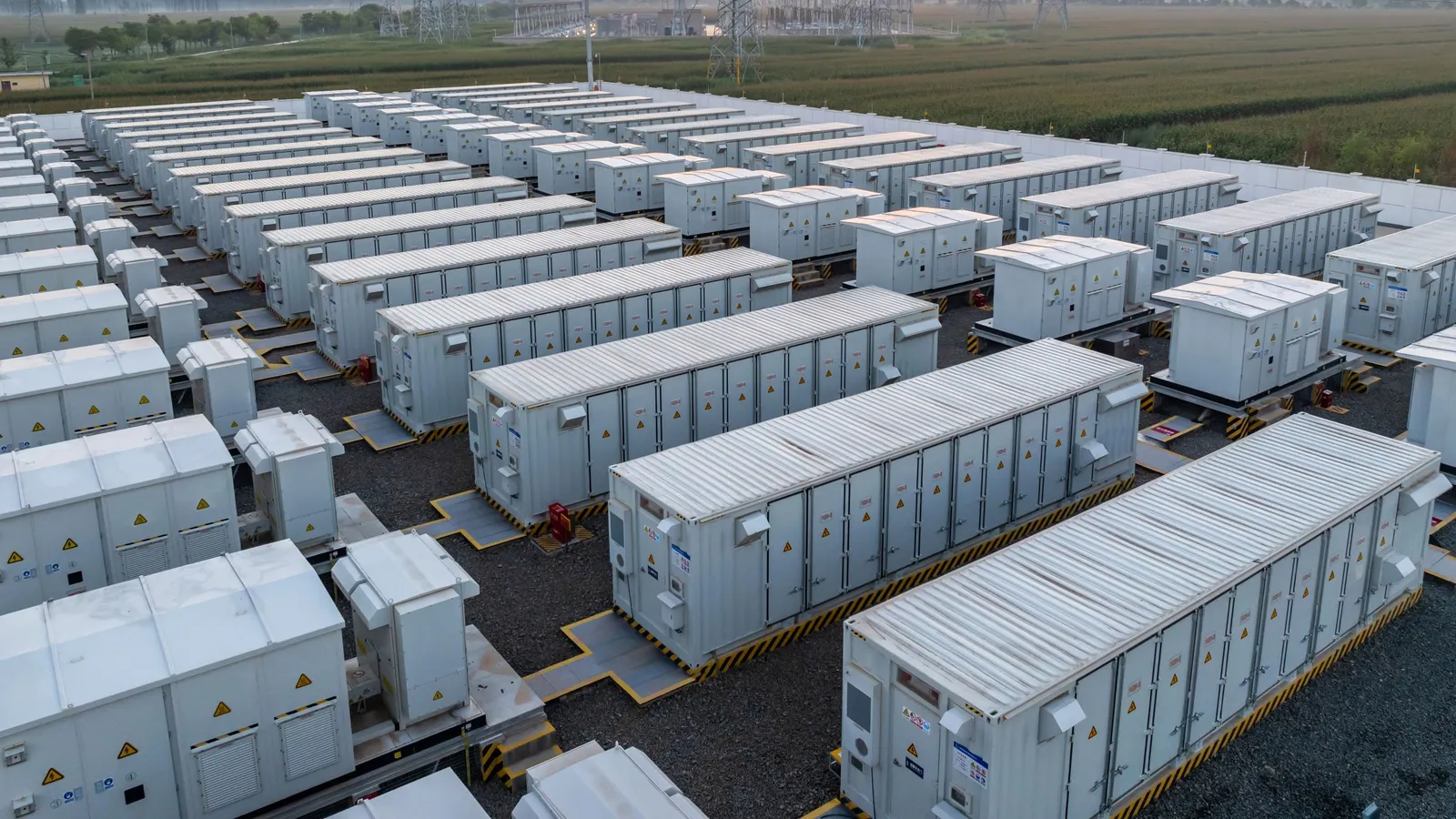
Data from clean energy market analysts indicates that attachment rates for battery energy storage systems (BESS) in the United States have skyrocketed. In states like California, residential solar attachments with storage have surpassed 80% following the implementation of NEM 3.0.
However, quoting complex multi-technology systems manually often creates friction in the sales process, leading to higher customer acquisition costs (CAC). By updating Aurora proposals to calculate financial returns, savings offsets, and payback periods for HVAC integration, EV chargers, and storage simultaneously, the software addresses a major industry bottleneck. Installers utilizing integrated software suites report a measurable decrease in sales cycle duration.

Commercial Peak-Shaving Demand
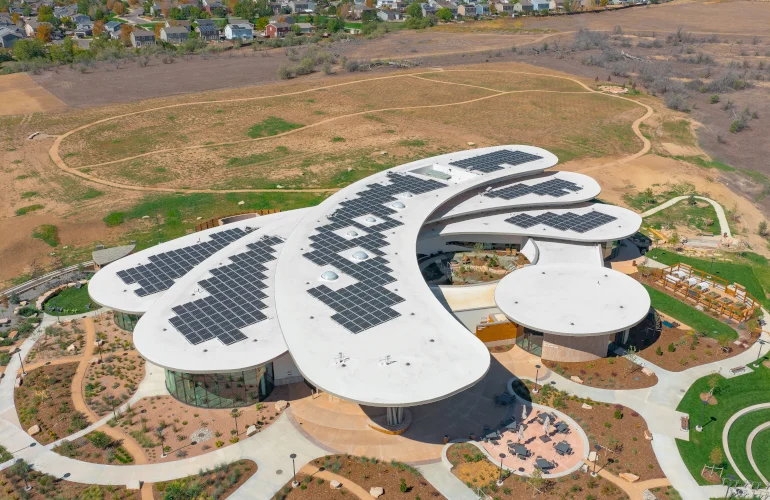
In the commercial and industrial (C&I) sector, demand charges—fees levied by utilities based on a facility’s peak electricity usage during a billing cycle—often account for up to 50% of a commercial electric bill. HelioScope’s new peak-shaving modeling capabilities allow contractors to simulate how specific battery configurations can clip those demand spikes. This analytical precision turns a standard solar proposal into an essential corporate financial optimization tool, expanding the addressable market for commercial solar contractors.
The United Kingdom Renewable Outlook
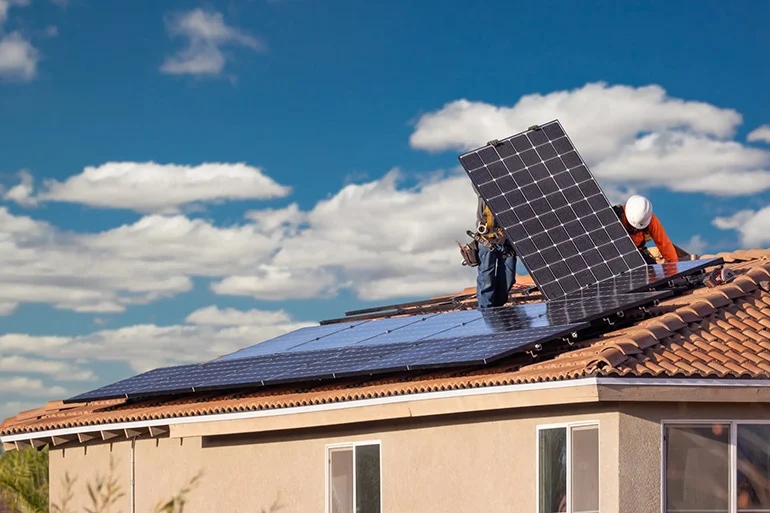
The U.K. residential solar market is experiencing a structural renaissance. Driven by the lingering effects of the European energy crisis, high retail electricity prices, and ambitious government targets to decarbonize the power grid by 2030, British homeowners are adopting rooftop solar and heat pumps at record rates.
According to trade association data from Solar Energy UK, tens of thousands of domestic installations are completed monthly, yet the market remains fragmented among local installers who lack the sophisticated, automated design software that has become standard in North America. Aurora Solar’s entrance into the U.K. bridges this technological gap, offering British contractors enterprise-grade remote design, shadow analysis, and customer-facing proposal generation.
Official Responses and Industry Perspectives
The announcement has elicited a wave of commentary from clean energy leaders, financial analysts, and software developers who view Aurora’s move as a bellwether for the maturation of the solar software ecosystem.
Industry analysts note that software providers are increasingly acting as economic shock absorbers for hardware installers. When hardware margins fluctuate due to tariff debates, supply chain bottlenecks, or shifting financing costs, software platforms provide the efficiency gains necessary for contractors to maintain healthy profit margins.
“Software is the invisible engine of the energy transition,” said a senior clean energy tech analyst based in New York. “When a company like Aurora expands its scope to include prepaid leases, PPAs, and international markets while integrating adjacent technologies like EV charging and HVAC, they are acknowledging a fundamental truth: the modern solar contractor is no longer just a solar installer. They are a home electrification contractor.”
Contractors participating in early beta testing of the updated Aurora platform have praised the enhancements to drone imaging. By automating the extraction of roof pitch, azimuth, and structural obstructions with greater accuracy, field operations teams can drastically reduce site-visit overhead.
“Time is our most valuable asset in the field,” said the operations director of a major multi-state solar and storage provider in the U.S. “When we can trust the remote design to be millimeter-accurate through advanced drone integration, and when we can effortlessly bundle an EV charger and a home battery into the same contract proposal without switching between five different software tools, our close rates go up and our operational overhead goes down.”
Regarding the U.K. expansion, British renewable energy trade representatives have welcomed international software investment. As the U.K. scales up its green workforce to meet aggressive net-zero targets, the adoption of standardized, high-efficiency design software is expected to accelerate project delivery timelines across the country.
Implications: What This Means for the Global Energy Transition
Aurora Solar’s synchronized platform upgrade and international expansion carry profound implications for contractors, homeowners, and the broader trajectory of the global clean energy transition.
1. The Consolidation of Home Electrification
The historical divide between HVAC contractors, electricians, and solar installers is rapidly dissolving. As consumers increasingly view their homes as interconnected energy ecosystems—where an EV charges via solar panels, surplus energy is stored in a battery, and smart HVAC systems modulate usage based on real-time grid pricing—the software used to design these systems must evolve in tandem. Aurora’s inclusion of HVAC and EV charging into its proposal engine accelerates this convergence, pushing the industry toward a unified home electrification model.
2. Democratization of Complex Financing
By introducing structured support for prepaid leases and Power Purchase Agreements (PPAs) on residential solar, Aurora is helping to remove the capital-expenditure barrier that historically kept middle- and lower-income homeowners from adopting solar technology. Flexible third-party ownership models historically required cumbersome, disjointed financing portals. Integrating these options directly into the design and proposal workflow ensures that sales representatives can present customized financing options dynamically during the initial consumer consultation.
3. Hedging Against Domestic Volatility
For Aurora Solar as a corporate entity, geographic diversification into the United Kingdom serves as an effective hedge against regional regulatory instability. By establishing a strong foothold in the rapidly growing European market, the company insulates itself against localized U.S. policy shifts, ensuring steady revenue growth and continuous product feedback loops from two distinct regulatory environments.
4. Setting a New Technological Baseline for Installers
Ultimately, these updates raise the bar for what contractors should expect from their digital tooling. In a hyper-competitive market where customer acquisition costs remain high, efficiency is paramount. By combining hyper-accurate drone modeling, advanced commercial peak-shaving, multi-technology electrification proposals, and international market accessibility, Aurora Solar is positioning its platform not merely as a design tool, but as the foundational operating system for the global clean energy contractor of the future.