By Phil Neuffer
Published Sept. 24, 2026
Main Facts
Months after the United States Supreme Court handed down a landmark ruling invalidating the International Emergency Economic Powers Act (IEEPA) tariffs, corporate America is wrestling with a massive influx of unexpected capital. Customs and Border Protection (CBP) has already doled out nearly $135 billion in tariff refunds as of mid-September, sparking a widespread debate over how these billions should be utilized.
While standard economic models predicted that corporations would hoard the recovered cash to bolster internal balance sheets or offset operational friction, fresh data paints a more nuanced picture. According to an August survey by the Federal Reserve Bank of Atlanta, while the vast majority of firms are keeping the returned cash in-house to combat persistent supply chain costs, a "nontrivial portion" of these refunds is actively being funneled back to consumers and employees through price cuts, sales, and bonuses.
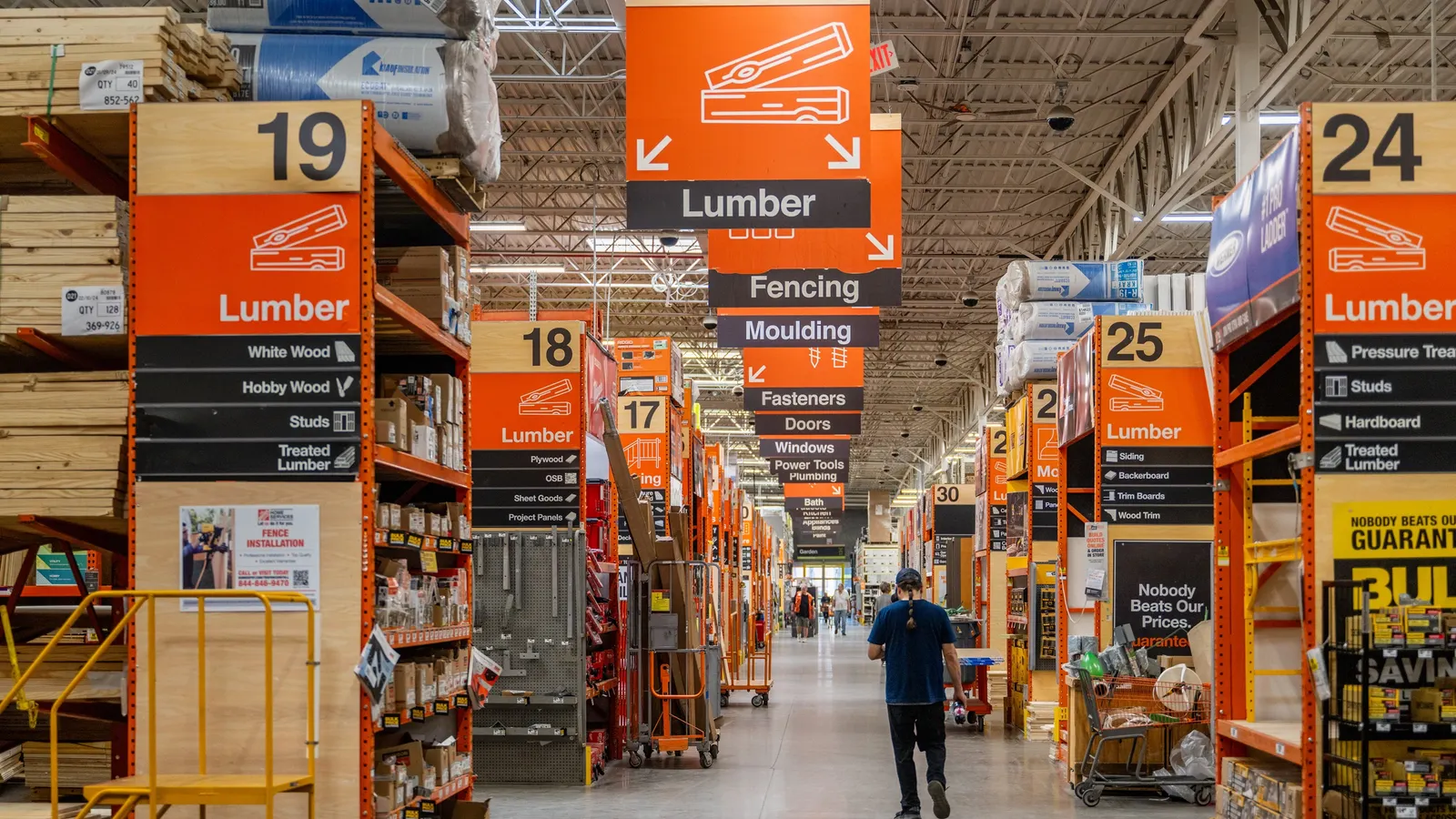
Major home improvement giants like Lowe’s and The Home Depot have leaned heavily into retaining these funds to absorb soaring supply chain expenditures. On the other end of the spectrum, companies such as Walmart, BJ’s Wholesale Club, and Burlington are utilizing the unexpected windfall to lower retail prices and deliver sharper consumer values. Meanwhile, a select group of enterprises, including Williams-Sonoma, have opted to distribute portions of their refunded capital directly to workers.
Simultaneously, the mechanics of claiming these funds have created a booming ecosystem of internal labor and third-party consulting. Nearly 70% of businesses are relying on their own internal personnel to navigate the convoluted CBP portal and refund process, while roughly 22% have outsourced the task. A small, desperate contingent of cash-strapped retailers—including American Eagle Outfitters and The Children’s Place—even chose to sell off their refund rights early on to secure immediate liquidity. With CBP poised to expand its processing capabilities for finally liquidated entries in October, the corporate scramble to handle, deploy, and account for these billions is far from over.
Chronology: The Road from Supreme Court Ruling to CBP Payouts
The journey toward the current corporate windfall began early in the year and has moved at a staggering pace, transforming regulatory chaos into a massive liquidity event.
- February: The U.S. Supreme Court issues a sweeping decision invalidating the IEEPA tariffs, ruling that the executive branch overstepped its bounds in imposing the emergency levies. The decision immediately triggers a wave of speculation across retail, manufacturing, and supply chain sectors regarding if, when, and how billions of dollars in collected duties might be returned.
- April 20 (8:00 AM): Customs and Border Protection officially launches its dedicated digital portal, opening the floodgates for companies to submit claims and track their IEEPA tariff refunds.
- Late Spring to Early Summer: Major corporations begin assessing their windfall potentials. Early strategies vary drastically. While some companies explore selling their refund rights to third parties for quick cash, giants like Walmart tie their expected refunds directly into future pricing strategies to maintain market competitiveness.
- August: The Federal Reserve Bank of Atlanta conducts a comprehensive survey targeting business executives to gauge how firms intend to allocate their returned cash windfalls. The findings reveal that while hoarding remains the primary strategy, customer- and employee-centric benefits are surprisingly prevalent.
- September 11: CBP officially marks a massive milestone, having disbursed nearly $135 billion in total IEEPA tariff refunds to American businesses.
- September 24: The Atlanta Fed publishes its survey insights, highlighting the split between internal cash retention and consumer-facing relief, just as CBP prepares for the next phase of its operational rollout.
- October (Upcoming): CBP is scheduled to launch expanded processing capabilities designed to handle finally liquidated entries, unlocking an additional wave of complex refund requests.
Supporting Data & Market Metrics
The scale of the IEEPA tariff refund program is historic, and the economic behavior of the companies receiving these funds offers a fascinating case study in post-crisis corporate finance.
- $135 Billion: The staggering total amount of IEEPA tariff refunds processed and paid out by Customs and Border Protection as of September 11.
- 70%: The proportion of firms that chose to rely entirely on internal legal, accounting, and supply chain staff to manage the complex and cumbersome IEEPA refund application process.
- 22%: The percentage of businesses that opted to bypass internal bandwidth constraints by hiring specialized third-party consultants and legal teams to secure their disbursements.
- A "Nontrivial Portion": The phrasing used by the Atlanta Fed to describe the surprisingly high percentage of companies choosing to share their cash windfalls with the public and workforce, defying traditional economic forecasting models.
- Millions in Individual Recoveries: Major international players like video game console manufacturer Nintendo managed to claw back astronomical sums—such as $300 million—leading to intense public scrutiny over whether consumers deserved direct rebates.
Official Responses and Corporate Strategies
The divergence in how corporations are handling their windfalls has exposed distinct philosophies regarding corporate social responsibility, consumer loyalty, and fiscal conservatism.
The In-House Hoarders: Offsetting Supply Chain Friction
For many capital-intensive industries, the primary goal of the refund has been simple survival and stabilization. Major home improvement retailers, including Lowe’s and The Home Depot, have openly acknowledged that their refunded cash is being immediately deployed to counteract ongoing inflationary pressures and rising global supply chain costs.
Similarly, multinational tech and entertainment firms adopted a strict stance on ownership. Nintendo, which successfully recouped approximately $300 million in tariff refunds amid a severe global memory chip crunch, initially maintained that its customers were legally and operationally distinct from the entities that paid the initial duties. However, public pressure eventually nudged the company to launch a targeted "customer appreciation sale," partially attributing the promotions to the recouped funds.

The Consumer Champions: Lowering Prices and Driving Value
Conversely, a vocal contingent of consumer-facing retail giants has used the refunds as a strategic weapon to win over inflation-weary shoppers. Walmart publicly tied its expected tariff returns directly to its overarching pricing strategies, ensuring that cost savings were translated into competitive retail pricing.
BJ’s Wholesale Club followed a similar playbook, explicitly utilizing its refunded capital to drive down club-level prices. Burlington leaned heavily into the narrative of delivering "sharper values" to budget-conscious consumers, proving that some executives view the returned billions as an opportunity to build long-term brand loyalty rather than merely pad quarterly profit margins.
The Workforce and Vendor Benefactors
While fewer in number, several companies recognized the internal human capital required to survive the tariff era and navigate the complex CBP portal. Williams-Sonoma emerged as a notable leader in this category, opting to distribute a portion of its recouped funds directly back to its employees—including the specific administrative and supply chain teams that successfully spearheaded the grueling IEEPA refund claims process in the first place.
The Liquidity Strippers: Selling Refund Rights
Not every company had the luxury of waiting for CBP to process their claims. Smaller or more cash-constrained firms, such as American Eagle Outfitters and The Children’s Place, faced immediate balance sheet pressures that forced them to offload their potential refund rights to outside investors at a discount. By selling off these speculative claims, these retailers traded future upside for immediate cash reserves to shore up their near-term operations.
Broader Implications for Supply Chain and Procurement
The fallout from the IEEPA tariff refunds extends far beyond corporate accounting ledgers; it is fundamentally altering how procurement professionals and supply chain leaders view regulatory risk and cash flow management.

For decades, tariffs were viewed as a predictable, albeit painful, cost of doing business—a fixed tax burden that had to be absorbed, passed down to consumers, or mitigated through nearshoring and supplier diversification. The invalidation of the IEEPA tariffs and the subsequent $135 billion payout mechanism have shattered that traditional paradigm. Procurement teams now recognize that government trade policies can be successfully challenged in federal courts, turning historical duties into volatile, recoverable assets.
Furthermore, the operational bottleneck experienced by CBP highlights the critical need for robust data management within supply chains. The fact that nearly 70% of companies had to mobilize internal staff to untangle import records, entry numbers, and duty payments underscores a historical vulnerability: many organizations lacked the visibility required to quickly audit and claim billions in past taxes. Moving forward, procurement departments are investing more heavily in digital trade compliance tools to ensure they can act swiftly should similar legal challenges arise.
Finally, the consumer and employee-facing strategies highlighted by the Atlanta Fed suggest a shift in corporate reputation management. In an era of heightened scrutiny over corporate profits and inflation, businesses that chose to hoard 100% of their windfalls faced quiet public grumbling, while those that injected funds back into price cuts or employee bonuses garnered positive market goodwill. As CBP prepares to open its portal for finally liquidated entries in October, supply chain leaders are no longer just logistics managers—they are frontline stewards of multi-million-dollar capital recoveries that can define a company’s public standing for years to come.