Published: October 6, 2026
By: Antone Gonsalves (Enriched & Expanded Reporting)
Main Facts
The United States egg industry is currently undergoing a critical phase of market correction, transitioning away from a severe oversupply condition that severely depressed prices and corporate revenues throughout much of the year. According to Sherman Miller, President and CEO of industry giant Cal-Maine Foods, deliberate production cutbacks—manifested through fewer hatched chicks from breeder eggs and a shrinking national laying-hen flock—are successfully alleviating the inventory glut that plagued producers in the wake of historic market imbalances.
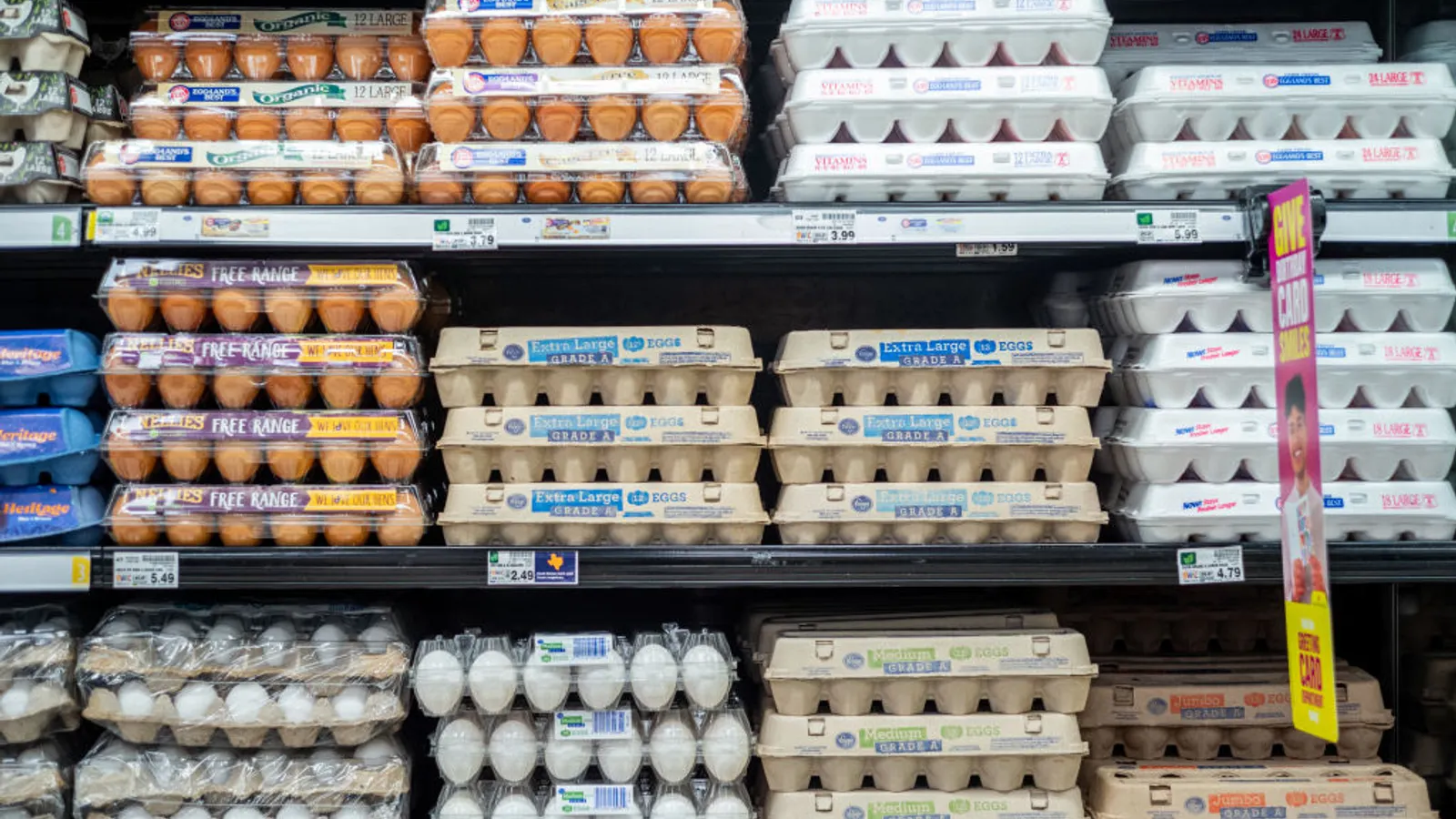
This current oversupply stands in stark contrast to the crippling market conditions of the recent past. Just a year prior, devastating outbreaks of highly pathogenic avian influenza (HPAI) decimated the U.S. bird population, wiping out more than 145 million birds. That supply shock sent consumer prices to unprecedented heights. However, the pendulum swung aggressively in the opposite direction as producers rebuilt flocks, leading to a massive surplus of conventional shell eggs that outpaced domestic and international absorption capacities.
The financial toll of this glut has been substantial. Cal-Maine Foods reported a dramatic 59.5% year-over-year decline in conventional shell egg sales, which dropped to $201.7 million during the company’s first fiscal quarter. Nevertheless, recent industry data signals that supply and demand are finally steering toward a healthier equilibrium, buoyed by consistent consumer demand, lower retail price points, and the approach of the peak holiday baking season.
Chronology of the Market Shift: From Scarcity to Surplus
To fully understand the current state of the U.S. egg supply chain, one must trace the rapid evolution of the market from extreme scarcity to an unexpected surplus over a multi-year timeline.
2022–2025: The Avian Influenza Crisis and Record Prices
For several years, the defining narrative of the U.S. poultry and egg sector was avian influenza. Successive waves of the virus swept through commercial layer facilities across the country. Because biosecurity protocols require the immediate depopulation of entire flocks upon the detection of HPAI, the losses compounded rapidly.
By the time the cumulative death toll of commercial layers surpassed 145 million birds, egg production plummeted to historic lows. Consumers faced sticker shock at grocery stores, with the price of a dozen conventional eggs reaching record levels. During this period, major producers like Cal-Maine reaped massive profits due to high pricing power, even as overall production volumes shrank.
Late 2025 to Early 2026: The Rebuilding Phase and Subsequent Glut
Eager to stabilize supply chains and capitalize on high market prices, egg producers aggressively rebuilt their layer flocks. Concurrently, hen productivity exceeded historical averages.
However, the rapid restocking coincided with a tapering off of export growth. Without sufficient international markets to absorb the surplus, the domestic market became saturated. The American Egg Board (AEB) noted that elevated flock numbers and high hen productivity collided with flatlining export volumes, creating an acute oversupply. This glut rapidly eroded the pricing power producers had enjoyed during the height of the bird flu crisis, slashing profit margins and dragging down quarterly earnings for major industry players.
Mid-to-Late 2026: Deliberate Retrenchment and Stabilization
Recognizing the unsustainable nature of the oversupply, producers began implementing corrective measures in the middle of 2026. By curbing the number of breeder eggs hatched and managing the overall size of the national flock, industry leaders engineered a controlled cooling of production.
By September and October 2026, commentary from the American Egg Board and executive briefings from Cal-Maine confirmed that these adjustments were taking hold. The market began shedding excess inventory just in time to meet the traditionally robust demand of the fall and winter holiday seasons.
Supporting Data and Market Metrics
A granular look at the data provided by the American Egg Board, NielsenIQ, and corporate financial disclosures highlights the magnitude of both the surplus and the ongoing correction:

- Financial Impact: Cal-Maine Foods reported that conventional shell egg sales fell by 59.5% year over year in the first quarter, totaling $201.7 million—a direct consequence of depressed market prices driven by the oversupply.
- Flock Adjustments: According to the AEB’s September 2026 report, the U.S. layer-hen flock is now estimated between 336 million and 343 million birds. This represents a reduction of roughly 4 million hens compared to previous projections.
- Breeder Egg Metrics: Hatch numbers from breeder eggs—a leading indicator of future laying-hen inventory—dropped by 12% year-to-date, pointing to continued discipline in supply growth.
- Production Volume: Monthly case production over the trailing three-quarter period edged downward to an average of 19.9 million cases, reflecting successful attempts by producers to throttle output.
- Retail Resilience: Despite the supply glut and falling prices, underlying consumer demand remained remarkably robust. NielsenIQ data cited by Cal-Maine shows that U.S. retail egg volume rose approximately 4% from January through August 2026 compared to the same period a year earlier.
- Price Correction: In the four-week period leading up to August 29, 2026, retail sales volumes remained slightly elevated while the average price per dozen dropped by roughly 27%.
Official Responses and Industry Perspectives
Industry leaders maintain an optimistic yet pragmatic outlook regarding the stabilization of the market. Speaking on the broader health of the sector, Sherman Miller emphasized that the fundamental demand for eggs remains robust, unaffected by the structural weaknesses sometimes seen in other agricultural commodities.
"The data remains constructive across retail, food service, and exports," Miller stated during a recent corporate briefing, dismissing fears that consumer habits had permanently shifted away from eggs during the period of high prices.
Miller further pointed out that the current market correction is arriving at an opportune moment for both producers and consumers. With retail prices down significantly—falling nearly 27% over the summer—consumers are experiencing much-needed relief at the checkout counter.
"Affordability and greater promotional activity should provide additional support to consumption as we move into the seasonally stronger fall baking and holiday periods," Miller added. This sentiment is echoed by the American Egg Board, whose recent supply outlook commentaries suggest that producers have successfully transitioned from an unmanaged surplus to a calibrated supply model capable of responding dynamically to market shifts.
Implications for Supply Chain Logistics, Retailers, and Consumers
The recalibration of the U.S. egg market carries far-reaching implications across the entire agricultural and retail supply chain:
1. For Producers and Integrators
For vertically integrated producers like Cal-Maine, the shift underscores the delicate balancing act required in modern poultry management. Overcorrecting in response to disease outbreaks can easily trigger a self-inflicted price crash, as seen over the past year. Moving forward, producers are likely to maintain tighter controls over breeder egg hatching and maintain agile inventory management to prevent future gluts.

2. For Supply Chain and Logistics Providers
Transportation and cold-chain logistics providers face shifting demands as production volumes stabilize. During the peak of the oversupply, managing warehouse capacity and rapid distribution of highly perishable shell eggs presented unique hurdles. A rebalanced flock ensures a smoother, more predictable flow of product from farm to distribution center, reducing the risk of spoilage and logistical bottlenecks.
3. For Retailers and Food Service Operators
Retailers benefit from the current environment through lower wholesale acquisition costs, which they can pass on to shoppers to drive store traffic. The roughly 27% drop in the average price per dozen provides grocers with a powerful promotional tool. Moreover, the predictable supply levels make it easier for restaurants and institutional food service operators to plan menus and manage food costs without the extreme volatility experienced during the height of the HPAI crises.
4. For Consumers
Ultimately, the everyday shopper is the primary beneficiary of this market normalization. After enduring years of volatile, weather- and disease-driven price spikes, consumers are entering the fall and winter holiday baking season with affordable, highly accessible egg supplies. As promotional activity ramps up in the coming months, increased consumption is expected to fully absorb the remaining excess inventory, securing a stable market foundation heading into the new year.