WASHINGTON — In a significant development for global supply chains and international commerce, the United States and China have agreed to extend their ongoing trade truce by an additional two months, pushing the expiration date to January 10, 2027.
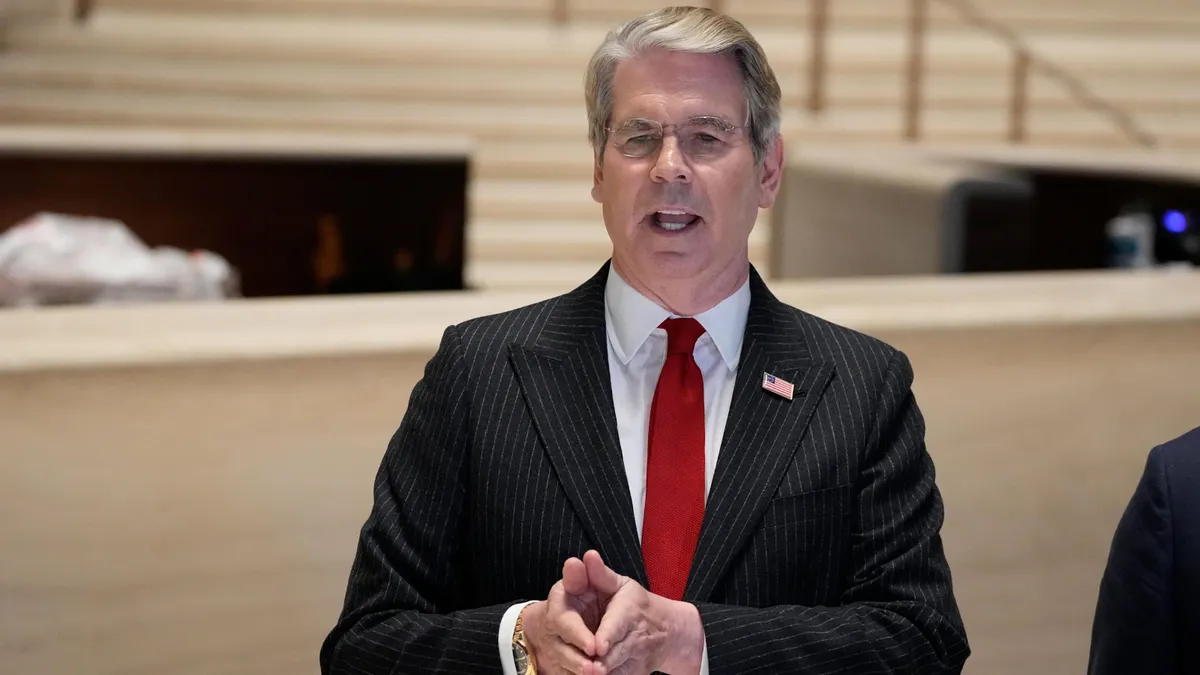
The announcement was made by U.S. Treasury Secretary Scott Bessent during a televised interview on Fox News on Wednesday, September 24, 2026. The move comes on the heels of high-stakes diplomatic engagements in New York City and just as Chinese President Xi Jinping landed in Washington, D.C., for a summit with U.S. President Donald Trump.
The extension offers a vital window of stability for manufacturers, logistics providers, and agricultural exporters who have spent recent years navigating a turbulent landscape of shifting tariffs, retaliatory measures, and geopolitical friction. While current market conditions remain steady under the framework of the truce, questions linger over whether the two economic superpowers can forge a comprehensive, long-term trade pact before the new January deadline.
Main Facts
The core of the current agreement preserves the status quo established late last year, halting a cycle of escalating trade hostilities. Under the terms outlined by Treasury Secretary Bessent:
- Extension of the Truce: The trade pact, originally slated to expire on November 10, 2026, has been officially extended through January 10, 2027. This provides negotiating teams from both nations an extra 60 days to hammer out lingering economic differences.
- Tariff and Policy Suspensions: The United States continues to maintain reduced tariffs (at 10%) on Chinese imports tied to fentanyl trafficking mitigations. Furthermore, Washington has kept suspended its Section 301 investigation into China’s maritime, logistics, and shipbuilding industries.
- Chinese Commitments: In exchange, Beijing has maintained the suspension of its retaliatory tariffs, halted the implementation of stringent export controls on critical rare earth minerals, and continued its agricultural purchasing programs.
- Agricultural Milestones: Secretary Bessent praised Beijing’s fulfillment of its commitments regarding U.S. soybean acquisitions, noting that China has been thoroughly compliant in buying its target of 25 million metric tons this year. However, he noted that China remains slightly behind schedule on an additional $17 billion in broader agricultural commitments, an issue Washington is actively pressing to resolve.
- Washington Summit: The announcement coincides with Chinese President Xi Jinping’s arrival in Washington, D.C., for bilateral talks with President Donald Trump, where discussions are expected to span financial services, additional commodity purchases, and the geopolitical future of artificial intelligence.
Chronology of the U.S.-China Trade Truce
To understand the weight of the current extension, it is necessary to retrace the timeline of economic friction and reconciliation that brought Washington and Beijing to this juncture:
The Escalation Phase
- Late 2024 – Mid-2025: Trade tensions intensified as the U.S. implemented aggressive executive actions to curb the flow of synthetic opioids, utilizing the International Emergency Economic Powers Act (IEEPA) to levy broad duties on Chinese goods linked to the fentanyl supply chain. Concurrently, the Office of the United States Trade Representative launched a Section 301 probe into Chinese maritime and logistics practices, threatening to uproot global shipping networks.
- Retaliation: Beijing responded in kind, threatening export restrictions on critical rare earth elements—vital for technology, defense, and green energy sectors—while preparing a slate of retaliatory tariffs on American agricultural exports.
The Turning Point and APEC Agreement
- November 2025: Following intense diplomatic back-and-forth, including a meeting between President Donald Trump and President Xi Jinping on the sidelines of the APEC summit, the two superpowers reached a landmark detente. The pact saw Washington roll back fentanyl-related tariffs to 10% and shelve its maritime investigations, while Beijing agreed to halt counter-tariffs, freeze rare earth export curbs, and commit to multi-year agricultural purchasing agreements.
The Legal and Legislative Hurdles
- February 2026: The domestic legal landscape shifted dramatically when the U.S. Supreme Court officially invalidated certain tariffs that had been enacted via emergency statutory powers, forcing the administration to recalibrate its approach to executive trade enforcement.
- September 2026: Treasury Secretary Scott Bessent met with Chinese Vice Premier He Lifeng in New York City to evaluate the health of the trade relationship. Finding positive momentum, Bessent announced the extension of the truce on September 24, aligning with President Xi’s arrival in the nation’s capital.
Supporting Data and Economic Metrics
The health of the current trade arrangement hinges heavily on compliance metrics, particularly within the agricultural sector, which has historically served as a diplomatic bellwether for U.S.-China relations.
- Soybean Performance: According to Treasury Department assessments, China has successfully met its obligations to purchase 25 million metric tons of U.S. soybeans over the current marketing year. This metric is closely monitored by American farmers across the Midwest, who rely heavily on Chinese export demand.
- The $17 Billion Gap: While soybean targets have been met, U.S. officials have flagged a lag in other areas. China currently sits on approximately $17 billion in wider agricultural purchase commitments that remain unfulfilled or behind schedule. Secretary Bessent confirmed that U.S. negotiators are actively pressing Beijing to accelerate these purchases before the January deadline.
- Rare Earth Stability: By freezing its planned export restrictions on critical minerals—such as dysprosium, neodymium, and yttrium—Beijing has temporarily averted severe supply chain bottlenecks for Western electric vehicle manufacturers, defense contractors, and consumer electronics firms.
- Maritime and Logistics Relief: The suspension of the Section 301 maritime investigation has spared ocean carriers and port operators from immediate punitive fees, keeping freight rates and trans-Pacific supply chain costs relatively stable compared to the volatile projections seen during the peak of the trade war.
Official Responses and Stakeholder Perspectives
Reactions to the two-month extension have ranged from cautious optimism among corporate logistics leaders to pragmatic assessments from administration officials.
The Administration’s Stance
Treasury Secretary Scott Bessent emphasized that the extension is designed to create a conducive environment for deeper dialogue rather than serving as a permanent fix.
"The conditions of the trade truce will stay in effect until January 10 to give us more time to see what we can do on the economic front," Bessent stated during his Fox News appearance.
When pressed on whether a comprehensive trade deal could be finalized by January, Bessent remained non-committal. "I am not sure if we will be able to cement a bigger deal by then, or if we will simply need to further extend the current agreement," he added.

The White House Agenda
The focus now pivots entirely to the high-level summit between President Donald Trump and President Xi Jinping. While financial services and agricultural compliance are slated for formal bureaucratic review, President Trump has indicated via social media that cutting-edge technology will take center stage. Trump noted that discussions will heavily feature artificial intelligence—a domain he frequently refers to as "super intelligence"—signaling that technological hegemony and data governance are emerging as the new focal points of bilateral friction and negotiation.
Supply Chain and Industry Reactions
For supply chain directors, third-party logistics (3PL) providers, and retail importers, the extension provides a much-needed reprieve. The autumn months represent peak shipping season for holiday inventory. Knowing that tariffs will not suddenly spike or that rare earth supplies will not be instantaneously choked off allows logistics planners to execute Q4 delivery schedules with lowered risk profiles. However, industry trade groups continue to lobby for a permanent, codified trade agreement to eliminate the persistent uncertainty of rolling deadlines.
Implications for Global Supply Chains and Future Trade
The decision to push the trade truce deadline to January 10, 2027, carries profound implications for global trade flows, corporate risk management, and the broader geopolitical landscape.
1. Mitigating Peak-Season Volatility
By locking in the truce through the heart of the winter shipping season, the U.S. and China have averted what could have been a chaotic disruption for trans-Pacific container shipping. Importers can clear goods through ports without the looming threat of sudden tariff adjustments, helping to stabilize consumer goods pricing heading into the new year.
2. The Shift Toward Technological Diplomacy
As traditional trade metrics—such as agricultural quotas and manufacturing tariffs—become more systematically managed, the axis of U.S.-China competition is definitively shifting toward advanced technology. With artificial intelligence, semiconductor supply chains, and data infrastructure dominating the Trump-Xi agenda, future trade pacts will likely look vastly different from historical agreements, tying physical goods negotiations to digital security frameworks.

3. The Risk of "Extension Fatigue"
While temporary extensions prevent sudden economic shocks, they also foster an environment of perpetual ambiguity. Businesses cannot effectively formulate multi-year capital expenditure, manufacturing relocation, or sourcing strategies while living in 60-day increments. If January 2027 arrives without a substantive, long-term treaty, markets may experience sharp volatility as the specter of renewed tariffs returns.
Outlook
As President Xi Jinping and President Donald Trump sit down in Washington, the global economy watches with bated breath. The two-month extension buys valuable time, but the onus remains on the world’s two largest economic powers to transform a fragile truce into an enduring framework for bilateral commerce.