In a watershed moment for the American energy sector, the Tennessee Valley Authority (TVA) has successfully cleared a critical regulatory hurdle, receiving a construction permit from the U.S. Nuclear Regulatory Commission (NRC) for the deployment of a small modular reactor (SMR) at its Clinch River site near Oak Ridge, Tennessee. This decision, delivered ahead of the anticipated schedule, marks a pivotal shift in the U.S. approach to carbon-free baseload power and establishes a potential blueprint for the next generation of nuclear infrastructure.
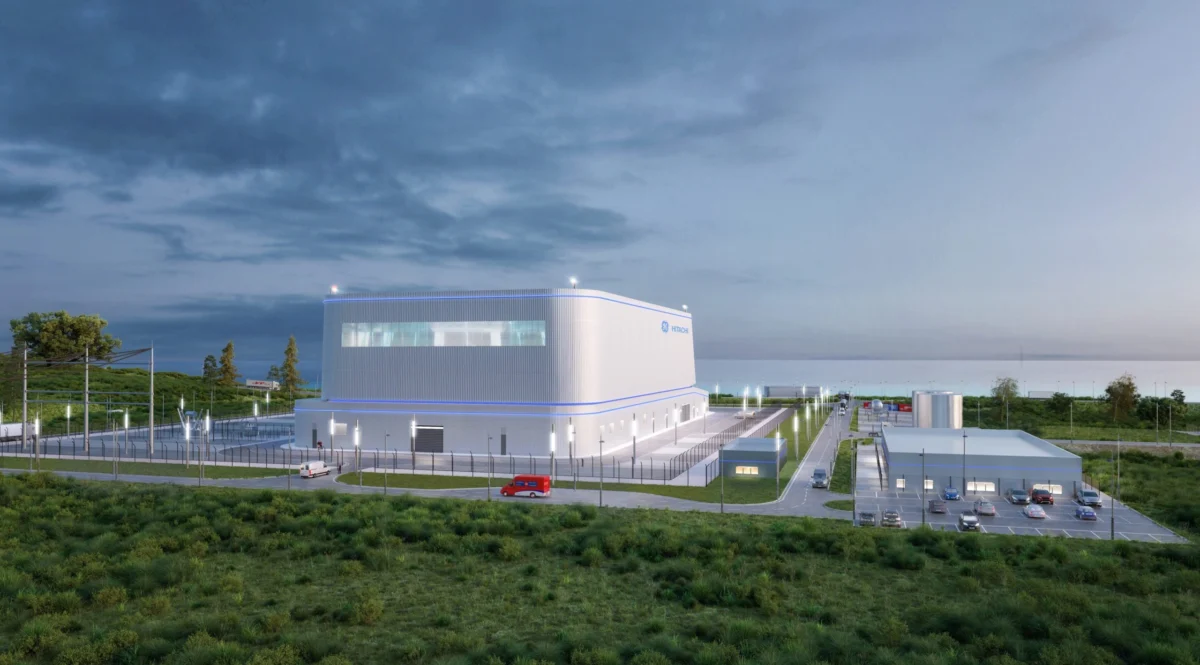
The authorization concerns the Clinch River Unit 1, a 300-megawatt (MW) BWRX-300 reactor developed by GE Vernova Hitachi Nuclear Energy. By securing this permit, TVA has cemented its status as a pioneer in the advanced reactor space, becoming the first utility in the nation authorized to construct this specific design and only the second to receive a permit for any advanced nuclear reactor technology in the modern era.
The Regulatory Milestone: A Faster Path to Innovation
The issuance of the construction permit is being hailed as a triumph of regulatory efficiency. When the federal utility submitted its application in May 2025, the industry was watching closely, aware that the NRC’s review process would serve as a barometer for how quickly the U.S. can scale advanced nuclear technology to meet the dual demands of grid reliability and aggressive decarbonization.
The NRC’s decision to conclude its evaluation ahead of schedule is highly significant. In the nuclear industry, "predictability" has historically been the greatest enemy of project completion. By demonstrating that a complex licensing process can be streamlined without compromising the rigorous safety standards that define the agency, the NRC has signaled a new, more agile era for nuclear oversight. This outcome is expected to serve as a high-water mark for future applicants, providing a template for how utilities and technology providers can navigate the complex waters of federal nuclear regulation.
Chronology of a Nuclear Vision
The journey to the Clinch River site’s revitalization has been years in the making. The location has long been associated with the history of the atomic age, situated in proximity to the Oak Ridge National Laboratory, a facility steeped in nuclear research and development.
- Early Conceptualization: Recognizing the need for flexible, carbon-free energy, TVA began identifying the Clinch River site as a prime candidate for SMR technology, noting its physical capacity to host up to four small modular units.
- May 2025: TVA officially submitted its comprehensive construction permit application to the NRC, marking the beginning of the formal federal review process.
- Regulatory Review Phase: Throughout the latter half of 2025 and into early 2026, the NRC conducted intensive safety, environmental, and technical evaluations, scrutinizing the BWRX-300 design—a boiling-water reactor noted for its simplified, passive safety systems.
- The Approval (Tuesday): The NRC issued the construction permit, validating the safety profile of the BWRX-300 and authorizing TVA to proceed with site preparation and infrastructure development.
While the permit is a monumental step, the timeline for the "first-pour" of concrete remains fluid. TVA has previously estimated that the first reactor could reach operational status by approximately 2032. Between now and that date, the project will move through various stages of engineering finalization, supply chain logistics, and site-specific construction preparations.
Supporting Data: Why SMRs are the Industry’s New Favorite
Small Modular Reactors (SMRs) represent a fundamental departure from the massive, multi-gigawatt nuclear plants of the 20th century. With an output of approximately 300 MW, the BWRX-300 is designed for versatility. The "modular" aspect is key: components are designed to be manufactured in controlled, factory settings rather than being built entirely on-site. This shift is intended to significantly reduce construction time, mitigate cost overruns caused by on-site weather delays or labor shortages, and improve overall quality control.
The economic and operational benefits are manifold:
- Scalability: Utilities can start with a single unit and add more as load requirements grow, spreading out capital expenditure.
- Flexibility: SMRs can be integrated into grids that might not support the massive thermal output of a traditional 1,000+ MW plant.
- Passive Safety: The BWRX-300 utilizes natural circulation and simplified systems, reducing the reliance on external power or human intervention to maintain core cooling during emergency scenarios.
Navigating the Financial Landscape: Protecting the Consumer
A significant point of discussion surrounding the Clinch River project is the fiscal strategy. Nuclear projects are notorious for high upfront capital costs. To address this, TVA has been transparent about its ongoing negotiations with industry partners. The goal is to develop a cost-sharing framework that minimizes the financial burden on the end-user—the electricity consumer.
TVA leadership has emphasized that the project is not just a TVA initiative but a national one. By exploring public-private partnerships, the utility hopes to insulate ratepayers from the volatility of initial construction costs. These negotiations are expected to continue in parallel with site development, as the project matures into a viable commercial enterprise.

Strategic Implications: Powering the AI and Data Center Revolution
The timing of this permit is no coincidence. The United States is currently facing a surge in electricity demand that many experts characterize as unprecedented. This demand is driven by the rapid expansion of artificial intelligence, high-performance computing, and the proliferation of massive data centers.
These facilities require "baseload" power—electricity that is available 24/7, regardless of weather conditions. Unlike solar or wind, which require significant battery storage to provide constant power, nuclear energy provides a steady, high-capacity output. The Clinch River site, with its potential to host four reactors, is strategically positioned to become a regional energy hub.
Furthermore, the integration of SMRs near existing industrial centers like Oak Ridge creates a symbiotic relationship between research, technology development, and grid stability. It allows for a "cluster effect," where the proximity to world-class nuclear scientists and the existing grid infrastructure lowers the operational risk profile for the project.
Official Perspectives and Looking Forward
Industry observers view the NRC’s approval as a "green light" that will ripple across the global energy market. Sean Sexstone, a representative from GE Hitachi, has previously spoken about the necessity of "getting it right" on these first-of-a-kind deployments. The industry understands that the success of the BWRX-300 at Clinch River will effectively write the playbook for the next decade of nuclear energy deployment in North America.
For TVA, the project is a centerpiece of its commitment to a "carbon-free" future. By adding advanced nuclear to its existing portfolio of hydro, solar, and traditional nuclear, the utility is aiming to achieve a diversified energy mix that can withstand the challenges of climate change and shifting energy consumption patterns.
As the industry pivots toward this next phase, the focus will shift from permitting to procurement and site-specific engineering. The coming months will likely see increased activity at the Clinch River site as TVA begins to translate the regulatory authorization into physical reality.
Conclusion
The issuance of the construction permit for Clinch River Unit 1 is a transformative event for the U.S. energy sector. By embracing the BWRX-300 and navigating the NRC’s rigorous licensing process with efficiency, the Tennessee Valley Authority has demonstrated that nuclear energy remains a viable, essential component of the modern grid.
While questions regarding final project costs and construction timelines persist, the path forward is clearer than it has been in decades. With the potential to provide reliable, carbon-free energy to an increasingly digitized economy, the Clinch River project is poised to serve as the standard-bearer for a new generation of American energy infrastructure. Whether it achieves the goal of becoming a multi-reactor hub will depend on continued regulatory support, successful cost-sharing partnerships, and the relentless focus on the engineering excellence that has defined the nuclear industry for over half a century.
For now, the regulatory green light is on, and the industry is watching closely as the first units of the next generation begin their journey from blueprint to reality.