NORTH RIDGEVILLE, Ohio — As summer temperatures climb into the high 80s and low 90s, the humble air conditioning unit transforms from a mere home convenience into a critical piece of infrastructure. For residents and business owners in North Ridgeville and the surrounding Greater Cleveland area, a sudden AC breakdown is more than just a sweaty inconvenience—it is a disruption that can trigger health hazards, compromise workplace productivity, and result in steep, unexpected financial outlays.
Local HVAC professionals are stressing the importance of proactive maintenance and rapid emergency responses as regional heatwaves put unprecedented strain on residential and commercial cooling systems. Understanding why systems fail, recognizing the signs of impending trouble, and adopting a proactive maintenance schedule are no longer optional recommendations; they are essential strategies for home and business preservation.
The Anatomy of a Breakdown: Main Facts and Risks
When an air conditioner refuses to turn on, panic often ensues. However, HVAC experts point out that catastrophic failures rarely happen overnight. They are usually the culmination of neglected minor issues—such as a clogged air filter, a failing capacitor, or a slow refrigerant leak—that compound over time.
Beyond the immediate discomfort of high indoor temperatures, a malfunctioning AC unit poses legitimate health and safety risks. Vulnerable populations, including the elderly, infants, and individuals with pre-existing respiratory or cardiovascular conditions, are at heightened risk of heat-related illnesses such as heat exhaustion and heatstroke when indoor environments lack proper climate control.
Furthermore, ignoring early warning signs—like strange noises, weak airflow, or cycling on and off too frequently—can strain the compressor. Because the compressor is the heart of the air conditioning system, replacing it can cost nearly as much as installing a brand-new unit. Consequently, timely professional intervention is the single most effective way to safeguard both personal wellbeing and household finances.
Chronology of an AC Failure: How Ignored Issues Spiral
To understand the value of preventive maintenance, it helps to look at the typical lifecycle of an unserviced cooling system over the course of a single summer season:
- Late Spring (The Setup): The homeowner fires up the AC for the first time after a long winter. The unit turns on, but due to a dirty filter accumulated over the off-season, airflow is slightly restricted. The system works a bit harder than normal, but the difference goes unnoticed.
- Early Summer (The Hidden Strain): As ambient temperatures rise, dust and debris continue to clog the evaporator coils. The refrigerant absorbs heat less efficiently, and the system runs longer cycles to reach the thermostat’s target temperature. Energy consumption begins to tick upward, reflecting on the monthly utility bill.
- Mid-Summer (The Component Wear): With the system running almost continuously under high thermal load, electrical components like capacitors and contactors overheat. A minor drop in refrigerant pressure, caused by an unaddressed pinhole leak, forces the compressor to work overtime.
- Peak Summer (The Breakdown): During the hottest week of the year, when demand on the power grid and the unit itself is at its absolute peak, the overworked compressor overheats and trips the thermal overload switch—or fails entirely. The unit stops blowing cold air or refuses to turn on at all, leaving the occupants stranded in a sweltering building during a heat advisory.
Supporting Data: The Economics of Efficiency
Industry data consistently demonstrates that preventive maintenance pays for itself. According to energy efficiency studies from the U.S. Department of Energy, regular air conditioner tune-ups can reduce a system’s energy consumption by 5% to 15%.
- Lifespan Extension: A standard central air conditioning system is engineered to last between 10 and 15 years. However, units that are regularly serviced by professional technicians routinely reach—and sometimes exceed—the upper limit of that lifespan, whereas neglected systems often fail catastrophically within 6 to 8 years.
- Energy Consumption: A dirty coil or clogged filter forces an AC to draw significantly more electrical current to achieve the same cooling output. Over a single summer, this inefficiency can add hundreds of dollars in excess electricity costs.
- Air Quality Impact: The average American spends approximately 90% of their time indoors. According to the Environmental Protection Agency (EPA), indoor air levels of pollutants can be 2 to 5 times higher than outdoor levels. A compromised AC filtration system fails to capture particulate matter like pollen, pet dander, mold spores, and dust mites, directly exacerbating allergies and asthma symptoms.
Official Responses and Expert Perspectives
Local heating and cooling specialists in North Ridgeville emphasize that consumer habits must shift away from the "run it until it breaks" mentality.
"People wouldn’t dream of driving their car 50,000 miles without changing the oil, yet they expect an air conditioner to run season after season under extreme stress without a single professional tune-up," notes a leading regional HVAC service coordinator. "When we get out to a service call during a heatwave, a vast majority of the emergency repairs we perform could have been completely prevented with a basic spring inspection."
Public health officials also weigh in during peak summer months, issuing advisories that underscore the necessity of reliable indoor climate control. Community health departments frequently establish cooling centers for residents whose air conditioning systems have failed, highlighting that residential cooling is a matter of public health, not just luxury.

Implications for North Ridgeville Homeowners and Businesses
The implications of prioritizing or neglecting AC maintenance ripple across property values, family health, and community utility infrastructure.
1. Improved Cooling Performance
Professional repairs target the root causes of thermal inefficiency—such as refrigerant imbalances, ductwork leaks, and electrical malfunctions. Restoring proper refrigerant levels and ensuring unhindered airflow guarantees that indoor spaces remain comfortable, even when outdoor thermometers cross the 90-degree mark.
2. Enhanced Energy Efficiency
By clearing out evaporator coils, replacing worn-out filters, and calibrating thermostats, technicians optimize the energy draw of the unit. Lower energy consumption translates directly into predictable monthly utility bills and a reduced carbon footprint for the North Ridgeville community.
3. Extended Equipment Lifespan
Catching minor issues—such as a buzzing capacitor or a slightly worn fan motor—before they result in system-wide failures prevents premature wear and tear. This protects the homeowner’s capital investment, delaying the substantial expense of a full system replacement.
4. Superior Indoor Air Quality
An air conditioner is also a primary air filtration appliance. Regular maintenance ensures that blower motors, duct systems, and filter housings are clean, effectively trapping airborne allergens, dust, and pathogens. This leads to fewer respiratory flare-ups and a healthier living environment for families.
5. Uninterrupted Comfort and Peace of Mind
Perhaps the most tangible benefit is psychological. Knowing that your cooling system has been professionally inspected and tuned provides peace of mind, ensuring that your daily routine, sleep quality, and work productivity remain undisturbed by sudden climate control failures.
Essential AC Maintenance Tips for Homeowners
While professional technicians are required for complex electrical and refrigerant work, homeowners can take several steps to keep their systems running smoothly between service visits:
- Change Filters Regularly: Inspect your air filters every month during the cooling season and replace them every 60 to 90 days—or sooner if you have pets or allergies.
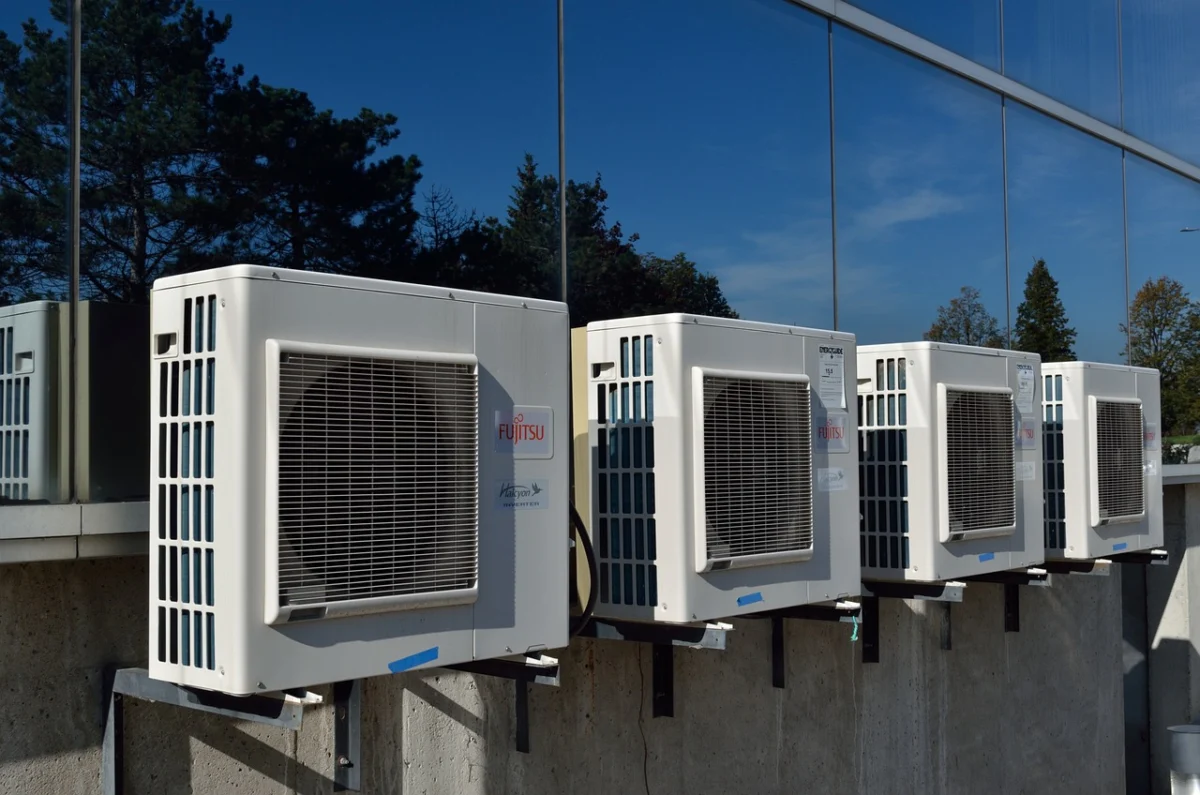
- Keep the Outdoor Unit Clear: Maintain a clearance of at least two feet around your outdoor condenser unit. Clear away fallen leaves, tall grass, and overgrown shrubbery that can restrict airflow and force the system to work harder.
- Clear Condensate Drains: Pour a cup of a 50/50 mix of white vinegar and water down the condensate drain line monthly to prevent algae and mold clogs that can cause system shutdowns.
- Protect Your Thermostat: Keep lamps, televisions, and other heat-generating appliances away from your thermostat, as they can trick the sensor into thinking the house is warmer than it actually is.
- Schedule Annual Tune-Ups: Partner with a licensed local HVAC provider to perform a comprehensive pre-summer inspection, checking electrical connections, testing refrigerant levels, and lubricating moving parts.
Restoring Comfort in North Ridgeville
When the unexpected happens and your air conditioner fails to respond, swift action is essential. For residents and business owners throughout North Ridgeville, professional help is readily available to diagnose issues—ranging from airflow restrictions to warm-air output—and restore reliable climate control.
Do not let a malfunctioning cooling system compromise your comfort, productivity, or health this summer. Reach out to certified local HVAC technicians to schedule a comprehensive diagnostic or tune-up, and ensure your indoor environment remains a cool, safe sanctuary no matter how high the thermometer climbs outside.